
Why Young Men Erectile Dysfunction is More Common Than You Think
Young men erectile dysfunction is more common than you think. While often associated with older men, research shows ED is prevalent in younger men too.
Quick Facts About ED in Young Men:
- 8% of men aged 20-29 experience ED
- 11% of men aged 30-39 have ED symptoms
- 1 in 4 new ED patients are under 40
- Half of young men with ED have severe cases
- 87% of young men with ED have physical causes, not just psychological
The old idea that ED in young men is purely psychological is outdated. Most cases involve a mix of physical and psychological factors.
ED can be an early warning sign of heart disease, diabetes, or other health problems. The penis’s smaller blood vessels often show damage before larger arteries, making ED a potential “canary in the coal mine” for your overall health.
As Dr. Cheryl Twu, I’ve seen how young men erectile dysfunction affects couples. While my practice focuses on women’s health, I understand the impact ED has on relationships and quality of life.

Relevant articles related to young men erectile dysfunction:
- define erection
- ed treatment Learn how modern treatments can help.
The Surprising Prevalence of ED in Young Men
For decades, erectile dysfunction was considered an older man’s issue. While ED does increase with age, that’s not the whole story. Recent research is changing our understanding of young men erectile dysfunction.
Studies show that 8% of men aged 20-29 and 11% of men aged 30-39 experience ED. This means it’s an issue that many couples face, often silently. As a women’s health specialist, I believe understanding this prevalence is the first step for partners to approach the topic with empathy and without blame.
More young men are also seeking help. Data shows 1 in 4 new ED patients are under 40, and medical centers report a steady increase in young men seeking treatment. This challenges the “older man’s problem” stereotype.
While age is a risk factor, ED affects men across all age groups. The scientific research from the MALES study confirms this shift.
Several factors are driving this change. Increased awareness encourages more young men to discuss these issues with doctors. There’s also growing recognition that lifestyle factors like stress, poor diet, and lack of exercise are affecting younger generations.
Modern pressures from social media and performance expectations also contribute to young men erectile dysfunction.
Encouragingly, awareness is shifting perceptions. More young men now see ED as a treatable medical condition, not a personal failure. For couples, this shift can open the door to more honest conversations and a shared approach to finding a solution.
For any young man with ED, it’s important to know he’s not alone. It’s common, and seeking help early can significantly improve health and quality of life.
Unpacking the Causes of Young Men Erectile Dysfunction

To understand young men erectile dysfunction, we must move past outdated ideas. For decades, ED in younger men was considered purely psychological. While mental state matters, this view is incomplete. Young men erectile dysfunction is almost always multifactorial, involving both psychological and physical elements. Research shows 87% of young men with ED have a physical component, such as vascular issues, nerve problems, hormone imbalances, or medication side effects.
An erection requires a complex interplay of the brain, hormones, nerves, and blood vessels. A problem in any part of this system can cause issues. Understanding these potential causes can help couples steer this challenge together with more compassion.
The Powerful Role of the Mind: Psychogenic Factors
A person’s mental state is a powerful factor in sexual performance. Performance anxiety is a major culprit. A single bad experience can lead to worry about future performance, creating a frustrating cycle of anxiety and ED. A supportive, understanding partner can be instrumental in breaking this cycle.
Stress and cortisol also play a huge role. Chronic stress floods the body with hormones that interfere with erections, as the body prioritizes survival over sexual function.
Depression and anxiety have a bidirectional link with ED; one can cause or worsen the other. Depression can lower libido, while anxiety can create physical tension that prevents arousal.
Relationship dynamics matter. Conflict, lack of communication, or emotional disconnection can create barriers that manifest physically. When intimacy becomes a source of stress instead of connection, the body often responds accordingly.
Body image issues and insecurity can create mental blocks that hinder sexual response.
Pornography-induced ED (PIED) is increasingly common. Excessive porn use can desensitize the brain, making real-life intimacy seem less stimulating and hindering arousal with a partner.
When It’s Physical: Common Organic Causes
Beyond mental factors, many physical issues cause young men erectile dysfunction. For partners, being aware of these can help shift the focus from blame to a shared health concern.
Vascular health is crucial for erections, which depend on blood flow. Even young men can have atherosclerosis (plaque buildup) that restricts blood flow. The penis’s smaller arteries often show this damage first.
High blood pressure and high cholesterol, common in younger people, damage blood vessels and impair sexual function.
Neurological conditions like multiple sclerosis or injuries from surgery can damage nerves essential for erections. Pelvic injuries or surgeries can also directly damage the nerves and blood vessels controlling erections.
Lifestyle choices are critical. Smoking damages blood vessels, increasing ED risk by 51%. Excessive alcohol impairs nerve signals and blood flow, making heavy drinkers three times more likely to have ED. Illicit drug use and obesity also contribute to ED.
Common medications can also cause ED as a side effect:
- Antidepressants (especially SSRIs)
- Blood pressure medications
- Antihistamines
- NSAIDs (like ibuprofen)
- Topiramate (for seizures)
- Finasteride (for hair loss)
If your partner takes any of these and experiences ED, encouraging them to talk to their doctor is a supportive step.
The Hormone Connection: Testosterone and Beyond
Hormonal imbalances can affect sexual function in men of all ages.
Low testosterone (hypogonadism) is a key factor. It drives libido and is crucial for erections. Though less common in young men, it affects overall health and must be addressed.
Thyroid disorders, both overactive (hyperthyroidism) and underactive (hypothyroidism), can impair erectile function by disrupting the body’s metabolism.
High prolactin levels can also suppress testosterone and interfere with erections.
Research on hormonal causes of male sexual dysfunction highlights these complex interactions. Fortunately, these imbalances are often identifiable through blood tests and treatable with proper medical guidance.
Why Early Diagnosis is a Game-Changer
Young men erectile dysfunction is more than a bedroom issue; it’s a crucial early warning sign for overall health, often called the “canary in the coal mine.” ED can signal underlying health problems, as the same vascular issues causing ED can point to serious conditions. For partners, encouraging a loved one to get evaluated isn’t just about improving intimacy; it’s about supporting their long-term health.
The ED-heart disease link is very strong. Both stem from damaged blood vessels. The arteries in the penis are much smaller than those in the heart.
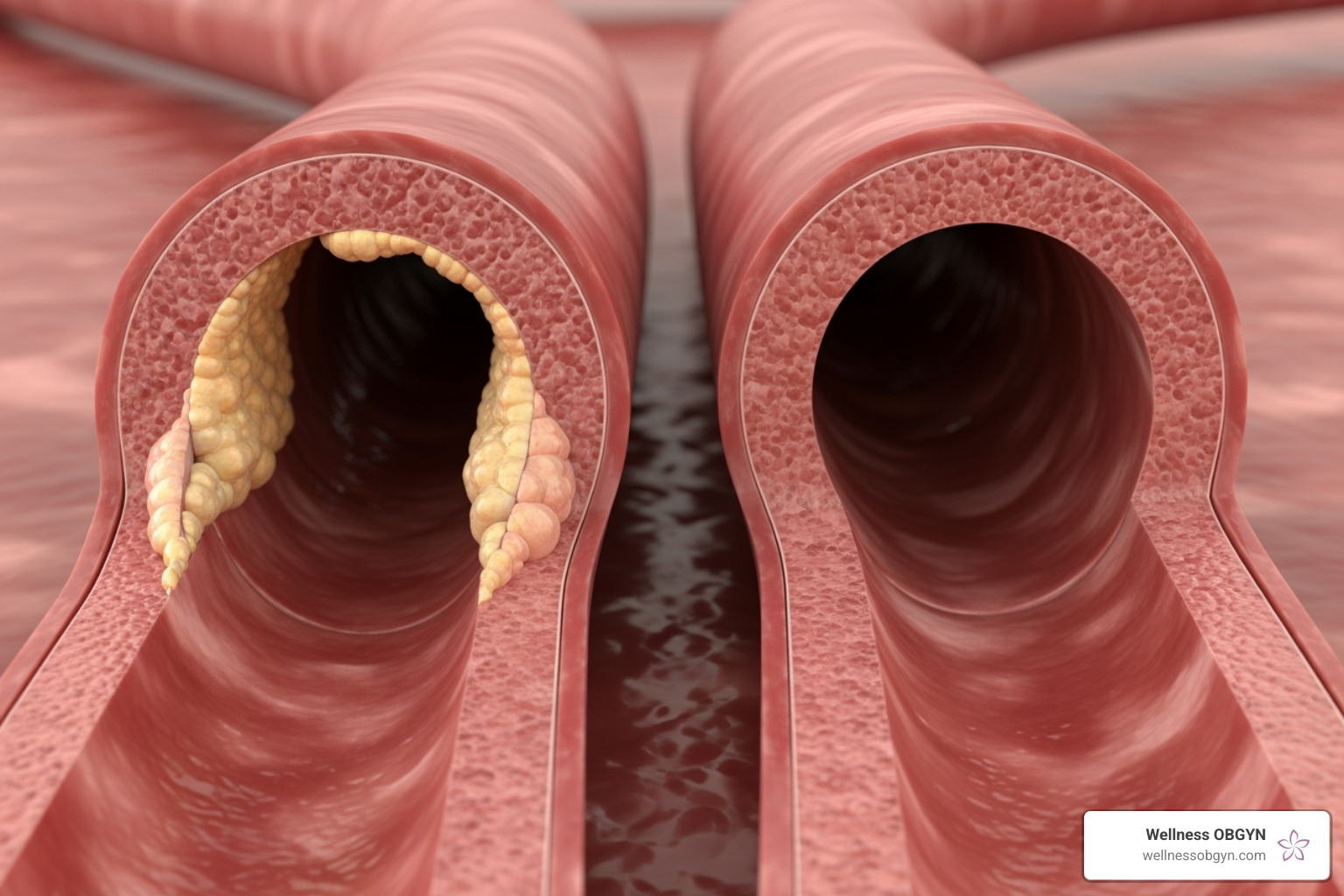
This size difference aids early detection. Plaque buildup (atherosclerosis) affects the smaller penile arteries first, causing ED before heart symptoms like chest pain appear.
Men in their 40s with ED are nearly 50 times more likely to develop heart disease. This risk is even more significant for younger men. Studies show ED often precedes a major cardiovascular event by about three years.
This provides a crucial window to identify and address underlying conditions before they become life-threatening. For example, ED is often the first symptom of undiagnosed diabetes.
Metabolic syndrome—a cluster of conditions including high blood pressure, high blood sugar, excess belly fat, and abnormal cholesterol—is another concern. ED can be the red flag for this often-undiagnosed syndrome.
ED can also reveal subclinical endothelial dysfunction, the earliest stage of blood vessel damage, as the penis’s delicate vascular system is highly sensitive.
Recognizing ED as a potential health alert can empower you to be a proactive advocate for your partner’s well-being. A comprehensive medical evaluation for young men erectile dysfunction not only improves sexual health but can also lead to early identification of serious diseases, improving long-term health outcomes.
A study showing ED as a predictor of cardiovascular events reinforces this vital connection. Investigating metabolic and cardiovascular health in young ED patients is essential for identifying who needs lifestyle changes or medical intervention.
Penile health reflects overall vascular health. Taking ED seriously and seeking medical advice can improve quality of life and potentially extend it.
Finding the Right Path Forward: Addressing ED
Addressing young men erectile dysfunction begins with a courageous first step: seeking professional medical advice. Because the causes are often complex, a thorough and personalized evaluation is key to finding a solution.
The journey starts with an open conversation with a healthcare provider. A comprehensive assessment helps identify the root causes, whether they are psychological, physical, or a combination of both. This often includes a review of medical history, lifestyle habits, and may involve blood tests to check for hormonal or metabolic issues.
Based on this evaluation, a personalized plan can be developed. For many young men, this starts with foundational lifestyle changes:
- Improving diet and exercise to boost cardiovascular health.
- Managing stress through techniques like mindfulness or therapy.
- Reducing alcohol intake and quitting smoking.
- Addressing relationship dynamics or performance anxiety with a therapist or counselor.
Modern medicine has made significant strides in treating the physical causes of ED. A qualified specialist can help steer these options and determine the most appropriate path for each individual’s unique situation, aiming for lasting improvement with minimal side effects.
Key take-away: A holistic plan that addresses both mind and body and targets the underlying cause usually provides the greatest and most durable benefit. The most important step is seeking help from a qualified professional.
Frequently Asked Questions about ED in Young Men
Dealing with young men erectile dysfunction can be confusing. Here are answers to some common questions.
Can watching too much porn cause ED?
Yes, excessive pornography use can contribute to Pornography-Induced Erectile Dysfunction (PIED). Constant exposure to highly stimulating, unrealistic porn can desensitize the brain, making real-life intimacy seem less stimulating and hindering arousal with a partner.
Is ED in young men permanent?
No, young men erectile dysfunction is typically not permanent and is often more reversible than in older men. ED in younger men is often linked to reversible causes like performance anxiety, stress, and lifestyle choices. Even physical causes, when caught early, can be addressed.
Working closely with a qualified healthcare provider ensures you receive the right combination of therapies for sustainable improvement.
How do I talk to my partner about this?
This conversation can be difficult, but open communication is crucial. Your partner’s support can make a huge difference.
- Choose the right moment. Be simple and honest, for example: “I’ve been having some trouble with erections and wanted to talk about it.”
- Reassure your partner it’s not about them. Explain that ED is a medical issue, not a reflection of your attraction. Say, “I’m still very attracted to you, and I want to fix this for us.”
- Frame it as teamwork. Say, “I’m working with a doctor, and your support would mean the world to me.”
- Educate them. Share that ED is common, treatable, and often has physical causes to help remove any self-doubt.
- Involve them in the treatment process. Their involvement can improve sexual quality of life for both of you, as research shows a partner’s treatment for ED often improves the other’s sexual function too.
Most partners care about your overall well-being and are relieved to know there’s a medical explanation and available help. Honesty can strengthen your relationship.
Conclusion: Taking Control of Your Health and Confidence
It’s clear that young men erectile dysfunction is common, complex, and treatable. Any man experiencing it is not alone, and has the power to take positive steps toward a solution.
Key insights show ED affects 8% of men in their 20s and 11% in their 30s. With 87% of cases having a physical component, it’s not a personal failure but an important health signal that deserves attention.
ED is an early warning system for potential cardiovascular issues, diabetes, or hormonal imbalances. Addressing young men erectile dysfunction is about protecting long-term health, not just a sex life.
Stigma shouldn’t keep anyone silent. Seeking help is an empowering step. With the right support and a comprehensive approach, function and confidence can be restored.
Anyone experiencing symptoms should make an appointment with a qualified healthcare professional. Early evaluation and a personalized plan can safeguard both sexual health and overall well-being. By addressing this together, couples can not only reclaim their intimacy but also build a stronger, healthier future.
Remember: the sooner action is taken, the sooner both confidence and health can be reclaimed.
Disclaimer: This article is for educational purposes only and is not a substitute for professional medical advice. Always seek the guidance of a qualified healthcare provider with any questions regarding a medical condition.