
Why Understanding Lower Urinary Tract Symptoms is Critical for Women’s Health
Clinical research reveals that lower urinary tract symptoms (LUTS) affect a significant portion of women, yet many don’t understand their risk factors or treatment options.
Quick Facts About LUTS in Women:
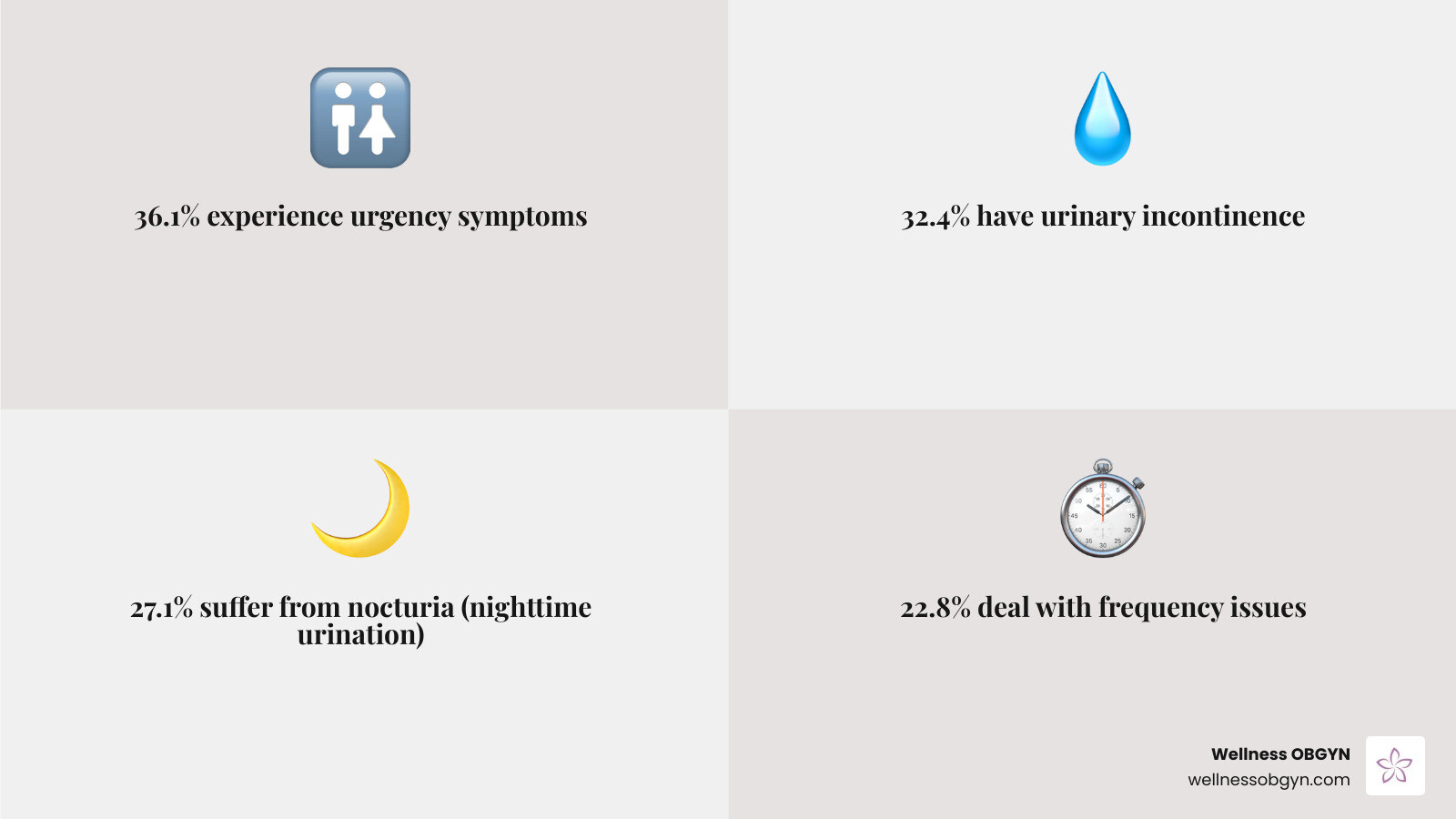
- 36.1% experience urgency symptoms
- 32.4% have urinary incontinence
- 27.1% suffer from nocturia (nighttime urination)
- 22.8% deal with frequency issues
- Vaginal delivery increases LUTS risk by 6.1 times compared to cesarean delivery
- Gas incontinence raises risk by 3.7 times
- Frequent UTIs increase likelihood by 2.9 times
- Maternal history of incontinence raises risk by 4.8 times
Lower urinary tract symptoms include urgency, frequency, nocturia, and incontinence – conditions that can dramatically impact your quality of life, relationships, and daily activities. Research shows these symptoms are more common than many women realize, affecting up to one-third of reproductive-aged women globally.
The good news? Understanding your personal risk factors helps you take control of your urinary health. Whether you’ve had vaginal deliveries, frequent urinary tract infections, or a family history of incontinence, knowing what puts you at higher risk allows you to seek appropriate care and explore modern treatment options.
I’m Dr. Cheryl Twu, a board-certified obstetrician-gynecologist with over a decade of experience helping women understand and manage urinary health concerns through evidence-based medicine and holistic care. My expertise in urogynecological research and minimally invasive treatments allows me to provide comprehensive solutions for women experiencing LUTS symptoms.
Understanding Common Lower Urinary Tract Symptoms (LUTS)
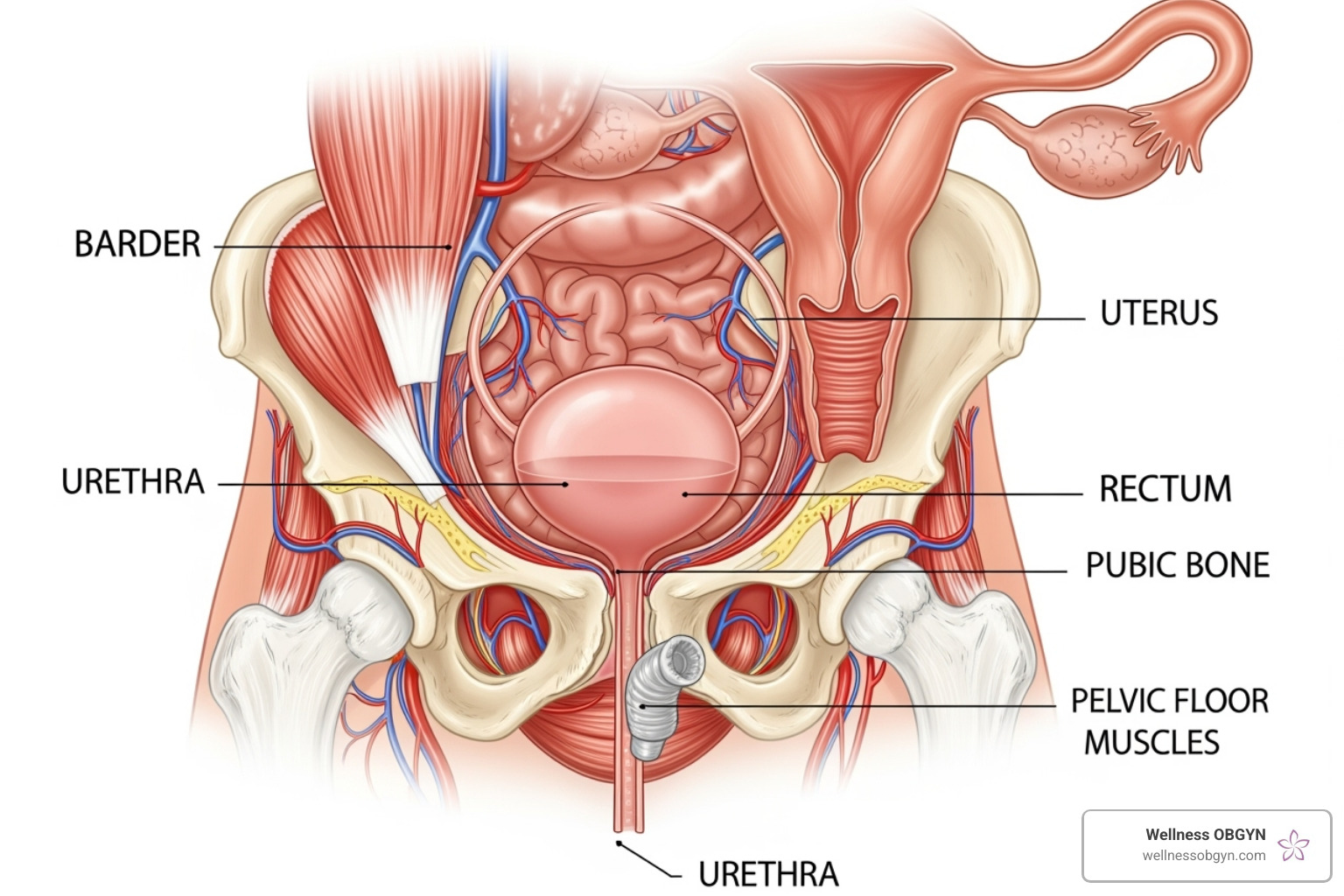
Lower Urinary Tract Symptoms might sound like medical jargon, but they’re actually quite straightforward. LUTS are bothersome symptoms that affect your bladder and urethra – the parts of your body responsible for storing and releasing urine.
Think of your urinary system like a storage and release mechanism. When something goes wrong, you might experience storage symptoms (like suddenly needing to go right now or waking up multiple times at night) or voiding symptoms (like having trouble starting your stream or feeling like you can’t empty completely).
For many women, these symptoms create a ripple effect that touches every part of daily life. You might find yourself mapping out every bathroom location before leaving the house, or declining social invitations because you’re worried about accidents. At Wellness OBGYN, we see how LUTS impact not just physical health, but emotional well-being too.
The reality is that these symptoms are incredibly common among women over 20. Research shows just how prevalent these issues really are, which means you’re definitely not alone in dealing with them.
The Most Prevalent Symptoms in Women
When researchers studied women aged 20 and older, they found some eye-opening statistics about how common these symptoms really are.
Urgency tops the list, affecting 36.1% of women studied. This isn’t just feeling like you need to go – it’s that sudden, overwhelming urge where your bladder seems to be shouting “Find a bathroom NOW!” You know that feeling when you’re stuck in traffic and suddenly realize you really need to go? That’s urgency.
Urinary incontinence affects 32.4% of women, and it comes in different forms. Some women leak a few drops when they sneeze, cough, or laugh (we call this stress incontinence). Others experience a complete emptying when that urgent feeling hits (urge incontinence). Either way, it’s more common than you might think.
Nocturia – waking up at night to urinate – disrupts sleep for 27.1% of women. While one nighttime bathroom trip might be normal, getting up multiple times can leave you exhausted and affect your whole next day. Good sleep is crucial for overall health, so this symptom deserves attention.
Frequency impacts 22.8% of women, turning normal 3-4 hour stretches between bathroom visits into hourly or two-hourly trips. This can make work meetings, movie dates, or long car rides feel like obstacle courses.
These numbers tell us something important: if you’re experiencing any of these symptoms, you’re part of a very large group of women dealing with similar challenges. While these symptoms are common, they’re not something you have to just accept as “normal.”
How LUTS are Diagnosed
Getting to the bottom of your symptoms requires a thorough but straightforward process. At Wellness OBGYN, we believe in taking time to understand your unique situation.
Your story comes first. We’ll sit down and talk about what you’re experiencing – when symptoms started, how severe they are, and how they’re affecting your daily life. We’ll also discuss your medical history, current medications, and lifestyle factors that might be contributing.
A physical exam helps us assess your overall health and specifically examine your pelvic organs and muscles. This gives us valuable information about potential physical causes of your symptoms.
Uroflowmetry sounds fancy, but it’s actually quite simple. You’ll urinate into a special toilet that measures how fast your urine flows and how much comes out. This helps us understand how well your bladder empties.
Post-void residual volume testing checks how much urine stays in your bladder after you think you’ve emptied it completely. If there’s a significant amount left behind, it can explain some of your symptoms.
Urodynamic testing provides the most detailed picture of how your bladder and urethra function. These tests measure bladder pressure, capacity, and muscle coordination. While they might sound intimidating, they’re typically well-tolerated and provide crucial information for creating your treatment plan.
Each of these steps helps us build a complete picture of what’s happening with your urinary system, allowing us to recommend the most effective treatments for your specific situation.
Primary Risk Factors Associated with LUTS
Understanding what puts you at risk for developing LUTS is crucial for taking control of your urinary health. Through our analysis of clinical research and our own clinical experience, we’ve identified several key factors that significantly increase a woman’s chances of experiencing these troublesome symptoms.
The most important thing to remember? Knowledge is power. When you understand your personal risk factors, you can work with your healthcare provider to monitor symptoms early and explore preventive strategies. For those interested in diving deeper into the scientific literature, this comprehensive research on LUTS in women provides additional insights into the broader patterns we see clinically.

Several factors work together to increase your risk of developing LUTS. Childbirth – particularly vaginal delivery – stands out as the most significant risk factor in clinical research. Genetic predisposition also plays a meaningful role, especially if your mother experienced incontinence.
Lifestyle factors and chronic conditions like frequent urinary tract infections can compound your risk over time. Even age itself becomes a factor, as the tissues supporting your bladder and pelvic floor naturally change as we mature.
How Childbirth Affects LUTS: Vaginal vs. Cesarean
The way you deliver your baby has a profound impact on your long-term urinary health. Research reveals some eye-opening differences between delivery methods that every woman should understand.
Vaginal delivery carries the highest risk for developing LUTS later in life. Women who delivered vaginally were 6.1 times more likely to experience urinary symptoms compared to those who had cesarean deliveries. This dramatic increase isn’t meant to scare you – it’s meant to inform you.
During vaginal birth, your pelvic floor muscles stretch significantly to allow your baby to pass through. Sometimes this stretching causes nerve injury or damage to the connective tissues that support your bladder and urethra. Think of these tissues like a hammock – once stretched or torn, they may not provide the same level of support they once did.
Parity – the number of times you’ve given birth – also matters. Each vaginal delivery can add to the cumulative stress on your pelvic floor. However, it’s important to note that not every woman who delivers vaginally will develop LUTS. Your body’s healing capacity and individual anatomy play important roles too.
Cesarean delivery offers some protection against LUTS because it bypasses the direct trauma to your pelvic floor. While pregnancy itself still places some stress on these structures, avoiding the stretching and potential tearing of vaginal delivery significantly reduces your risk.
Analyzing Your Risk Factors with Clinical Insights
Beyond childbirth, several other factors create a perfect storm for LUTS development. Clinical analysis using logistic regression has uncovered some fascinating connections that help us understand your personal risk profile.
Frequent UTIs increase your likelihood of developing LUTS by 2.9 times. If you’ve dealt with recurring bladder infections, the chronic inflammation can make your bladder more sensitive and reactive. It’s like having a sunburn that never quite heals – your bladder becomes hypersensitive to normal sensations.
Here’s something that might surprise you: gas incontinence is strongly linked to urinary symptoms, raising your risk by 3.7 times. This connection tells us that both conditions often share the same root cause – pelvic floor dysfunction or nerve damage that affects your body’s ability to control both bladder and bowel functions.
Family history provides perhaps the most compelling evidence for genetic links. If your mother experienced incontinence, you’re 4.8 times more likely to develop LUTS yourself. This suggests inherited differences in connective tissue strength or pelvic anatomy that run in families.
These logistic regression findings help us move beyond guesswork to evidence-based risk evaluation. When we see these patterns in research, it allows us to have more targeted conversations with our patients about their individual risk profiles and what they can do to protect their urinary health.
Having risk factors doesn’t guarantee you’ll develop LUTS – it simply means we should pay closer attention and take proactive steps to maintain your pelvic health throughout your life.
The Most Significant Risk Factor for LUTS: A Clinical Perspective
When all the risk factors for lower urinary tract symptoms are analyzed, one stands out dramatically above the rest: vaginal delivery. Comprehensive logistic regression analysis reveals findings that align perfectly with decades of women’s health research, giving us clear insights into what puts women at greatest risk.
The numbers tell a compelling story. While factors like frequent UTIs, gas incontinence, and a family history of incontinence all increase your risk of developing LUTS, none come close to the impact of vaginal childbirth on your pelvic floor health.

What the Data Reveals
Statistical analysis calculates odds ratios – essentially measuring how much more likely you are to develop LUTS based on different risk factors. The results are eye-opening, particularly for women who’ve experienced vaginal births.
Vaginal delivery emerged as the primary risk factor, making women 6.1 times more likely to develop LUTS compared to those who had cesarean deliveries. This isn’t just a small statistical blip – it’s a significant finding that shows the profound impact childbirth can have on your pelvic floor.
What makes this finding even more meaningful is its consistency with previous research. Study after study, across different populations and countries, has shown that vaginal delivery is strongly linked to pelvic floor disorders. The research cited in this article focused on women in Turkey, but the pattern holds true globally – the physical demands of vaginal birth can stretch, tear, or damage the muscles and nerves that support your bladder.
The number of vaginal deliveries also matters. Each delivery can add to the cumulative stress on your pelvic floor, which explains why women with multiple children often experience more severe symptoms.
This doesn’t mean cesarean delivery is risk-free, or that every woman who delivers vaginally will develop LUTS. But understanding this connection helps us better predict who might need extra support and monitoring after childbirth.
Seeking a Consultation for LUTS: Our Approach
Knowing your risk factors is powerful, but taking action is what really matters for your health. If you’re experiencing urgency, frequency, incontinence, or nighttime urination – or if you have risk factors and want to discuss prevention – it’s time to have a conversation with a specialist.
When should you see a doctor? Don’t wait until symptoms become unbearable. If LUTS are affecting your sleep, making you avoid activities you enjoy, or causing anxiety about finding bathrooms, that’s your cue to seek help. Early intervention often leads to better outcomes and more treatment options.
Preparing for your appointment can make a huge difference in getting the care you need. Write down your symptoms – when they started, how often they happen, and what seems to trigger them. Think about your birth history, any medications you’re taking, and whether your mother or sisters have dealt with similar issues. We might ask you to keep a bladder diary for a few days, tracking when you urinate and any leakage episodes.
Discussing symptoms openly is crucial, even though it can feel uncomfortable. We’ve heard everything before, and our job is to help you feel better – not to judge. The more honest you are about how symptoms affect your daily life, the better we can tailor your treatment.
Shared decision-making is at the heart of our approach at Wellness OBGYN. We’ll explain all your options, discuss the benefits and risks of each, and help you choose treatments that fit your lifestyle and goals. Your health journey should always be a partnership between you and your healthcare team, with your preferences and values guiding every decision.
Advanced, Non-Surgical Solutions for LUTS
When you’re dealing with LUTS, the last thing you want to hear is “surgery is your only option.” Thankfully, that’s rarely the case anymore. Modern medicine has given us incredible non-surgical alternatives that can dramatically improve urinary incontinence and improve your overall sexual wellness – all while you get back to your normal routine quickly.
These innovative treatments work by revitalizing your body’s own tissues and supporting natural healing processes. No lengthy hospital stays, no surgical scars, and minimal downtime. It’s healthcare that fits into your busy life, not the other way around.
Frequently Asked Questions about LUTS
As women’s healthcare providers at Wellness OBGYN, we hear many thoughtful questions about LUTS from our patients. These conversations often happen during consultations when women are trying to understand their symptoms and what they might mean. Let me share some of the most common questions we encounter, along with insights from clinical research and our own clinical experience.
How do these findings compare to previous studies on LUTS?
You might wonder if the statistics we’ve shared are typical or unique to a specific study. The good news is that these findings strongly align with what researchers have found worldwide. When studies find that 36.1% of women experience urgency, 32.4% have urinary incontinence, 27.1% suffer from nocturia, and 22.8% deal with frequency issues, these numbers fit right into the global pattern.
Studies from different countries and populations consistently show that LUTS affect about one-third of reproductive-aged women. This consistency is actually reassuring – it means our understanding of these conditions is solid and reliable.
The 6.1 times higher risk found in the study for women who had vaginal deliveries compared to cesarean deliveries also matches what urogynecological research has shown for years. While the exact numbers might vary slightly between studies due to different populations or research methods, the core finding remains the same: vaginal delivery is consistently the strongest risk factor for LUTS.
What makes this research particularly valuable is its focus on younger adult women, starting from age 20. Many studies look at older populations, so its findings help fill in important gaps about when these symptoms first appear and what puts younger women at risk.
What is the connection between gas incontinence and LUTS?
This is such an insightful question, and the connection is more significant than many people realize. When research finds that gas incontinence increases LUTS risk by 3.7 times, it wasn’t just a random finding – it reveals something important about how your pelvic floor works.
Think of your pelvic floor muscles as a supportive hammock that cradles your bladder, uterus, and rectum. These muscles work together to control both urinary and bowel functions. When they’re weakened or damaged – often from childbirth, chronic straining, or nerve injury – they struggle to properly control both your bladder and bowel.
The same muscle weakness that allows gas to leak can also cause urinary symptoms. It’s like having a security system where multiple doors are controlled by the same weakened mechanism. If one door isn’t closing properly, chances are the others might have problems too.
Is a family history of incontinence a sign of genetic predisposition?
When research shows that women whose mothers had incontinence were 4.8 times more likely to develop LUTS, many patients ask if this means they’re destined to have the same problems. The answer is nuanced but empowering.
Yes, there does appear to be a genetic component, but it’s not a guarantee. Research suggests that genetic variations might affect how strong and elastic your connective tissues are – the same tissues that support your bladder and urethra. If your mother inherited genes for weaker connective tissue, you might have inherited them too, making you more susceptible to pelvic floor changes, especially after events like childbirth.
Some studies point to variations in collagen genes as potential factors. Collagen is like the scaffolding that holds your pelvic organs in place. If your genetic blueprint produces slightly different collagen, it might not provide the same level of support throughout your lifetime.
But here’s the empowering part: knowing about this genetic link allows us to be proactive. We can’t change your genes, but we can help you strengthen what you have through targeted pelvic floor exercises, lifestyle modifications, and early intervention when symptoms first appear.
Think of it like knowing you have a family history of heart disease – it doesn’t mean you’ll definitely have heart problems, but it means you can take steps to protect your heart health. The same principle applies to your pelvic health, and that’s exactly the kind of personalized, preventive care we focus on at Wellness OBGYN.
Conclusion
Lower Urinary Tract Symptoms don’t have to define your life or limit your daily activities. Through our analysis of clinical research and our own clinical experience, we’ve seen how understanding these common conditions can truly empower women to take control of their health.
The numbers tell a clear story: urgency affects over one-third of women, while urinary incontinence impacts nearly as many. These aren’t rare conditions you should feel embarrassed about – they’re widespread health concerns that deserve proper attention and care.
Vaginal delivery stands out as the most significant risk factor, increasing your likelihood of developing LUTS by more than six times compared to cesarean delivery. But remember, having risk factors doesn’t guarantee you’ll develop symptoms. Gas incontinence, frequent UTIs, and a family history of incontinence also play important roles in your overall risk profile.
What gives me hope as your healthcare provider is how much we can do to help. Gone are the days when women had to “just live with” these symptoms. At Wellness OBGYN, we start with thorough evaluations that include your complete medical history, physical examinations, and advanced testing when needed.
Taking that first step to seek help can feel intimidating, but you don’t have to steer this journey alone. Our team in Honolulu specializes in creating a comfortable environment where you can discuss even the most sensitive symptoms openly. We believe in shared decision-making – your preferences, lifestyle, and goals guide our treatment recommendations.
The key to better urinary health starts with understanding your body and knowing when to seek expert care. Whether you’re dealing with current symptoms or want to discuss prevention strategies based on your risk factors, we’re here to provide the personalized, compassionate care you deserve.
Ready to take control of your health? More info about our women’s health services can help you understand how we can support your journey to better urinary and overall wellness.