
Understanding Painful Intercourse: You’re Not Alone
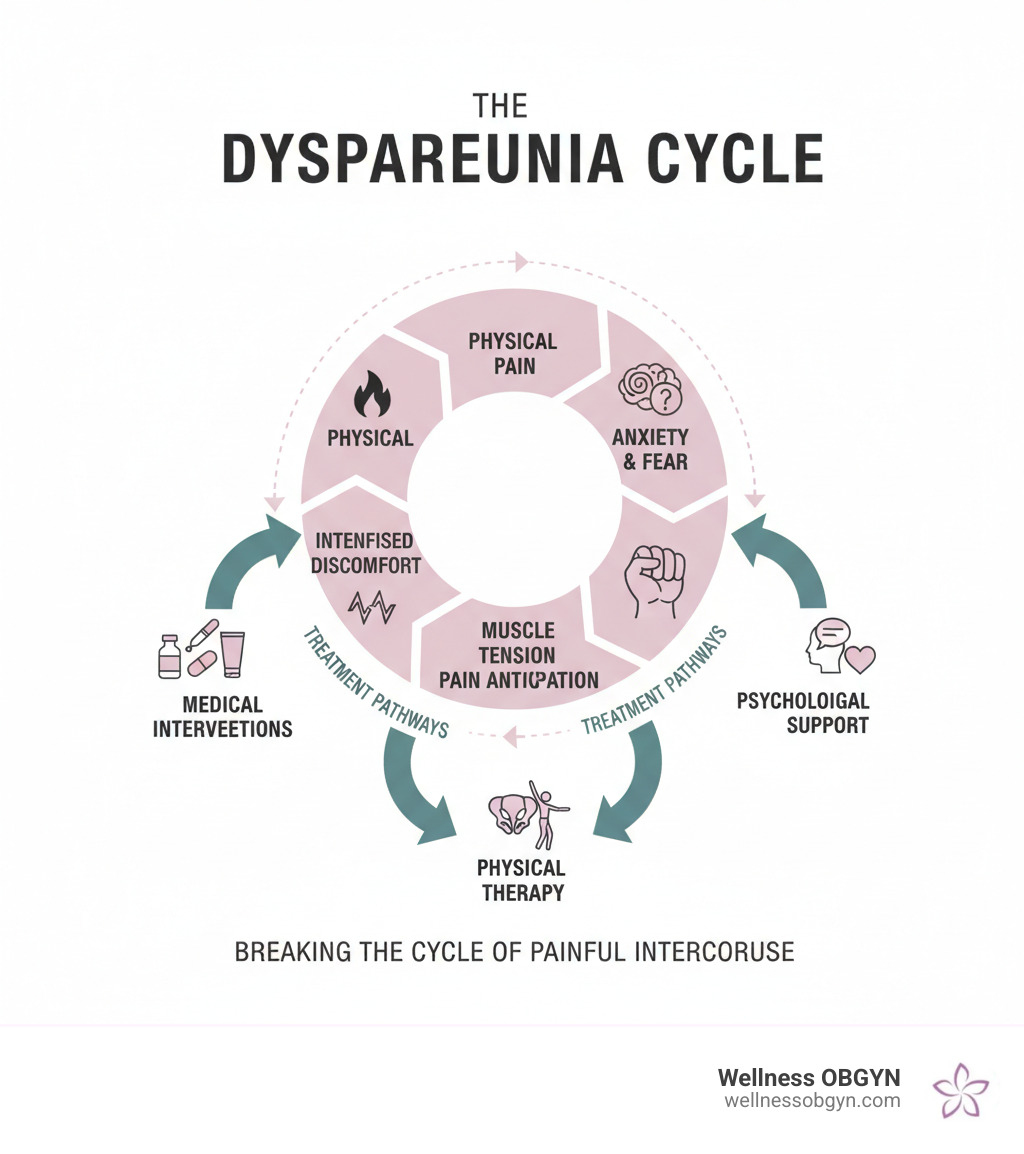
Treatment for dyspareunia involves a comprehensive approach that addresses both physical and psychological causes of painful intercourse. The most effective treatments include:
Medical Treatments:
- Topical estrogen therapy (creams, rings, tablets)
- Ospemifene (Osphena) for moderate to severe pain
- Prasterone (Intrarosa) vaginal capsules
- Topical analgesics and lubricants
Therapeutic Approaches:
- Pelvic floor physical therapy
- Desensitization therapy with vaginal relaxation exercises
- Counseling and sex therapy
- Cognitive behavioral therapy (CBT)
Dyspareunia affects 10% to 20% of women in the United States, making it far more common than many realize. This condition – defined as recurrent or persistent pain before, during, or after sexual intercourse – goes beyond physical discomfort.
The effects touch every aspect of life. Research shows 48% of women with dyspareunia report sexual dysfunction and decreased intimacy. This chronic pain often leads to anxiety and depression, creating a cycle where fear of pain causes muscle tension, increasing discomfort during intercourse.
Importantly, dyspareunia is highly treatable. Whether the pain stems from hormonal changes, muscle tension, infections, or psychological factors, effective solutions exist. The key is identifying the root cause and creating a personalized treatment plan.
As Dr. Cheryl Twu, a board-certified OB-GYN with over a decade of experience, I’ve helped countless women find relief through comprehensive treatment for dyspareunia that addresses both physical and emotional aspects. My practice, Wellness OBGYN, combines evidence-based medical treatments with holistic care to restore comfort and intimacy.
Identifying the Root Cause: How Dyspareunia is Diagnosed
Getting to the bottom of painful intercourse can feel like solving a puzzle. At Wellness OBGYN, we understand that talking about sexual pain can make you feel vulnerable. We’ve created a safe, judgment-free environment where your concerns are truly understood.

Our diagnostic process starts with a conversation. We need to understand your unique experience with pain. Is it sharp, burning, aching, or throbbing? Where you feel the pain matters too – some women experience entry pain at the vaginal opening, while others deal with deep pain inside the pelvis.
Timing tells us a lot as well. Does this happen every time, or just sometimes? Has this been going on since your first sexual experiences (primary dyspareunia) or did it start after a period of comfortable intercourse (secondary dyspareunia)?
We’ll also review your complete health history, including your gynecologic history, pregnancies, past infections, surgeries, and your sexual health journey. These details help us piece together the full picture of what might be causing your discomfort.
The physical exam provides key answers. We use an educational approach, explaining each step so you feel in control and informed.
We might start with a gentle single-finger exam to assess muscle response and ensure your comfort. If we suspect localized vulvar pain, a cotton swab test helps pinpoint tenderness by touching different areas. This test is especially helpful for diagnosing vulvodynia.
Depending on your exam and history, we might recommend a pelvic ultrasound or other imaging to rule out conditions like endometriosis or ovarian cysts.
Common Physical and Psychological Causes
After years of helping women with dyspareunia, I’ve learned it’s rarely just one thing causing the problem. It’s often a web of interconnected factors.
Inadequate lubrication is a very common culprit. It’s not just about mood; certain medications and hormonal changes (during your cycle, breastfeeding, or menopause) can dramatically affect natural moisture.
Hormonal changes are huge players in sexual comfort. When estrogen levels drop (from menopause, breastfeeding, or certain medications), it leads to vaginal atrophy. Your vaginal tissues become thinner, drier, and less stretchy.
Infections can turn intimacy into agony. Vaginitis (vaginal inflammation) can come from yeast infections, bacterial imbalances, or STIs. Pelvic inflammatory disease (PID) affects deeper reproductive organs and often causes deep, aching pain during intercourse.
Skin conditions like lichen sclerosus cause the vulvar skin to become thin, white, and scarred, making touch extremely painful.
Vaginismus is when your pelvic floor muscles involuntarily clamp down, making penetration feel impossible. It’s often tied to anxiety or fear of pain, creating a frustrating cycle.
Vulvodynia is chronic burning, stinging, or irritation lasting at least three months with no obvious cause. Some women feel it constantly, others only with touch.
Endometriosis affects about one in ten women of reproductive age and can cause deep, throbbing pain with deeper penetration. Uterine-like tissue grows outside the uterus, responding to monthly hormones.
Postpartum changes are common but often unaddressed. Up to 41% of women deal with painful sex three months after giving birth. Healing from tears, hormonal shifts from breastfeeding, and the stress of new motherhood all play a role.
Pelvic floor muscle dysfunction occurs when muscles are too tight to relax or too weak for support. This can make intercourse feel like “hitting a wall.”
Psychological factors are also significant. Stress and anxiety manifest as muscle tension and heightened pain sensitivity. Depression can affect libido and physical response. For women with a history of trauma, the body’s protective mechanisms can create real physical pain during intimacy.
Understanding these potential causes means we have many pathways to help you feel better. Every woman’s experience is unique, which is why finding the right treatment for dyspareunia requires thorough detective work.
For more detailed information about the various conditions that can affect your reproductive health, you can explore our comprehensive guide on Female Reproductive Health Issues.
A Comprehensive Guide to Treatment for Dyspareunia
Finding relief from painful intercourse is possible. Treatment for dyspareunia has advanced significantly, offering a multi-faceted approach that combines medical innovations, therapeutic support, and lifestyle changes. At Wellness OBGYN, we address every aspect of your discomfort to help you reclaim the intimacy you deserve.
Medical and Regenerative Therapies
For medical treatment for dyspareunia, we have an impressive toolkit. From topical solutions to regenerative therapies, each option is selected to target the root cause of your pain.
Topical medications are often a first line of defense. Estrogen creams, rings, or tablets are excellent for vaginal atrophy, restoring moisture and elasticity, particularly for postmenopausal women.
For moderate to severe pain from lubrication issues, we might prescribe ospemifene (Osphena) or prasterone (Intrarosa), a daily vaginal capsule. Topical analgesics can provide immediate numbing relief while other treatments take effect.
Our commitment to a Holistic Approach to Women’s Health means we combine the best of medical science with comprehensive wellness strategies.
Effective Non-Medical Treatments for Dyspareunia
Non-medical therapies often provide the missing piece in treatment for dyspareunia. These approaches are powerful when muscle tension, psychological factors, or pain perception contribute to discomfort, complementing medical treatments.
Pelvic floor physical therapy is one of our most effective non-medical treatments. A specialized therapist uses manual therapy techniques like targeted massage, gentle stretching, and myofascial release to release tension and improve tissue flexibility. One effective approach is Thiele massage, a transvaginal massage of muscle fibers.
Biofeedback helps you learn to control your pelvic floor muscles, which is invaluable for conditions like vaginismus.
Desensitization therapy often uses vaginal dilators to gradually stretch vaginal tissues, retraining the body and mind to accept penetration without pain.
The emotional component is vital. Counseling and sex therapy can help you and your partner improve communication and explore new ways of being intimate. Cognitive Behavioral Therapy (CBT) works well for changing negative thought patterns and behaviors associated with pain and anxiety around intercourse.
Scientific research, such as studies on manual therapy for dyspareunia, supports these approaches, showing promising improvements in pain and sexual function while also highlighting the need for more high-quality research.
If you’re curious about how pelvic floor physical therapy might help you, our Female Pelvic Floor Therapy page offers detailed information.
Lifestyle Adjustments and Home Remedies for Dyspareunia
Simple lifestyle adjustments can be powerful. These home remedies often serve as a first line of defense and integrate well with other treatments for a comprehensive treatment for dyspareunia approach.
- Using water-based or silicone-based lubricants can be transformative, dramatically reducing friction.
- Allowing for more foreplay gives your body time to increase natural arousal and lubrication.
- Communicating needs with your partner about what feels good and what hurts is paramount.
- Trying different sexual positions can reduce pressure on sensitive areas.
- Avoiding irritants in soaps and detergents protects delicate vulvar tissues. Choose mild, unscented products.
- Warm baths before sex can help relax tense pelvic muscles.
- Exploring non-penetrative intimacy maintains connection and pleasure during your healing journey.
Managing Dyspareunia in Different Life Stages
Dyspareunia can affect women at any age, but often appears when our bodies undergo major changes. Understanding how treatment for dyspareunia varies during these phases helps us provide the most effective care.

Pain after childbirth is incredibly common. Up to 58% of new mothers experience painful intercourse at three months postpartum. This is a real medical concern that deserves attention and care.
The causes of postpartum dyspareunia are often straightforward. Perineal trauma from tears or episiotomies can create painful scar tissue. Additionally, breastfeeding hormones can cause significant vaginal dryness.
For new mothers, our treatment for dyspareunia focuses on gentle healing. Pelvic floor physical therapy is often helpful for restoring muscle function and addressing scar tissue. We emphasize adequate lubrication and taking things slowly.
Pain after menopause presents different challenges. About 50% of postmenopausal women experience dyspareunia, primarily due to Genitourinary Syndrome of Menopause (GSM). This condition, formerly called vaginal atrophy, occurs when declining estrogen causes vaginal tissues to become thinner, drier, and less elastic.
Menopausal dyspareunia often responds beautifully to treatment. Topical estrogen treatments (creams, rings, tablets) can restore vaginal health. Medications like ospemifene and prasterone are also highly effective.
Here’s how these two life stages typically compare:
| Feature | Postpartum Dyspareunia | Postmenopausal Dyspareunia |
|---|---|---|
| Common Causes | Perineal trauma (tears, episiotomy), breastfeeding hormones (low estrogen), pelvic floor muscle dysfunction | Genitourinary Syndrome of Menopause (GSM), vaginal atrophy due to chronic low estrogen |
| Symptoms | Entry pain, deep pain, dryness, muscle soreness | Dryness, burning, irritation, thinning tissues, decreased elasticity, entry pain |
| Primary Treatments | Pelvic floor physical therapy, lubricants, gentle stretching, scar massage, careful hormonal treatments | Topical estrogen (creams, rings, tablets), ospemifene, prasterone, lubricants |
Pain during these life transitions isn’t inevitable. Whether you’re a new mother or postmenopausal, effective treatments are available. The key is working with a provider who understands that your sexual health matters at every stage of life.
Frequently Asked Questions about Dyspareunia Treatment
It’s natural to have questions about painful intercourse. Here are some common concerns we address at our practice.
Is it normal for sex to be painful?
The short answer is no. Persistent pain during sex is not normal. While occasional mild discomfort can occur, ongoing or severe pain is a medical condition called dyspareunia, which has effective treatments.
Sexual intimacy should bring pleasure, not dread. If you’re avoiding intimacy because of pain, know that you deserve better. Treatment for dyspareunia has helped countless women reclaim enjoyable sexual experiences.
At Wellness OBGYN, we never dismiss pain. Your comfort and well-being matter, and we’re here to help you find real solutions.
How long does treatment for dyspareunia take?
The answer depends on your unique situation. The timeline for treatment for dyspareunia varies based on the cause of your pain and the chosen treatments.
Some women experience relief quickly. If pain stems from hormonal changes or lubrication issues, treatments like estrogen creams, or lubricants.
For others, especially when pelvic floor dysfunction or psychological factors are involved, the journey might take several months of consistent physical therapy or counseling.
We’ll work with you to set realistic expectations and adjust your treatment plan as needed to keep moving toward your goals.
Can dyspareunia be permanently cured?
Yes, many women find lasting relief from dyspareunia. While “cured” may be a strong word for every case, most women can achieve significant improvement so that pain no longer interferes with their quality of life.
The key to successful treatment for dyspareunia is identifying and addressing the specific underlying cause. When we do, many women experience a complete resolution of their symptoms.
Even for chronic conditions like vulvodynia or endometriosis, we can usually help you achieve effective symptom control to enjoy pain-free intimacy again.
At Wellness OBGYN, we’ve seen that with the right treatment approach, comfortable and pleasurable intimacy is absolutely possible. There’s genuine reason for hope.
Conclusion: Reclaiming Your Comfort and Intimacy
If you’re experiencing pain during intimacy, you’re not alone. Dyspareunia affects millions of women, but it’s often suffered in silence. You don’t have to accept painful intercourse as a normal part of life.
As we’ve explored, dyspareunia is a highly treatable medical condition. Whether the cause is hormonal, muscular, or psychological, there is hope for relief. Effective treatment for dyspareunia involves finding the right combination of therapies for you.
Seeking professional help is the most important step toward reclaiming your comfort. At Wellness OBGYN, we’ve created an environment where your experiences are validated and your healing is supported with expertise and compassion.
Our approach combines modern medicine with holistic care. We believe in shared decision-making, so you’re always an active participant in your care.
The journey to pain-free intimacy takes time, but every step is worth celebrating. Addressing dyspareunia can transform relationships, boost confidence, and help you reclaim a part of yourself.
Personalized care makes all the difference. We take the time to understand your specific situation and goals. Whether you’re dealing with postpartum changes, menopausal symptoms, or another cause of painful intercourse, we’re here to help you find your path to healing.
You deserve to experience intimacy without fear or pain. You deserve expert care that treats you as a whole person.
Take the first step towards pain-free intimacy at our Female Sexual Health Clinic