
Why Hormonal Balance Matters for Your Long-Term Health
Hormonal health for women is the foundation of your physical, mental, and reproductive well-being—yet it’s often misunderstood or overlooked until something feels off. Your body produces more than 50 different hormones that regulate everything from your menstrual cycle and fertility to your mood, energy levels, and bone density.
Quick Answer: Understanding Female Hormonal Balance
- What it is: A complex system where estrogen, progesterone, FSH, and LH work together through your hypothalamus, pituitary gland, and ovaries to regulate your menstrual cycle, fertility, and overall health
- Why it matters: Hormonal imbalances can cause irregular periods, weight changes, mood swings, fertility issues, and increased risks for cardiovascular disease and certain cancers
- Key life stages: Your hormonal needs shift dramatically from adolescence through your reproductive years to perimenopause and menopause
- Common disruptors: Stress, certain medications (especially hormonal contraception), medical conditions like PCOS or thyroid disorders, and natural aging all impact your hormone levels
- What to watch for: Changes in cycle regularity (normal = 24-38 days), heavy or light bleeding, new mood symptoms, unexplained weight gain, persistent fatigue, or changes in skin and hair
Your menstrual cycle functions like an orchestra—when one hormone plays too loudly or too softly, the entire symphony can fall out of tune. The hypothalamic-pituitary-ovarian (HPO) axis controls this delicate balance, with each gland sending chemical signals that trigger the next step in your cycle. Research shows that approximately 75% of hypoparathyroidism cases stem from accidental gland damage during surgery, and up to 50% of people treated for head and neck cancer with radiation develop hypothyroidism—demonstrating how easily this system can be disrupted.
Many women experience symptoms for months or years before connecting them to hormonal imbalances. You might notice your periods becoming irregular, struggle with unexplained anxiety or depression, find it harder to maintain your weight, or lose interest in sex. These aren’t just isolated problems—they’re often your body signaling that your hormones need attention.
The stakes are particularly high when it comes to fertility and long-term health. Studies reveal that combined hormonal birth control leads to statistically significant decreases in anti-Müllerian hormone (AMH) levels by 31.1%, antral follicle count (AFC) by 31.3%, and ovarian volume by 57.2%—all key markers of your ovarian reserve and future fertility potential. Meanwhile, hormonal contraception users show a moderately higher risk (1.1 to 1.3 times) for needing psychotropic medications including antidepressants and anxiolytics.
Beyond reproductive health, hormone imbalances affect your cardiovascular system, bone density, brain function, and cancer risk. Women who start hormonal contraception before age 60 or within 10 years of menopause face different risk-benefit calculations than those who start later. Understanding these nuances empowers you to make informed decisions about your care.
I’m Dr. Cheryl Twu, a board-certified obstetrician-gynecologist with over a decade of experience helping women navigate hormonal health for women through evidence-based medicine and holistic wellness approaches. At Wellness OBGYN in Honolulu, I combine advanced medical training with osteopathic principles to support women from adolescence through menopause with personalized, whole-person care.
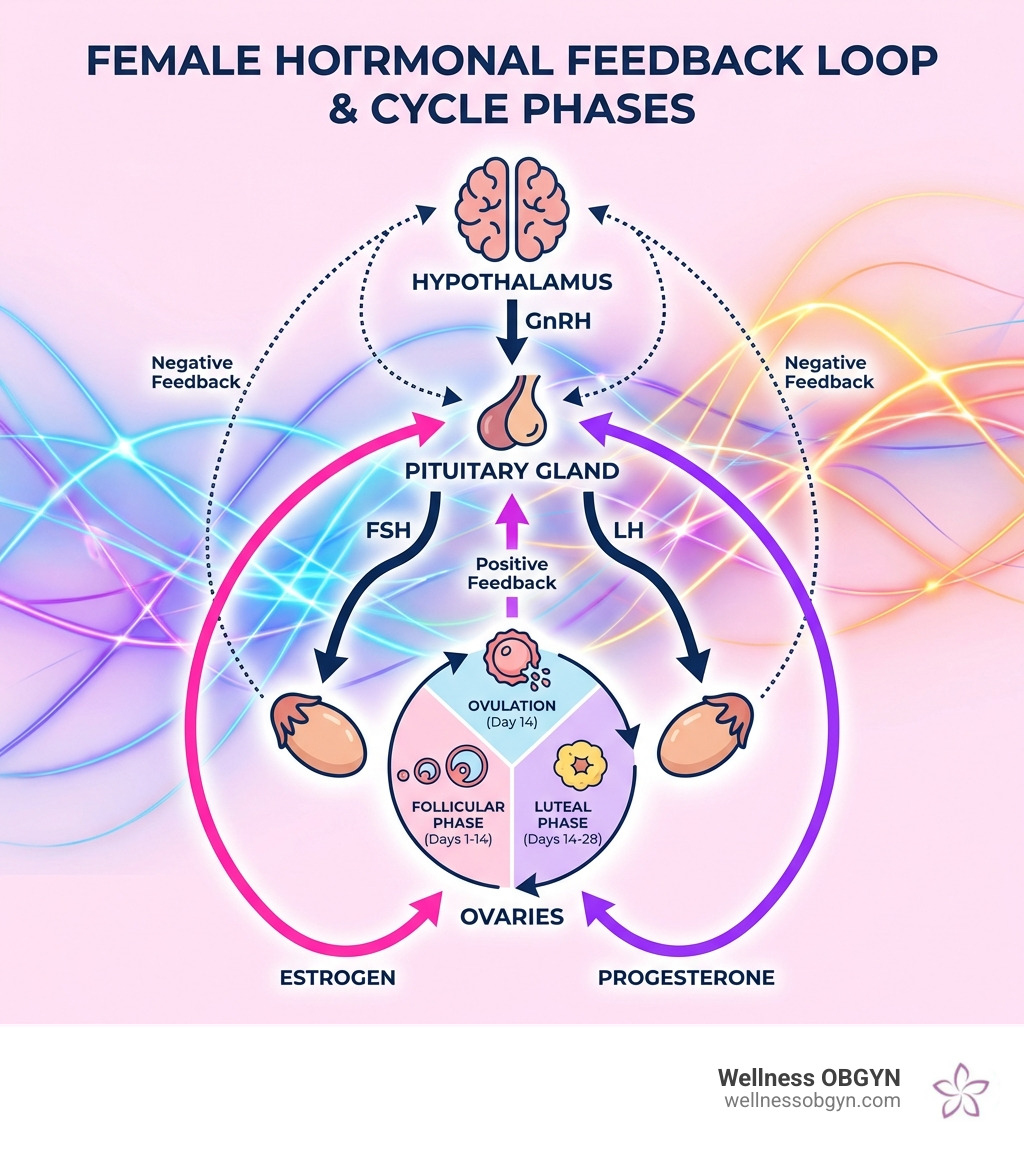
Hormonal health for women terms made easy:
Understanding the Foundation of Hormonal Health for Women
To truly grasp hormonal health for women, we have to look at the ovaries as more than just “egg holders.” They are dynamic endocrine glands that communicate constantly with your brain. This communication determines your “ovarian reserve”—a fancy medical term for your remaining egg supply and the quality of your reproductive environment.
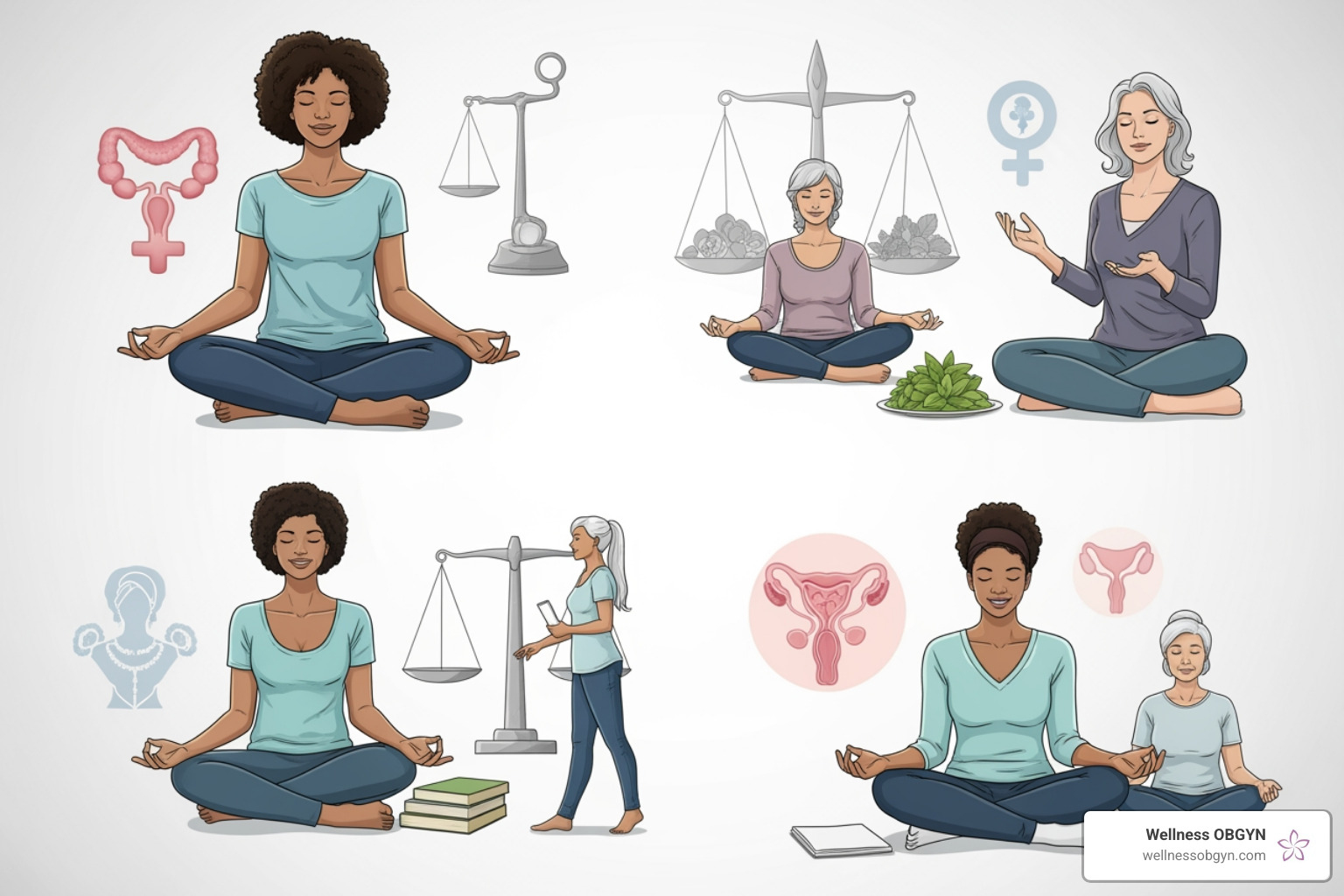
When we evaluate your hormonal foundation, we look at several clinical markers. Scientific insights into ovarian aging and fertility suggest that while aging is natural, certain factors can accelerate this process, leading to a “diminished ovarian reserve” earlier than expected.
How Hormonal Health for Women Affects Fertility
Fertility isn’t a light switch that you just flip on when you’re ready to conceive. It is a reflection of your cumulative hormonal history. Two critical markers we use to measure this are Anti-Müllerian Hormone (AMH) and Antral Follicle Count (AFC).
AMH is produced by the small follicles in your ovaries. Think of it as a fuel gauge for your fertility. AFC, performed via ultrasound, counts the number of follicles visible at the start of your cycle. Recent research on AMH and AFC decreases indicates that external factors—specifically combined hormonal birth control—can suppress these markers significantly. In some cases, AMH levels drop by over 30%, which can be alarming for women seeking fertility advice later in life.
The Role of Ovarian Volume in Reproductive Aging
Ovarian volume is another piece of the puzzle. As we age, our ovaries naturally shrink, but a sudden or significant decrease in volume can signal a shift in the “stroma” or the healthy tissue of the ovary. A study on ovarian biophysiology highlights that maintaining ovarian volume is linked to a longer reproductive lifespan. When the ovaries are suppressed by synthetic hormones for long periods, the lack of natural stimulation can lead to an “artificial” aging effect, where the ovaries appear smaller and less active than they should be for a woman’s chronological age.
How Hormonal Contraception Disrupts the Natural Cycle
Hormone-based contraception (HBC) is designed to do one thing very effectively: stop ovulation. It does this by overriding your HPO axis. Instead of your brain and ovaries having a two-way conversation, the synthetic steroids in the pill, patch, or ring shout over the natural signals.
By providing a steady stream of synthetic estrogen and progestin, HBC convinces the pituitary gland that it doesn’t need to release FSH or LH. No LH surge means no ovulation. While this prevents pregnancy, it also puts your natural hormonal rhythm into a state of “suspended animation.” Detailed research on gonadotropin regulation shows that this disruption affects almost every organ system, as estrogen and progesterone receptors are found throughout the body, including the heart and brain.
Endometrial Changes and Menstrual Regulation
One of the biggest myths about the pill is that the bleeding you experience during the “placebo week” is a real period. In reality, it’s a “withdrawal bleed.” Because the synthetic hormones have kept your uterine lining (endometrium) thin, the sudden drop in hormones causes the lining to shed.
This process bypasses natural “decidualization”—the healthy thickening and preparation of the uterus. Understanding the physiology of the endometrium is crucial because long-term suppression can lead to structural changes in the lining that might take months or even years to normalize once you stop using HBC.
Cervical Mucus and Sperm Permeability
Nature is clever. During your fertile window, your cervix produces “Type E” mucus—watery, stretchy, and alkaline—to help sperm survive and swim. HBC changes this mucus into a thick, sticky plug that acts as a physical barrier.
A study on cervical mucus patterns found that HBC causes the cervix to age prematurely at a rate of 4% per year, compared to the natural aging rate of 2%. This means that after a decade on the pill, your cervical environment might behave like that of a woman significantly older, potentially complicating your journey when you decide to conceive.
Long-Term Physical Impacts: Cardiovascular and Cancer Risks
We often focus on the convenience of hormonal control, but look at the long-term physical “price tag.” The generation of progestin used in your contraception matters immensely.
Cardiovascular Safety and Obesity Synergies
Cardiovascular risks, including deep vein thrombosis (DVT), stroke, and myocardial infarction (heart attack), are well-documented. However, the risk isn’t the same for everyone. For example, third-generation progestins like desogestrel carry a higher relative risk for blood clots than second-generation levonorgestrel.
Furthermore, research on hormonal biophysiology shows a synergistic effect with obesity. In women with a high BMI, the risk of thrombosis can jump 12 to 24 times when using combined HBC. This is why we emphasize personalized screenings at Wellness OBGYN—your unique health profile determines which options are actually safe for you.
Evaluating Hormone-Sensitive Cancer Evidence
The relationship between HBC and cancer is a “dual effect” story. While HBC is known to reduce the risk of endometrial and ovarian cancers (often by 30-50%), it may increase the risk of others.
Evidence on cancer incidence and HBC shows a relative risk (RR) of 1.20 for breast cancer among current and recent users. This risk increases to 1.46 for those who use it for more than 10 years and can remain elevated for a decade after stopping. Cervical cancer risk also increases with duration of use, specifically for those who are HPV-positive. We believe in transparent communication so you can weigh these risks against the protective benefits for other cancers.
The Mental Health Connection: Depression and Emotional Well-being
Perhaps the most under-discussed aspect of hormonal health for women is the brain. Synthetic hormones don’t just stay in your reproductive tract; they cross the blood-brain barrier.
Prioritizing Hormonal Health for Women in Mental Wellness
The association between HBC and depression is significant, particularly in younger women. HBC users have a 1.1 to 1.3 times higher risk of being prescribed psychotropic drugs. In adolescents (ages 12-14), the risk of needing antidepressants can be more than 3 times higher than in non-users.
Research on HBC and depression suggests that synthetic progestins can alter brain reactivity in the amygdala (our emotional center) and even decrease cortical thickness in areas responsible for emotional regulation. If you’ve ever felt “not like yourself” on the pill, it isn’t in your head—it’s in your hormones.
The Impact of Synthetic Progestins on Behavior
Beyond low mood, some women experience increased anxiety and emotional “blunting.” Most tragically, a large-scale study on suicidal behavior and HBC involving over 800,000 women found that HBC users aged 15-33 had nearly double the risk of a first suicide attempt and triple the risk of completed suicide compared to non-users. These statistics highlight why we must monitor mental wellness as closely as physical symptoms when managing hormonal health.
Navigating Alternatives and Informed Consent
With a discontinuation rate of 59%—largely due to side effects—it’s clear that many women are looking for a different way to manage their hormonal health for women.
Informed consent is the cornerstone of our practice. You deserve to know the full picture of how a medication might affect your body before you start it. Research on discontinuation due to side effects emphasizes that when women feel coerced or uninformed, they are more likely to experience negative health outcomes.
Holistic Needs and Fertility Awareness
For women who want to preserve their natural hormonal rhythm, there are several effective non-hormonal alternatives. Fertility Awareness Methods (FAM) involve tracking your natural biomarkers (like basal body temperature and cervical mucus) to identify your fertile window.
A study on ovulation as a sign of health argues that a regular, ovulatory cycle is a vital sign of overall systemic health. By choosing methods that don’t suppress ovulation, you avoid the economic burden of HBC-related side effects—which cost society over $16 billion annually—and reduce the environmental impact of synthetic hormones in our water systems.
Frequently Asked Questions about Hormonal Health
How does the pill affect my long-term fertility?
While most women return to ovulation within a few months of stopping the pill, long-term use can mask underlying issues (like PCOS) and may temporarily suppress markers of ovarian reserve like AMH. It’s important to have a “fertility check-up” if you’ve been on HBC for many years.
Can hormonal birth control cause depression?
Yes. There is a documented link between synthetic hormones and mood disruptions. If you have a history of depression or notice a change in your mood after starting HBC, please talk to us about alternative options.
What are the best non-hormonal alternatives for cycle control?
The Copper IUD (Paragard) is a highly effective, long-term option that doesn’t use hormones. Barrier methods like condoms and diaphragms, combined with Fertility Awareness Methods, are also excellent choices for women who want to maintain their natural cycle.
Conclusion
At Wellness OBGYN in Honolulu, we are committed to shared decision-making and compassionate, personalized care. We don’t just treat symptoms; we look at the whole person to help you achieve true hormonal balance and long-term vitality.
Ready to take control of your health? Schedule a consultation for your hormonal health today.
Explore more about your health: