
Why Injectable Birth Control Matters for Modern Women
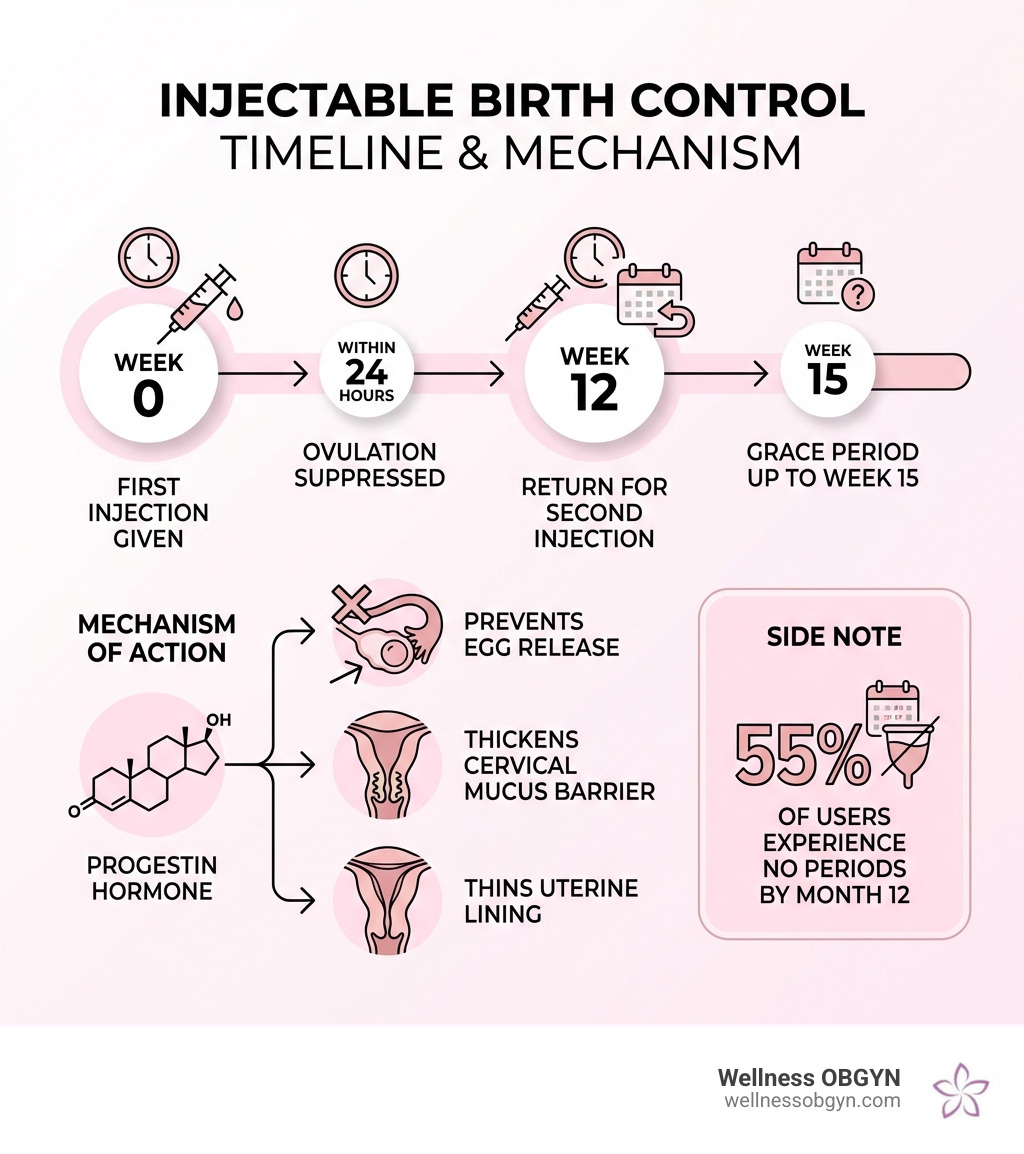
Injectable birth control is a progestin-only contraceptive method that prevents pregnancy for three months with a single shot. Also known as Depo-Provera or “the shot,” this method works by stopping ovulation, thickening cervical mucus, and thinning the uterine lining. Here’s what you need to know:
Key Facts About Injectable Birth Control:
- Effectiveness: 99% effective with perfect use, 94% with typical use
- Schedule: One injection every 12-13 weeks
- Types: DMPA-IM (provider-administered) or DMPA-SC (self-injection option)
- Duration: Effects last approximately three months
- Backup needed: Use another method for 7 days after first shot (if not given during first 5 days of period)
- Return to fertility: Average 10 months after last injection
- STI protection: None—use condoms for STI prevention
Benefits:
- No daily pill to remember
- May stop periods completely (55% of users by month 12)
- Can reduce endometriosis pain and menstrual cramps
- Safe for breastfeeding mothers (after 6 weeks postpartum)
Considerations:
- May cause irregular bleeding initially
- Potential weight gain (average 5.4 pounds in first year)
- Bone mineral density concerns with long-term use (>2 years)
- Requires clinic visits every three months
The shot offers freedom from daily contraceptive routines while providing reliable pregnancy prevention. Whether you’re juggling work, family, or simply want a low-maintenance option, injectable birth control might fit your lifestyle.
As Dr. Cheryl Twu, founder of Wellness OBGYN in Honolulu, I’ve spent over a decade helping women steer contraceptive choices, including injectable birth control options that align with their health goals and busy lives. My approach combines evidence-based medicine with personalized care to help you make informed decisions about your reproductive health.
Basic injectable birth control vocab:
- different birth control methods
- family planning benefit program
- what is the family planning services program
Understanding Injectable Birth Control: How the Shot Works
When we talk about injectable birth control, we’re primarily referring to depot medroxyprogesterone acetate, or DMPA. This powerful progestin hormone is the active ingredient that works tirelessly behind the scenes to prevent pregnancy. Think of it as a tiny, invisible bodyguard for your reproductive system, keeping unwanted pregnancies at bay for about three months at a time.
So, how does this clever little shot do its job? It employs a triple-threat strategy:
- Ovulation Suppression: The main way DMPA works is by preventing your ovaries from releasing an egg (ovulation). Without an egg to fertilize, pregnancy simply can’t happen. It essentially puts your ovulation on a three-month vacation. Scientific research indicates that DMPA inhibits gonadotropin secretion, which in turn prevents follicular maturation and ovulation Scientific research on DMPA mechanism.
- Cervical Mucus Thickening: The progestin in the shot also causes the mucus in your cervix to thicken dramatically. This creates a formidable barrier, making it extremely difficult for sperm to swim through and reach any potential eggs, should one somehow slip past the first line of defense.
- Uterine Lining Thinning: Lastly, DMPA thins the lining of your uterus. This makes it an unwelcoming environment for a fertilized egg, should one ever form, making implantation highly unlikely.
Together, these mechanisms make injectable birth control a highly effective and reliable form of contraception. It’s a reversible method, meaning that once you stop receiving the injections, your fertility will eventually return. This makes it a flexible option for many women in Honolulu and beyond who are planning their families. For more information on various hormonal birth control options, you can explore our guide on Best Hormonal Birth Control.
Types and Administration of the Shot
While the underlying hormone (DMPA) is the same, there are a couple of ways you can receive your injectable birth control:
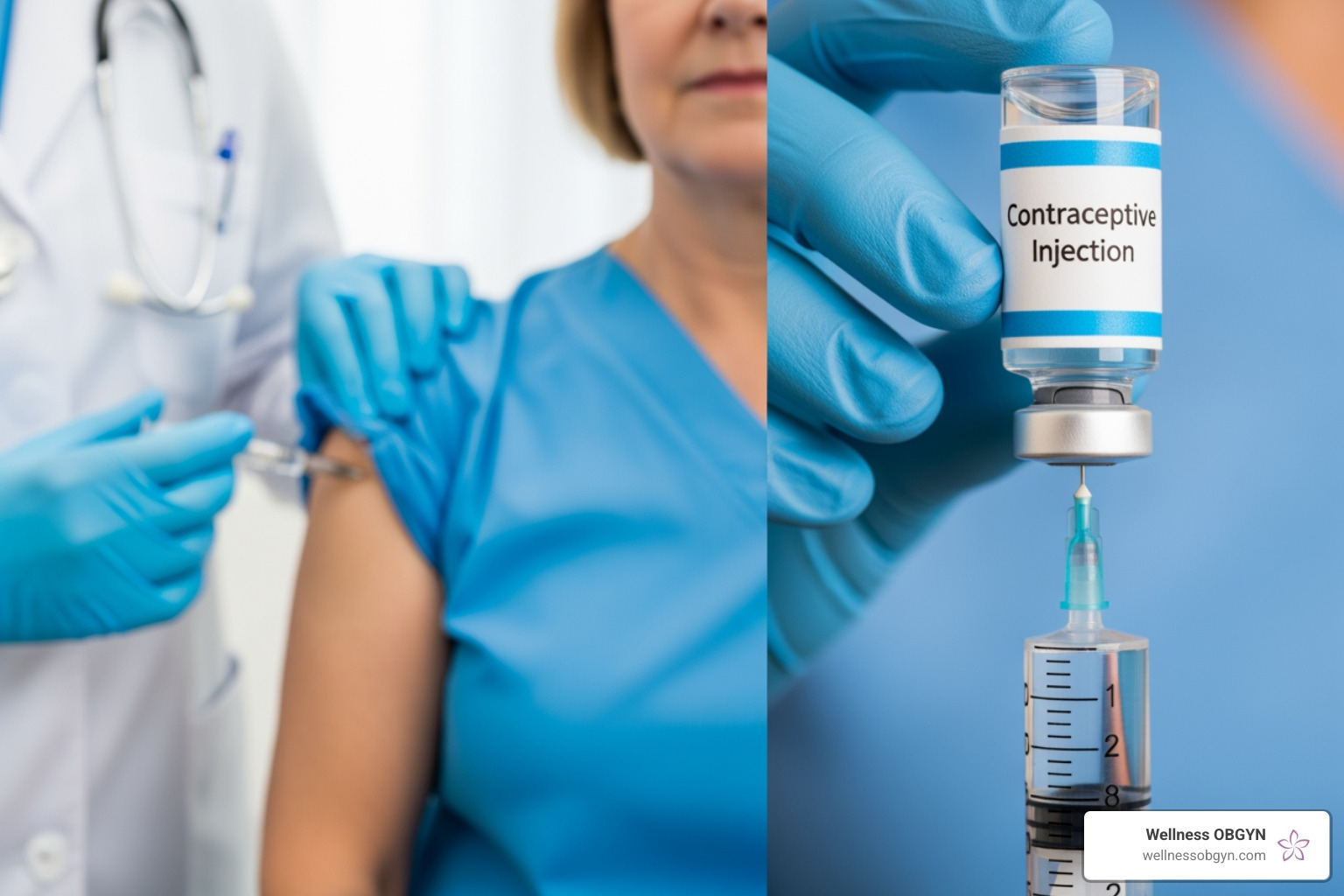
- DMPA-IM (Intramuscular Injection): This is the traditional method, where a healthcare professional administers a 150 mg dose of DMPA into a muscle, usually in your arm or buttocks. This is the most common form, often known by its brand name, Depo-Provera. You’ll visit our clinic in Honolulu for this quick appointment every 12 to 13 weeks.
- DMPA-SC (Subcutaneous Self-Injection): There’s also a lower-dose version (104 mg) that can be injected just under the skin, called Depo-SubQ Provera 104. The exciting part about this option is that, after proper training from a healthcare provider, some women can administer it themselves at home! This offers a fantastic level of convenience and privacy, allowing you to manage your contraception on your own schedule after your initial consultation.
Both forms are highly effective when used correctly and on time. The choice between DMPA-IM and DMPA-SC often comes down to personal preference and whether you’re comfortable with self-injection. We’re here to discuss both options and help you decide which one is the best fit for your lifestyle. For more insights into planning your family and contraceptive choices, check out our resources on Family Planning Made Easy: Tips for Conception and Reproductive Health.
Effectiveness and Reliability
Let’s talk numbers, because when it comes to birth control, effectiveness is key! Injectable birth control is renowned for its high efficacy, making it a popular choice for many.
- Perfect Use: With perfect use, meaning you get your shot exactly on time every 12-13 weeks without fail, the injectable birth control is incredibly effective – up to 99% at preventing pregnancy. This means that fewer than 1 in 100 users will become pregnant in a year.
- Typical Use: But let’s be real, we’re all human. Sometimes, life happens, and you might be a little late for your appointment. With typical use, which accounts for these small inconsistencies, the effectiveness is still very high, around 94%. This means about 4 in 100 users might get pregnant each year. While this is slightly lower than perfect use, it’s still considered a very effective method compared to many other contraceptive options.
The Centers for Disease Control and Prevention (CDC) reports a typical use failure rate of 4% for the DMPA shot when used once every 12 weeks typical use failure rate. This makes it a reliable choice for preventing unintended pregnancies.
Here’s a quick comparison:
| Usage Type | Effectiveness | Annual Pregnancy Rate |
|---|---|---|
| Perfect Use | 99% | <1 in 100 |
| Typical Use | 94% | 4 in 100 |
This high level of effectiveness, combined with the convenience of a quarterly injection, is why many women in Honolulu choose the birth control shot.
Benefits and Potential Side Effects of Injectable Birth Control
Choosing a birth control method is a very personal decision, and understanding both the upsides and potential downsides of injectable birth control is crucial. We want you to feel fully informed and confident in your choice.
The Perks of the Shot
Many women find the benefits of the birth control shot truly liberating:
- A “Set It and Forget It” Approach (Mostly): One of the biggest advantages is that you don’t have to think about contraception daily or even weekly. Just one shot every three months, and you’re good to go! This makes it ideal for busy individuals or those who might struggle to remember daily pills.
- Potential for Amenorrhea (No Periods!): For many users, a wonderful side effect is the cessation of menstrual periods. After a year of use, about 55% of users will stop getting their periods 55%. Imagine a life without monthly periods, period pain, or the need for menstrual products! While not medically necessary to have a period every month, this can be a huge relief for many.
- Relief from Endometriosis and Menstrual Cramps: If you suffer from conditions like endometriosis, severe menstrual cramps, or even PMS, the shot can offer significant relief by suppressing ovulation and reducing uterine lining growth.
- Reduced Risk of Certain Cancers: Studies have shown that injectable birth control can lower your risk of endometrial and ovarian cancer. That’s a pretty fantastic bonus!
- Estrogen-Free Option: Because it’s a progestin-only method, it’s a safe option for women who cannot use estrogen-containing contraceptives due to certain health conditions, like a history of blood clots or specific types of migraines.
- Privacy: Since it’s a discreet injection, it’s not something you have to remember to take in front of others, offering a level of privacy some people prefer.
The Potential Downsides
Like any medication, injectable birth control can come with some potential side effects. It’s important to be aware of these so you can make an informed decision and know what to expect.
- Changes in Menstrual Cycles: This is the most common side effect, especially in the first few months. You might experience irregular bleeding, spotting, or prolonged bleeding before your periods potentially stop altogether. While this can be frustrating initially, it often settles down over time.
- Weight Gain: Some women experience weight gain while using the shot. In one study, users gained about 5 pounds after one year of use one study. However, not everyone will gain weight, and discussing concerns about weight management with us is always an option.
- Mood Changes: While less common, some individuals report mood changes, including feelings of depression or anxiety. If you have a history of depression, it’s important to discuss this with us.
- Headaches and Other Hormonal Effects: Other potential side effects can include headaches, dizziness, breast tenderness, and a decreased libido.
- Bone Mineral Density (BMD) Loss: This is a significant consideration, particularly with long-term use. The DMPA shot can lead to a temporary decrease in bone mineral density. The FDA includes a black box warning about this, advising that it’s not recommended as a long-term (over 2 years) birth control method unless other options are inadequate black box. However, organizations like the American College of Obstetricians and Gynecologists (ACOG) and the World Health Organization (WHO) state that the benefits often outweigh the theoretical fracture risk, and that bone density usually recovers after discontinuation American College of Obstetricians and Gynecologists (ACOG), World Health Organization (WHO). We will carefully assess your individual risk factors and discuss this in detail.
- Delay in Return to Fertility: While reversible, it can take some time for your fertility to return after stopping the shot. On average, it takes about 10 months to conceive after your last injection 10 months on average.
We understand that these potential side effects can sound daunting, but many women use injectable birth control successfully with minimal issues. Our team at Wellness OBGYN in Honolulu is here to discuss your personal health history, concerns, and help you weigh the pros and cons. We believe in providing personalized women’s healthcare, addressing any female reproductive health issues you may have.
Managing Side Effects of Injectable Birth Control
Experiencing side effects can be a bummer, but often, there are ways to manage them or mitigate their impact. Here’s how we can work together to make your experience with injectable birth control as smooth as possible:
- For Irregular Bleeding: Often, irregular bleeding or spotting subsides after the first few months. If it’s persistent or bothersome, we can discuss options. Sometimes, a short course of medication can help regulate the bleeding. The good news is that for many, periods eventually stop altogether, which is a major plus!
- For Bone Mineral Density Concerns: To support your bone health while using the shot, we recommend a few proactive steps:
- Calcium Intake: Ensure you’re getting enough calcium through your diet (dairy, leafy greens, fortified foods) or supplements.
- Vitamin D: Vitamin D is crucial for calcium absorption, so make sure your levels are adequate.
- Weight-Bearing Exercise: Regular physical activity, especially weight-bearing exercises like walking, jogging, or lifting weights, helps maintain bone strength.
- Bone Health Monitoring: If you’re considering long-term use (beyond two years), we may recommend bone density monitoring to keep an eye on your bone health. We will discuss this thoroughly and, if needed, explore alternative birth control methods or strategies to support bone density if you wish to continue two years.
- For Weight Gain: If you’re concerned about weight gain, we can work with you on dietary adjustments and exercise routines. Not everyone experiences significant weight gain, and maintaining a healthy lifestyle is beneficial regardless of your birth control choice.
- For Mood Changes: If you notice shifts in your mood, please tell us. Your mental well-being is just as important as your physical health. We can explore strategies, and if necessary, consider alternative contraceptive methods that might be a better fit for your emotional health.
Our goal at Wellness OBGYN is to support your overall women’s wellness clinic journey, ensuring your birth control method contributes positively to your health and happiness.
Starting Your Journey: Timing and Schedule
Getting started with injectable birth control is a straightforward process, but understanding the timing is key to ensuring immediate and effective pregnancy prevention.
The First Shot
The timing of your first injection determines whether you need backup contraception:
- During Your Period: If you receive your first shot within the first 5 to 7 days of your menstrual period starting, you are typically protected from pregnancy right away. No backup contraception needed – you’re good to go!
- Any Other Time: If you get your first shot at any other time in your menstrual cycle, we’ll ask you to use a backup method of contraception, like condoms, for the first 7 days after the injection. After that week, the shot will be fully effective. We can help you track this easily.
The Ongoing Schedule
The magic of injectable birth control is its long-lasting nature. You’ll need to return to our clinic in Honolulu for a new injection every 12 to 13 weeks. That’s roughly every three months, or four times a year. This consistent schedule is vital for maintaining its high effectiveness. We can help you remember your appointments with handy reminders, or you can use a birth control reminder app to keep track birth control reminder app.
Postpartum and Breastfeeding Initiation
The injectable birth control shot is a safe and popular option for new mothers:
- Postpartum Non-Breastfeeding: If you are not breastfeeding, you can typically receive your first injection within the first 21 days after childbirth without needing backup contraception.
- Postpartum Breastfeeding: For breastfeeding mothers, it’s generally recommended to wait until at least 6 weeks postpartum before starting the injection. This is to ensure your milk supply is well established. The progestin in the shot is considered safe for both you and your baby and won’t harm your milk supply.
Our annual OBGYN visit is a perfect time to discuss your contraceptive needs and ensure your method is still the best fit for your life stage Annual OBGYN Visit.
Long-term Considerations for Injectable Birth Control
While the quarterly convenience of injectable birth control is a huge draw, it’s wise to consider the long game. We’ll always discuss your long-term health and family planning goals to ensure this method remains the right choice for you.
- Return to Fertility: One common question we hear is, “How quickly can I get pregnant after stopping the shot?” The good news is that injectable birth control is reversible. However, it does take time for your body to clear the hormone and for your natural fertility to return. On average, it takes about 10 months to conceive after your last injection 10 months. It’s important to factor this into your family planning timeline if you’re thinking about future pregnancies.
- Two-Year Usage Limit and Bone Health: As mentioned earlier, there’s a recommendation to limit continuous use of the DMPA shot to about two years. This is due to concerns about potential bone mineral density (BMD) loss two years. While ACOG and WHO suggest that the benefits often outweigh the theoretical fracture risk and that bone density typically recovers after discontinuation, we take this seriously. If you wish to continue using the shot beyond two years, we’ll have a detailed conversation about your individual risk factors for osteoporosis, discuss bone density testing, and explore strategies to support your bone health. Sometimes, switching to a different method for a period might be recommended.
- Overall Health Check-ups: Regular check-ups with us are crucial to monitor your overall health while on injectable birth control. We’ll keep an eye on any potential side effects like weight changes or mood shifts and ensure the shot continues to be a safe and effective option for you.
Our commitment is to provide personalized women’s healthcare, guiding you through these decisions with care and expertise.
Frequently Asked Questions about the Birth Control Shot
We know you have questions, and we’re here to answer them! Here are some of the most common inquiries we receive about injectable birth control.
Does the injection protect against STIs?
This is a really important question, and the answer is a clear no. While injectable birth control is incredibly effective at preventing pregnancy, it offers absolutely no protection against sexually transmitted infections (STIs), including HIV.
This is why we strongly advocate for dual protection. If you are sexually active and not in a mutually monogamous relationship with a tested partner, we recommend using condoms consistently and correctly every time you have sex. Condoms are the only form of contraception that can protect against STIs. By combining the birth control shot with condoms, you get the best of both worlds: highly effective pregnancy prevention and crucial STI protection. Think of it as a dynamic duo working together for your health!
What happens if I miss my injection?
Life gets busy, and sometimes, despite our best efforts, an appointment can slip through the cracks. If you’re late for your injectable birth control shot, don’t panic, but do act quickly!
- The Grace Period: Most providers consider a “grace period” for the injection. Generally, you can receive your shot up to 2 weeks late (meaning up to 15 weeks from your last injection) without needing additional contraceptive protection. If you’re within this 15-week window, just come in as soon as possible for your shot.
- Beyond the Grace Period: If it’s been more than 15 weeks since your last injection, you might not be protected from pregnancy. In this case, we recommend:
- Contact Us Immediately: Call our Honolulu clinic, and we’ll advise you on the next steps.
- Use Backup Contraception: Start using a backup method, like condoms, right away.
- Pregnancy Test: We’ll likely ask you to take a pregnancy test before administering your next shot to ensure you’re not pregnant.
- Emergency Contraception: If you’ve had unprotected sex within the last 5 days (120 hours) since missing your shot, we might discuss emergency contraception (EC) options.
The key is open communication with us. We’re here to help you stay protected and healthy, no matter what curveballs life throws your way.
Can I use the shot while breastfeeding?
Yes, absolutely! Injectable birth control is a safe and excellent option for many breastfeeding mothers. Because it is a progestin-only method, it does not contain estrogen, which can sometimes interfere with milk supply.
- Timing is Key: We generally recommend waiting until your baby is at least 6 weeks old before starting the injection if you are exclusively breastfeeding. This allows your milk supply to become well established.
- No Harm to Baby: Rest assured, the small amount of progestin that may pass into breast milk is not considered harmful to your baby. Studies have shown no adverse effects on infant health or development.
- Convenience for New Moms: For new mothers juggling the demands of a newborn, the quarterly injection can be a huge convenience, eliminating the need to remember a daily pill.
We’ll discuss your individual situation, including your breastfeeding goals and health history, to ensure injectable birth control is the best choice for you and your baby.
Conclusion
The injectable birth control shot offers a compelling blend of high effectiveness and remarkable convenience, making it a “three-month freedom pass” for many women seeking reliable pregnancy prevention. From its clever triple-action mechanism to its suitability for breastfeeding mothers, it provides a valuable option in the diverse landscape of contraception. While it comes with considerations like potential menstrual changes and bone density concerns, these are manageable with informed care and proactive discussions.
At Wellness OBGYN in Honolulu, we believe that your contraceptive choice should align perfectly with your lifestyle, health goals, and overall well-being. As Dr. Cheryl Twu, I am committed to providing personalized women’s healthcare, offering expert, compassionate care from adolescence through menopause. We emphasize patient-centered care and shared decision-making, ensuring you have all the information and support needed to make choices that improve your health and happiness.
Whether you’re exploring injectable birth control for the first time, considering a switch, or simply have questions about your reproductive health, our team is here for you. We invite you to connect with us to discuss your options and start on a path to optimal health. Your journey to wellness is our priority.
Learn more about female reproductive health issues and how we can support you.