
When Chronic Vulvar Pain Won’t Go Away: What You Need to Know
Vulvodynia treatment options range from simple self-care measures to advanced medical therapies — and finding the right combination can make a real difference in your quality of life.
Quick Overview: Main Vulvodynia Treatment Options
| Treatment Category | Examples |
|---|---|
| Topical medications | Lidocaine ointment, estrogen cream, nerve stabilizers |
| Oral medications | Tricyclic antidepressants (amitriptyline), anticonvulsants (gabapentin) |
| Physical therapy | Pelvic floor rehab, biofeedback, vaginal dilators |
| Psychological support | Cognitive behavioral therapy (CBT), sex therapy |
| Nerve-targeted therapies | Nerve blocks, TENS, botulinum toxin injections |
| Surgery | Vestibulectomy (for localized, refractory cases) |
| Lifestyle measures | Irritant avoidance, cotton underwear, sitz baths, stress reduction |
Vulvodynia is defined as chronic pain in the vulva lasting at least three months with no clear identifiable cause. It is the most common cause of painful intercourse among women in their reproductive years — yet it is frequently misdiagnosed or dismissed entirely.
The pain can feel like burning, stinging, stabbing, or rawness. It can be constant or triggered by touch. It can make sitting at a desk, exercising, or being intimate nearly impossible. For many women, it also takes a quiet but serious toll on mental health, relationships, and self-confidence.
The frustrating reality? There is no single fix. Most women need a combination of treatments, and it can take months to find what works. But — and this is important — most women do improve with the right care.
I’m Dr. Cheryl Twu, a board-certified OB-GYN at Wellness OBGYN in Honolulu, and my integrative background in both Western medicine and Eastern approaches shapes how I guide patients through the full landscape of vulvodynia treatment options. In this guide, I’ll walk you through everything from diagnosis to the most current therapies so you can move forward with clarity and confidence.
Vulvodynia treatment options terms to remember:
Understanding Vulvodynia and Its Impact
To find the best vulvodynia treatment options, we first have to understand what we are dealing with. Vulvodynia isn’t a single “thing” that looks the same for everyone. It is classified based on where it hurts and what triggers the pain.
Generalized vs. Localized Pain
- Generalized Vulvodynia: The pain occurs in different areas of the vulva at different times. It can be constant or come and go, but it isn’t limited to one specific spot.
- Localized Vulvodynia (Vestibulodynia): The pain is at one specific site. Most commonly, this is the “vestibule,” which is the tissue surrounding the opening of the vagina.
Provoked vs. Spontaneous Symptoms
- Provoked Pain: This is triggered by touch or pressure. This might happen during sexual intercourse (dyspareunia), when inserting a tampon, during a pelvic exam, or even when wearing tight jeans.
- Spontaneous Pain: This occurs without any touch or trigger. You might be sitting at your desk or lying in bed when the burning or stabbing sensations begin.
The impact on daily life is often profound. Beyond the physical discomfort, the International Consultation on Sexual Medicine notes that vulvodynia is a major cause of sexual dysfunction. It can lead to significant psychological distress, including anxiety and depression, because the pain is “invisible” and often misunderstood by partners or even other healthcare providers.
How Vulvodynia is Diagnosed
Diagnosis is a process of exclusion. This means we have to rule out other identifiable causes of vulvar pain—like active infections (yeast, BV, or STIs), skin conditions (like lichen sclerosus), or hormonal deficiencies—before we can officially call it vulvodynia.
At our Honolulu clinic, we start with a thorough medical and sexual history. We want to know when the pain started, what it feels like, and what makes it better or worse.
The Cotton Swab Test
The “gold standard” for identifying localized pain is the cotton swab test (or point-pressure testing). We use a moistened cotton swab to gently touch various areas of the vulva and vestibule. We ask you to rate the pain at each spot. This helps us determine if the pain is localized or generalized and how sensitive the nerves have become.
Pelvic Floor Assessment
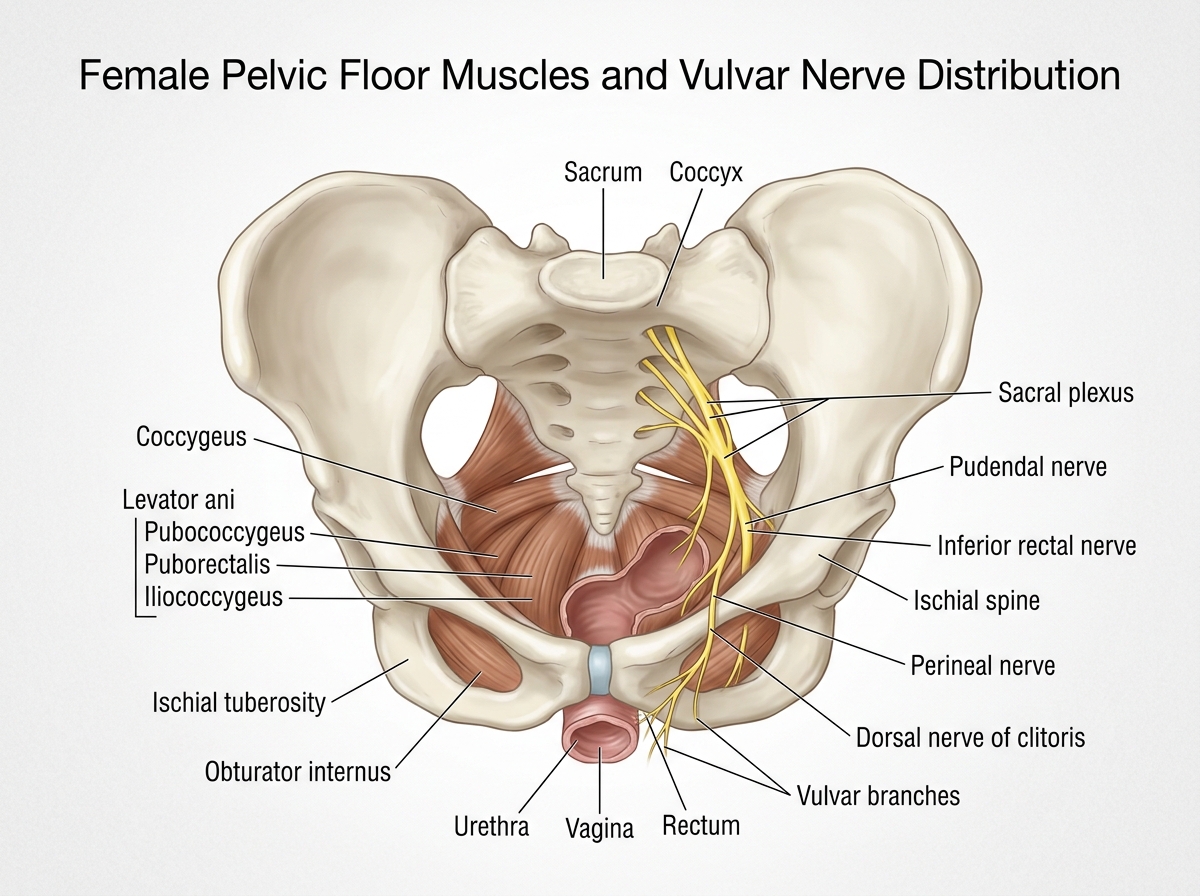
We also perform a musculoskeletal exam. Many women with vulvodynia have “hypertonic” pelvic floor muscles—meaning the muscles are constantly tight or in spasm. This tension can contribute to the pain cycle. Understanding the state of your pelvic muscles is vital for choosing the right female pelvic floor therapy later on.
Topical Vulvodynia Treatment Options
Topical treatments are often a first-line defense because they deliver medication directly to the painful site with fewer systemic side effects.
- Lidocaine 5% Ointment: This is a local anesthetic. Applying it 30 minutes before intercourse or nightly can help “quiet” overactive pain fibers. Interestingly, some studies show a high placebo effect with lidocaine, but many patients find it provides essential temporary relief.
- Hormone Creams: If there is evidence of tissue thinning (atrophy), topical estrogen or testosterone creams can strengthen the skin.
- Compounded Medications: We often work with compounding pharmacies to create creams containing nerve stabilizers like gabapentin or amitriptyline. Using an ointment base rather than a cream can reduce the “burning” sensation some women feel with standard preparations.
Surgical Vulvodynia Treatment Options
Surgery is never the first step. However, for women with localized provoked vestibulodynia who have failed all other non-surgical treatments, surgery can be highly effective.
- Vestibulectomy: This involves removing the painful tissue of the vaginal vestibule and replacing it with healthy vaginal lining (vaginal advancement).
- Success Rates: According to ACOG Committee Opinion No. 673, success rates for vestibulectomy range between 60% and 90%.
We generally recommend treating any associated pelvic floor muscle spasms (vaginismus) before considering surgery to ensure the best possible outcome.
Advanced Medical and Multidisciplinary Strategies
When topical treatments aren’t enough, we may move to oral medications or injectable therapies.
| Treatment | How It Works | Common Use |
|---|---|---|
| Tricyclic Antidepressants | Amitriptyline or Nortriptyline; blocks pain signals in the brain/nerves. | Generalized pain; start low and titrate up. |
| Anticonvulsants | Gabapentin or Pregabalin; stabilizes overactive nerve cells. | Neuropathic (nerve) pain. |
| Nerve Blocks | Injections of anesthetic/steroid near the pudendal nerve. | Severe, localized pain flares. |
| Botox Injections | Relaxes pelvic floor muscles in chronic spasm. | When PT alone isn’t breaking the muscle tension. |
Physical Therapy as Part of Vulvodynia Treatment Options
We cannot overstate the importance of female pelvic floor therapy. A specialized physical therapist can help you:
- Identify and release trigger points in the pelvic muscles.
- Use biofeedback to learn how to consciously relax muscles that are stuck in a “guarding” position.
- Use vaginal dilators at home to slowly desensitize the area and stretch tight tissues.
Holistic and Alternative Pain Management
Because chronic pain affects the whole person, holistic strategies are essential components of vulvodynia treatment options.
- Cognitive Behavioral Therapy (CBT): Research shows CBT is associated with a 30% decrease in reported vulvar pain during intercourse. It helps you manage the “pain-anxiety-pain” cycle and provides tools for coping with a chronic condition.
- TENS (Transcutaneous Electrical Nerve Stimulation): A small study of 40 women showed improved pain and sexual function using TENS, which uses low-voltage electrical currents to scramble pain signals.
- Acupuncture: While more research is needed, many of our patients in Honolulu find that acupuncture helps reduce systemic inflammation and stress.
- Dietary Adjustments: Some women find relief by following a low-oxalate diet (reducing foods like spinach, beets, and nuts) and taking calcium citrate, though the evidence for this is mixed.
- Yoga and Mindfulness: Stress is a known trigger for pain flares. Gentle yoga focused on pelvic opening can be incredibly therapeutic.
Frequently Asked Questions about Vulvodynia
How long does it take for treatments to work?
Patience is key. It typically takes weeks to months to see significant improvement. Nerve-stabilizing medications often require 3–4 weeks just to start working, and physical therapy is a gradual process of retraining the body.
Is surgery the only way to fix vulvodynia?
Absolutely not. Surgery is reserved for a very specific subset of patients (localized pain) and only after other options have failed. Most women find relief through a combination of medications, therapy, and lifestyle changes.
Can lifestyle changes alone manage the pain?
For some with very mild symptoms, yes. Switching to 100% cotton underwear, using dermatologically “safe” laundry detergents, and avoiding irritants like douching or scented soaps can make a big difference. However, for most, lifestyle changes are a support to medical treatment, not a replacement.
Conclusion: Personalized Care in Honolulu
At Wellness OBGYN, we believe that no woman should have to “just live with” chronic pelvic or vulvar pain. Under the guidance of our expert team, including specialists like Dr. Aya Sultan with over 20 years of experience, we provide a safe space to discuss these intimate concerns.
If you are ready to take the first step toward reclaiming your comfort and confidence, schedule a consultation at our female sexual health clinic today. You don’t have to navigate this journey alone.