
You’re Not Alone in This Journey
Postpartum depression self-care is essential for healing after childbirth. Many new mothers struggle with feelings that go beyond the typical “baby blues,” but recovery is possible with the right self-care, professional support, and time.
Essential Postpartum Depression Self-Care Strategies:
- Prioritize rest – Sleep when your baby sleeps, ask for help with night feedings
- Nourish your body – Eat balanced meals, stay hydrated, keep healthy snacks nearby
- Move gently – Take short walks, try postpartum yoga, listen to your body
- Practice mindfulness – Use deep breathing, meditation, or warm baths for relaxation
- Set realistic expectations – Let go of perfectionism, celebrate small wins
- Stay connected – Reach out to friends, family, or support groups
- Seek professional help – Talk to your doctor about therapy or medication options
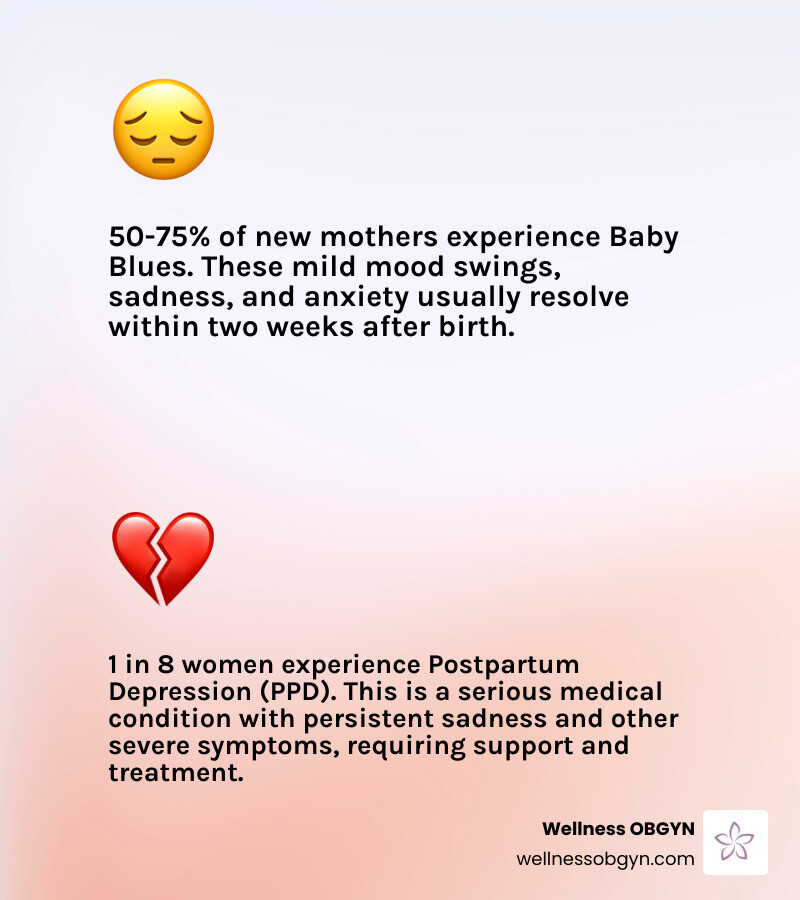
As many as 1 in 8 women experience postpartum depression, making it a common complication of pregnancy. The changes of new motherhood can be overwhelming, but PPD is a medical condition, not a character flaw. It’s also completely normal if bonding with your baby isn’t immediate.
The good news is that postpartum depression is highly treatable. With proper postpartum depression self-care, support, and professional treatment, most women recover fully.
I’m Dr. Cheryl Twu, founder of Wellness OBGYN in Honolulu. For over a decade, I’ve helped women steer their reproductive health, including postpartum depression self-care and recovery. Our integrative approach combines evidence-based medicine with holistic wellness strategies to support your complete healing.
Is It the “Baby Blues” or Postpartum Depression?
The first weeks home with a new baby are an emotional rollercoaster. It’s normal to wonder: “Is this just the baby blues, or could it be something more?”
Understanding the difference is crucial because postpartum depression self-care and treatment vary. Recognizing the signs early helps you get the support you need.
Baby blues affect up to 75% of new mothers, appearing a few days after delivery. Symptoms include mood swings, tearfulness, and anxiety, usually resolving within two weeks. They are a natural response to hormonal shifts and sleep deprivation and don’t typically interfere with your ability to care for your baby.
Postpartum depression (PPD) is a serious medical condition affecting as many as 1 in 8 women. It can begin anytime in the first year after birth. Unlike baby blues, PPD symptoms are more intense, last longer than two weeks, and significantly impact your daily life.
Untreated PPD has serious consequences. For mothers, it can lead to persistent fatigue and trouble caring for the baby. The effects of perinatal mental disorders on the fetus and child show that babies can also experience developmental delays and bonding difficulties.
Here’s how to tell the difference:
| Feature | Baby Blues | Postpartum Depression (PPD) |
|---|---|---|
| Symptoms | Mood swings, sadness, anxiety, irritability, crying spells, feeling overwhelmed | Persistent sadness, hopelessness, severe mood swings, intense anger, difficulty bonding, appetite/sleep changes, overwhelming fatigue, guilt, thoughts of harm |
| Severity | Mild to moderate | Moderate to severe |
| Duration | Starts within a few days, typically resolves within 2 weeks | Lasts longer than 2 weeks, can persist for months without treatment |
| Impact | Doesn’t significantly interfere with daily functioning | Significantly interferes with daily tasks and baby care |
| When to Seek Help | If symptoms last longer than 2 weeks or worsen | Immediately, especially if thoughts of self-harm occur |
Key Symptoms of Postpartum Depression (PPD)
If you recognize these symptoms, know it’s not your fault. PPD is a medical condition.
- Persistent sadness or emptiness that doesn’t lift.
- Loss of interest or pleasure in activities you once enjoyed, including time with your baby.
- Severe mood swings, intense irritability, or anger that feels out of character.
- Difficulty bonding with your baby, feeling detached or resentful. This is a symptom of PPD, not a reflection of your love.
- Withdrawing from family and friends.
- Changes in appetite or sleep patterns, like insomnia even when the baby is sleeping.
- Overwhelming fatigue beyond normal new-parent tiredness.
- Feelings of worthlessness or excessive guilt.
- Trouble concentrating or making decisions.
- Thoughts of harming yourself or your baby. If you have these thoughts, seek help immediately.
Common Risk Factors and Causes
While the exact cause is unknown, several factors can increase your risk. Awareness helps you stay vigilant about your postpartum depression self-care.
- Hormonal changes: The Role of Reproductive Hormones in Postpartum Depression is significant, as estrogen and progesterone levels drop dramatically after birth.
- History of depression or anxiety: A personal or family history increases risk.
- Lack of sleep: Sleep deprivation can worsen depression and anxiety.
- Stressful life events: Financial problems, relationship issues, or loss can overwhelm your resources.
- A difficult birth experience or trauma.
- Lack of social support: Isolation can make new motherhood feel overwhelming.
- Thyroid imbalances: These can mimic depression symptoms and should be checked by your doctor.
- Breastfeeding challenges or having a baby with special needs can add significant stress.
Your Essential Postpartum Depression Self-Care Toolkit
Taking care of yourself as a new mother isn’t selfish—it’s essential. Postpartum depression self-care is the foundation of your recovery. When you’re struggling with PPD, self-care isn’t a luxury; it’s medicine.
At Wellness OBGYN, we believe in a Holistic Approach to Women’s Health, where your physical, emotional, and mental well-being are connected. The good news is that self-care can be simple, achievable, and inexpensive.

Prioritizing Physical Postpartum Depression Self-Care
Nurturing your body is fundamental to recovery. Even small changes can make a big difference.
Rest and Sleep
This is the hardest but most important part of postpartum depression self-care. Sleep deprivation worsens depression. Prioritize ‘sleeping when the baby sleeps.’ Even a 20-minute nap is more important than chores. Create a restful environment and don’t be afraid to ask for help with night feedings to get a longer stretch of sleep. Making sleep a priority is essential for recovery.
Nourishing Your Body
Fueling your body with nutritious food is vital. Focus on lean proteins, fresh fruits, vegetables, and whole grains. Keep healthy snacks easily accessible like nuts, yogurt, or fruit to prevent energy crashes. Staying hydrated is also important, as dehydration can increase fatigue. The foundation of good nutrition, as discussed in topics like Menopause and Diet, applies here too.
Gentle Movement
Once your doctor clears you, gentle movement can boost your mood. This doesn’t mean a marathon. Short walks with your baby or postpartum yoga are perfect. The key is to listen to your body and do what feels comfortable.
Emotional and Mental Postpartum Depression Self-Care
Caring for your emotional health is just as crucial for developing coping strategies.
Practice Mindfulness and Relaxation
Deep breathing exercises can calm anxiety. Guided meditation, even for five minutes, can help you feel centered. Taking warm baths or using aromatherapy with lavender can reduce stress. If you’re short on time, try these quick 5-minute relaxation techniques: box breathing, the 5-4-3-2-1 grounding technique, or progressive muscle relaxation.
Set Realistic Expectations
Letting go of perfectionism is a gift to yourself. It’s okay to struggle, and it’s important to celebrate small victories, like taking a shower. Healing isn’t linear; you’ll have good days and tough days. Every step forward is progress.
Engage in Hobbies
Maintaining your identity outside of motherhood is vital. Reconnect with activities you enjoy, even for 10-15 minutes. This could be reading, listening to music or podcasts, or journaling. Finding small ways to weave in personal time helps you feel more like yourself.
When to Seek Professional Help
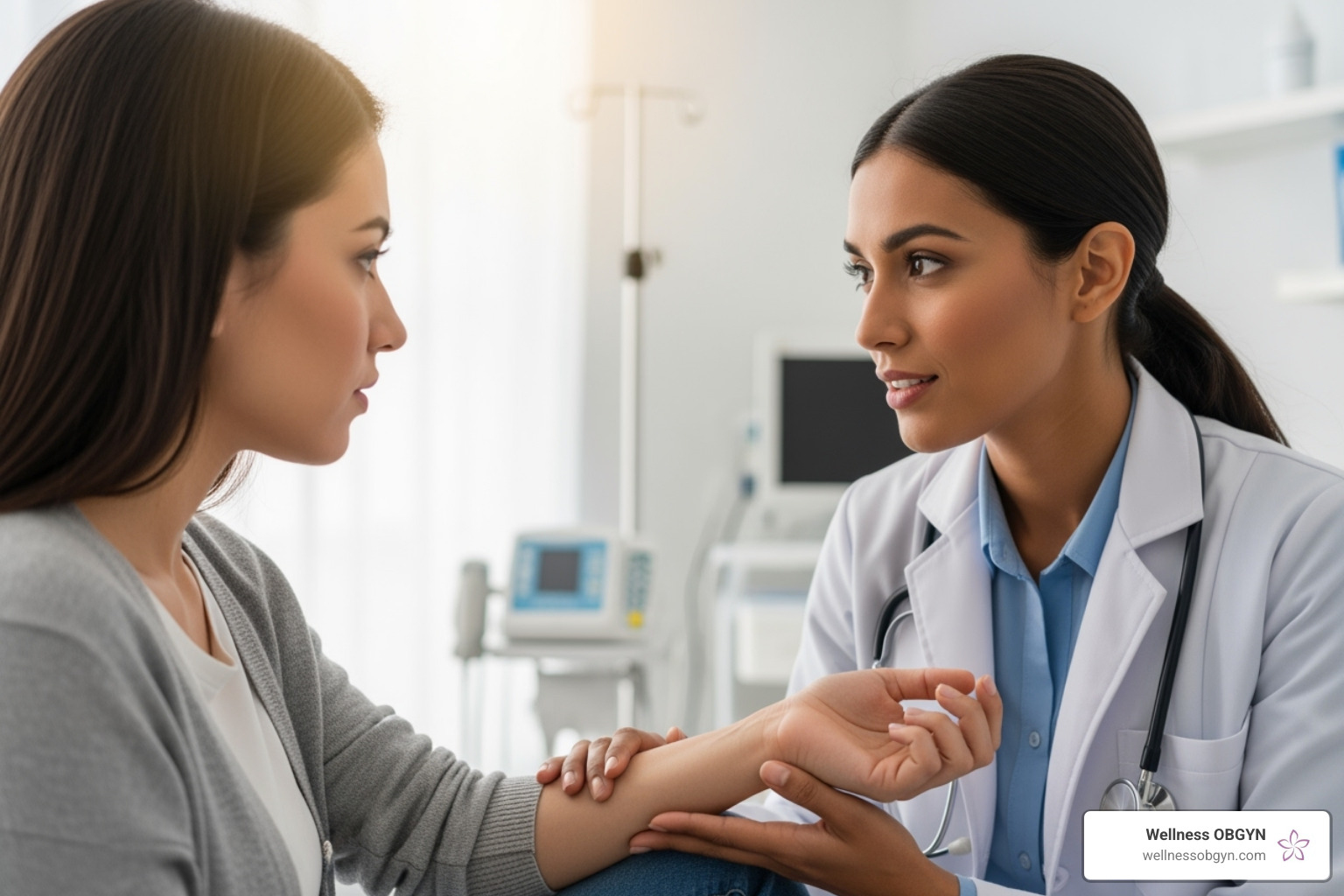
While postpartum depression self-care is foundational, sometimes it isn’t enough. Recognizing this is a crucial step in your healing, not a failure. If your symptoms last over two weeks, feel overwhelming, or interfere with your ability to care for yourself or your baby, it’s time to seek professional support.
If you have thoughts of harming yourself or your baby, please seek immediate help. These are serious symptoms of PPD.
At Wellness OBGYN, we know that seeking help is a sign of strength. The [Identification of Postpartum Depression](https://www.ncbi.nlm.nih.gov/pmc/articles/PMC2736559/) by a healthcare professional is essential for getting the right care. Your mental health deserves the same attention as your physical health.
Professional Treatment Options
Postpartum depression is highly treatable with several effective approaches.
Therapy
Talking with a mental health professional can provide tremendous relief.
- Cognitive Behavioral Therapy (CBT) helps you identify and shift negative thought patterns.
- Interpersonal Therapy (IPT) focuses on improving relationships and navigating the life changes of motherhood.
Look for a therapist who specializes in perinatal mental health for the best support.
Medication
For moderate to severe PPD, medication can be an important part of recovery. Many antidepressants are safe for breastfeeding mothers, but always discuss options with your provider. Breakthrough treatments like Brexanolone (an IV medication) and Zuranolone (the first oral medication specifically for PPD) also offer faster relief. In some cases, addressing hormonal imbalances with treatments like [Hormone Replacement Therapy Hawaii](https://wellnessobgyn.com/hormone-replacement-therapy-hawaii/) can support recovery.
Support Groups
Connecting with other mothers who have experienced PPD provides comfort, practical tips, and hope. These groups, available both locally and online, remind you that you’re not alone and your feelings are valid.
The Importance of Your Postpartum Checkup
Don’t skip your postpartum appointments. They are a crucial opportunity to discuss your mental health with your OBGYN. The first checkup should happen [between 6 weeks and 6 months after birth](https://www.acog.org/womens-health/experts-and-stories/the-latest/what-to-expect-at-a-postpartum-checkup-and-why-the-visit-matters#:~:text=The%20first%20checkup%20should%20be,to%2010%20days%20after%20birth.), but don’t wait if you’re struggling. Just like your [Annual OBGYN Visit](https://wellnessobgyn.com/annual-obgyn-visit/), this checkup is a cornerstone of your recovery.
How Partners and Loved Ones Can Provide Support
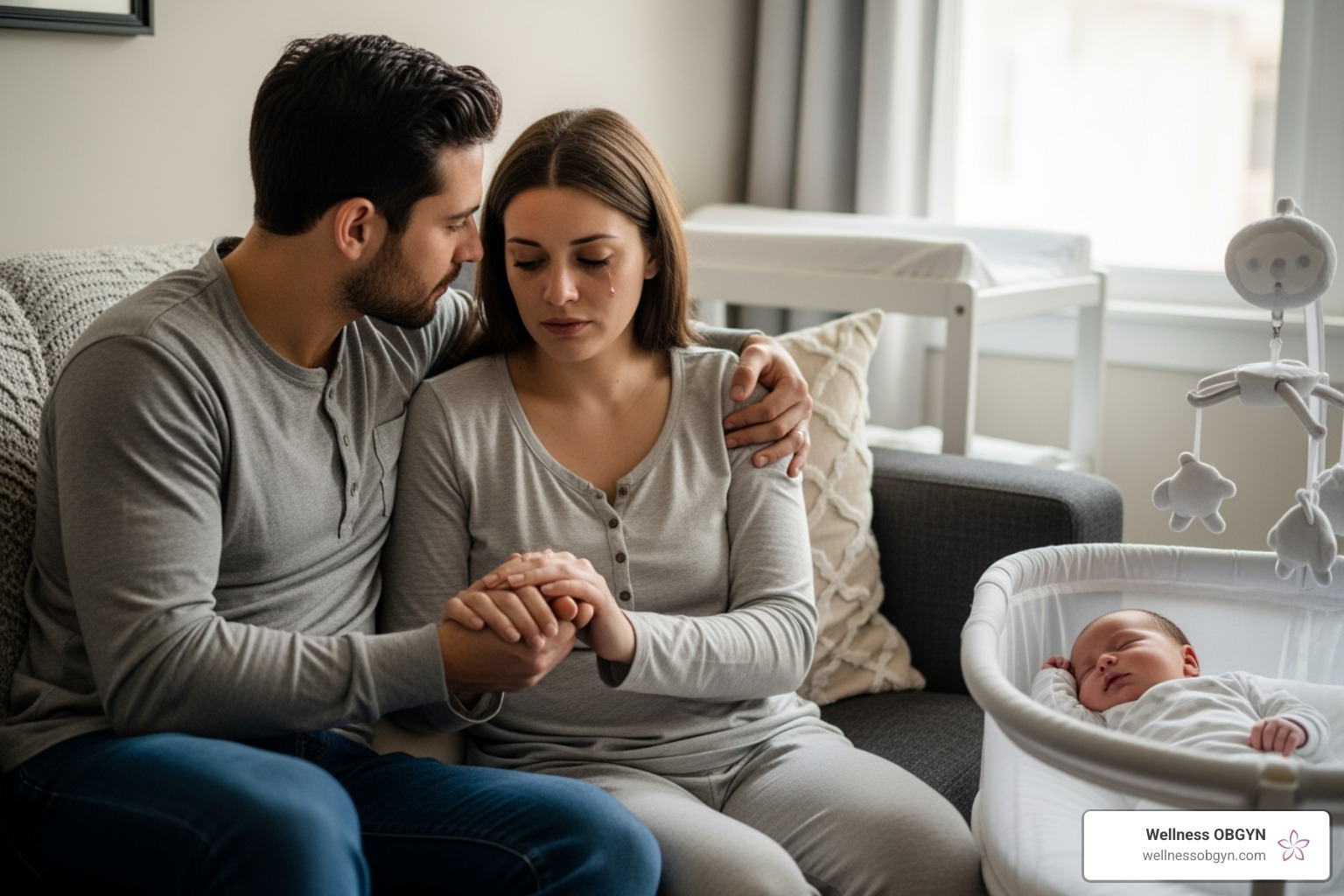
When someone you love has postpartum depression, your support can make all the difference. The path through postpartum depression self-care isn’t meant to be walked alone. Supporting a loved one is about showing up with patience, understanding, and practical help.
Practical and Emotional Support
- Listen Without Judgment: Create a safe space for her to share feelings without criticism. PPD is a medical condition, and being heard is healing.
- Offer Practical Help: Be specific. Instead of “Let me know if you need anything,” say “Can I take the baby for a walk so you can rest?” Help with chores, errands, and baby care without being asked.
- Encourage Professional Help: Gently suggest she talk to her doctor. Offer to help find resources or make appointments. Seeking help is a sign of strength.
- Educate Yourself: Learn about PPD’s symptoms, causes, and treatments to provide more empathetic support.
Reconnecting and Intimacy
PPD can strain relationships, but with patience and understanding, couples can steer this time. Her recovery must come first.
Rebuild emotional connection through small, consistent actions like spending quality time together. Talk openly about your feelings and concerns.
Frequently Asked Questions about Postpartum Wellness
Here are some common questions we hear at Wellness OBGYN.
How long does postpartum depression last?
The duration varies. Untreated, PPD can last for months or even over a year. However, with proper treatment—including therapy, medication, and consistent postpartum depression self-care—many women start to feel better within a few weeks to months. Recovery is a journey, so seek help rather than waiting for it to pass on its own.
Can I still bond with my baby if I have PPD?
Yes, absolutely. While PPD can make bonding feel challenging, it doesn’t prevent you from forming a deep, loving bond. Feeling detached is a symptom of PPD, not a reflection of your love for your child. With treatment, you can strengthen this connection. Gentle skin-to-skin contact and talking to your baby can help. Be patient with yourself.
Can fathers or partners get postpartum depression?
Yes, paternal postpartum depression is real. The stress of a new baby can impact any parent’s mental health. An estimated 4% of partners experience depression in the first year after a child’s birth. Symptoms are similar to maternal PPD and include sadness, fatigue, and irritability. It’s important for all new parents to monitor their mental health and seek help if needed. Postpartum depression self-care is for the entire family.
Conclusion: Your Path to Healing and Hope in Honolulu
The journey through postpartum depression is challenging, but you are not alone. This guide has covered the essentials of postpartum depression self-care, from identifying PPD to building your recovery toolkit.
Remember this key takeaway: Postpartum depression is a treatable medical condition, not a weakness. Its symptoms do not define your worth as a mother. Recovery is a journey with good days and bad, and every small step forward is progress.
During this time, [Personalized Women's Healthcare](https://wellnessobgyn.com/personalized-womens-healthcare/) is essential. Your physical, emotional, and mental well-being are interconnected, and a holistic approach is crucial for recovery.
At Wellness OBGYN, we are committed to supporting you through the challenges of the postpartum period with expert guidance and compassionate, evidence-based care. You deserve to feel well and experience joy in motherhood.
If you recognize yourself in these symptoms or simply need to talk, please reach out. Taking the first step is a sign of strength.
[Contact our Center for Women's Health to schedule a compassionate consultation](https://wellnessobgyn.com/center-for-womens-health/) today. We’re here to help you find your path to healing and hope. With the right support and postpartum depression self-care, you can and will feel better.