
Understanding Your Contraceptive Options
Choosing a birth control method is a crucial healthcare decision. With over 65% of women aged 15-49 in the U.S. using contraception, having a range of popular birth control methods is vital for daily life and future family planning.
The most popular methods include female sterilization, oral contraceptive pills, long-acting reversible contraceptives (LARCs), and male condoms. Effectiveness rates vary widely, from over 99% for IUDs and implants to lower rates for methods dependent on user action. Understanding the difference between perfect use (ideal conditions) and typical use (real-world application) is key to making an informed choice.
Many modern contraceptives also offer non-contraceptive benefits, such as lighter periods or improved acne. It’s important to note, however, that only barrier methods like condoms protect against sexually transmitted infections (STIs).
The key is finding a method that fits your unique situation, considering your health, lifestyle, and future plans. The best choice could be a daily pill, a long-term IUD, or something in between.
As Dr. Cheryl Twu of Wellness OBGYN in Honolulu, my experience has shown that the most effective contraceptive is the one you feel confident using consistently.

Understanding Birth Control: How Different Methods Work
Understanding how popular birth control methods work can help you choose the right one. Contraceptives prevent pregnancy by targeting different stages of the reproductive process.

Most hormonal methods (pills, patches, rings, shots) work by preventing ovulation, the monthly release of an egg from the ovaries. With no egg, fertilization cannot occur. These methods also thicken cervical mucus, creating a barrier that makes it difficult for sperm to reach an egg. Additionally, some methods thin the uterine lining, making it harder for a fertilized egg to implant.
Barrier methods take a different approach by physically blocking sperm from reaching an egg. This category includes condoms, diaphragms, and cervical caps. Their effectiveness is often increased with the use of spermicides.
You can choose between hormonal and non-hormonal options. Hormonal methods use synthetic hormones to alter your cycle, while non-hormonal options include physical barriers, the copper IUD, and fertility awareness. At Wellness OBGYN, our commitment to Personalized Women’s Healthcare means we help you find the method that fits your health and lifestyle.
Categories of Contraception
Contraceptive methods are grouped into several categories:
- Long-Acting Reversible Contraceptives (LARCs) provide years of “set it and forget it” protection. This includes IUDs and contraceptive implants.
- Short-acting hormonal methods include pills, patches, rings, and injections. They are effective when used consistently but require regular attention (daily, weekly, or monthly).
- Barrier methods include condoms, diaphragms, and sponges. Condoms are unique in this category as they also protect against STIs.
- Fertility Awareness-Based Methods involve tracking your body’s fertility signals, like temperature and cervical mucus, to identify fertile days and avoid unprotected sex.
- Permanent sterilization includes procedures like tubal ligation for women and vasectomy for men. It’s a permanent option for those certain they do not want more children.
Each category has unique pros and cons, and the best choice is a personal one. We’re here to help you discuss all your options.
A Comparison of Popular Birth Control Methods: Effectiveness & Usage
When exploring popular birth control methods, it’s crucial to understand the two measures of effectiveness:
- Perfect use effectiveness reflects how well a method works under ideal conditions, used exactly as directed.
- Typical use effectiveness reflects real-world effectiveness, accounting for human error like forgetting a pill or using a method incorrectly. This number gives a more realistic picture.
The gap between these two measures is due to user dependency. Methods requiring daily action (pills) have a larger gap than “set and forget” methods (IUDs), making lifestyle an important factor in your choice.
| Method Category | Typical Use Effectiveness | Perfect Use Effectiveness | Hormonal? | STI Protection? | How Often to Use/Think About It |
|---|---|---|---|---|---|
| LARCs | >99% | >99% | Varies | No | Once every 3-12 years |
| Short-Acting Hormonal | 91-94% | >99% | Yes | No | Daily to quarterly |
| Barrier Methods | 71-87% | 78-98% | No | Some do | Every time you have sex |
The Most Effective Options: Long-Acting Reversible Contraceptives (LARCs)
LARCs are highly effective and convenient. They are “long-acting” (working for years) and “reversible” (fertility returns after removal). At over 99% effectiveness for both typical and perfect use, they are among the most reliable options.
- Intrauterine Devices (IUDs) are small, T-shaped devices placed in the uterus by a provider, offering continuous protection.
- Hormonal IUDs (e.g., Mirena, Kyleena) release progestin to thicken cervical mucus and thin the uterine lining. They last 3-8 years and can make periods lighter.
- The copper IUD (Paragard) is hormone-free. It uses copper to create an environment hostile to sperm, preventing fertilization. It can last up to 12 years.
- The contraceptive implant (Nexplanon) is a small rod placed under the skin of the upper arm. It releases progestin to prevent ovulation and lasts up to 5 years.
Advantages include high effectiveness, longevity, and convenience. Hormonal IUDs can reduce period flow, and the copper IUD is an excellent non-hormonal option. Considerations include the upfront cost (often covered by insurance), the insertion/removal procedure, and potential initial side effects like cramping or irregular bleeding. At Wellness OBGYN, we offer comprehensive services including LARC insertion and removal.
Daily, Weekly, Monthly: Short-Acting Hormonal Methods
These methods are highly effective when used consistently, but their typical-use effectiveness is lower because they require regular user action.
- Birth control pills are taken daily. Combined pills (estrogen and progestin) prevent ovulation and are about 91% effective with typical use. They can also regulate periods, reduce cramps, and improve acne.
- Progestin-only pills (mini-pills) are an option for those who cannot take estrogen, such as breastfeeding women. They work by thickening cervical mucus and must be taken at the same time each day.
- The contraceptive patch is worn on the skin and changed weekly. It releases hormones and offers similar benefits to the pill with weekly instead of daily action.
- The vaginal ring is a flexible ring placed in the vagina for three weeks at a time, requiring only monthly attention.
- The contraceptive shot (Depo-Provera) is an injection of progestin given every three months. It’s 94% effective with typical use, and many users experience lighter or absent periods over time.
Benefits include reversibility and improved menstrual symptoms. Challenges include the need for consistent use, potential side effects, and no protection against STIs. The ACOG guidance on hormonal birth control offers more detail on progestin-only options.
On-Demand Protection: Barrier Methods
Barrier methods are unique because they are the only contraceptives that also protect against STIs. Their effectiveness at preventing pregnancy is generally lower than hormonal methods.
- Male condoms are widely available, non-hormonal, and offer excellent STI protection. They are 82% effective with typical use.
- Internal condoms are inserted into the vagina, providing STI protection and 79% typical-use effectiveness.
- Diaphragms and cervical caps are reusable, non-hormonal devices that cover the cervix and are used with spermicide. They require a prescription and fitting and do not protect against STIs.
- The contraceptive sponge is a disposable, over-the-counter option containing spermicide. It is 78-86% effective and offers no STI protection.
- Spermicide alone is one of the least effective methods and is best used in combination with other barrier methods.
Advantages include being non-hormonal and providing STI protection (condoms). Considerations include lower typical effectiveness and the need for use with every act of sex.
Choosing Your Method: Key Factors to Consider
With so many popular birth control methods available, finding the right one is a personal decision. The perfect choice depends on your unique body, lifestyle, and circumstances. At Wellness OBGYN, we help you steer these important and personal conversations.

- Your health history is a key factor. Certain medical conditions, like a history of blood clots or migraines with aura, can make some hormonal methods unsafe. Your current medications also play a role.
- Age and life stage are important. Your needs may change with age. A teen might prioritize ease of use and STI protection, while a woman nearing menopause might seek methods that also manage symptoms.
- Lifestyle and convenience matter. Consider your daily routine. Do you prefer a daily task like the pill, or a “set it and forget it” option like an IUD?
- Future family plans influence your choice. If you plan to get pregnant soon, a short-acting method may be best. For long-term prevention, a LARC is a great option. If you are certain you are done having children, permanent sterilization is a possibility.
- Side effects vary by person and method. Hormonal methods can cause mood changes, headaches, or bleeding pattern changes for some. We can explore non-hormonal options if needed.
- Cost and insurance vary, but most insurance plans now cover contraception. We can help you find an affordable option.
- Personal beliefs are an important part of choosing a method you feel comfortable with.
- Partner discussion can be helpful, though the final decision is yours. It ensures you are on the same page about pregnancy prevention.
Health, Lifestyle, and Your Sexual Well-being
Your birth control choice impacts more than just pregnancy prevention.
- STI protection is crucial. Only condoms protect against STIs. We often recommend “dual protection”—using condoms for STI prevention alongside a more effective method for pregnancy prevention.
- Non-contraceptive benefits are a major plus for many hormonal methods. They can improve acne, reduce cramps and heavy bleeding, and even lower the risk of certain cancers.
- Impact on libido varies. Some people notice changes in sex drive with hormonal birth control. If this is a concern, we can explore alternatives.
We believe comprehensive care means addressing all aspects of your Female Reproductive Health Issues, from contraception to sexual wellness.
What About Emergencies and Other Popular Birth Control Methods?
Sometimes, primary birth control plans fail. That’s where emergency contraception (EC) can help. There are also other popular birth control methods that rely on behavioral choices and understanding your body’s natural cycles.
Understanding Emergency Contraception
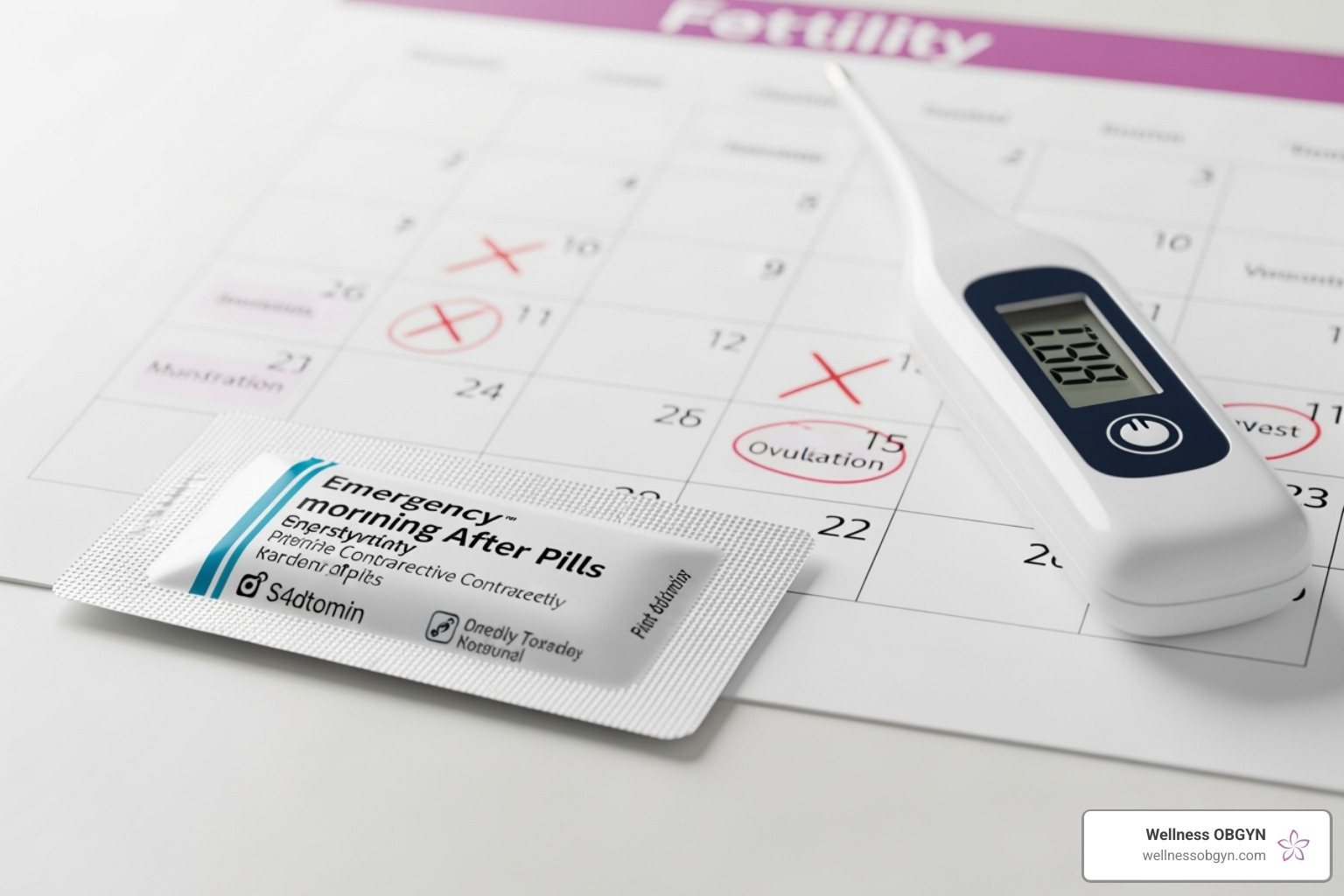
Emergency contraception (EC) is a backup plan to prevent pregnancy after unprotected sex or contraceptive failure. It is not intended for regular use.
- What it is: EC works by delaying or preventing ovulation, so an egg isn’t available for fertilization. It does not terminate an existing pregnancy.
- When you might need it: You might need EC if a condom breaks, you miss multiple birth control pills, you’re late for your shot, or after unplanned unprotected sex.
- Your options: EC pills (e.g., Plan B) are available over-the-counter. They are most effective when taken as soon as possible (ideally within 72 hours) after unprotected sex. The copper IUD is the most effective form of EC. When inserted by a provider within five days of unprotected sex, it’s nearly 100% effective and can be left in place for long-term contraception.
EC is less effective than regular contraception and offers no STI protection, so it should not be used as a primary method. For comprehensive information, the CDC information on contraception provides excellent resources.
Exploring Other Popular Birth Control Methods
Some people prefer methods that don’t involve hormones or devices.
- Fertility Awareness-Based Methods (FAMs) involve tracking fertility signs (like basal body temperature and cervical mucus) to identify your fertile window and avoid unprotected sex during that time. Effectiveness varies widely, from 77% (typical use) to over 98% (perfect use), reflecting high user dependency. Pros: hormone-free, no side effects, and low cost. Cons: requires daily tracking, regular cycles, and abstaining or using barriers during fertile days.
- The withdrawal method (“pulling out”) is about 78% effective with typical use. It requires precise timing and self-control and does not protect against STIs.
- Lactational Amenorrhea Method (LAM) is a temporary option for new mothers. It can be up to 98% effective if you are exclusively breastfeeding, your baby is under six months old, and your period has not returned.
These methods work best for people who are highly motivated and comfortable with lower typical effectiveness rates compared to hormonal methods or LARCs.
Frequently Asked Questions about Popular Birth Control Methods
Choosing a birth control method brings up many questions. Here are answers to some of the most common ones we hear at Wellness OBGYN.
Which birth control method is the most effective at preventing pregnancy?
The most effective methods are the ones that remove the chance of human error. Long-Acting Reversible Contraceptives (LARCs)—the implant and IUDs—and permanent sterilization are all over 99% effective in typical use. Methods like the pill, patch, and ring can also be highly effective, but their typical-use effectiveness is lower (91-94%) because they rely on consistent and correct use.
Which birth control methods also protect against STIs?
This is a critical point: only male and internal condoms protect against sexually transmitted infections (STIs). No hormonal or other barrier method provides STI protection. For this reason, we often recommend “dual method” use: a reliable contraceptive for pregnancy prevention plus a condom for STI protection.
Do I need to take a break from hormonal birth control?
No, there is no medical reason to take a “break” from hormonal birth control. This is a common myth. Stopping and restarting can increase your risk of unintended pregnancy and may cause temporary side effects. In fact, continuous use of some hormonal methods can be beneficial for managing heavy periods or cramps. If you have concerns about your current method, talk to your provider about switching to a different option rather than stopping on your own.
The best birth control method is the one that works consistently with your lifestyle and health needs.
Conclusion: Partnering with Your Provider for the Best Choice
Choosing from the many popular birth control methods is a personal journey you don’t have to take alone. The “best” method is the one that fits your health, lifestyle, and future plans—whether that’s a daily pill, a long-term IUD, or condoms for STI protection. Your ideal choice is unique to you.
At Wellness OBGYN, we believe in shared decision-making. Our compassionate team provides a safe space to discuss your concerns and goals, working with you to find an empowering solution.
Regular check-ins are key. Your Annual OBGYN Visit is the perfect time to discuss your contraceptive needs and ensure your current method is still the right fit.
Ready to take charge of your reproductive health and make Family Planning Made Easy: Tips for Conception and Reproductive Health a reality? Contact Wellness OBGYN in Honolulu today to schedule a consultation. Together, we’ll find the perfect birth control solution for you.