
Why Family Planning Information Matters for Your Health and Future
Family planning information empowers you to make informed decisions about your reproductive health, whether you want to prevent pregnancy, space births, or prepare for conception. Here’s what you need to know:
Core Family Planning Information:
- Contraceptive Methods: Highly effective options (IUDs, implants, sterilization), regularly used methods (pills, injections, patches, rings), and barrier methods (condoms, diaphragms)
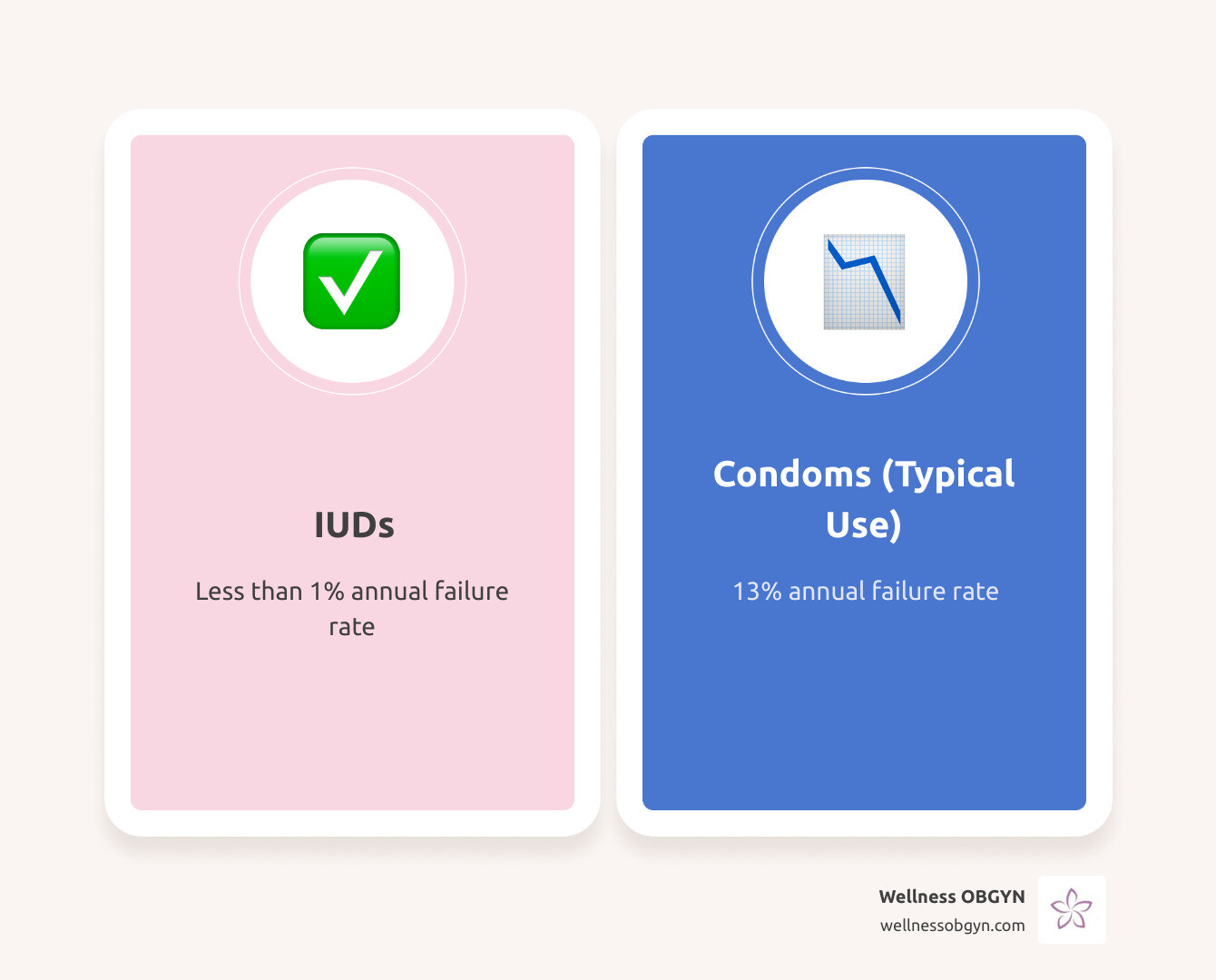
- Effectiveness Rates: IUDs prevent pregnancy in more than 99 out of 100 women per year, while typical-use failure rates vary from less than 1% to 21% depending on the method
- Health Benefits: Reduces pregnancy-related health risks, enables educational and career opportunities, improves maternal and infant health through proper birth spacing
- Access Points: Family planning services are available through community health centers, private providers, Title X clinics, and programs like Medicaid
Nearly half of all pregnancies in the United States are unintended. This matters because unintended pregnancy is linked to increased risks for both mothers and babies, including preterm birth, postpartum depression, and delayed prenatal care. The World Health Organization recognizes family planning as essential not just for individual well-being, but also for advancing gender equality, strengthening health systems, and promoting economic development.
Understanding your options means considering multiple factors: effectiveness, side effects, your health history, frequency of sexual activity, STI protection needs, and whether you want children in the future. Some methods like hormonal pills require daily attention, while long-acting reversible contraceptives (LARCs) work for years without user action. Barrier methods like condoms offer the added benefit of protecting against sexually transmitted infections, while fertility awareness-based methods require careful tracking of your cycle.
Access to family planning services can be complicated by barriers including cost, insurance coverage, geographic location, language differences, and cultural factors. However, programs exist to help—Title X provides services based on ability to pay, state Medicaid programs have expanded family planning coverage, and specialized programs like New York’s Family Planning Benefit Program serve those who meet income requirements (currently under 223% of the Federal Poverty Level).
I’m Dr. Cheryl Twu, a board-certified obstetrician-gynecologist who has spent over a decade providing comprehensive reproductive healthcare in Honolulu. Throughout my practice, I’ve helped countless patients steer their family planning information needs, from choosing the right contraceptive method to addressing fertility concerns and optimizing reproductive health across all life stages.
Simple guide to family planning information:
- different birth control methods
- family planning benefit program
- what is the family planning services program
The Global and Personal Impact of Family Planning
At Wellness OBGYN, we understand that family planning is about more than just preventing pregnancy; it’s about empowering individuals and families to achieve their life goals. It’s a cornerstone of public health, recognized as one of the 10 great public health achievements of the twentieth century, right alongside vaccinations!
The ability to decide if and when to have children profoundly impacts an individual’s health, education, and economic well-being. For families, this means greater stability and the opportunity to invest more in each child. On a broader scale, effective family planning information contributes to gender equality, strengthens healthcare systems, and drives economic development within communities. Globally, 874 million women are now using modern contraceptives, and an additional 70 million women are projected to gain access by 2030, showing a widespread recognition of its importance.
Benefits for Individuals and Communities
The benefits of family planning ripple through every aspect of life. For individuals, it means the freedom to pursue education and career opportunities, leading to greater financial independence and personal fulfillment. It significantly reduces the health risks associated with unintended pregnancies, especially for adolescents, who face higher risks of complications. When individuals can plan their pregnancies, they can ensure better maternal health and improved outcomes for their infants, including a healthier start in life. Studies have even shown that increasing the length of time between pregnancies can improve health for both women and their babies.
For families, planned pregnancies allow for optimal birth spacing, which is crucial for the health of both mother and child. This thoughtful approach to family building helps reduce infant and child mortality rates and allows parents to provide more resources and attention to each child. From a community perspective, family planning contributes to overall public health by reducing the burden of unintended pregnancies and related health issues. It also plays a vital role in poverty reduction, as families with planned pregnancies often have greater economic stability. Access to comprehensive family planning information is a key ingredient for sustainable development, allowing societies to flourish by supporting the well-being of their citizens. The World Health Organization (WHO) actively promotes access to and use of contraception by producing evidence-based guidelines and assisting countries in strengthening their contraceptive policies and programs. You can learn more about the WHO global family planning response.
Healthy People 2030 Objectives
In the United States, national health goals, such as those outlined in Healthy People 2030, underscore the critical importance of family planning. A primary objective is to improve pregnancy planning and prevent unintended pregnancies. Why? Because nearly half of all pregnancies in the U.S. are unintended, and this can lead to serious consequences. Unintended pregnancy is linked to negative outcomes like preterm birth, which can have long-term health implications for infants, and postpartum depression for mothers, impacting their mental and emotional well-being.
One of our key strategies to address this is promoting the use of birth control and family planning services. We also focus on supporting adolescents, who are at a particularly high risk for unintended pregnancy. Linking young people to youth-friendly health services can make a significant difference in preventing both pregnancy and sexually transmitted infections (STIs). By achieving these objectives, we aim to ensure that more pregnancies are planned, healthy, and supported, leading to better outcomes for everyone. For deeper insights into national efforts, refer to Scientific research on unintended pregnancy. We at Wellness OBGYN are committed to providing More info about personalized women’s healthcare to help achieve these goals right here in Honolulu.
Comprehensive Family Planning Information: Choosing Your Method
Choosing the right birth control method is a deeply personal decision, and there’s no one-size-fits-all answer. It involves weighing various factors, from effectiveness and potential side effects to your lifestyle and future family plans. Our goal is to provide you with clear, comprehensive family planning information so you can make an informed choice that feels right for you.
When considering a method, we often discuss its safety, how effective it is at preventing pregnancy, its availability and affordability, potential side effects, how much control you have over its use, whether it’s reversible, and how easy it is to start or stop. Most importantly, we’ll help you consider if preventing STIs is a priority, as only barrier methods like condoms offer that dual protection.
Here’s a quick look at the effectiveness of various methods:
| Method Category | Specific Method | Typical Use Failure Rate (per 100 women per year) |
|---|---|---|
| Long-Acting Reversible Contraception (LARC) | Hormonal IUD (LNG IUD) | 0.1-0.4% |
| Copper T IUD | 0.8% | |
| Implant | 0.1% | |
| Hormonal Methods | Injection (Depo-Provera) | 4% |
| Combined Oral Contraceptives (Pill) | 7% | |
| Progestin-Only Pill | 7% | |
| Patch | 7% | |
| Vaginal Ring | 7% | |
| Barrier Methods | Male Condom | 13% |
| Female Condom | 21% | |
| Diaphragm | 17% | |
| Cervical Cap | 22% | |
| Sponge | 17% | |
| Spermicides (alone) | 21% | |
| Permanent Methods | Vasectomy | 0.15% |
| Tubal Ligation | 0.5% | |
| Less Reliable Methods | Fertility Awareness-Based Methods | 2-23% |
| Withdrawal (Pull-out method) | High (can still result in pregnancy) | |
| Douching | Ineffective (can cause infections) | |
| Breastfeeding (without LAM) | Unreliable |

Hormonal Options and Family Planning Information
Hormonal birth control methods work by using synthetic hormones, typically estrogen and progestin, or progestin alone, to prevent pregnancy. These hormones primarily prevent ovulation, meaning an egg isn’t released from the ovary. They can also thicken cervical mucus, making it harder for sperm to reach an egg, and thin the uterine lining, making it less receptive to a fertilized egg.
Common hormonal options include:
- Birth Control Pills: Taken daily, these are a popular choice. We offer various formulations, and can help you find the More info about the best hormonal birth control for your needs.
- Progestin Injections (Depo-Provera): An injection given every three months, offering long-lasting protection without daily effort.
- Skin Patches: A transdermal patch worn on the skin and changed weekly, releasing hormones into your body.
- Vaginal Rings (NuvaRing, Annovera): A flexible ring inserted into the vagina that releases hormones over several weeks.
While highly effective, hormonal methods do not protect against STIs. It’s important to discuss any health conditions with us, as certain factors (like smoking over age 35, history of blood clots, or breast cancer) might make some hormonal methods less suitable. The CDC provides extensive CDC guidance on contraceptive methods for both patients and healthcare providers.
Barrier Methods and Natural Family Planning Information
Barrier methods work by physically blocking sperm from reaching an egg. They are generally used only when you have sex. The big advantage? Condoms are the only birth control method that also offers significant protection against sexually transmitted infections!
- Male Condoms: Worn on the penis, they are widely available and provide excellent STI protection.
- Female Condoms: Inserted into the vagina, these offer an alternative barrier method with STI protection.
- Diaphragms & Cervical Caps: These are dome-shaped devices inserted into the vagina before sex to cover the cervix, typically used with spermicide. They require a prescription and fitting by a healthcare provider.
- Vaginal Sponge: A soft, disposable sponge containing spermicide, inserted into the vagina before sex.
- Spermicides: Chemical agents that kill sperm, often used with other barrier methods, but less effective when used alone.
For those who prefer non-hormonal approaches, Fertility Awareness-Based Methods (FABMs) involve tracking your menstrual cycle to identify fertile days and avoid unprotected sex during that window. These methods include monitoring basal body temperature (BBT), cervical mucus, and cycle length. The Lactational Amenorrhea Method (LAM) is another natural option, which can provide temporary birth control for new mothers who are exclusively breastfeeding, have not had a period since childbirth, and are less than six months postpartum. However, if any of these conditions are not met, LAM’s effectiveness decreases significantly. We can discuss these options during your More info about annual OBGYN visits.
Long-Acting Reversible Contraception (LARC) and Permanent Methods
If you’re looking for highly effective, convenient, and long-lasting birth control, LARCs might be for you. These methods work for years and don’t require daily attention, which is why they have some of the lowest typical-use failure rates.
- Intrauterine Devices (IUDs): Small, T-shaped devices inserted into the uterus by a healthcare provider. There are two main types:
- Hormonal IUDs (Mirena®, Skyla®, Kyleena®): Release a small amount of progestin daily, lasting 3 to 8 years depending on the brand. They can also reduce heavy menstrual bleeding.
- Copper T IUD (Paragard®): Non-hormonal, it prevents pregnancy by creating an inflammatory reaction in the uterus that is toxic to sperm and eggs. It can last for up to 10 years.
- Hormonal Implants (Nexplanon®): A tiny rod inserted under the skin of the upper arm, releasing progestin. It can prevent pregnancy for up to 3 years.
For individuals or couples who are certain they do not want more children, permanent birth control methods are an option. While sometimes reversible, success rates for reversal are not high, so these decisions should be made with careful consideration.
- Tubal Ligation (“Tying Tubes”): A surgical procedure for women that closes or cuts the fallopian tubes, preventing eggs from traveling from the ovaries to the uterus and sperm from reaching the egg.
- Vasectomy: A surgical procedure for men that blocks the tubes (vas deferens) that carry sperm from the testicles to the penis. It’s crucial for men to use another form of birth control until a healthcare provider confirms their sperm count has dropped to zero, typically a few months after the procedure.
We’ll help you explore all these options and find the best fit for your life and family planning goals.
Overcoming Barriers to Reproductive Healthcare
While the benefits of family planning information and services are clear, accessing them isn’t always easy. Here in Honolulu, and across the nation, people can face a variety of problems. Our commitment at Wellness OBGYN is to help you steer these challenges and ensure you receive the care you need.
Social and Cultural Factors in Access
Access to family planning services can be significantly influenced by social and cultural factors. For some, the sheer distance to a provider or the lack of reliable transportation can be a major barrier. Limited service hours at clinics might conflict with work or family responsibilities, making appointments difficult to keep.
Concerns about confidentiality, especially for adolescents or young adults, can deter individuals from seeking care. Language barriers can also create significant obstacles, preventing effective communication between patients and providers. This is why we strive to offer culturally appropriate and linguistically accessible care, ensuring that our patients feel understood and respected. We believe in patient-centered care that is respectful of individual preferences, needs, and values, and we work to provide resources for those with limited English proficiency.
Navigating Costs and Insurance
The cost of family planning services and contraceptive methods can be a significant concern. While some methods are relatively inexpensive, others, particularly long-acting or surgical options, can have higher upfront costs. Many Americans are uninsured or underinsured, meaning they either lack health insurance entirely or their plans have high deductibles or don’t adequately cover family planning. Some employer-based health plans historically had gaps in contraceptive coverage, though state mandates are improving this.
Fortunately, programs exist to help. Federally funded initiatives like Title X provide grants for family planning services, ensuring that low-income individuals and adolescents can access care based on their ability to pay. Medicaid also plays a crucial role as a primary public funding source for family planning services, with many states expanding eligibility to cover more individuals. While the Family Planning Benefit Program (FPBP) is specific to New York, it’s an example of how states can implement programs to expand access. We encourage you to explore resources like the Clinic Locator for reproductive health services to find options that fit your needs. For those planning for pregnancy, understanding your coverage is also key, and we can help you with More info about prenatal care in Honolulu.
Addressing Infertility and Enhancing Sexual Wellness
Family planning isn’t just about preventing pregnancy; it also encompasses supporting individuals and couples in achieving pregnancy and addressing infertility when it arises. We understand that the journey to parenthood can sometimes be challenging, and we’re here to provide comprehensive care and support.
Infertility is defined as the inability to conceive after 12 months of regular unprotected sex, and it affects a significant number of people—around 1 in 6 adults during their lifetime. The causes of infertility can be varied, including infections (like chlamydia, which can lead to tubal damage), medical conditions, and environmental or lifestyle factors. Modern contraceptive methods do not cause infertility. We offer counseling, screening, evaluation, and management for infertility, helping you understand potential causes and explore viable paths forward. You can find More info about female reproductive health issues on our site.
Frequently Asked Questions about Family Planning
We know you have questions, and we’re here to provide clear, science-backed answers. Here are some of the most common inquiries we receive about family planning information.
What is the most effective form of birth control?
When it comes to preventing pregnancy, Long-Acting Reversible Contraception (LARCs) and permanent methods are generally considered the most effective. These include:
- Hormonal Implants (e.g., Nexplanon®): With a typical use failure rate of 0.1%.
- Intrauterine Devices (IUDs), both hormonal and copper: With typical use failure rates ranging from 0.1-0.8%.
- Vasectomy (for men): With a typical use failure rate of 0.15%.
- Tubal Ligation (for women): With a typical use failure rate of 0.5%.
These methods are highly effective because they require minimal user action after placement, significantly reducing the chance of human error. For example, fewer than 1 out of 100 women per year will get pregnant using an IUD. While birth control pills, patches, and rings are also very effective when used perfectly, their typical use failure rates are higher (around 7%) due to missed doses or incorrect application.
Does using contraception cause future infertility?
This is a common concern, and we’re happy to debunk this myth! Modern contraceptive methods, whether hormonal (like the pill, patch, ring, or injection) or non-hormonal (like the copper IUD), do not cause infertility. Once you stop using most forms of contraception, your fertility typically returns to your baseline level within a relatively short period. For instance, with birth control pills, many women can become pregnant within a few months of stopping. The only exception would be if a person had an underlying fertility issue that was masked by contraceptive use, but the contraception itself is not the cause.
In fact, some forms of contraception, like barrier methods, can help protect fertility by preventing sexually transmitted infections (STIs), such as chlamydia, which can lead to long-term reproductive damage and infertility if left untreated.
How do I choose the right method for my lifestyle?
Choosing the right birth control method is a very personal decision, and it’s something we’ll discuss in detail during your visit. Here are some key factors we’ll consider together:
- Your Health and Medical History: Certain methods might be better or worse for you based on existing health conditions, medications you take, or family history.
- Your Future Family Plans: Are you looking to prevent pregnancy for a few months, a few years, or permanently?
- Effectiveness: How important is it for you to avoid pregnancy? If you absolutely want to prevent pregnancy, highly effective LARCs might be your best bet.
- Convenience and User Control: Do you prefer something you don’t have to think about daily (like an IUD or implant), or are you comfortable with a daily pill or a method used only during sex?
- Side Effects: All methods have potential side effects. We’ll discuss what to expect and how to manage them.
- STI Protection: If you’re concerned about STIs, condoms are essential, either alone or in combination with another birth control method.
- Cost and Insurance Coverage: We’ll help you understand your options based on your insurance plan and any available programs.
- Partner Involvement: While family planning is ultimately your decision, your partner’s willingness to participate in certain methods (like condoms or vasectomy) is also a factor.
Our goal is to help you find a method that aligns with your values, health needs, and daily life, giving you peace of mind and control over your reproductive journey.
Conclusion
Navigating family planning information can feel overwhelming, but it doesn’t have to be. At Wellness OBGYN in Honolulu, our mission is to empower you with the knowledge and care you need to make informed decisions about your reproductive health. Whether you’re looking to prevent pregnancy, space your children, prepare for conception, or address infertility concerns, we are your partners in this journey.
We believe in shared decision-making, ensuring that your preferences, values, and lifestyle are at the forefront of every conversation. From understanding the vast array of contraceptive methods and their effectiveness to overcoming barriers in access and exploring solutions for infertility or enhancing sexual wellness, we provide comprehensive, compassionate, and personalized care. Your reproductive health goals are unique, and we’re here to support you every step of the way. For continued support and information, please explore More info about female reproductive health issues or contact us directly.