
Shifting the Focus in Women’s Healthcare
OBGYN patient centered care puts you at the center of your healthcare decisions, prioritizing your values, needs, and preferences above all else. This approach transforms the traditional doctor-patient relationship into a true partnership where your voice matters most.
Key Elements of Patient-Centered OBGYN Care:
- Respect for your values and cultural background
- Shared decision-making in all treatment choices
- Clear communication in language you understand
- Emotional support throughout your care journey
- Coordination between all your healthcare providers
- Easy access to care when you need it
For too long, women’s healthcare operated under a paternalistic model where doctors made decisions for patients rather than with them. Research shows that women wait longer in emergency rooms than men, receive less pain medication for the same procedures, and are more likely to be given anxiety medication when they report pain. This is exactly why patient-centered care matters so much in women’s health.
The shift toward patient-centered care isn’t just about being nice – it’s about better outcomes. Studies demonstrate that when women feel heard, respected, and involved in their healthcare decisions, they experience improved satisfaction, better adherence to treatment plans, and improved overall health outcomes.
As Dr. Cheryl Twu, founder of Wellness OBGYN in Honolulu, I’ve spent over a decade advocating for OBGYN patient centered care in high-volume hospital settings before opening my practice in 2022. My experience has shown me that when we truly listen to women and honor their expertise about their own bodies, we create the foundation for exceptional healthcare partnerships.

What Are the Core Principles of Patient-Centered OBGYN Care?
When you walk into our office, something feels different. That’s because OBGYN patient centered care isn’t just a buzzword for us – it’s how we’ve reimagined what women’s healthcare should actually feel like. Instead of rushing through appointments or making decisions for you, we believe in creating a true partnership where your voice leads the way.
The heart of patient-centered care beats with one simple truth: you know your body, your life, and your values better than anyone else. Our job isn’t to tell you what to do – it’s to bring our medical expertise to the table and work together to find solutions that fit your unique situation.
This approach transforms everything, from routine checkups to complex treatments. When we respect your values and preferences, we’re acknowledging that your cultural background, personal beliefs, and life experiences all matter in your healthcare decisions. No two women are alike, and your care plan shouldn’t pretend they are.
Shared decision-making becomes the foundation of every conversation. We’ll explain your options clearly, discuss the benefits and risks honestly, and then listen – really listen – to what matters most to you. Whether you’re considering birth control options, discussing treatment plans, or making decisions about procedures, you’re the expert on what feels right for your life.
Behind the scenes, we’re working hard on coordinated and integrated care. This means if you need to see a specialist or require multiple services, we’re making sure everyone’s talking to each other. No more repeating your story five times or wondering if your left hand knows what your right hand is doing.
Information and education flow naturally throughout our relationship. We believe you deserve to understand what’s happening with your body in plain English, not medical jargon that leaves you more confused than when you started. When you understand your options, you can make confident decisions.
Your physical comfort matters tremendously to us. From the moment you enter our space, we want you to feel at ease. This means creating private, welcoming environments and taking extra care to minimize discomfort during procedures.
Perhaps most importantly, we provide genuine emotional support. Women’s health involves deeply personal experiences, and we never forget the courage it takes to share intimate concerns or face difficult diagnoses. We’re here for the whole you – not just your symptoms.
| Feature | Traditional OBGYN Care | Patient-Centered OBGYN Care |
|---|---|---|
| Decision-Making | Provider-led; patients often follow instructions | Shared; patients actively participate in choices |
| Focus | Disease-focused; addressing medical conditions | Holistic; addressing physical, emotional, and social needs |
| Communication | Directive; information given top-down | Collaborative; active listening, open dialogue |
| Patient Role | Passive recipient of care | Active participant and partner in care |
| Care Plan | Standardized; often one-size-fits-all | Personalized; custom to individual values and preferences |
| Environment | Clinical; functional | Welcoming, private, and emotionally supportive |
| Outcome Measure | Clinical results | Clinical results, patient satisfaction, and experience |
The Foundation: Communication, Personalization, and Trust
Real healthcare change starts with something surprisingly simple: actually listening when you speak. Not the kind of listening where we’re already thinking about what to say next, but the deep, attentive listening that helps us understand not just your symptoms, but your concerns, fears, and hopes.
Active listening creates the space for genuine connection. When you tell us about pelvic pain, we’re not just hearing about a medical condition – we’re understanding how it affects your sleep, your relationship, your work, and your daily joy. This kind of listening builds rapport naturally and creates the foundation for real trust.
Empathy guides every interaction we have. We remember what it feels like to be vulnerable in a medical setting, to worry about test results, or to feel embarrassed about intimate concerns. Research shows that women often feel less heard by their healthcare providers compared to the general population – a gap we’re committed to closing through genuine, caring communication.
Every care plan we create is custom specifically to you. Your lifestyle, your family situation, your cultural background, and your personal goals all shape how we approach your health. A college student’s contraceptive needs look different from a new mom’s concerns, which look different from a woman navigating menopause.
Creating a safe space means you can ask any question without judgment and express any preference without pushback. We want you to feel empowered to speak up if something doesn’t feel right or if you need more information. Addressing your fears head-on – whether about procedures, diagnoses, or simply the unknown – helps transform anxiety into confidence.
Recommendations for Patient-Centered Contraceptive Counseling
Contraceptive counseling reveals patient-centered care at its finest. Your birth control needs are deeply personal, influenced by your health history, relationship status, future plans, and countless other factors that only you fully understand.
We ground our approach in the reproductive justice framework, which recognizes that true reproductive freedom means having the power to decide if, when, and how to have children. This framework, developed by Black women in 1994, acknowledges the historical reproductive injustices faced by marginalized communities and ensures that all women’s choices are respected and supported.
Our shared decision-making model means we’ll never push you toward the most “effective” method if it doesn’t align with your values and lifestyle. Instead, we discuss all options comprehensively, sharing information about benefits, risks, and potential side effects while actively asking about your preferences and concerns.
Respecting your autonomy extends beyond the initial choice – it includes honoring your decision to change or discontinue methods. Some women report facing resistance when requesting IUD or implant removal, but we believe that barriers to contraceptive discontinuation are completely unacceptable and compromise your fundamental right to make decisions about your own body.
We’re especially mindful of addressing barriers for BIPOC patients, recognizing that structural inequities and historical medical trauma can impact the contraceptive counseling experience. Our commitment is to provide noncoercive, culturally sensitive counseling that honors all aspects of your identity and experience. Learn more about the reproductive justice framework and its importance in modern healthcare.
Empowering Patients Through Education: The Pelvic Exam and Beyond
Let’s talk about the elephant in the room – or rather, the exam that makes many women’s hearts race before they even get to the room. Pelvic exams consistently rank as one of the most anxiety-provoking medical procedures, with many women experiencing genuine fear that can interfere with getting the preventative care they need.
We believe knowledge is power, especially when it comes to reducing anxiety about medical procedures. Before any exam or procedure, we explain everything clearly in language that makes sense. You’ll know exactly what to expect, why each step is necessary, and how we’ll work together to keep you comfortable.
Trauma-informed care shapes our entire approach. We understand that past experiences – whether medical or personal – can impact how you feel about intimate exams. We create an environment of safety and respect, moving at your pace and checking in with you throughout the process.
Consent isn’t a one-time conversation – it’s ongoing throughout your care. We ask for your explicit permission at each step of any procedure, and you always have the power to pause, ask questions, or stop entirely. Your comfort and autonomy matter more than completing any single exam.
Our goal is changing potentially uncomfortable experiences into empowering ones. When you feel informed, respected, and in control, routine screenings become just another part of taking good care of yourself rather than something to dread. Learn more about our approach to gentle exams and how we’re working to make every aspect of your care as comfortable as possible.
Unique Challenges to Providing Patient-Centered OBGYN Care

While the vision of OBGYN patient centered care sounds wonderful on paper, the reality of delivering it consistently faces some real challenges. As providers, we steer complex medical situations while fighting against systemic barriers that have existed for decades. These obstacles don’t discourage us – they actually make us more determined to create positive change.
The unpredictable nature of women’s healthcare adds layers of complexity that other medical fields rarely face. Pregnancy complications can arise suddenly, turning a routine appointment into an emergency situation. Labor doesn’t follow schedules, and conditions like preeclampsia or placental abruption demand immediate action. In these moments, maintaining clear communication while managing medical emergencies requires exceptional skill and compassion.
Gender inequities in medicine create another significant hurdle. Women consistently face discrimination in healthcare settings, often having their pain dismissed or minimized. Research shows that women wait longer in emergency rooms than men for the same conditions. When women report pain, they’re more likely to receive anxiety medication instead of proper pain relief. These disparities aren’t accidents – they reflect deep-rooted biases that we must actively work to overcome.
Systemic barriers also complicate our efforts to provide truly patient-centered care. Insurance limitations, prior authorization requirements, and administrative burdens can interfere with the seamless, coordinated care our patients deserve. Sometimes the treatments we know would benefit you most aren’t covered, forcing difficult conversations about alternatives and costs.
Confronting Race, Racism, and Implicit Bias
The most challenging barrier to OBGYN patient centered care is confronting the reality of racism in healthcare. The statistics are stark and heartbreaking: Black women are three times more likely to die from pregnancy-related causes than white women. These aren’t just numbers – they represent real women, real families, and preventable tragedies.
Disproportionate barriers face Black, Indigenous, and other people of color every day in our healthcare system. Access to contraceptive options, quality prenatal care, and specialized treatments often depends more on zip code and skin color than medical need. These adverse health outcomes stem from centuries of medical racism and ongoing structural inequities that we must acknowledge and address.
Structural inequities go beyond individual interactions. They’re built into hospital policies, insurance coverage, medical training, and even the research that guides our treatments. For too long, medical studies focused primarily on white participants, leaving gaps in our understanding of how conditions affect women of different backgrounds.
Providing culturally competent care means more than just being polite. It requires understanding how cultural beliefs, language barriers, and past experiences with healthcare shape your comfort level and trust. We must recognize that some patients come to us having experienced medical trauma or discrimination, making every interaction an opportunity to rebuild trust.
Provider self-reflection isn’t optional – it’s essential. We regularly examine our own biases, question our assumptions, and seek training to better serve all patients. This means looking at our communication patterns, treatment recommendations, and even our office environment through the lens of equity and inclusion.
Navigating the National OBGYN Shortage
Adding to these challenges is a looming crisis that affects access to care nationwide. The growing OB-GYN shortage threatens to make patient-centered care even harder to achieve. By 2030, experts project we’ll have 3,000 fewer OBGYNs than we do today, creating a significant gap between need and availability.
This projected OBGYN shortage creates a domino effect of problems. Increased wait times mean women delay important preventive care, potentially missing early detection of serious conditions. Barriers to access become even higher for women in rural areas, who may need to travel hours for specialty care. The shortage particularly impacts communities that already face healthcare disparities.
Rural communities feel this shortage most acutely. When the nearest OBGYN is hours away, routine prenatal care becomes a major logistical challenge. Emergency situations become more dangerous when specialized care isn’t readily available. This geographic inequality adds another layer to existing healthcare disparities.
Recognizing the role of midwives and nurse practitioners becomes crucial in addressing this shortage. These skilled professionals can provide much of the routine care women need, working collaboratively with physicians to ensure comprehensive coverage. At Wellness OBGYN, we value these partnerships and believe they’re essential for maintaining access to quality care.
Despite these challenges, we remain committed to providing the patient-centered care you deserve. By acknowledging these barriers openly, we can work together to find solutions that put your needs first, even when the system makes it difficult.
The Future of Women’s Health: Innovation and Collaboration
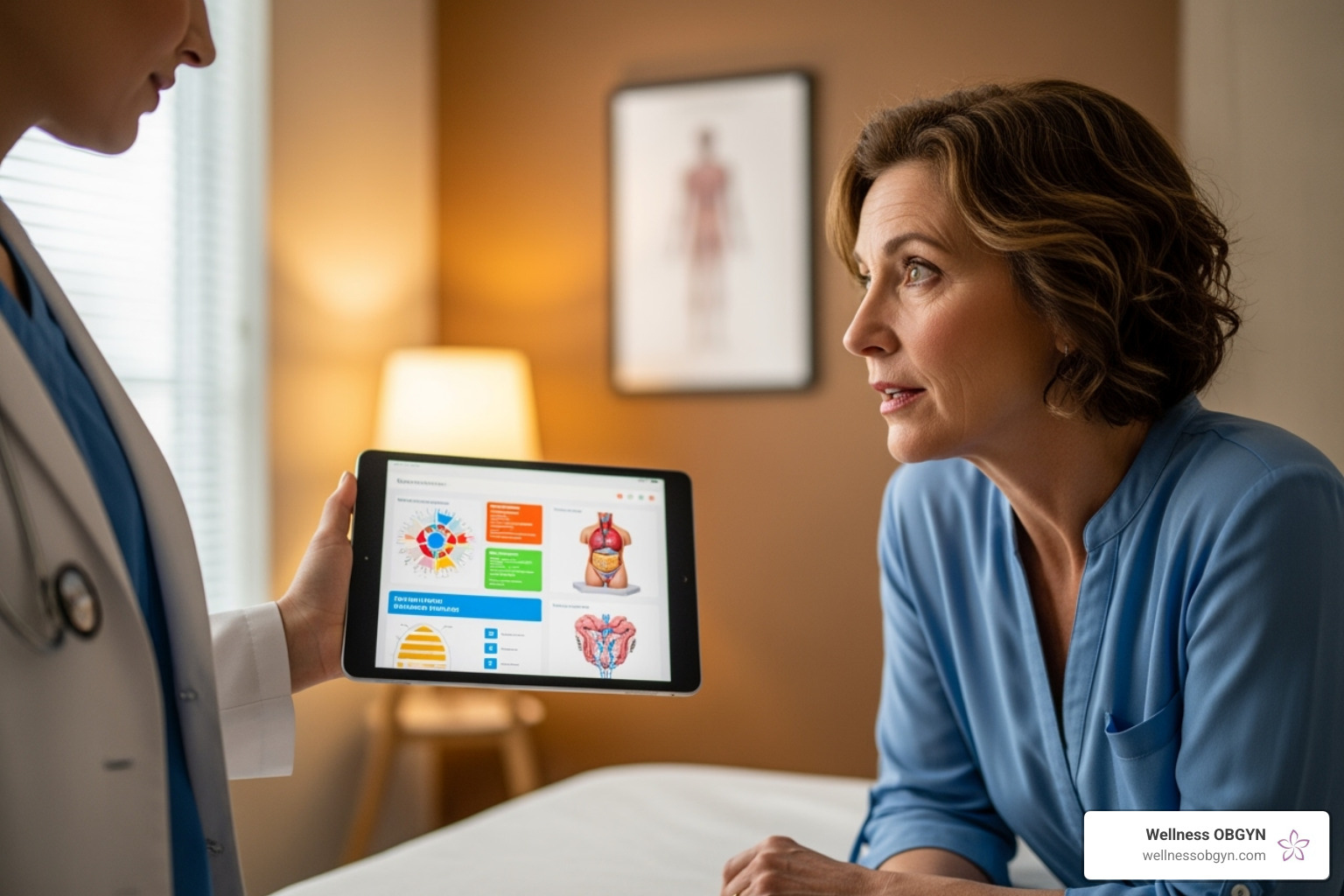
The future of women’s healthcare looks incredibly promising. We’re witnessing an exciting change where technology meets compassion, and innovation improves the human connection rather than replacing it. At Wellness OBGYN, we see OBGYN patient centered care evolving in ways that put even more power directly into your hands.
Technology is revolutionizing how we connect with you. Telehealth makes it possible for you to have meaningful conversations with your provider from your own living room – perfect for follow-up visits or when you need quick answers to pressing questions. Patient portals give you 24/7 access to your health information, test results, and appointment scheduling. No more playing phone tag or waiting days to understand your lab results.
But technology isn’t just about convenience. It’s about transparency and empowerment. When you can easily access your health records and communicate directly with our team, you become a true partner in your care journey.
Medical education is also getting a much-needed makeover. The next generation of OBGYNs is being trained with a stronger focus on cultural humility, health equity, and genuine patient partnership. This means future providers will be even better equipped to listen, understand, and respond to your unique needs and experiences.
How Research and Innovation Are Leading the Way
At Wellness OBGYN, we believe that the best care comes from continuously learning and improving. That’s why we’re committed to research and innovation that directly benefits you and women everywhere.
We’re particularly passionate about healthcare equity research. We know that not all women receive the same quality of care, and that’s simply unacceptable. By studying how different factors affect provider-patient interactions, we can identify and eliminate barriers that prevent some women from receiving excellent care.
The truth is, many health disparities aren’t caused by biology – they’re the result of environmental, social, and structural inequities. The good news? These are problems we can actually solve through thoughtful, equitable healthcare delivery.
Collaborative research is where the magic happens. When we work with experts from different fields, we can ask bigger questions and find better answers. This team approach helps us understand complex women’s health issues from multiple angles, leading to more comprehensive solutions.
Our research isn’t just academic – it’s deeply practical. We’re constantly looking for ways to help you feel more empowered and engaged in your care, because when you’re an active participant in your health journey, everyone benefits.
Personalized Treatments for Sexual Wellness and Quality of Life
Your sexual wellness and overall quality of life matter just as much as any other aspect of your health. Yet these topics are often overlooked or brushed aside in traditional medical settings. We believe they deserve the same attention and expertise as any other health concern.
Whether you’re navigating menopause management, dealing with sexual health concerns, or simply wanting to improve your intimate well-being, we offer personalized solutions custom specifically to your needs. Every woman’s experience is different, and your treatment should reflect that.
Conclusion: Your Health, Your Voice, Your Choice
Your healthcare journey should be exactly that – yours. At Wellness OBGYN, we believe that OBGYN patient centered care isn’t just a buzzword or marketing phrase. It’s the foundation of everything we do, from the moment you walk through our doors to the ongoing partnership we build together over the years.
Throughout this exploration of patient-centered care, we’ve seen how powerful it can be when your voice truly matters. When healthcare providers listen actively, respect your values, and involve you in every decision, something magical happens. You become more than just a patient – you become an empowered partner in your own health story.
The principles we’ve discussed aren’t just ideals; they’re promises we make to every woman who trusts us with her care. Shared decision-making means we’ll never make choices for you, but always with you. Clear communication means you’ll understand exactly what’s happening with your body and why we’re recommending certain treatments. Emotional support means we’ll be there not just for the medical stuff, but for the fears, concerns, and celebrations that come with being a woman navigating health decisions.
We’ve been honest about the challenges too. The healthcare system hasn’t always served women well, especially women of color and those from marginalized communities. The national OBGYN shortage makes access harder, and historical biases still create barriers that shouldn’t exist. But acknowledging these challenges is the first step in overcoming them.
Here’s what we want you to remember: You deserve a healthcare provider who sees you as a whole person, not just a medical condition. You deserve someone who respects your time, honors your cultural background, and understands that your life experiences shape your health needs. You deserve to feel comfortable asking questions, expressing concerns, and even changing your mind about treatment options.
Your health is precious, and your voice is the most important tool in protecting it. Don’t settle for rushed appointments where you feel unheard. Don’t accept being talked at instead of talked with. You have the right to seek out providers who truly listen and partner with you every step of the way.
At Wellness OBGYN in Honolulu, we’re committed to providing expert, compassionate care that’s custom specifically to your individual needs. From adolescence through menopause and beyond, we’re here to support your health journey with the respect and partnership you deserve.
Ready to experience healthcare where your voice truly matters? Schedule a consultation with our patient-centered team and take the first step toward a healthcare partnership built on trust, respect, and shared decision-making. Your health, your voice, your choice – that’s not just our motto, it’s our promise to you.