
Why Minimally Invasive Surgery is Changing Women’s Healthcare
When a woman hears she needs gynecologic surgery, it often feels like her world stops spinning for a moment. The good news? Modern medicine has transformed this experience dramatically through minimally invasive surgery OBGYN techniques that are gentler on the body and spirit.
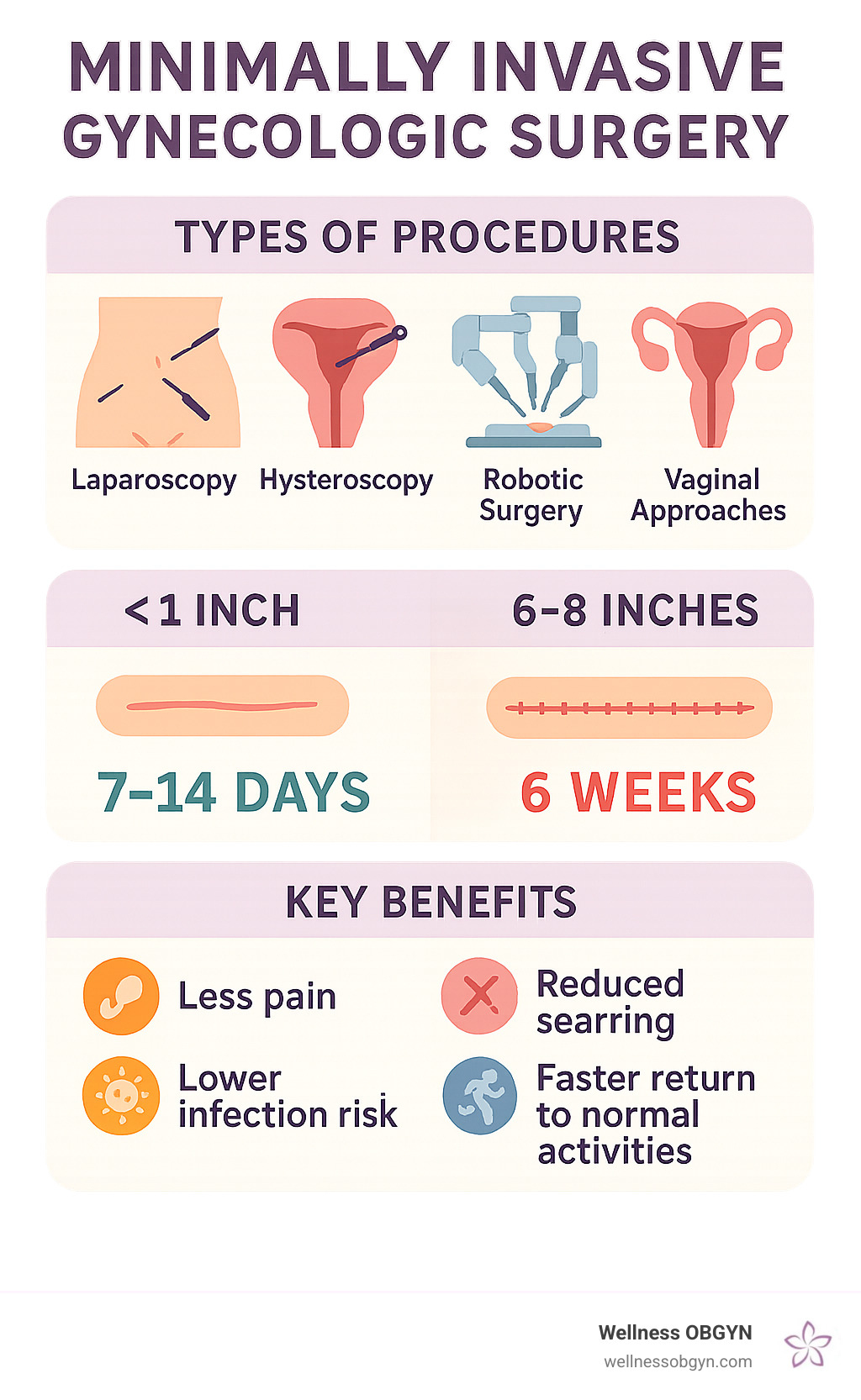
Minimally invasive surgery OBGYN refers to advanced surgical approaches that use tiny incisions (typically less than one inch) or natural body openings instead of large cuts across the abdomen. Using specialized cameras and precision instruments, surgeons can now perform complex procedures with remarkable accuracy while minimizing trauma to surrounding tissues.
“I’ve heard minimally invasive surgery described as Band-Aid surgery, because the incision is so small you can cover it with a Band-Aid.” – Dr. Matthew Siedhoff
This revolution in surgical care isn’t just about smaller scars (though that’s certainly a nice bonus). The real magic happens in recovery—most women return to their normal lives within 7-14 days, compared to the 6+ weeks typically needed after traditional open surgery. Many patients even go home the same day as their procedure!
At leading medical centers, including here at Wellness OBGYN in Honolulu, up to 99% of gynecologic surgeries now use minimally invasive approaches. The benefits extend far beyond convenience—these techniques significantly reduce pain, blood loss, infection risk, and other complications.
There are several main types of minimally invasive surgery OBGYN approaches:
- Laparoscopy uses tiny incisions in the abdomen
- Hysteroscopy works through the natural opening of the cervix
- Robotic-assisted surgery improves precision with computer guidance
- Vaginal approaches leave no visible scars at all
These techniques have transformed how we treat common conditions like fibroids, endometriosis, ovarian cysts, and pelvic pain—offering women solutions that don’t derail their lives for months.
For those facing gynecologic surgery, this evolution represents something profound: the ability to address health concerns without putting life completely on hold. It’s about returning to work, family responsibilities, and daily joys with minimal disruption—a truly patient-centered approach to women’s healthcare.
Understanding Minimally Invasive Surgery OBGYN (MIGS)
Minimally invasive gynecologic surgery (MIGS) is like a breath of fresh air in women’s healthcare. Instead of large cuts and lengthy recoveries, these gentle approaches help women get back to their lives faster while still effectively treating their conditions.
Here at Wellness OBGYN in Honolulu, we’ve acceptd these advanced techniques because we’ve seen how they transform our patients’ surgical experiences. Less pain, tiny scars, and quicker healing – who wouldn’t want that?
When we talk about minimally invasive surgery OBGYN, we’re really talking about four main approaches:
Laparoscopy: Think of this as surgery through keyholes. We insert a slender camera and specialized tools through tiny incisions (usually less than an inch) in your abdomen.
Hysteroscopy: This clever approach uses your body’s natural openings – we access the uterus through the cervix without making any cuts at all.
Robotic-assisted surgery: Like laparoscopy but with super-human precision. The robotic arms filter out even the tiniest hand tremors for incredible accuracy.
Vaginal surgery: Another no-scar approach where procedures happen entirely through the vagina.
What makes MIGS special is the expertise behind it. Many of us who perform these surgeries have completed fellowship training beyond standard residency – that’s extra years dedicated to mastering these delicate techniques. This specialized training allows us to perform complex procedures through incisions you can cover with a Band-Aid.
Evolution of Surgical Techniques
The journey to today’s minimally invasive surgery OBGYN started with a simple idea: “How can we see inside without opening up?” The answer came with endoscopes – slender instruments that let doctors peek inside the body through tiny openings.
“Being able to do this in a minimally invasive way, sparing the body the trauma of an open surgery, was a major breakthrough,” notes Dr. Matthew Siedhoff, a prominent MIGS surgeon.
Today’s MIGS procedures use amazing technology that would have seemed like science fiction just decades ago:
High-definition cameras show crystal-clear, magnified views of your pelvic anatomy. Fiber-optic light sources illuminate even the tiniest spaces. Specialized instruments work through openings smaller than a dime. And advanced energy devices seal tissues with precision that wasn’t possible before.
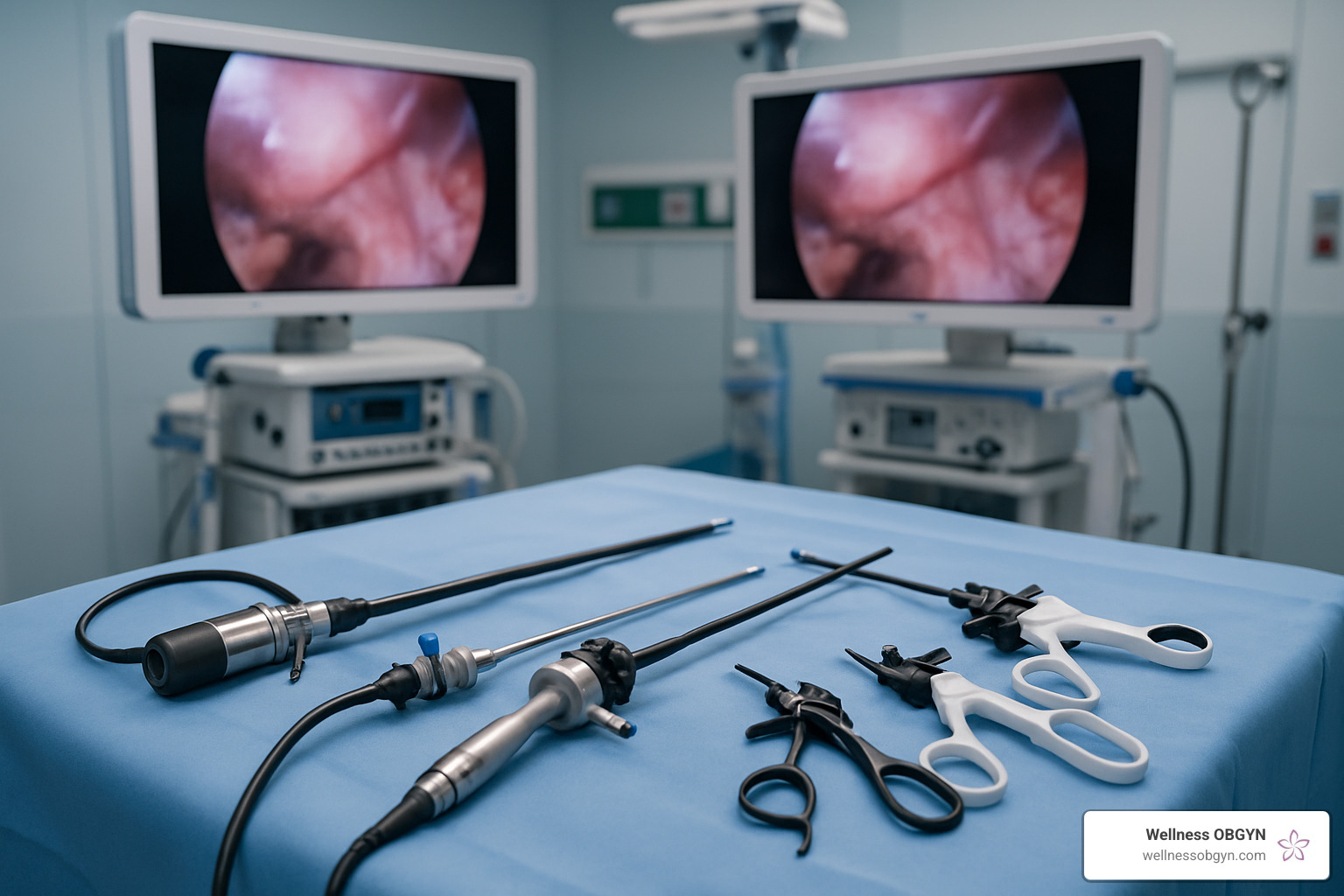
These innovations mean procedures that once kept women in the hospital for days now often send them home the same day. It’s a complete change in how we approach women’s surgical care.
How MIGS Differs From Open Surgery
The differences between minimally invasive surgery OBGYN and traditional open surgery are dramatic:
Where open surgery requires a 6-8 inch incision, MIGS typically uses openings under 1 inch. This smaller entry point means significantly less pain and dramatically reduced recovery time – typically 1-2 weeks versus 6-8 weeks for open surgery.
Hospital stays shrink from several days to often just overnight or even same-day discharge. Blood loss is minimal compared to open procedures. And those tiny incisions leave scars so small they’re often barely visible after healing.
The infection risk drops substantially too, since there’s less exposure of internal tissues to the outside world.
Perhaps most impressive is what happens once a procedure begins using minimally invasive techniques. At top centers like Cleveland Clinic, the conversion rate from laparoscopy to open surgery is less than 1%. This means that once we start minimally invasively, we can almost always finish that way – no surprise larger incisions needed.
With benefits like these, it’s easy to see why minimally invasive surgery OBGYN has become the gold standard for gynecologic procedures. At Wellness OBGYN Honolulu, we’re proud to offer these advanced techniques to our community, helping women recover faster and get back to what matters most in their lives.
Watch scientific research on the benefits of MIGS
Types & Conditions Treated with Minimally Invasive Procedures
When you’re facing a gynecologic condition that might require surgery, knowing your options can make all the difference in your experience and recovery. At Wellness OBGYN, we use minimally invasive surgery OBGYN techniques to treat a wide range of conditions that once required major open surgery.
Women are often surprised to learn that conditions like fibroids, which affect up to 70% of women during their childbearing years, can now be treated through tiny incisions. The same goes for endometriosis, which affects roughly 11% of women between 15-44 years old, and can be expertly addressed through minimally invasive approaches.
Our specialists routinely treat adenomyosis, ovarian cysts, ectopic pregnancies, chronic pelvic pain, and abnormal uterine bleeding using these advanced techniques. Whether you need a hysterectomy, myomectomy to remove fibroids while preserving your uterus, or precision excision of endometriosis lesions, these procedures can typically be performed with minimal disruption to your life.
Laparoscopy & Single-Site Approaches
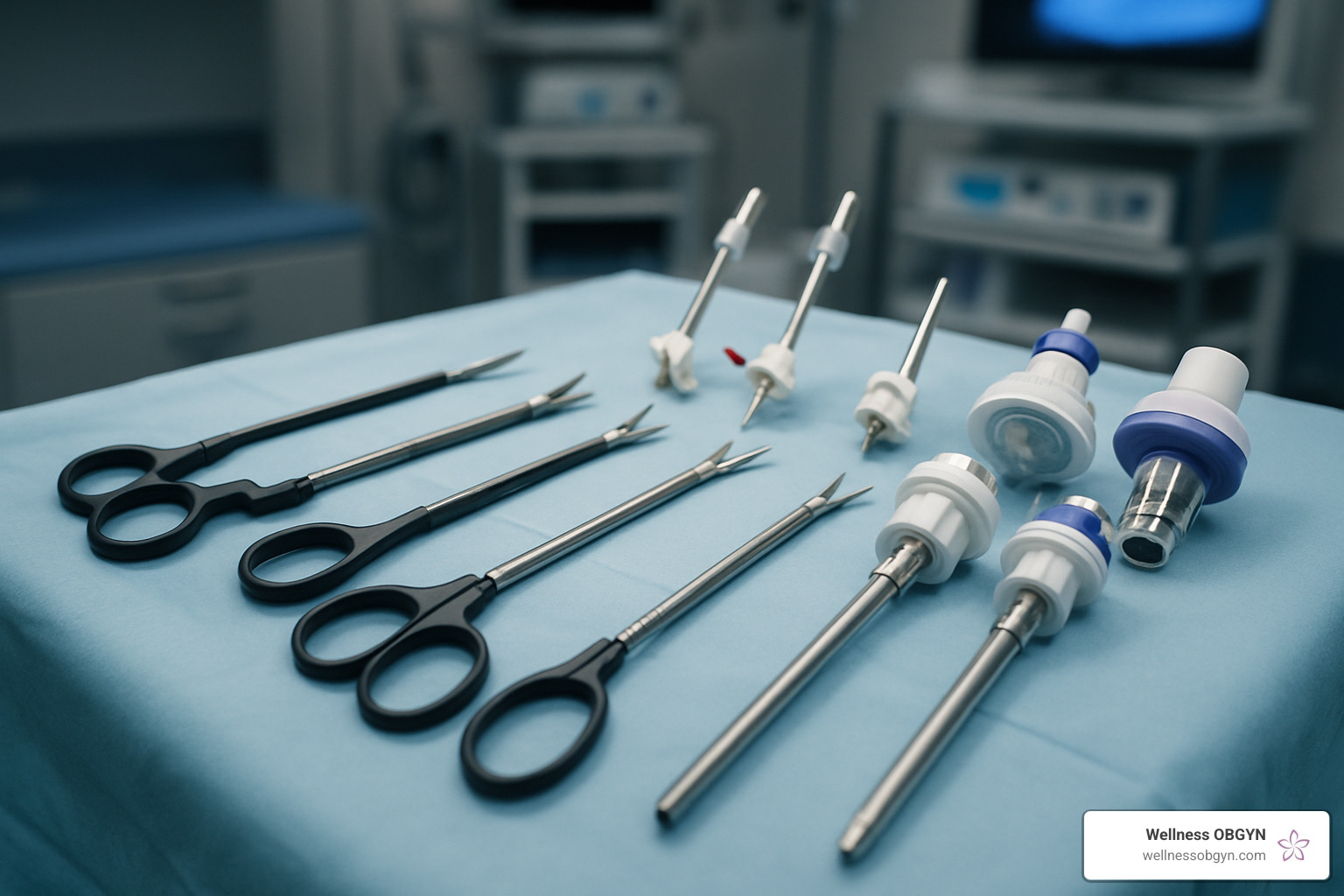
Laparoscopy is the backbone of modern gynecologic surgery. Traditional laparoscopy uses 3-4 tiny incisions in the abdomen, while the even less invasive single-site approach uses just one small opening, typically hidden in your belly button.
“Most of my patients are amazed when they can’t even find their incisions a few months after surgery,” says Dr. Lisa Masterson at Wellness OBGYN. “They often tell me, ‘I wish I hadn’t waited so long to have this done.'”
Some of our most innovative laparoscopic offerings include radiofrequency ablation for fibroids—a technique that treats these growths without cutting uterine tissue. Most women return to normal activities within just seven days. For women interested in restoring fertility after tubal ligation, we also offer laparoscopic tubal reanastomosis, which reconnects previously tied or cut fallopian tubes.
Hysteroscopy for Intrauterine Pathology
Hysteroscopy stands out as truly remarkable because it requires no incisions at all. A slender scope passes through the cervix into the uterus, allowing us to see and treat conditions inside the uterine cavity directly.
We regularly perform hysteroscopic procedures to remove polyps, submucosal fibroids, and treat heavy menstrual bleeding through endometrial ablation. We can also break up scar tissue within the uterus or correct a uterine septum—a congenital abnormality that can affect pregnancy.
What makes hysteroscopy particularly appealing is that many procedures can be performed right in our office without general anesthesia. This means you can literally walk in, have your procedure, and walk out—often returning to normal activities the very same day. Scientific research on hysteroscopic outcomes confirms these procedures are well-tolerated, cost-effective, and exceptionally convenient.
Robotic-Assisted Minimally Invasive Surgery OBGYN
For complex cases, robotic assistance takes minimally invasive surgery OBGYN to new heights. The da Vinci Surgical System, which we use at Wellness OBGYN, extends what’s possible through tiny incisions.
Imagine your surgeon having 10x magnified 3D vision inside your body, instruments that can rotate more fully than a human wrist, and technology that eliminates even the slightest hand tremor. This is the reality of robotic surgery today.
“Before robotics, we had to use large, heavy instruments as retractors or forceps in a patient’s abdomen,” explains Dr. Dan-Arin Silasi of Yale Medicine. “Now we can perform the most complex gynecologic cancer surgeries through tiny incisions.”
We regularly use robotic assistance for complex hysterectomies, myomectomies, and advanced endometriosis excision—procedures that might otherwise require larger incisions and longer recoveries.
Vaginal & Natural Orifice Techniques
If you’re concerned about visible scars, vaginal approaches are worth discussing. These are considered the most minimally invasive of all techniques because they leave no visible scars whatsoever.
Through the vagina, we can perform hysterectomies, pelvic organ prolapse repairs, and vaginal vault suspensions (which support the top of the vagina after hysterectomy). These approaches completely avoid abdominal incisions while still providing all the recovery advantages of other minimally invasive techniques.
“Many of my patients are surprised to learn we can perform a complete hysterectomy without a single external incision,” notes Dr. Sarah Chen at Wellness OBGYN. “The recovery difference is remarkable.”
Fertility-Sparing Options
For women who wish to preserve fertility, we offer several important options through minimally invasive surgery OBGYN techniques.
We can remove fibroids while preserving your uterus through laparoscopic or robotic myomectomy. Ovarian cysts can be removed while carefully preserving healthy ovarian tissue. Uterine anomalies that may affect pregnancy can be corrected through hysteroscopic procedures.
For women at risk of pregnancy loss due to cervical insufficiency, we offer laparoscopic cerclage placement. Cancer patients can benefit from laparoscopic ovarian transposition, which moves ovaries away from radiation fields to preserve fertility.
Endometriosis, which can significantly impact fertility, can be expertly excised while preserving reproductive organs. “Endometriosis is vastly underdiagnosed,” notes Dr. Siedhoff. “The first step is doing a thorough assessment, which includes using the best diagnostic equipment as well as really listening to the patient.”
At Wellness OBGYN in Honolulu, we understand that preserving fertility is a priority for many women. We take the time to discuss all options and create personalized treatment plans that align with your reproductive goals and overall health needs.
Whether you’re dealing with fibroids, endometriosis, or another gynecologic condition, know that modern minimally invasive surgery OBGYN techniques offer solutions that can get you back to your life quickly, with less pain and minimal scarring. Our team is here to guide you through all your options with compassion and expertise.
Are You a Candidate? Preparation, Expectations & Recovery in Minimally Invasive Surgery OBGYN
Wondering if minimally invasive surgery might be right for you? Good news—most women with gynecologic conditions requiring surgery make excellent candidates for minimally invasive surgery OBGYN. At Wellness OBGYN in Honolulu, we carefully evaluate each patient’s unique situation to determine the best approach.
While many women qualify, certain factors might influence your surgical options:
Your body mass index (BMI) doesn’t automatically rule you out, but may present additional considerations during surgery. Similarly, having previous abdominal surgeries might mean dealing with scar tissue that requires special attention. If you have certain medical conditions affecting your heart or lungs, we’ll need to carefully assess anesthesia options. Finally, the size and location of fibroids, endometriosis, or other conditions might influence our approach.
The wonderful thing is that many women who were previously told they needed traditional open surgery often find they’re excellent candidates for minimally invasive techniques when evaluated by our experienced team.
Pre-Op Checklist for Minimally Invasive Surgery OBGYN
Preparing for surgery doesn’t have to be overwhelming. We’ll guide you through each step to ensure you’re ready for a successful procedure and smooth recovery.
Your journey begins with a comprehensive consultation where we’ll discuss your condition, explore treatment options, and set realistic expectations. We’ll review your medications to identify any that might need adjustment before surgery. Most patients will need preoperative imaging—like ultrasound, MRI, or CT scan—to precisely map your anatomy and pathology.
Standard laboratory testing helps assess your overall health and surgical readiness. Depending on your specific procedure, you might need bowel preparation to clear your intestines. And of course, you’ll receive fasting instructions, typically avoiding food and drink after midnight before your surgery.
Don’t be shy about asking questions! The most informed patients often have the smoothest experiences. Consider asking about the specific procedure details, risks unique to your case, your surgeon’s experience and conversion rate (how often they need to switch to open surgery), recovery timeline, pain management options, and what support you’ll need at home afterward.
What Happens on Surgery Day
When you arrive at Wellness OBGYN for your procedure, our team will be ready to make your experience as comfortable as possible.
After checking in at your scheduled time, you’ll change into a gown and have your vital signs checked during preoperative preparation. You’ll meet with the anesthesia team to review the plan for your comfort during surgery. Most minimally invasive surgery OBGYN procedures use general anesthesia, though some hysteroscopic procedures might use local anesthesia with sedation instead.
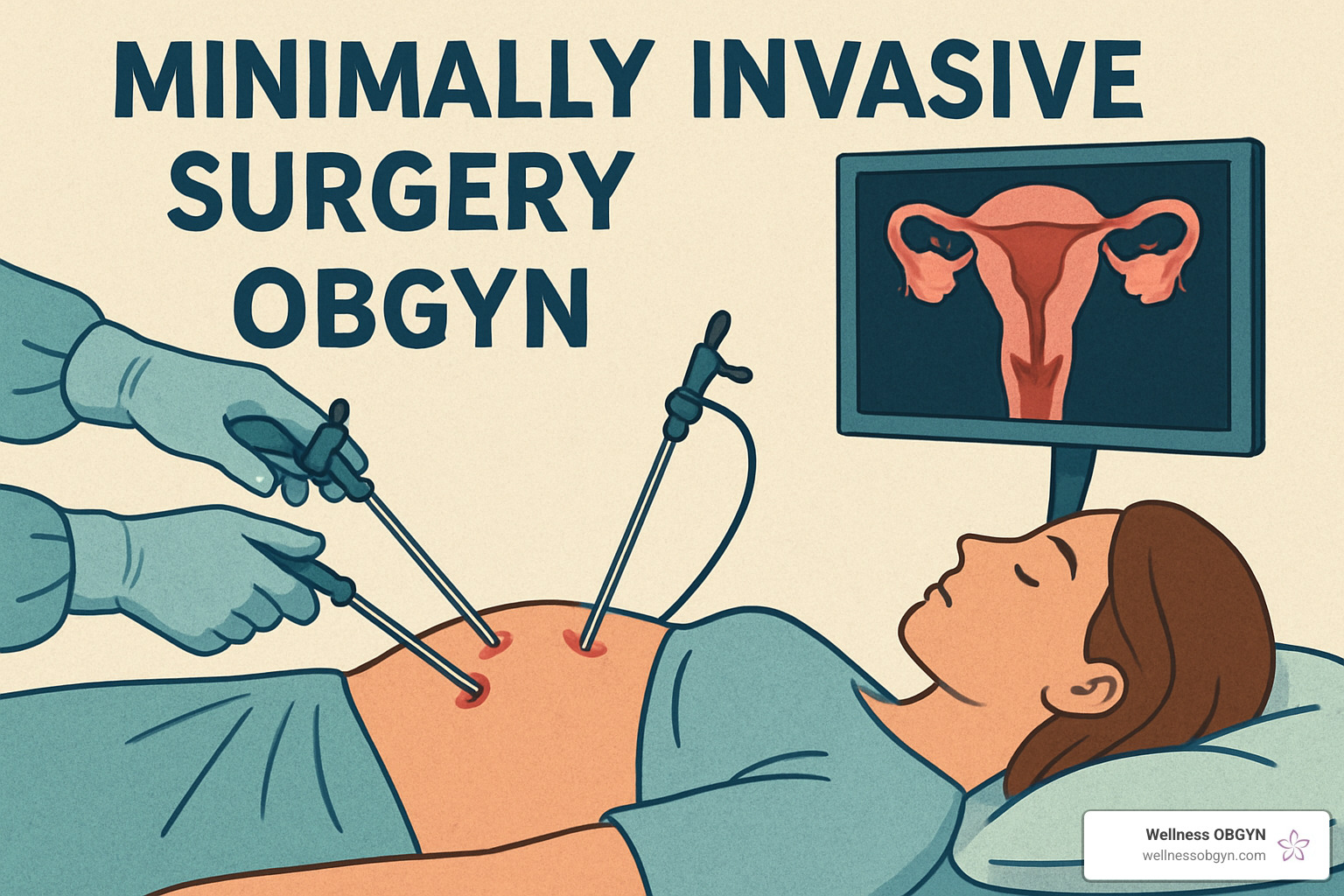
During your procedure, which typically lasts between 1-4 hours, your surgeon will place small ports (usually just 5-10mm in diameter) through tiny incisions if you’re having laparoscopic or robotic surgery. One port holds the camera that guides the surgeon, while others allow for specialized instruments.
After surgery, you’ll spend time in the recovery room where nurses will monitor you as you wake from anesthesia. One of the biggest advantages of minimally invasive approaches is that many patients go home the same day. Some procedures might require an overnight stay for observation, but this is far shorter than the multi-day hospitalizations typical with traditional surgery.
Recovery Timeline & Return to Life
The remarkably quick recovery is where minimally invasive surgery OBGYN truly shines. While traditional open surgery might keep you sidelined for 6-8 weeks, most minimally invasive procedures get you back to normal activities within just 1-2 weeks.
Your recovery journey typically follows this path: On the day of surgery, you’ll likely return home (for outpatient procedures). During the first few days, you’ll manage mild pain with prescribed medications, which is typically much less severe than with open surgery. By days 3-7, most patients can resume light activities and desk work.
Between 1-2 weeks, you’ll be able to return to most normal activities, with a gradual return to exercise and heavy lifting by 2-4 weeks. Most patients experience complete recovery within 4-6 weeks—significantly faster than the traditional 6-8 week recovery from open surgery.
For the best possible recovery, be sure to follow all postoperative instructions carefully. Take your prescribed pain medications as directed, keep incisions clean and dry, and attend all follow-up appointments. As you heal, gradually increase your activity as tolerated. Once your incisions are fully healed, you might consider applying silicone-based products to minimize scarring.
As one Mayo Clinic specialist notes, “Most women undergoing laparoscopic radiofrequency ablation are back to normal activity within seven days.” This rapid return to your regular life—getting back to work, family, and the activities you love—is one of the most treasured benefits of choosing a minimally invasive approach.
Benefits, Risks & Costs of Going Minimally Invasive
When you’re considering gynecologic surgery, understanding the advantages of minimally invasive surgery OBGYN can help ease your mind. At Wellness OBGYN Honolulu, we’ve seen how these modern techniques transform our patients’ surgical experiences.
The benefits go far beyond just smaller scars. Most women experience significantly less pain after surgery – something our patients consistently mention in their follow-up visits. With smaller incisions causing less tissue trauma, your body simply doesn’t have to work as hard to heal.
“The difference in my recovery compared to my sister’s traditional hysterectomy was night and day,” shares one of our patients. “I was back to my normal routine in days, while she struggled for weeks.”
Infection risk drops dramatically with minimally invasive approaches. Those tiny incisions create smaller pathways for potential bacteria, reducing your chances of developing surgical site infections. The precise visualization also leads to minimal blood loss during surgery – often just tablespoons compared to cups in traditional surgery.
Perhaps most appreciated by our busy patients is the dramatically shortened hospital stay. Most of our minimally invasive surgery OBGYN patients go home the same day or after just one night, rather than spending several days in the hospital. This means you’re recovering in the comfort of your own home, surrounded by family rather than hospital noise.

While we emphasize the benefits, we believe in complete transparency about potential risks as well. Any surgery comes with some risk of bleeding, though it’s typically minimal with MIGS. There’s a small possibility of injury to nearby organs like the bowel or bladder, though this is rare in experienced hands.
At Wellness OBGYN, our conversion rate (needing to switch to open surgery during a procedure) is less than 1% – matching the best centers nationally. We also take precautions against deep vein thrombosis (blood clots) and carefully manage anesthesia risks, which are standard with any surgical procedure.
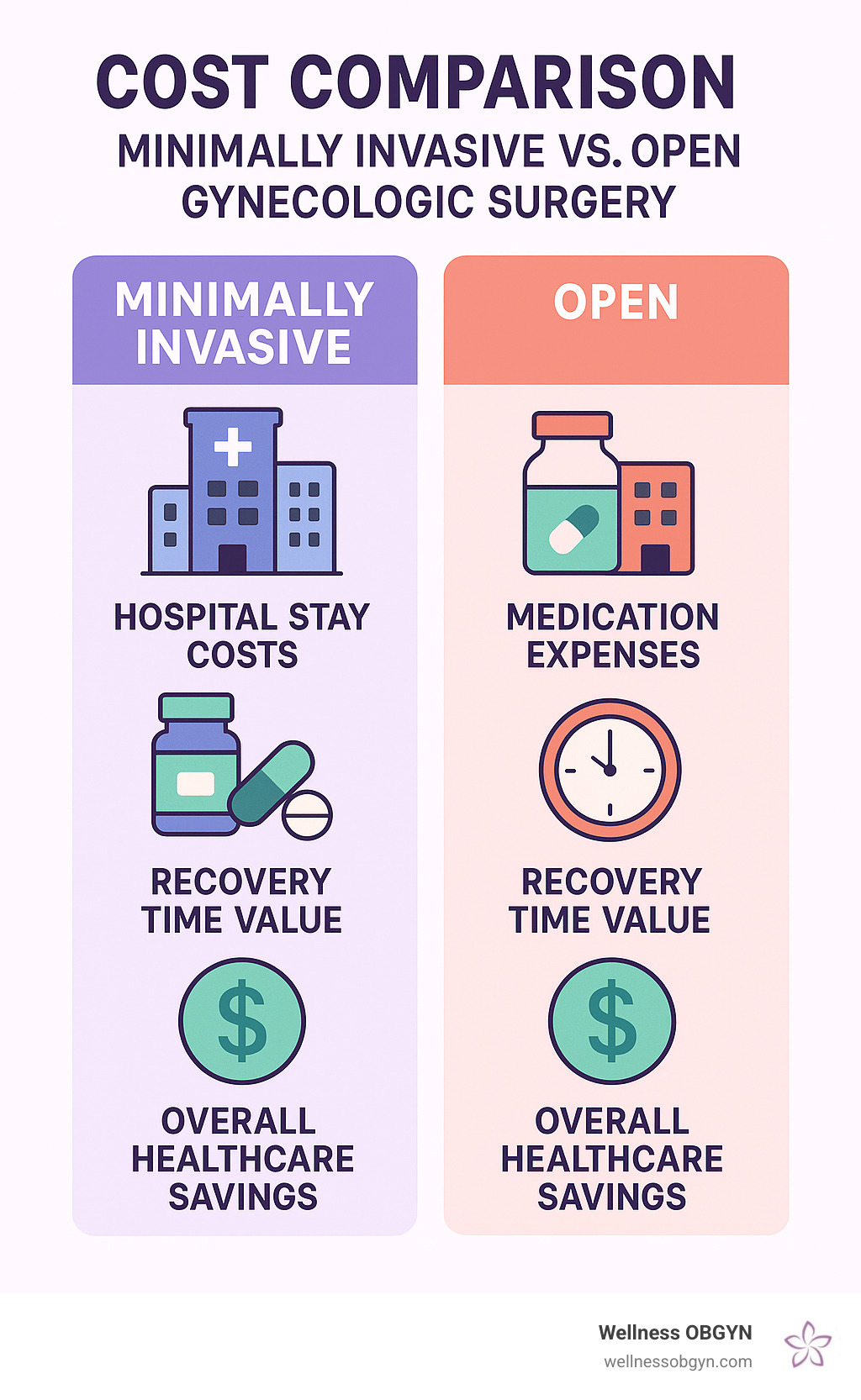
From a practical standpoint, many patients are pleasantly surprised by the financial advantages. While insurance coverage varies, the overall costs often end up lower than traditional surgery because of shorter hospital stays, fewer complications, and a quicker return to work. Many of our patients return to desk jobs within a week, compared to 4-6 weeks with open surgery.
“I was worried about missing too much work,” another patient told us, “but I only needed a long weekend off. That made a huge difference financially for my family.”
Minimally Invasive Surgery OBGYN: Key Outcome Metrics
The numbers tell a compelling story about why minimally invasive surgery OBGYN has become our standard approach at Wellness OBGYN. Our conversion rate (needing to switch to open surgery during a procedure) matches leading national centers at less than 1%. This means that once we begin your surgery laparoscopically, we can almost always complete it that way.
Patient satisfaction consistently scores higher with minimally invasive approaches. When we survey our patients, they repeatedly mention feeling surprised by how manageable their recovery was. The difference becomes even more apparent when we look at complication rates, which show significantly lower rates of infection, blood loss, and postoperative pain.
For our patients concerned about future fertility, minimally invasive techniques offer advantages there too. The precision of these approaches allows us to preserve healthy tissue and function whenever possible, leading to higher rates of successful fertility preservation when that’s a goal.
The real-world impact becomes clearest when looking at recovery times. Our patients typically return to work within 1-2 weeks after minimally invasive procedures, compared to the 4-6 weeks typically needed after traditional open surgery. This difference doesn’t just mean less disruption to your life – it represents thousands of dollars in productivity and reduced need for caregiving assistance.
At Wellness OBGYN in Honolulu, we believe these impressive outcomes explain why minimally invasive surgery OBGYN has become the gold standard for treating most gynecologic conditions requiring surgical intervention.
The Future of Minimally Invasive Surgery OBGYN & How to Choose the Right Surgeon
The world of minimally invasive surgery OBGYN is constantly evolving, with exciting innovations just around the corner. At Wellness OBGYN, we’re fascinated by emerging technologies that promise to make procedures even less invasive and more effective:
AI-guided surgery is beginning to transform operating rooms, with intelligent systems that help surgeons identify anatomy and pathology with unprecedented precision. Single-port robotics represents the next leap forward, allowing complex procedures through just one tiny incision instead of several.
“The technology is advancing so rapidly that what seemed like science fiction five years ago is now becoming standard practice,” says Dr. Camran Nezhat, a pioneer in the field.
Fluorescence imaging is another game-changer, using special dyes that light up specific tissues during surgery, making it easier to identify important structures and avoid complications. Meanwhile, MR-focused ultrasound offers completely non-invasive treatment for fibroids using precisely targeted sound waves – no incisions required at all.
We’re particularly excited about improved reality visualization systems that overlay digital information onto the surgical field, giving surgeons almost superhuman abilities to see beyond the surface. At Wellness OBGYN in Honolulu, staying current with these innovations allows us to offer our patients truly cutting-edge care.
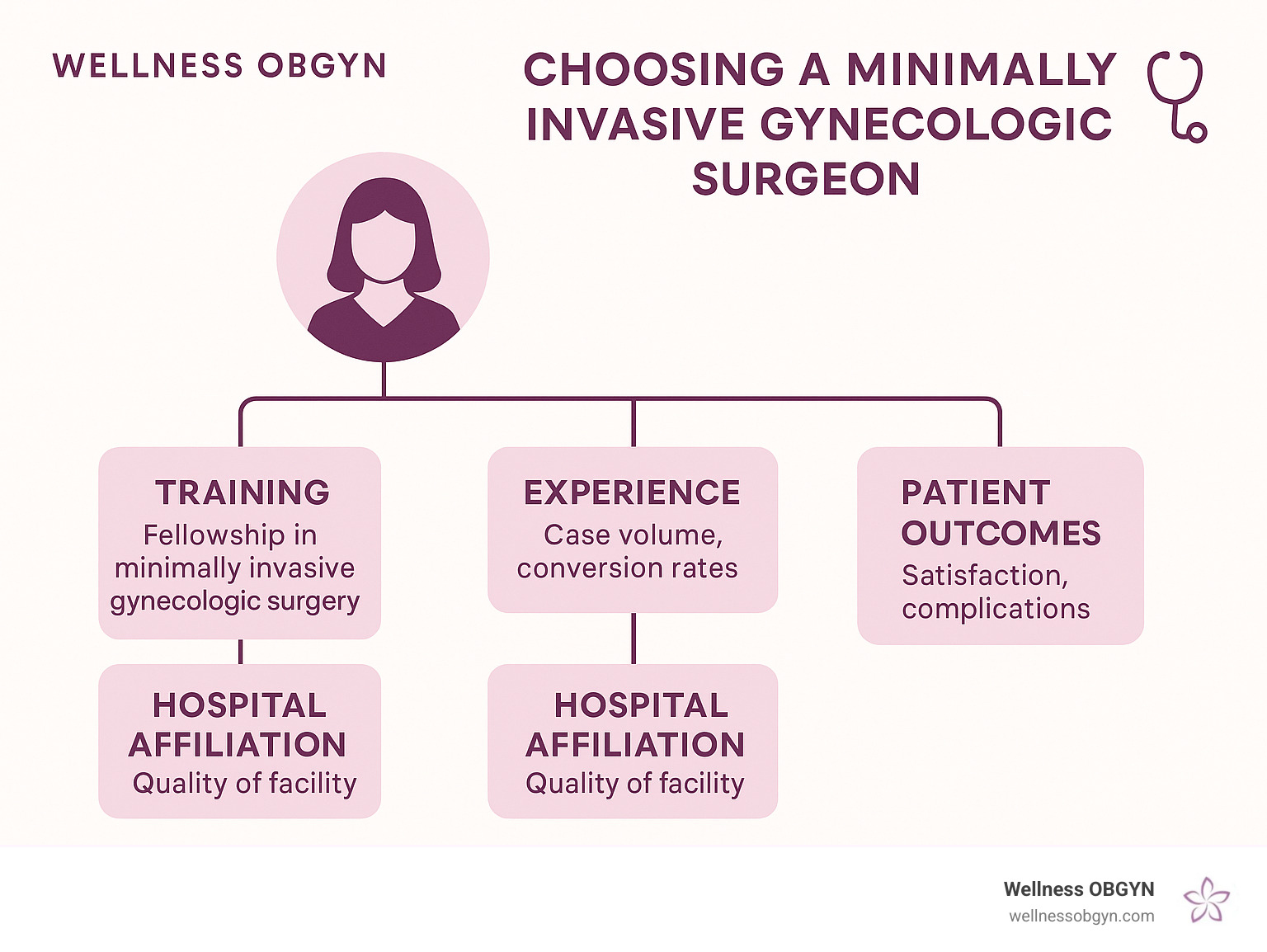
Choosing the right surgeon might be the most important decision you make on your surgical journey. Research clearly shows that surgeon experience and case volume directly impact outcomes – simply put, surgeons who perform more minimally invasive procedures tend to have better results and fewer complications.
When you’re looking for someone to perform your minimally invasive surgery OBGYN procedure, think of it like hiring for any important position. Check their credentials – board certification in obstetrics and gynecology is the baseline, but fellowship training specifically in minimally invasive techniques represents an additional year or more of specialized education.
Don’t be shy about asking about their procedure volume. A surgeon who performs your specific procedure frequently will likely have better outcomes than one who does it occasionally. Their conversion rate – how often they need to switch from minimally invasive to open surgery during a procedure – tells you a lot about their skill level. At top centers, this rate is typically below 1%.
The hospital or surgical center matters too. Facilities with high volumes of minimally invasive procedures generally have nursing staff and support teams who are more experienced with these techniques and recovery protocols.
Questions to Ask Before Your Minimally Invasive Surgery OBGYN
A good surgeon welcomes questions – they show you’re taking an active role in your care. Before scheduling your procedure, have a conversation that includes these key questions:
“Are you fellowship-trained in minimally invasive gynecologic surgery?” This additional training represents thousands of hours of specialized experience.
“How many of these specific procedures have you performed in the past year?” More is generally better when it comes to surgical volume.
“What is your conversion rate?” This reveals how often they need to switch to traditional open surgery during a procedure.
“What are your complication rates compared to national averages?” Good surgeons know their statistics and are comfortable sharing them.
Ask practical questions too: “Will you personally perform the entire procedure?” “What pain management can I expect afterward?” “When can I return to work and normal activities?”
Seeking a second opinion is completely reasonable, especially if open surgery is recommended without discussing minimally invasive options. Your body, your choice!
Multidisciplinary Care Matters
Complex gynecologic conditions rarely exist in isolation. At Wellness OBGYN, we believe in a team approach for the best possible outcomes.
When endometriosis affects the bowel, having a colorectal surgeon involved can make all the difference. For cases involving the bladder or urinary tract, our urology colleagues provide invaluable expertise. Women considering fertility preservation benefit enormously from reproductive endocrinologists who understand the nuances of fertility treatments.
“The days of the lone surgeon are over,” explains Dr. Jessica Shepherd, a minimally invasive gynecologic surgeon. “The best outcomes come from teams of specialists working together.”
Even beyond the operating room, comprehensive care matters. Chronic pelvic pain often responds best to a combination of surgical intervention and specialized pain psychology techniques. Many women benefit from pelvic floor physical therapy before or after surgery to optimize their results.
This collaborative approach ensures nothing falls through the cracks. At Wellness OBGYN in Honolulu, we’ve built relationships with specialists across disciplines to provide truly comprehensive care for our surgical patients, addressing all aspects of your condition for better outcomes and more complete healing.
Frequently Asked Questions about Minimally Invasive Surgery OBGYN
Will I still be able to have children after MIGS?
One of the most common concerns we hear at Wellness OBGYN is about future fertility. The good news is that many minimally invasive surgery OBGYN procedures are specifically designed with fertility preservation in mind.
If starting or expanding your family is important to you, procedures like myomectomy for fibroid removal, ovarian cystectomy, and endometriosis excision can actually improve your fertility chances. These surgeries address conditions that might be making it difficult to conceive while carefully preserving your reproductive organs.
“I always have a detailed conversation about fertility goals before any procedure,” explains Dr. Gretchen Makai. “For many women, minimally invasive techniques not only solve their immediate health concerns but can improve their ability to conceive in the future.”
Of course, some procedures like hysterectomy will eliminate the possibility of carrying a pregnancy. Others, such as endometrial ablation, aren’t directly intended to affect fertility but make pregnancy unlikely or potentially risky. We’ll always be clear about these implications during your consultation at Wellness OBGYN.
How soon can I return to work or exercise?
The remarkably quick recovery time is one of the biggest advantages of choosing minimally invasive surgery OBGYN. While everyone heals at their own pace, most of our patients are pleasantly surprised by how quickly they can return to their normal routines.
For desk jobs or light activity, many women feel ready to return within 3-7 days after surgery. Light walking is actually encouraged almost immediately to promote circulation and healing.
More active pursuits typically follow this timeline:
– Light physical activity and everyday tasks: Usually possible within 1-2 weeks
– More strenuous exercise like jogging or cycling: Generally safe to resume after 2-4 weeks
– Heavy lifting (over 20 pounds) and high-impact activities: Best to wait 4-6 weeks
“I remember one patient who was worried about missing her daughter’s wedding,” recalls a Wellness OBGYN nurse. “With minimally invasive surgery, she was not only able to attend two weeks later but felt well enough to dance!”
Your personalized recovery guidelines will depend on your specific procedure and how your body responds. We’ll provide clear instructions and are always available to answer questions as you heal.
Are there situations where open surgery is still necessary?
While we’re passionate advocates for minimally invasive approaches at Wellness OBGYN, we recognize that traditional open surgery still has its place in certain situations.
Sometimes very large fibroids or ovarian masses simply cannot be safely removed through small incisions. Extensive scarring (adhesions) from previous surgeries can occasionally make minimally invasive access challenging. Certain gynecologic cancers may require open surgery, though many can now be treated minimally invasively thanks to advances in techniques and technology.
Emergency situations sometimes necessitate immediate open access, and certain medical conditions might make minimally invasive approaches riskier for some patients.
That said, even in these complex cases, a surgeon with experience in advanced minimally invasive surgery OBGYN techniques can often still offer less invasive options. The statistics are reassuring: at leading centers, conversion rates from minimally invasive to open surgery during a procedure are less than 1%.
“What impresses me most is how cases that would have automatically required open surgery just five years ago can now be handled with tiny incisions,” notes Dr. Siedhoff. “The field continues to advance at a remarkable pace.”
At Wellness OBGYN in Honolulu, we’re committed to offering the least invasive option that will safely and effectively address your condition. We take the time to evaluate each case individually, considering your unique anatomy, medical history, and treatment goals to recommend the most appropriate surgical approach.
Conclusion
Minimally invasive surgery OBGYN has truly revolutionized women’s healthcare. What was once a field dominated by large incisions and lengthy recoveries has transformed into one where tiny “keyhole” openings and advanced technology allow for remarkable results with far less disruption to women’s lives.
The benefits speak for themselves—less pain, faster healing, minimal scarring, and quicker returns to work, family, and the activities you love. For most women facing gynecologic surgery, these approaches offer a dramatically improved experience compared to traditional open procedures.
At Wellness OBGYN in Honolulu, we witness the life-changing impact of these techniques every day. Our patients frequently express surprise at how manageable their recovery is, often returning to normal activities within days rather than the weeks or months required after traditional surgery.
“I was back to taking care of my kids just a week after my procedure,” shared one recent patient. “I had prepared for a much longer recovery based on my mother’s experience with open surgery years ago. The difference is remarkable.”
We believe every woman deserves access to these advanced techniques. Our team has dedicated years to mastering minimally invasive surgery OBGYN approaches because we’ve seen how they improve outcomes and preserve quality of life.
Whether you’re dealing with fibroids that cause heavy bleeding, endometriosis pain that’s affecting your daily activities, or another gynecologic condition requiring surgical intervention, we’re committed to finding the least invasive approach that effectively addresses your specific needs.
Surgery is never something to take lightly, but knowing that minimally invasive options exist can provide tremendous peace of mind. At Wellness OBGYN, we take the time to explain all your options, answer your questions, and develop a treatment plan custom to your unique situation and goals.
Our patient-centered approach means we listen first, then recommend treatments based on your individual needs—never a one-size-fits-all solution. From your first consultation through your full recovery, our compassionate team will be with you every step of the way.
If you’re facing a gynecologic condition that may require surgical treatment, we invite you to learn more about our minimally invasive surgery services. We’re here to help you steer your options and find the approach that’s right for you.
Your health journey matters to us. At Wellness OBGYN in Honolulu, we’re dedicated to providing the expert, compassionate care you deserve with the most advanced, least invasive techniques available. Because when it comes to your health, both the destination and the journey matter.