
Navigating the Change: Why Lifestyle Matters in Menopause
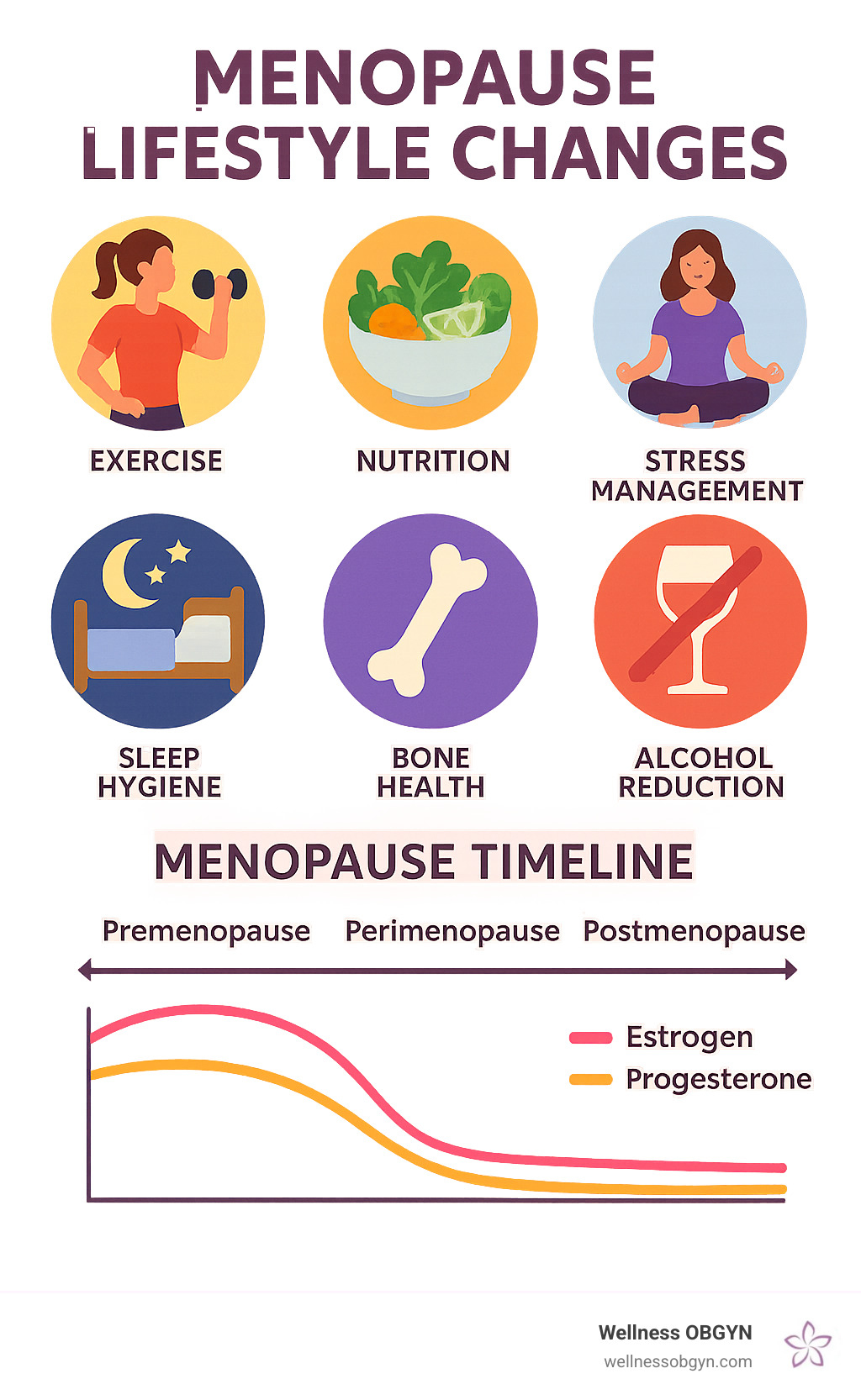
Menopause lifestyle changes are simple yet powerful adjustments that can dramatically improve your comfort and health during this natural transition. If you’re looking for immediate ways to ease symptoms, here are the most effective changes you can make:
- Exercise regularly – Aim for 150 minutes of moderate activity weekly
- Adopt a Mediterranean diet rich in vegetables, whole grains, and healthy fats
- Manage your environment – Use layered clothing and keep bedrooms cool
- Practice stress reduction through yoga, meditation, or deep breathing
- Maintain bone health with calcium-rich foods and vitamin D
- Limit alcohol and caffeine which can trigger hot flashes
- Quit smoking to reduce symptom severity and health risks
Menopause marks the end of your reproductive years, typically occurring around age 51, though symptoms can begin several years earlier during perimenopause. This transition isn’t just about hot flashes—it affects your entire body, from your bones to your heart to your emotional wellbeing.
During this time, your ovaries gradually produce less estrogen and progesterone, leading to symptoms like night sweats, mood changes, and sleep disruptions. While these changes are natural, they don’t have to dominate your life. The right lifestyle adjustments can make a significant difference in how you experience this transition.
Women lose an average of 25% of their bone mass between menopause and age 60, making bone-protecting habits crucial. Up to 80% of women experience hot flashes, but studies show that regular physical activity can reduce their frequency and intensity.
I’m Dr. Cheryl Twu, and I’ve helped hundreds of women steer menopause lifestyle changes through my practice at Wellness OBGYN, combining evidence-based medicine with holistic approaches that address each woman’s unique symptoms and health goals.
Handy Menopause lifestyle changes terms:
– Holistic menopause treatment
– Hormone therapy options
– Menopause and diet
Menopause 101: What’s Happening in Your Body
Remember when your body first surprised you with puberty? Well, menopause is like puberty’s older, wiser sister – another natural transition that comes with its own unique set of changes. By definition, menopause officially arrives when you’ve gone a full 12 months without a period. Most women reach this milestone between ages 45-55, with 51 being the average age here in the United States.
But what’s actually happening beneath the surface? Your ovaries are gradually winding down their hormone production – particularly estrogen and progesterone. These aren’t just period-regulating hormones; they’re influential players that affect everything from your bone strength to your emotional wellbeing. This hormonal shift doesn’t happen overnight but unfolds in stages:
- Perimenopause: The transition years before menopause, typically lasting 4-8 years when symptoms often begin
- Menopause: The official milestone marking 12 months since your last period
- Postmenopause: All the years that follow (potentially a third of your life!)
These hormonal changes touch nearly every system in your body, which is exactly why menopause lifestyle changes become so important. Without estrogen’s protective effects, your risk for osteoporosis and heart disease naturally increases. The silver lining? Simple lifestyle adjustments can make a world of difference in managing symptoms and protecting your long-term health.
Key Symptoms to Track
Becoming familiar with your personal menopause experience starts with recognizing the common symptoms. Think of your body as trying to communicate with you through these signals:
Hot flashes – those sudden waves of heat that seem to come from nowhere, often with a side of sweating and flushed skin. Night sweats are essentially the same thing, just with terrible timing that disrupts your sleep.
Mood changes might have you feeling more irritable, anxious, or occasionally sad. Many women describe a mental “brain fog” that affects memory and concentration.
Weight distribution often changes too, with more pounds settling around the middle. And intimacy can face challenges with vaginal dryness making intercourse uncomfortable, while decreased libido might reduce your interest altogether.
I often recommend keeping a simple symptom journal – nothing fancy, just notes on your phone or a small notebook. Track when symptoms happen, how intense they feel, and potential triggers like that afternoon coffee or glass of wine. This information becomes incredibly valuable when discussing options with your healthcare provider.
When to Seek Medical Advice
While many women steer menopause with minimal medical help, certain situations definitely warrant a conversation with your doctor:
Symptoms significantly impacting your quality of life deserve attention – menopause is natural, but suffering through it isn’t necessary. Unusual bleeding patterns – especially very heavy periods or bleeding after a year without periods – should always be evaluated. Severe mood changes might indicate depression or anxiety that could benefit from treatment.
Premature menopause (before age 40) requires medical attention, as does a strong family history of osteoporosis or heart disease that might increase your personal risk. And persistent vaginal bleeding after menopause always needs prompt medical evaluation.
At Wellness OBGYN here in Honolulu, we offer comprehensive menopause assessments to determine if hormone therapy might be appropriate for you. Hormone Therapy Options can be truly life-changing for many women, though they’re not the right fit for everyone. We’ll help you weigh the benefits and risks based on your unique health history and personal preferences.
Menopause isn’t a condition that needs “fixing” – it’s a natural transition. But that doesn’t mean you should struggle through uncomfortable symptoms when effective support is available. Our approach focuses on empowering you with knowledge and options to make this transition as smooth as possible.
Menopause lifestyle changes: Move Smart, Feel Strong
Movement might just be your secret weapon during menopause. The NHS recommends at least 150 minutes of moderate activity (think brisk walking where you can talk but not sing) or 75 minutes of vigorous exercise (where you’re breathing hard enough that conversation becomes difficult) each week. Adding strength training twice weekly completes this powerful prescription.
When I talk with my patients at Wellness OBGYN about menopause lifestyle changes, exercise always tops our list because it delivers such impressive benefits. Regular physical activity can actually reduce how often hot flashes strike and how intense they feel. Many women also notice improved sleep, easier weight management, and significant mood boosts. Perhaps most importantly, exercise strengthens your bones and muscles at precisely the time when your body needs that support most.
| Exercise Type | Benefits for Menopause | Recommended Frequency |
|---|---|---|
| Cardiovascular (walking, swimming, cycling) | Improves heart health, helps manage weight, reduces hot flashes | 150 min/week moderate or 75 min/week vigorous |
| Strength Training (weights, resistance bands) | Preserves muscle mass, strengthens bones, boosts metabolism | 2-3 times/week |
| Weight-bearing (walking, dancing, tennis) | Maintains bone density, reduces osteoporosis risk | 3-5 times/week |
| Balance & Flexibility (yoga, tai chi, Pilates) | Improves posture, reduces fall risk, manages stress | 2-3 times/week |
Build a Weekly Action Plan
The magic of exercise during menopause isn’t in perfect workouts—it’s in consistency. Finding activities you genuinely enjoy transforms exercise from a chore into something you look forward to. Love being outdoors? A daily walk or weekend hike might be your perfect fit. Enjoy music? Dancing counts as excellent exercise! Miss socializing? Group fitness classes offer both movement and connection.
Start exactly where you are right now. If you’re new to exercise, even 10 minutes daily makes a difference, and you can gradually build from there. The most successful approach combines different activities to prevent boredom while targeting various aspects of fitness.
Scheduling movement like any other important appointment dramatically increases your chances of following through. A simple weekly plan might include a 30-minute walk on Monday, 20 minutes with weights or resistance bands Tuesday, yoga Wednesday, biking Thursday, more strength work Friday, a fun activity like golf or tennis Saturday, and gentle stretching Sunday.
Everyday activities count too—gardening, taking stairs instead of elevators, even energetic housework all contribute to your movement goals. The real aim is avoiding extended periods of sitting throughout your day.
Keep Bones & Muscles Happy
The hormonal shifts of menopause create a perfect storm for bone health. Women typically lose about 25% of their bone mass between menopause and age 60. At the same time, muscle naturally decreases with age, affecting everything from your metabolism to your ability to stay active and independent.
Progressive resistance training becomes especially valuable during this time. Starting with lighter weights and gradually increasing the challenge stimulates both bone formation and muscle preservation. Your body responds to the demands you place on it, so challenging your muscles and bones through resistance work signals them to stay strong.
Impact exercises deliver another crucial benefit for bone health. Activities where your feet strike the ground—walking, jogging, or even gentle jumping—create positive stress that encourages bone strengthening. Combined with balance and posture work, these exercises not only build strength but also help prevent falls, which become a serious concern as bone density decreases.
Patience matters with bone health—it typically takes at least 4-6 months of consistent strength training to see improvements in bone density. Pairing your exercise routine with proper nutrition (especially adequate calcium, vitamin D, and protein) creates the optimal environment for maintaining strong bones and muscles.
At Wellness OBGYN in Honolulu, we understand that starting an exercise program during menopause can feel overwhelming. We’re here to help you develop a personalized plan that respects your current fitness level while addressing your specific health concerns. Our goal is making movement an enjoyable, sustainable part of your menopause journey—because feeling strong in your body creates ripple effects through every aspect of your well-being.
Eat for Energy, Bones & Heart Health

When it comes to managing menopause, what you put on your plate matters just as much as how you move your body. I’ve seen countless women transform their menopause experience simply by changing their eating habits. The star of the show? The Mediterranean diet.
This isn’t just another food trend – research consistently shows that Mediterranean eating patterns offer remarkable benefits during menopause. Picture a colorful plate filled with fresh vegetables, fruits, whole grains, beans, nuts, and olive oil, with moderate amounts of fish and poultry. This way of eating does more than just fill your stomach – it actively fights inflammation that can trigger hot flashes, supports your heart as estrogen’s protective effects wane, and provides essential nutrients your bones desperately need during this transition.
Menopause lifestyle changes should include paying special attention to certain nutrients. Your body now needs about 1300 mg of calcium daily – that’s roughly three servings of dairy or calcium-rich alternatives like fortified plant milks or dark leafy greens. Vitamin D becomes your best friend too, with the NHS recommending 10 µg (400 IU) daily, especially during those darker winter months when sunshine is in short supply.
Don’t overlook the power of phytoestrogens – plant compounds found in soy, flaxseeds, and legumes that can help ease mild symptoms by mimicking estrogen’s effects in the body. Adding omega-3-rich foods like salmon, walnuts or flaxseeds supports not just your heart but your brain health too. And fiber? Aim for 25-30 grams daily to keep your digestion running smoothly and your blood sugar stable.
While focusing on what to add to your diet, also consider what to limit. Added sugars can trigger inflammation and energy crashes – exactly what you don’t need during menopause. Keep alcohol to no more than one standard drink daily, as it can worsen hot flashes and disrupt your already fragile sleep. Many women find that caffeine triggers their hot flashes, so consider cutting back, especially after lunch. And those highly processed foods? They’re often packed with sodium, unhealthy fats, and additives that may make your symptoms worse.
Portion & Weight Management Hacks
“Why am I gaining weight when nothing about my diet has changed?” This is perhaps the most common question I hear from my menopause patients. The truth is, your body is redistributing fat in new ways – shifting from hips and thighs to the abdomen. In fact, postmenopausal women store 15-20% of total body fat in the abdomen compared to just 5-8% before menopause. This isn’t just about appearance – this visceral fat increases your risk for heart disease, diabetes, and certain cancers.
Managing your weight during this transition doesn’t mean restrictive dieting. Instead, try these practical approaches: use smaller plates to naturally control portions without feeling deprived. Include protein at each meal to stay satisfied longer and preserve precious muscle mass. Practice mindful eating by slowing down and really enjoying each bite, stopping when you’re comfortably satisfied rather than stuffed.
Preparing meals at home gives you control over both ingredients and portions. And don’t forget to stay hydrated – sometimes what feels like hunger is actually thirst in disguise. Having strategies ready for challenging situations like restaurants, travel, and social events helps you stay consistent. Above all, be patient with your changing body – focus on how much better you feel rather than obsessing over the scale.
Supplements & Testing
While I always emphasize food first, some supplements can be valuable allies during menopause. Before starting any supplement regimen, consider testing your vitamin D levels – many women are surprised to find they’re deficient, especially those living in northern climates or with limited sun exposure.
If your diet consistently falls short on calcium, a supplement might bridge the gap. Magnesium supplements help some women with sleep troubles, mood swings, and muscle cramps. And if fatty fish isn’t regularly on your menu, an omega-3 supplement might be worth considering.
At Wellness OBGYN, we don’t believe in one-size-fits-all approaches to nutrition. We can order appropriate tests to identify your specific nutritional needs and develop a personalized plan that works for your body and lifestyle. Our evidence-based recommendations take into account your unique health history, current symptoms, and long-term health goals.
Curious about how diet specifically impacts menopause symptoms? Check out the latest scientific research on Mediterranean diet & menopause for more insights on how these menopause lifestyle changes can make a real difference in how you feel.
Beat Hot Flashes, Sleep Issues & Mood Swings
Those sudden waves of heat that leave you flushed and sweating? You’re not alone. Hot flashes and night sweats affect up to 80% of women during menopause, making them the most common symptoms we see at Wellness OBGYN. These vasomotor symptoms occur when your brain’s temperature control center gets confused by the hormonal rollercoaster of menopause.
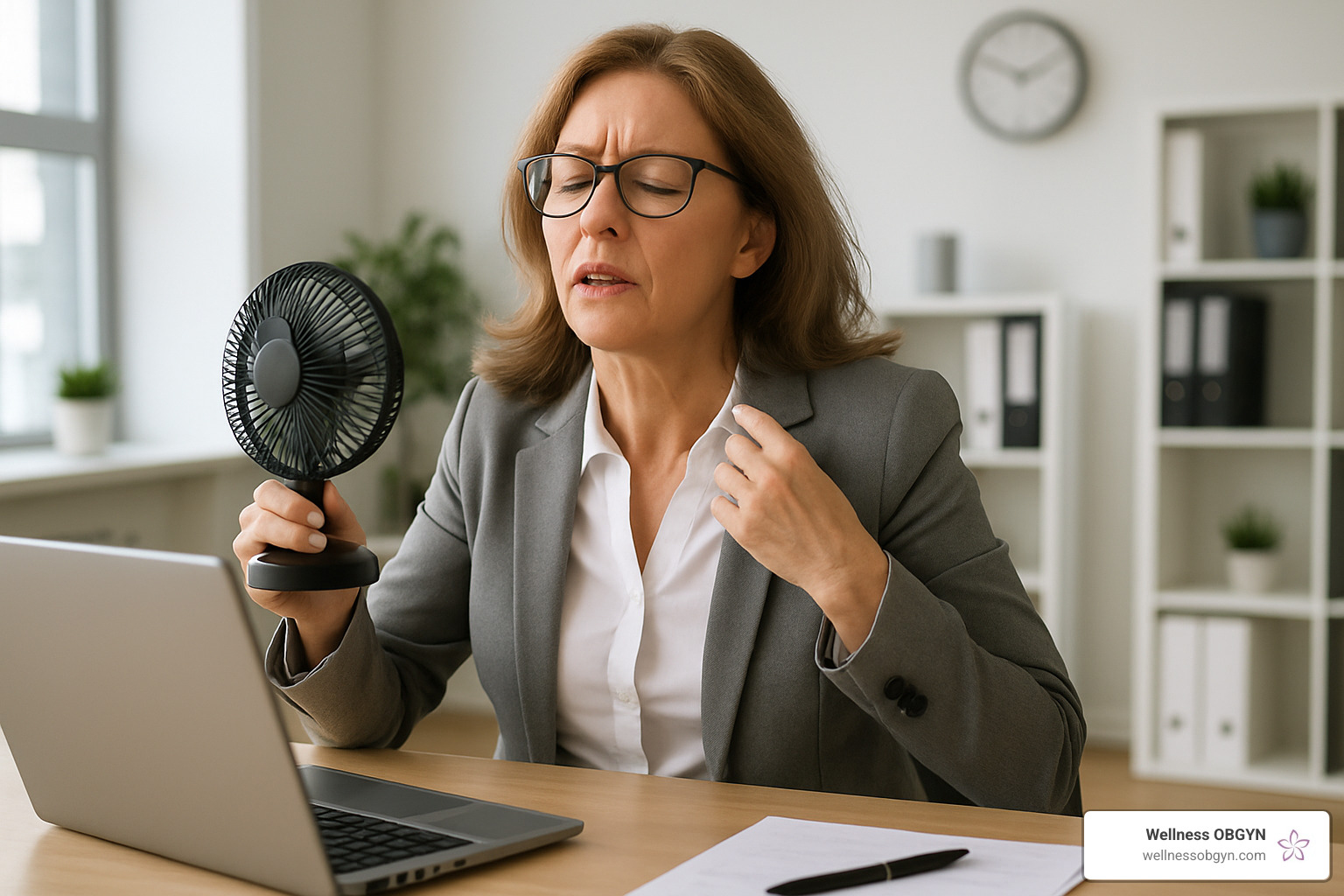
Becoming a hot flash detective can make a world of difference. Start by tracking what triggers your personal heat waves. Common culprits include that morning cup of coffee, that glass of wine with dinner, spicy foods, or even moments of stress. Once you identify your triggers, you can start avoiding them.
Dressing in layers becomes your new fashion strategy – I tell my patients to think of it as creating a personal climate control system. A cardigan that can be quickly removed or a scarf that can be unwrapped gives you options when the heat strikes.
Keep your environment cool when possible. I have patients who’ve become best friends with their desk fans, keep ice water constantly at hand, or have even rearranged their workspace to sit near air conditioning vents. These small adjustments can make your day much more comfortable.
When you feel a hot flash coming on, try paced breathing – slow, deep breaths from your abdomen (5-7 seconds in, 5-7 seconds out). It sounds simple, but research shows this technique can actually reduce hot flash intensity by calming your nervous system.
For those nighttime heat waves, create a sleep sanctuary designed for coolness. The ideal bedroom temperature is cooler than you might think – between 60-67°F (15-19°C). Breathable, lightweight bedding and natural-fiber pajamas can help wick away moisture. Some of my patients even keep a change of nightclothes and a small towel by their bed for middle-of-the-night changes.
Many women also find relief through acupuncture treatments, which some studies suggest may help reduce both the frequency and severity of hot flashes.
Sleep Hygiene Toolkit
When I ask my menopausal patients about their biggest challenges, sleep disruptions often top the list. Up to 60% of women in menopause struggle with sleep, whether from night sweats, mood changes, or natural age-related shifts in sleep patterns. The frustrating part? Poor sleep can actually make your other menopause symptoms worse.
Creating a consistent sleep routine becomes crucial during this time. Your body craves regularity – going to bed and waking up at the same times daily, even on weekends, helps regulate your internal clock.
Developing a wind-down ritual signals to your body that it’s time to sleep. About an hour before bed, dim the lights and engage in calming activities. Some of my patients enjoy reading (not on screens!), gentle stretching, or taking a warm bath with lavender essential oil.
Speaking of screens, the blue light from phones, computers and TVs suppresses your natural melatonin production. Try to create a technology boundary, keeping devices out of the bedroom and stopping screen time at least an hour before sleep.
Your sleep environment matters tremendously. Dark, quiet, and cool are the magic words for your bedroom. Consider blackout curtains, white noise machines, or earplugs if needed. Even small amounts of light from digital clocks or charging devices can disrupt sleep quality.
Be mindful of what you consume in the evening. Caffeine can stay in your system for up to 8 hours, so that afternoon latte might be sabotaging your sleep. Alcohol might help you fall asleep initially, but it typically causes disrupted, poor-quality sleep later in the night. If you’re hungry before bed, opt for a light snack containing tryptophan – perhaps a small amount of turkey or warm milk – which may help induce sleep.
If sleep problems persist despite your best efforts, don’t suffer in silence. At Wellness OBGYN, we can discuss options like Cognitive Behavioral Therapy for Insomnia (CBT-I), which has shown particular effectiveness for menopausal sleep issues.
Mental Well-Being & Stress Relief
The emotional rollercoaster of menopause is real – and it’s not just “in your head.” Hormonal fluctuations directly affect neurotransmitters that regulate mood, potentially leading to increased anxiety, irritability, or depressive symptoms. Many women describe feeling unlike themselves, with emotions that seem to come out of nowhere.
Mindfulness meditation can be a powerful ally during this time. Even 5-10 minutes daily can reduce stress hormones and improve emotional regulation. I recommend apps like Calm or Headspace to my patients who are new to meditation – they offer guided sessions specifically for menopause symptoms.
Yoga or tai chi offers a beautiful combination of movement, breathing, and meditation. These mind-body practices not only reduce stress but can also help with physical symptoms. Many of my patients find that a regular yoga practice helps them feel more centered during this transition.
Cognitive behavioral therapy (CBT) has impressive research behind it for menopause symptom management. This therapeutic approach helps identify and reframe negative thought patterns that might be making your experience worse. Studies show CBT can reduce the impact of hot flashes and improve sleep quality.
Don’t underestimate the power of social connection during menopause. Women have traditionally supported each other through life transitions, and there’s wisdom in that tradition. Consider joining a menopause support group where you can share experiences with others who truly understand what you’re going through.
Make time for activities that bring you joy and relaxation. Whether it’s gardening, painting, or meeting friends for coffee, these moments of pleasure help balance the challenges. Learning to set boundaries and say no to energy-depleting obligations becomes an important skill during this time.
If mood changes significantly impact your quality of life, please reach out for professional support. At Wellness OBGYN, we understand the deep connection between physical and emotional well-being during menopause. Our approach addresses both aspects, because menopause lifestyle changes should nurture your whole self – body, mind, and spirit.
Sexual Wellness and Vaginal Comfort
Intimacy doesn’t have to become a casualty of menopause. Yet up to 40% of women report painful sex during this transition due to vaginal dryness and atrophy. These changes aren’t just uncomfortable—they can profoundly impact your quality of life and closest relationships.
What’s happening? As estrogen levels decline, the vaginal tissues that were once thick, moist, and elastic begin to thin. The vaginal lining becomes less elastic and produces significantly less natural lubrication. The good news? You don’t need to suffer in silence or accept these changes as inevitable.
“Many of my patients are surprised to learn how many effective options exist for vaginal comfort,” says Dr. Cheryl Twu. “With the right approach, women can maintain sexual wellness throughout menopause and beyond.”
Several approaches can help maintain comfort and pleasure:
Over-the-counter moisturizers work differently than lubricants—they’re designed for regular use (not just during intimacy) to maintain overall vaginal moisture. Look for products free of irritating ingredients like glycerin and parabens for best results.
Water-based lubricants are your best friend during sexual activity, reducing friction and discomfort in the moment. If you’re using condoms, remember to avoid oil-based products which can compromise their effectiveness.
Pelvic floor exercises do more than prevent leaking—regular Kegel exercises strengthen the muscles supporting your vagina, improving blood flow to the area and enhancing sexual response. Just a few minutes daily can make a noticeable difference.
Regular sexual activity, whether with a partner or through self-stimulation, helps maintain vaginal health naturally. Sexual activity increases blood flow to the genital area, which helps preserve tissue health and elasticity.
This comprehensive approach stimulates your body’s natural regenerative processes, improving blood flow and tissue health with minimal recovery time. The treatment is customized to your specific needs and can provide relief from urinary incontinence symptoms while also enhancing intimate pleasure. Many women report increased sensitivity and sexual satisfaction following treatment.
Non-Hormonal & Hormonal Helpers
When addressing vaginal symptoms during menopause, you have both non-hormonal and hormonal options to consider, depending on your preferences and medical history.
Non-hormonal approaches work well for many women and are particularly important for those who cannot use hormonal treatments. Beyond the regular use of moisturizers and lubricants, consider exploring pelvic floor physical therapy with a specialist trained in women’s health.
Hormonal options can be particularly effective for vaginal symptoms. Low-dose vaginal estrogen (available as creams, tablets, or rings) acts locally with minimal systemic absorption, making it an option even for some women who cannot take systemic hormone therapy. These products restore the vaginal environment more effectively than non-hormonal options alone.
For those who can safely use them, systemic hormone therapy or bioidentical hormone options can be customized to your individual needs, addressing multiple menopause symptoms simultaneously.
“The right approach depends on your symptoms, medical history, preferences, and goals,” explains Dr. Twu. “What works beautifully for one woman might not be right for another.”
At Wellness OBGYN, we understand that every woman’s experience with menopause is unique. We offer Holistic Menopause Treatment that combines evidence-based medicine with deeply personalized care. During your consultation, we’ll listen carefully to your concerns, review your health history, and develop a treatment plan that aligns with your goals.
Whether you’re experiencing occasional discomfort or significant symptoms that affect your daily life, we have solutions to help you maintain sexual wellness and comfort throughout menopause and beyond. Menopause lifestyle changes combined with appropriate treatments can transform this experience from one of loss to one of empowerment and continued vitality.
Guarding Your Future: Bones, Heart & Overall Health
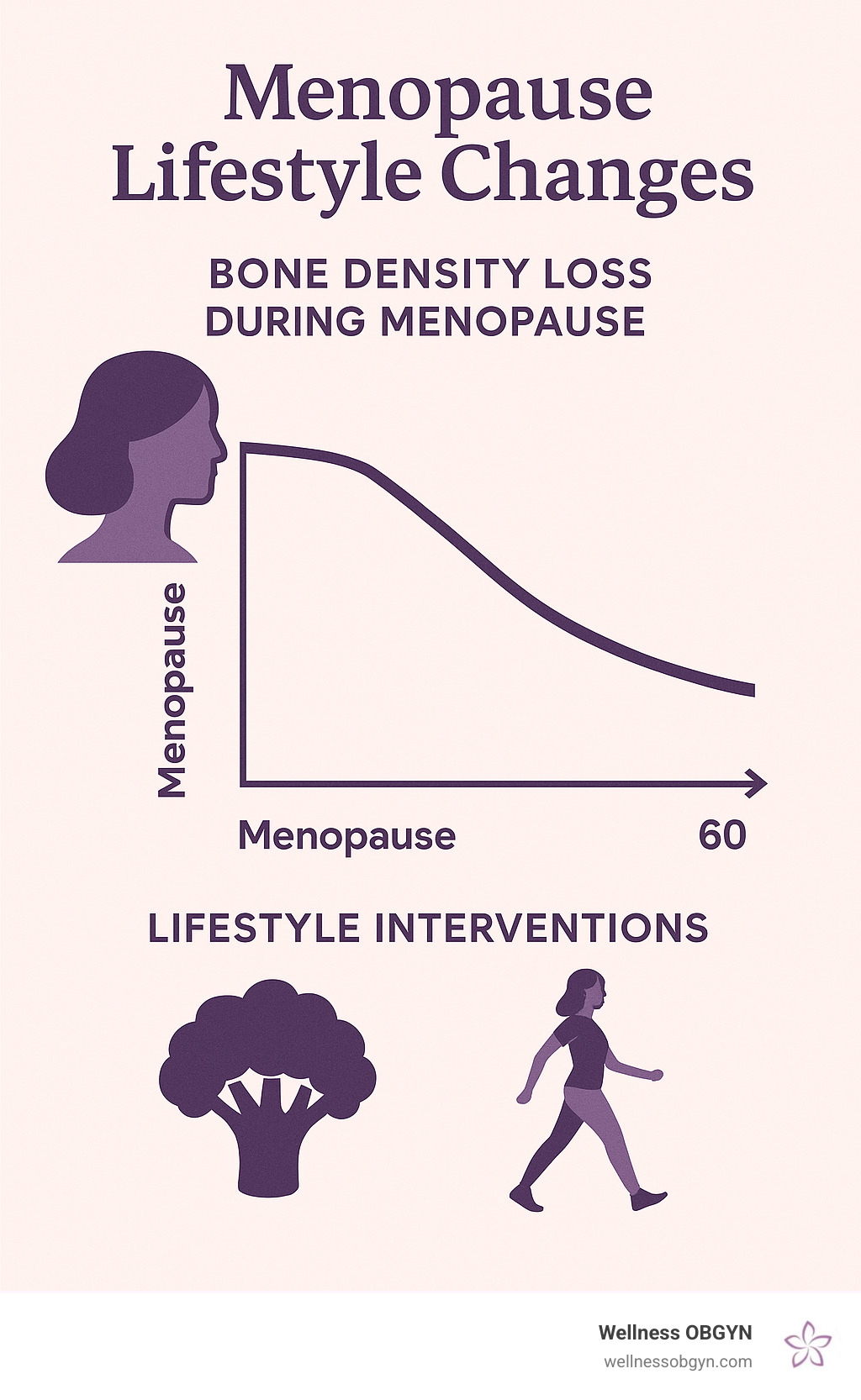
Think of menopause as a time to reset your health priorities. The hormonal shifts happening in your body aren’t just about hot flashes—they’re signaling the need for thoughtful menopause lifestyle changes that protect your long-term health, particularly your bones and heart.
Let’s talk about your bones first. That drop in estrogen after menopause? It accelerates bone loss dramatically. Most women don’t realize they’ll lose about 25% of their bone mass between menopause and age 60. That’s a quarter of your bone strength—gone! But this isn’t inevitable if you take action now.
Your bone-building toolkit should include calcium-rich foods like yogurt, cheese, leafy greens, and canned sardines (those tiny bones are pure calcium gold!). Aim for 1300 mg daily—about three servings of dairy plus some green veggies. Can’t get enough from food? A supplement might bridge the gap, but food sources are always preferable.
Don’t forget about vitamin D—the sunshine vitamin that helps your body absorb all that calcium. The recommended daily amount is 10 µg (400 IU), but many women need more, especially during winter months or if you live in less sunny climates. According to scientific research on vitamin D & bone health, getting your levels tested is smart, as deficiency is surprisingly common.
Your bones crave weight-bearing exercise too. When you walk, jog, dance, or lift weights, you’re literally telling your bones to stay strong. They respond to the pressure by building more bone tissue—it’s like magic, but it’s actually science! Just 30 minutes of walking most days can make a meaningful difference.
Wondering about your current bone status? A DEXA scan measures your bone mineral density painlessly and quickly. Generally recommended for women 65 and older, you might need one earlier if you have risk factors like family history, low body weight, or certain medications.
Now, let’s shift to your heart. Before menopause, estrogen helped keep your blood vessels flexible and maintained healthy cholesterol levels. As estrogen declines, your cardiovascular risk increases—but again, you have the power to offset this change.
Regular blood pressure checks are essential—aim for readings below 120/80 mmHg. Know your cholesterol numbers too; schedule a lipid panel at least every five years, or more often if recommended by your doctor.
That extra weight that seems to appear around your middle after menopause? It’s not just about appearance—it actually increases inflammation and cardiovascular risk. Maintaining a healthy weight through balanced eating and regular movement makes a tremendous difference to your heart.
Your heart loves the same Mediterranean diet pattern that helps with hot flashes—what a convenient overlap! The abundance of vegetables, olive oil, nuts, and fish provides anti-inflammatory compounds that protect your cardiovascular system.
And I can’t stress this enough: if you smoke, now is absolutely the time to quit. Smoking accelerates heart disease risk and makes menopausal symptoms worse. Similarly, keep alcohol consumption modest—no more than one drink daily is the recommendation for women in menopause.
Beyond bones and heart, comprehensive health maintenance includes keeping up with cancer screenings like mammograms and colonoscopies. Your skin needs extra attention too, as declining estrogen affects elasticity and moisture—daily sunscreen and good moisturizers are your friends now.
Don’t overlook your dental health—hormonal changes can affect your gums, making regular dental check-ups essential. Eye health matters too, with dry eyes being a common menopause complaint. Simple lubricating drops can provide tremendous relief.
And let’s not forget your brain! Stay mentally active, maintain social connections, and prioritize good sleep to support cognitive function during this transition.
Lifestyle Check-Up Schedule
Creating a simple health maintenance calendar can keep you on track:
Your annual appointments should include a comprehensive physical with your primary care doctor and an Annual OBGYN Visit for a pelvic exam, breast exam, and discussion of any menopause concerns. Don’t skip your yearly dental cleaning and eye examination—they’re more important than ever now.
Stay current with screening tests like mammograms (annually or every other year based on your risk factors), colonoscopies (starting at age 45), and bone density tests as recommended. Regular skin checks, blood pressure monitoring, and cholesterol screenings round out your prevention plan.
Keep your vaccinations updated too—annual flu shots, Tdap boosters every decade, the shingles vaccine (recommended after 50), and pneumonia protection as advised by your doctor.
At Wellness OBGYN in Honolulu, we love helping women create personalized health maintenance plans that address their specific risk factors and concerns. We see menopause not as something to merely survive, but as an opportunity to thrive with the right support and strategies. After all, with potentially a third of your life ahead post-menopause, investing in your health now pays dividends for decades to come.
Frequently Asked Questions about Menopause lifestyle changes
What foods can trigger or tame hot flashes?
If you’ve ever bitten into a spicy curry and suddenly felt your face flush with heat, you’ve experienced something similar to a menopausal hot flash. Many women find that certain foods can be sneaky triggers for those uncomfortable waves of heat.
The most common culprits include spicy dishes (like that curry!), your morning cup of coffee or afternoon chocolate treat, alcoholic beverages (red wine seems to be particularly problematic for many), hot drinks of any kind, and those tempting sugary desserts. One of my patients jokingly calls these her “forbidden five” – though she admits an occasional glass of wine is worth the potential hot flash that follows.
On the flip side, some foods may actually help cool your internal thermostat. Phytoestrogen-rich foods like tofu, edamame, flaxseeds, and chickpeas contain plant compounds that mimic estrogen’s effects in the body. Cooling foods such as cucumber, watermelon, and mint can provide relief during hot weather. Omega-3 fatty acids found in salmon, sardines, and walnuts may help reduce inflammation associated with hot flashes, while high-fiber fruits, vegetables, and whole grains support overall hormonal balance.
Food triggers are highly individual – what sends your friend into a full-body heat wave might not affect you at all. Keeping a simple food diary for a couple of weeks can reveal your personal triggers and help you make informed choices about what to enjoy and what to limit.
How long do menopause symptoms last?
“How much longer will this last?” is perhaps the most common question I hear from women in my practice. The honest answer is that menopause is a highly individual journey, with significant variation in both symptom intensity and duration.
For most women, perimenopause (that transitional phase before menopause officially begins) typically lasts 4-8 years. During this time, your periods may become irregular, and you might start experiencing symptoms like hot flashes, sleep disruptions, or mood changes.
Hot flashes and night sweats – those notorious temperature regulation issues – persist for about 7 years on average. However, some women experience them for more than a decade, while others might have them for just a few months. About 10% of women never experience them at all!
Most women find their symptoms are most intense during the first two years after their final period, with gradual improvement thereafter. The majority experience symptoms for less than 5 years total, though vaginal symptoms like dryness tend to be progressive and may actually worsen over time without treatment.
Several factors influence how long your symptoms might last, including genetics (ask your mother or older sisters about their experiences), lifestyle habits, stress levels, and whether you use hormone therapy. Menopause lifestyle changes can make a significant difference – women who exercise regularly, maintain a healthy weight, and practice stress management techniques often report milder symptoms that resolve more quickly.
Can I still get pregnant during perimenopause?
Yes! This is a crucial point that sometimes gets overlooked. Even when your periods become irregular during perimenopause, pregnancy remains possible until you’ve officially reached menopause (defined as 12 consecutive months without a period).
While fertility does decline significantly during perimenopause, surprise pregnancies do happen. Pregnancy rates are approximately 2-3% per year for women aged 45-49 and less than 1% after age 50. Those odds may seem low, but they’re not zero – and many women in their late 40s aren’t planning for a new baby!
If pregnancy isn’t in your plans, continue using contraception until you’ve gone a full year without a period if you’re 50 or older. If you’re under 50, it’s recommended to continue contraception for two years after your final period, as younger women experiencing menopause may have greater chances of spontaneous ovulation.
The type of contraception that’s best for you might change during this time. Some hormonal methods can also help manage perimenopausal symptoms, while others might no longer be recommended depending on your health status. At Wellness OBGYN, we can help you steer these choices and determine when it’s safe to discontinue birth control altogether.
Whether you’re concerned about preventing pregnancy or managing symptoms, we’re here to support you through every stage of this transition with compassionate, personalized care.
Conclusion

Menopause isn’t simply an ending—it’s the beginning of a new chapter filled with possibilities for growth, self-findy, and renewed health focus. The menopause lifestyle changes we’ve explored throughout this guide can transform your experience from one of merely coping to genuinely thriving during this natural transition.
Think of these changes as gentle ripples that create powerful waves of wellbeing. Regular movement combining cardio workouts with strength training doesn’t just ease hot flashes—it lifts your mood, protects your bones, and keeps your heart strong. The Mediterranean-style eating pattern nourishes your changing body while potentially calming troublesome symptoms. Those simple environmental tweaks like layered clothing and cooling techniques? They’re your daily allies against hot flashes and night sweats.
I’ve seen countless women transform their menopause experience through consistent, thoughtful lifestyle adjustments. One patient told me recently, “I never thought I’d feel this good again. My hot flashes are manageable, I’m sleeping better, and I actually have more energy than I did five years ago!”
Don’t underestimate the power of good sleep hygiene and stress management—these practices address the mental and emotional aspects of menopause that often get overlooked. And remember that protecting your bone and heart health now pays dividends for decades to come.
The key to success with menopause lifestyle changes is consistency and patience. Small, sustainable adjustments implemented daily will yield far greater benefits than dramatic but short-lived efforts. Be gentle with yourself—finding what works best for your unique body may involve some trial and error.
Here at Wellness OBGYN in Honolulu, we specialize in helping women steer menopause with confidence and grace. Our approach is deeply personal, considering your specific symptoms, health history, and preferences to create a management plan as unique as you are.
Whether you’re just noticing the first signs of perimenopause or have been postmenopausal for years, we’re here with evidence-based care wrapped in compassionate guidance. We truly believe that menopause can be not just manageable, but an opportunity for empowerment and renewed vitality.
Ready to find how good this next chapter can feel? Learn more about our women’s health services or call our Honolulu office to schedule a consultation. With the right support and strategies, your best years may very well lie ahead!