
Why Menopause and Diet Matter for Your Health
Menopause and diet are deeply connected in ways that can dramatically impact your quality of life. Research shows that 75-80% of women experience menopause symptoms, with 20-30% reporting severe intensity. The good news? What you eat can help manage these changes and protect your long-term health.
Quick Answer: How Diet Impacts Menopause
• Weight Management: Hormonal changes slow metabolism by 250-300 calories per day
• Symptom Relief: Certain foods can reduce hot flashes by up to 30%
• Bone Health: Adequate calcium and vitamin D lower fracture risk by 8-12%
• Heart Protection: Mediterranean-style eating reduces cardiovascular disease risk
• Sleep Quality: Foods rich in tryptophan and magnesium improve rest
• Mood Stability: Balanced blood sugar prevents energy crashes and irritability
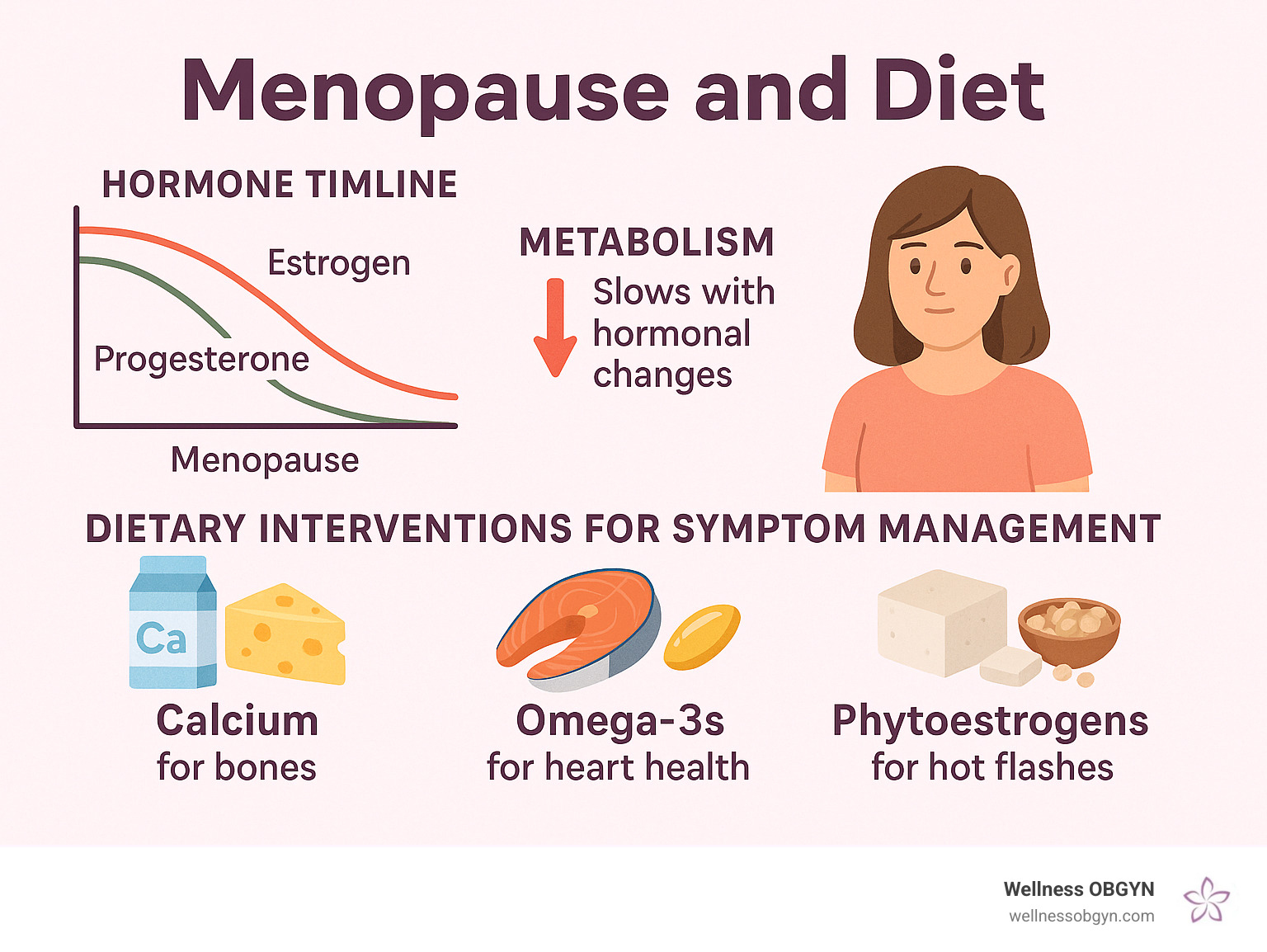
During menopause, your body goes through significant hormonal shifts. Estrogen levels drop, affecting everything from your metabolism to your bone density. Your body burns fewer calories at rest, making weight gain more likely. Visceral fat increases from 5-8% to 10-15% of total body weight after menopause.
But here’s what many women don’t realize: these changes aren’t inevitable. Strategic dietary choices can help you maintain a healthy weight, reduce uncomfortable symptoms, and lower your risk of heart disease and osteoporosis.
As Dr. Cheryl Twu, a board-certified OB-GYN with over a decade of experience helping women steer life transitions, I’ve seen how menopause and diet strategies can transform women’s experiences during this natural life stage. My integrative approach combines evidence-based nutrition guidance with personalized care to help you thrive through menopause and beyond.
Handy Menopause and diet terms:
Hormonal Changes 101
Think of menopause as your body’s way of retiring from its reproductive years. But unlike a peaceful retirement, this transition brings some dramatic changes that directly affect how menopause and diet work together in your body.
Menopause typically happens between ages 45-55, officially beginning after you’ve gone 12 consecutive months without a period. During this time, your hormones don’t just quietly slip away—they create quite the commotion on their way out.
Estrogen decline is the star of this hormonal drama. You might think estrogen only controls your monthly cycle, but it’s actually been working behind the scenes to keep your metabolism humming, your bones strong, and your heart healthy. When estrogen levels drop, your body burns 250-300 fewer calories per day. That’s like your metabolism suddenly deciding to take a permanent coffee break!
This metabolic slowdown explains why you might notice your jeans getting snugger even though you haven’t changed your eating habits. Your body starts storing fat differently too, particularly around your midsection. Visceral fat—the kind that wraps around your organs—increases significantly after menopause, raising your risk for heart disease and diabetes.
Progesterone levels also take a nosedive during this transition. This hormone has been your natural sleep aid and stress soother. When it disappears, many women find themselves tossing and turning at night or reaching for comfort foods during stressful moments. Sleep disruption becomes frustratingly common, and those 3 AM wake-ups aren’t just in your head.
Meanwhile, your body cranks up production of FSH (follicle-stimulating hormone) as it desperately tries to wake up your sleepy ovaries. These wildly fluctuating hormone levels create the perfect storm for uncomfortable symptoms like hot flashes, which affect up to 80% of menopausal women.
The changes go deeper than weight gain and night sweats. Bone loss accelerates dramatically because estrogen plays a crucial role in helping your body absorb calcium and build new bone tissue. Without enough of this hormone, women can lose up to 20% of their bone density in just five to seven years after menopause.
Your cardiovascular risk increases too, as estrogen’s protective effects on your blood vessels fade away. You might notice your cholesterol numbers shifting or your blood pressure creeping up during routine check-ups.
These hormonal shifts also trigger mood changes that can feel overwhelming. One minute you’re fine, the next you’re crying at a commercial or snapping at your family. It’s not “all in your head”—it’s your brain adjusting to dramatically different hormone levels.
Here’s the encouraging news: while these hormonal changes are a natural part of aging, their impact on your daily life doesn’t have to be overwhelming. Strategic nutrition choices can work with your changing body to minimize symptoms and protect your long-term health.
Scientific research on menopause basics shows that understanding these changes is the first step toward managing them effectively. When you know what’s happening in your body, you can make informed choices about how menopause and diet strategies can help you feel your best during this transition.
Menopause and Diet: Guiding Principles
Think of your menopause and diet strategy as a gentle reset rather than a dramatic overhaul. Your body is going through enough changes—the last thing you need is another source of stress from restrictive eating rules.
The reality is that your body now needs about 200 fewer calories daily compared to your 30s and 40s. But here’s the thing: this doesn’t mean eating tiny portions or feeling hungry all the time. It means becoming smarter about your food choices, focusing on foods that pack more nutrition into every bite.
The Mediterranean dietary pattern has emerged as the gold standard for women navigating menopause. It’s not really a “diet” in the traditional sense—it’s more like how people in Mediterranean countries naturally eat. Picture colorful plates filled with abundant vegetables, fruits, and whole grains, drizzled with good olive oil, topped with nuts or a piece of grilled fish, and accompanied by a moderate amount of dairy.
Research consistently shows this approach may help reduce hot flashes, support heart health, and keep your mind sharp. Plus, it’s actually enjoyable to follow, which matters when you’re looking at long-term changes.
Whole grains deserve a special place in your menopause and diet plan. A fascinating study found that postmenopausal women who ate just 4.7 grams of whole grain fiber per 2,000 calories reduced their risk of premature death by 17%. That’s the difference between choosing brown rice over white rice, or oatmeal instead of sugary cereal.
Lean protein becomes your metabolism’s best friend during menopause. As estrogen drops, you naturally lose muscle mass faster, which slows your metabolism even more. Aim for about 1 to 1.2 grams of protein per kilogram of body weight daily. This might sound complicated, but it’s simpler than you think—include a palm-sized portion of fish, chicken, eggs, beans, or Greek yogurt at each meal.
Don’t fall for the low-fat trap that was popular decades ago. Healthy fats are essential for hormone production and help you absorb important vitamins. Your body actually needs omega-3 fatty acids from fatty fish, flaxseeds, and walnuts, plus monounsaturated fats from olive oil and avocados. These fats help reduce inflammation and may even ease some menopausal symptoms.
Hydration takes on new importance when hot flashes and night sweats become part of your life. You’re losing more fluids than before, and proper hydration supports your metabolism while helping manage that uncomfortable bloating many women experience. Aim for about eight glasses of water daily, but listen to your body—you might need more on active days or during particularly sweaty nights.
Mindful eating isn’t just wellness buzzword—it’s a practical tool for menopause. Your hunger and fullness cues might feel different now, and stress or mood changes can trigger emotional eating. Taking time to eat slowly, putting away distractions, and really paying attention to how foods make you feel can prevent overeating and improve digestion.
The key is starting these changes early. Scientific research on menopause weight gain shows that women who adopt these principles during perimenopause have much better outcomes than those who wait until after menopause to make changes.
Why Menopause and Diet Are Linked to Weight Gain
If you’ve been wondering why the scale seems stuck or why your favorite jeans suddenly don’t fit, you’re not imagining things. Weight gain during menopause isn’t about willpower or eating “too much”—it’s about real, measurable changes happening inside your body that make menopause and diet management more complex.
Your resting metabolic rate—the calories your body burns just to keep you alive—naturally decreases by 2-3% per decade after age 30. But menopause hits the accelerator on this decline. Your body simply burns fewer calories doing the same basic functions like breathing, pumping blood, and repairing cells. This means eating exactly what you did in your 40s will likely lead to gradual weight gain in your 50s.
Insulin resistance often develops or worsens during this time, creating a frustrating cycle. When your cells become less responsive to insulin, your body stores more glucose as fat, particularly around your midsection. This explains why traditional calorie-cutting approaches that worked before might suddenly feel ineffective.
The most concerning change is the increase in visceral adiposity—fat stored deep around your organs. Unlike the subcutaneous fat you can pinch, visceral fat is metabolically active, releasing inflammatory compounds that significantly increase your risk for diabetes, heart disease, and certain cancers.
These aren’t just cosmetic concerns. Research shows that gaining just 22 pounds during the menopausal transition significantly increases your risk of type 2 diabetes, cardiovascular disease, sleep apnea, breast and colon cancers, and joint problems that can limit your mobility.
But here’s the encouraging news: studies also show that losing just 11 pounds can improve hot flash tolerability by 30% and significantly reduce disease risk factors. Small changes can make a big difference.
Menopause and Diet Strategies for Symptom Relief
Your menopause and diet choices can be surprisingly effective at managing those uncomfortable symptoms that seem to come out of nowhere. Understanding which foods help and which ones might trigger symptoms puts you back in the driver’s seat.
Hot flash triggers vary from woman to woman, but some common culprits include spicy foods that affect your body’s temperature control center, caffeine that can mess with thermal regulation, alcohol that causes blood vessels to dilate, and large meals that require significant energy for digestion. Pay attention to your own patterns—you might find that your afternoon coffee or evening glass of wine is connected to nighttime hot flashes.
Meal timing can also influence how you feel. Eating smaller, more frequent meals helps stabilize blood sugar and may reduce the intensity of hot flashes and mood swings. Think three moderate meals plus two small snacks throughout the day, rather than waiting until you’re starving and then eating a huge dinner.
Anti-inflammatory foods may help reduce the severity of menopausal symptoms overall. Fill your plate with colorful fruits and vegetables rich in antioxidants, fatty fish high in omega-3 fatty acids, nuts and seeds for vitamin E and healthy fats, and herbs and spices like turmeric and ginger.
Balanced macronutrients at each meal help maintain steady energy levels and mood. Try to include a source of lean protein, complex carbohydrates, and healthy fats at every meal and snack. This combination helps prevent the blood sugar roller coaster that can worsen mood swings and energy crashes.
| Diet Pattern | Pros for Menopause | Cons for Menopause |
|---|---|---|
| Mediterranean | Reduces inflammation, supports heart health, may decrease hot flashes | May be expensive, requires cooking skills |
| Low-Carb | Can improve insulin sensitivity, may aid weight loss | May worsen mood swings, difficult to sustain |
| Standard American | Familiar, convenient | High in processed foods, inflammatory, worsens symptoms |
Spotlight Nutrients & Phytoestrogens
During menopause, your body’s needs shift dramatically, and certain nutrients become absolute game-changers for how you feel and your long-term health. Understanding which nutrients to prioritize in your menopause and diet plan isn’t just helpful—it can transform your experience during this transition.
Let’s start with the bone health superstars. Calcium requirements jump to 1,200 mg daily for women over 51, but here’s what many women don’t know: your body can only absorb about 500 mg at a time. This means that downing a big glass of milk once a day won’t cut it—you need to spread your calcium throughout the day.
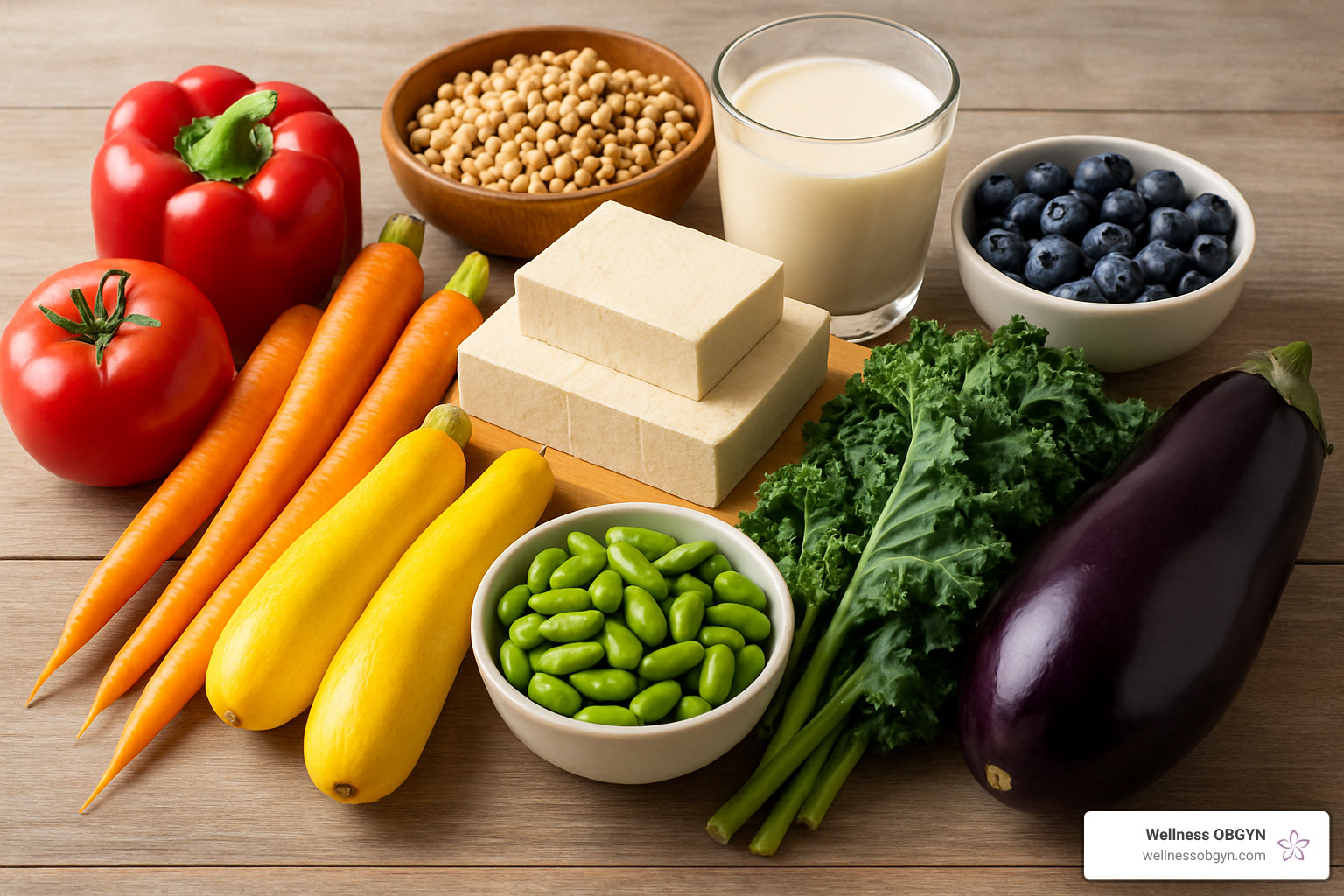
The best approach? Include calcium-rich foods at every meal. Dairy products like milk, yogurt, and cheese are obvious choices, but don’t overlook leafy greens like kale and collard greens. Canned fish with bones—think sardines and salmon—pack a serious calcium punch, and fortified plant milks and tofu offer excellent alternatives for those avoiding dairy.
Vitamin D works hand-in-hand with calcium, and this partnership becomes crucial during menopause. Women with the highest intakes of vitamin D and calcium had a 17% lower risk of early menopause in recent studies. Beyond bone health, vitamin D supports mood and immune function—both of which can take a hit during menopause. Aim for 600-800 IU daily through sunlight exposure, fatty fish, egg yolks, and supplements when needed.
Here’s something that might surprise you: high-quality protein becomes increasingly important as muscle mass naturally declines during menopause. In a study of nearly 750 postmenopausal women, those who ate more dairy and animal protein had significantly higher bone density. Your menopause and diet strategy should include protein at every meal—whether that’s fish and seafood, poultry and lean meats, eggs and dairy, or plant-based options like legumes, nuts, seeds, and soy products.
Omega-3 fatty acids deserve special attention for their triple threat of benefits: heart health, brain function, and reduced inflammation that contributes to menopausal symptoms. Unfortunately, most women fall short—mean consumption of oily fish among UK women is just 40% of the recommended amount. Make it a goal to include two servings of fatty fish weekly, plus plant sources like flaxseeds, chia seeds, and walnuts.
Don’t overlook the supporting players. Magnesium supports bone health, muscle function, and sleep quality—all major concerns during menopause. You’ll find it in nuts, seeds, whole grains, and leafy greens. B-vitamins, particularly B6, B12, and folate, become especially important as absorption may decrease with age, and they’re crucial for energy metabolism and nervous system function.
Fiber might not sound glamorous, but it’s a multitasker that helps with weight management, digestive health, and may even help reduce hot flashes. Aim for at least 21 grams daily from fruits, vegetables, whole grains, and legumes.
Now, let’s talk about one of the most intriguing aspects of menopause and diet: phytoestrogens. These plant compounds can have mild estrogenic effects in your body, potentially helping to fill the gap left by declining estrogen levels. Scientific research on phytoestrogens shows mixed but promising results for symptom relief.
Soy isoflavones are the most studied phytoestrogens, and while evidence is inconsistent, some women find real relief from hot flashes with regular soy consumption. The effectiveness may depend on your gut bacteria’s ability to convert isoflavones into active compounds—which explains why soy works wonderfully for some women and not at all for others. If you want to try soy, stick with whole foods like tofu, tempeh, edamame, and unsweetened soy milk rather than processed soy products.
Flax lignans offer another type of phytoestrogen that may help with menopausal symptoms. Ground flaxseeds are your best bet and easily blend into smoothies, yogurt, or oatmeal. Plus, they add that important fiber we mentioned earlier.
Some emerging research points to other interesting connections. Dairy tryptophan may improve sleep quality during menopause—this amino acid is a precursor to serotonin and melatonin, both crucial for mood and sleep regulation. Collagen peptides show promise for bone health too; a 2018 study found that just 5 grams daily improved bone mineral density in postmenopausal women.
The key takeaway? Focus on getting these nutrients through whole foods rather than relying solely on supplements. Food sources provide nutrients in forms your body can best use, along with other beneficial compounds that work together synergistically. Your menopause and diet approach should emphasize variety, quality, and consistency—because small daily choices add up to significant long-term benefits.
What to Limit & Common Misconceptions
Understanding what to limit in your menopause and diet is just as important as knowing what to include. Some foods can worsen symptoms or interfere with your health goals during this transition, while certain myths might be steering you in the wrong direction.

Added sugars are one of the biggest culprits when it comes to worsening menopausal symptoms. The average American diet includes nearly 300 calories from added sugars daily—that’s about 18 teaspoons! During menopause, excess sugar becomes especially problematic because it can worsen insulin resistance, contribute to that stubborn belly fat, increase inflammation throughout your body, and send your blood sugar and mood on a roller coaster ride.
Processed snacks and convenience foods might seem like lifesavers on busy days, but they’re often packed with sodium, unhealthy fats, and preservatives while offering very little nutritional value. These foods can leave you feeling bloated, contribute to weight gain, and increase your risk of chronic diseases—exactly what you don’t need during menopause.
When it comes to saturated fats, moderation is key. While some saturated fat is perfectly fine, keeping it under 7% of your daily calories helps prevent your cholesterol profile from getting worse. Since estrogen decline already affects your cardiovascular health, this becomes especially important.
High-salt foods can make bloating worse and may contribute to high blood pressure, which becomes more common after menopause. Cooking more meals at home and reading food labels can help you stay under the recommended 2,300 mg of sodium daily.
Alcohol deserves special attention in your menopause and diet planning. While a glass of wine with dinner might seem harmless, alcohol can trigger or worsen hot flashes, disrupt your already-fragile sleep quality, add empty calories that promote weight gain, and interfere with calcium absorption when your bones need all the help they can get.
Excess caffeine can be a double-edged sword during menopause. Scientific research on caffeine & hot flashes suggests that too much caffeine, especially later in the day, can trigger hot flashes in some women and make sleep disturbances even worse.
Let’s clear up some common misconceptions that might be making your menopausal journey harder than it needs to be. The “inevitable weight gain” myth is perhaps the most damaging. Yes, hormonal changes make weight management more challenging, but strategic dietary and lifestyle changes can prevent or minimize weight gain. You’re not powerless against your changing metabolism.
The crash diet myth is equally harmful. Very low-calorie diets under 800 calories daily can actually backfire by causing muscle loss, nutrient deficiencies, and further metabolic slowdown. This makes long-term weight management even more difficult—the opposite of what you want.
Many women worry that all soy products are dangerous, especially if they have hormone-sensitive conditions. The truth is that whole soy foods appear to be safe for most women and may even have protective effects. However, high-dose isoflavone supplements should be used more cautiously.
The supplement myth suggests that pills can replace a healthy diet. While some supplements may be beneficial during menopause, no single supplement can match the nutritional benefits of a varied, balanced diet. Your body absorbs and uses nutrients from whole foods much more effectively.
Finally, the elimination diet myth convinces some women they need to cut out entire food groups. Unless you have specific medical conditions or allergies, elimination diets are rarely necessary and may lead to nutrient deficiencies when your body needs optimal nutrition most.
The key to navigating menopause and diet successfully is making gradual, sustainable changes rather than dramatic restrictions that are impossible to maintain long-term. Small, consistent improvements in your eating habits will serve you much better than extreme measures that leave you feeling deprived and frustrated.
Lifestyle & Personalized Strategy
Creating a successful menopause and diet plan isn’t just about what’s on your plate—it’s about building a complete lifestyle approach that supports your changing body and helps you thrive during this transition.
Strength training becomes your secret weapon during menopause. As estrogen levels drop, you naturally lose muscle mass at an accelerated rate, which directly impacts your metabolism. The good news? Just two resistance training sessions per week can help preserve muscle, maintain your metabolic rate, and support bone density. You don’t need a gym membership either—simple bodyweight exercises like squats, modified push-ups, and resistance band workouts can make a real difference.
Aerobic exercise does double duty for menopausal women. Regular cardio supports cardiovascular health (which becomes more important as estrogen’s protective effects diminish) and may help reduce those dreaded hot flashes. Aim for at least 150 minutes of moderate-intensity activity weekly. This could be as simple as a 30-minute brisk walk most days—research shows this alone can lead to 7 kg of weight loss over a year when combined with dietary changes.
Don’t underestimate the power of NEAT (Non-Exercise Activity Thermogenesis). These are the calories you burn through daily activities like fidgeting, maintaining posture, and moving around throughout your day. Small changes like taking the stairs, parking farther away, or using a standing desk can significantly boost your daily calorie burn without requiring dedicated workout time.
Sleep hygiene becomes crucial during menopause, especially when night sweats and hormonal fluctuations disrupt your rest. Poor sleep wreaks havoc on hormones that control hunger and satiety, making weight management much more challenging. Create a cool, dark sleeping environment and establish consistent bedtime routines. Many women find that avoiding large meals and caffeine close to bedtime helps reduce night sweats.
Stress reduction techniques deserve a prominent place in your menopause and diet strategy. Chronic stress lifts cortisol levels, which can contribute to weight gain around your midsection and worsen menopausal symptoms. Whether it’s meditation, yoga, deep breathing exercises, or simply taking a relaxing bath, find stress-busting activities that work for your lifestyle.
Mindful eating practices help you reconnect with hunger and fullness cues that may have shifted during menopause. This means eating slowly, minimizing distractions during meals (yes, put down your phone!), and paying attention to how different foods make you feel. Many women find that certain foods trigger hot flashes or digestive issues when they start paying closer attention.
Self-monitoring through food and symptom journals can reveal valuable patterns. Track what you eat, how you feel, and any symptoms to identify connections between your dietary choices and your well-being. You might find that spicy foods trigger your hot flashes or that eating protein at breakfast helps stabilize your energy all morning.
When it comes to dietary supplements, the evidence is mixed, but some may be helpful. Black cohosh shows promise for hot flash relief, though safety concerns exist for long-term use. Calcium and vitamin D dosing should be carefully managed—don’t exceed 2,000 mg calcium or 2,000 IU vitamin D daily without medical supervision. Omega-3 supplements may be beneficial if you don’t eat fatty fish regularly.
When to see a dietitian becomes important if you’re struggling with significant weight changes, have multiple food allergies or chronic conditions like diabetes, or if symptoms significantly impact your quality of life. A registered dietitian can help create individualized plans that address your specific needs and health goals.
At Wellness OBGYN in Honolulu, we understand that every woman’s experience with menopause is unique. Our personalized approach to menopause care includes comprehensive nutritional guidance custom to your individual needs, symptoms, and health goals.
Frequently Asked Questions
I’ve hit a weight plateau despite following a healthy diet. What should I do?
Weight plateaus are incredibly common during menopause, and they’re often more about metabolic changes than anything you’re doing wrong. Your body may need fewer calories than you think—metabolism can drop by 200-300 calories daily during this transition.
Try reassessing your calorie needs and increasing protein intake to preserve muscle mass. Adding or intensifying strength training can help boost your metabolism. Also, check for hidden calories in beverages, condiments, or “healthy” snacks that might be adding up.
Sometimes medications can affect weight, so discuss this with your healthcare provider. Most importantly, be patient—weight loss may be slower during menopause, but it’s often more sustainable when achieved gradually.
What are the best quick snack ideas for managing energy dips?
The key is combining protein with complex carbohydrates to keep your blood sugar stable and energy steady. Greek yogurt with berries provides protein plus antioxidants. Apple slices with almond butter offer fiber and healthy fats. Hummus with vegetables gives you plant protein and nutrients.
Other great options include a small handful of nuts with fruit, hard-boiled eggs with whole grain crackers, or cottage cheese with cucumber slices. These combinations help prevent the energy crashes that can trigger cravings for sugary snacks.
Is it safe to eat soy products daily during menopause?
For most women, whole soy foods are not only safe but may be beneficial when consumed daily as part of a balanced menopause and diet plan. The key is sticking to whole soy foods like tofu, tempeh, and edamame rather than heavily processed soy products.
If you have a history of hormone-sensitive breast cancer, discuss soy intake with your healthcare provider first. Avoid high-dose isoflavone supplements without medical supervision. Some women need 2-3 months of regular consumption to see benefits, so be patient if you’re hoping soy will help with hot flashes.
Conclusion
Your menopause and diet journey is about so much more than just managing weight or following the latest nutritional trend. It’s about understanding your changing body and giving it the support it needs to thrive during this natural transition.
The beauty of this approach lies in its simplicity. You don’t need to eliminate entire food groups or follow complicated meal plans. Instead, focus on nutrient-dense whole foods that nourish your body, stay well-hydrated, move your body regularly, and most importantly—listen to what your body is telling you.
Small changes often create the biggest changes. Maybe you start by adding a handful of walnuts to your morning oatmeal for those heart-healthy omega-3s. Or perhaps you swap your afternoon coffee for herbal tea to see if it helps with hot flashes. These gentle adjustments, made consistently over time, can significantly impact how you feel both today and years from now.
Your menopause and diet needs are uniquely yours. What helps your sister sail through menopause might not work for you—and that’s perfectly normal. Some women find relief with soy foods, while others see better results focusing on calcium-rich dairy products. Pay attention to your body’s responses and don’t be afraid to adjust your approach as you learn what works best.
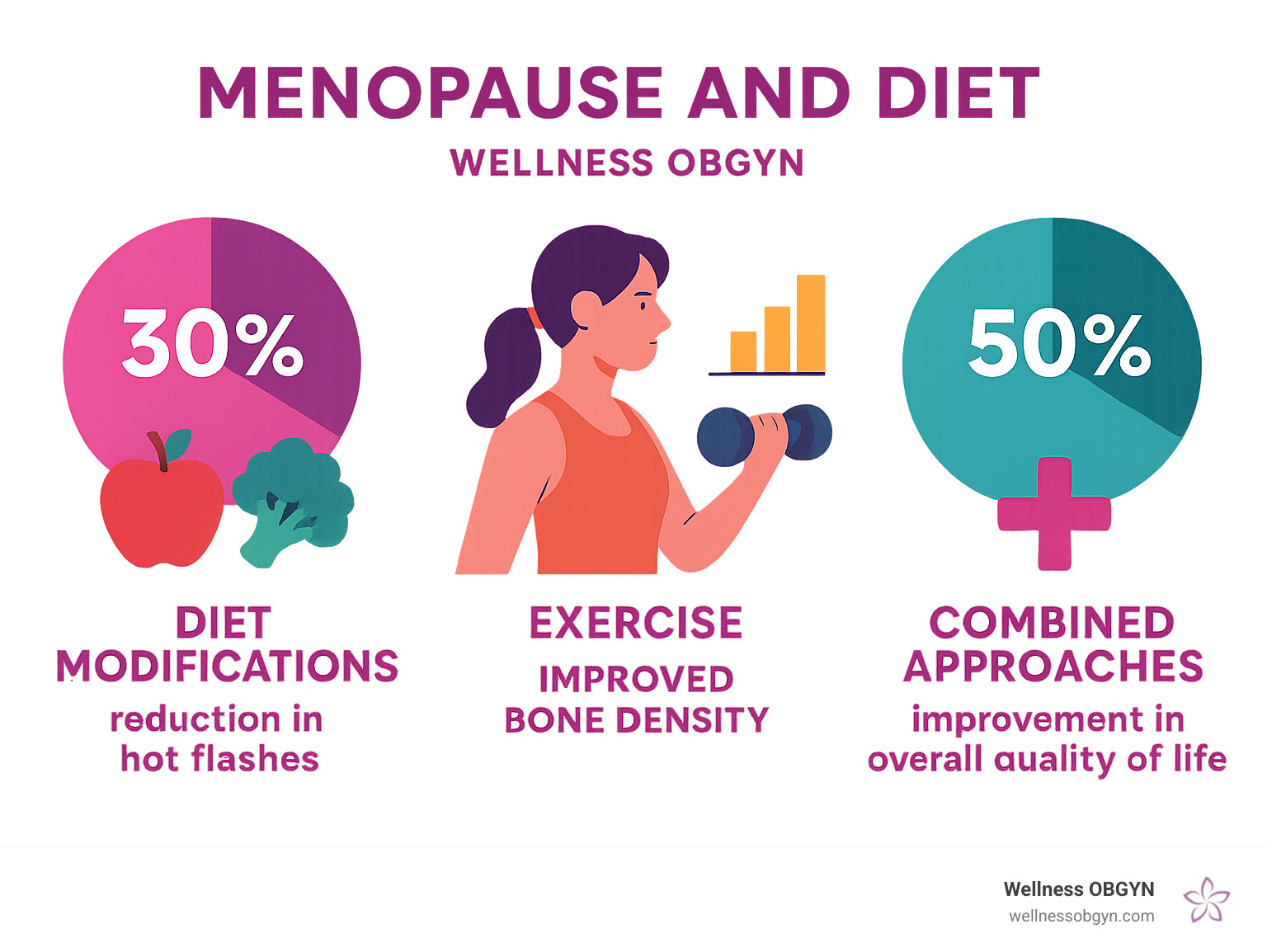
The evidence is clear: strategic nutrition choices can reduce hot flashes by up to 30%, support bone health, protect your heart, and help maintain a healthy weight during menopause. But beyond the statistics, the right dietary approach can help you feel more energetic, sleep better, and approach each day with confidence.
Whether you’re just noticing the first signs of perimenopause or you’ve been navigating menopausal changes for years, it’s never too early or too late to optimize your nutrition and reclaim your vitality. Your body has carried you through so much—now it’s time to give it the support it deserves.
Ready to create a personalized menopause and diet strategy that works for your unique needs? Contact Wellness OBGYN today to find how our comprehensive menopause care can help you not just survive this transition, but truly thrive through it and beyond.