
Understanding Urinary Incontinence: You Are Not Alone
Incontinence treatment women options are more effective and accessible than ever before, offering hope to millions who experience bladder leaks. If you’re dealing with urinary incontinence, you’re not alone – nearly 1 in 3 women may experience this condition at some point in their lives.
Quick Treatment Options for Women:
- Lifestyle Changes: Bladder training, fluid management, weight loss
- Pelvic Floor Exercises: Kegel exercises with proper technique
- Medications: Anticholinergics for urge incontinence, topical estrogen
- Medical Devices: Pessaries, urethral inserts
- Advanced Therapies: laser treatments
- Surgical Options: Sling procedures, bladder neck suspension
The loss of bladder control can feel uncomfortable and embarrassing. But here’s the important truth: urinary incontinence is not a normal part of aging and it doesn’t have to control your life.
About 62% of females age 20 and older have some type of urinary incontinence, with rates increasing after pregnancy, childbirth, and menopause. Yet studies show that women wait an average of 6.5 years before seeking help for their symptoms.
Why the delay? Many women believe bladder leaks are just something they have to live with. Others feel too embarrassed to discuss it with their doctor. Some don’t realize how many effective treatment options exist today.
The reality is that urinary incontinence greatly affects quality of life. It can limit physical activities, cause social isolation, and impact intimate relationships. But with proper diagnosis and treatment, most women can see significant improvement or complete resolution of their symptoms.
As Dr. Cheryl Twu, a board-certified obstetrician-gynecologist with over a decade of experience, I’ve helped countless women in Honolulu overcome the challenges of incontinence. At my practice, Wellness OBGYN, we provide the comprehensive, compassionate incontinence treatment women deserve. I’ve seen how the right approach can restore confidence and improve quality of life.
Types of Urinary Incontinence
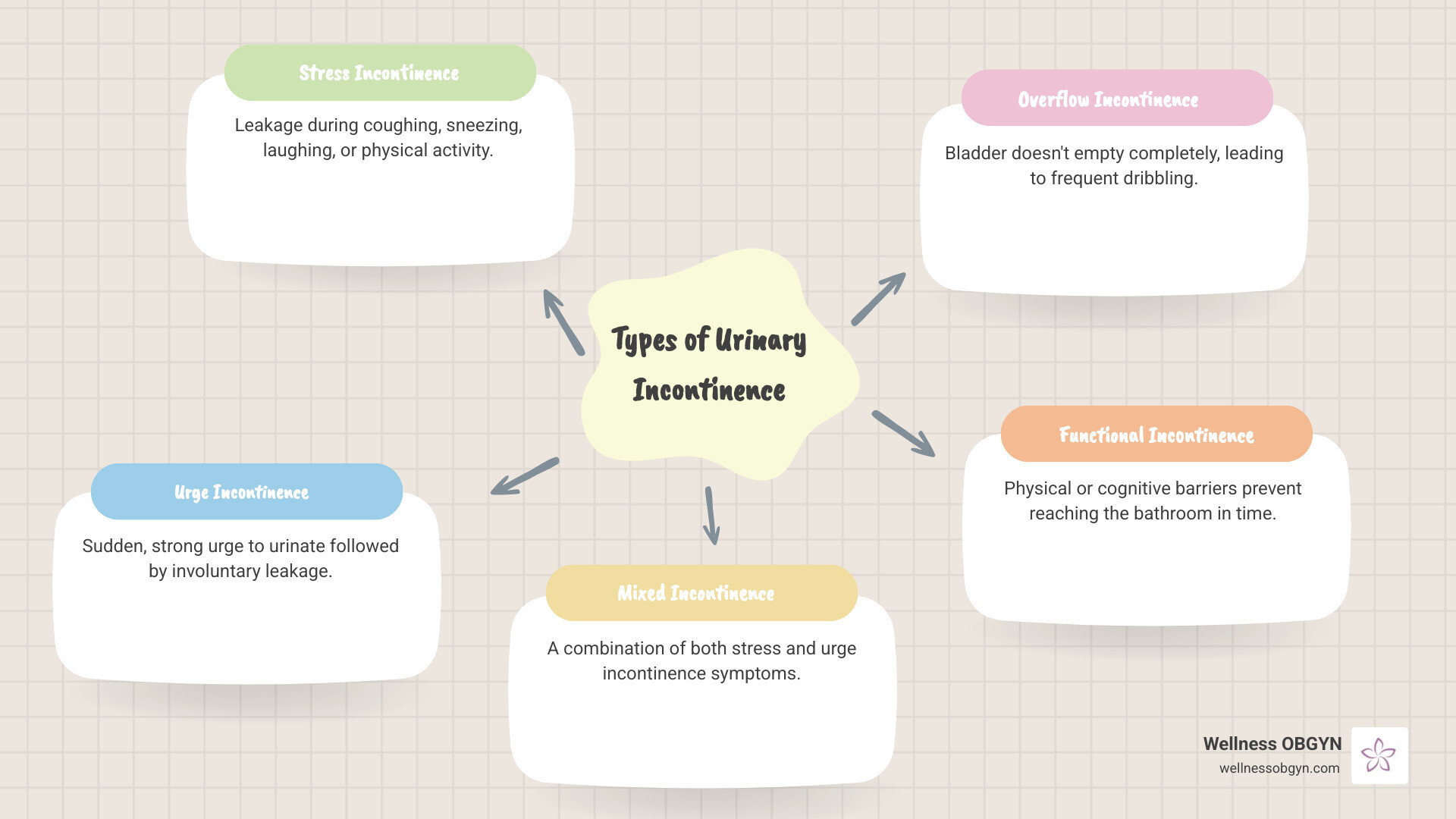
Understanding the different types of urinary incontinence is the first step toward finding the right incontinence treatment women need. While any involuntary leakage of urine is considered incontinence, the way it happens and its underlying causes can vary significantly.
The two most common types we see are:
- Stress Incontinence (SUI): This is the involuntary loss of urine during activities that put pressure on the bladder, like coughing, sneezing, laughing, or exercising. It happens when the pelvic floor muscles that support the urethra are weakened. About 1 in 3 women over 45 experience stress incontinence.
- Urge Incontinence (UUI): Also known as “overactive bladder,” this involves a sudden, intense urge to urinate, followed by involuntary urine loss. It’s often caused by involuntary bladder muscle contractions. About 15% of women of all ages have urge incontinence.
Beyond these two, other types include:
- Mixed Incontinence: As the name suggests, this is a combination of both stress and urge incontinence symptoms.
- Overflow Incontinence: This occurs when the bladder doesn’t empty completely, leading to frequent leakage or a constant dribble of urine. It can happen if there’s a blockage or if the bladder muscle is too weak to contract properly.
- Functional Incontinence: This isn’t directly related to bladder function but rather to physical or mental impairments that prevent a woman from reaching the toilet in time. For example, severe arthritis making it difficult to undress quickly, or cognitive impairment.
Common Causes and Risk Factors in Women
Urinary incontinence is rarely an isolated issue; it often stems from a combination of factors that affect the strength and function of the bladder and pelvic floor. Here are some common causes and risk factors specific to women:
- Pregnancy and Childbirth: The pressure of a growing uterus and the strain of vaginal delivery can weaken the pelvic floor muscles and nerves. This damage can lead to stress incontinence, sometimes years after giving birth.
- Menopause: The hormonal changes associated with menopause, particularly the decrease in estrogen, play a significant role. Estrogen helps maintain the health and elasticity of the tissues in the bladder, urethra, and vagina. When estrogen levels drop, these tissues can thin and weaken, making them less supportive and more prone to incontinence. For more information on navigating this life stage, explore our
[More info about holistic menopause treatment](https://wellnessobgyn.com/holistic-menopause-treatment/). - Aging: While not an inevitable part of aging, the risk of incontinence does increase with age, especially over 50. Muscles throughout the body, including those in the bladder and pelvic floor, can lose strength and elasticity over time.
- Pelvic Floor Muscle Weakness: This is a central theme across many types of incontinence. The pelvic floor muscles support the bladder, uterus, and bowel. When they are weak, they cannot effectively support these organs or control the urethra.
- Obesity: Excess weight puts increased pressure on the bladder and pelvic floor muscles, contributing to both stress and urge incontinence.
- Chronic Cough: Conditions that cause persistent coughing, like chronic bronchitis or asthma, can repeatedly strain the pelvic floor, leading to stress incontinence.
- Constipation: Chronic straining during bowel movements can weaken pelvic floor muscles and put pressure on the bladder.
- Certain Medical Conditions: Neurological disorders (like Parkinson’s disease, multiple sclerosis, stroke), diabetes, and urinary tract infections (UTIs) can all affect bladder control. A UTI, for example, can cause sudden onset of urge incontinence symptoms.
- Medications: Some medications, such as diuretics, sedatives, or alpha-blockers, can contribute to incontinence as a side effect.
How Incontinence is Diagnosed: Finding the Right Path
Taking the first step to discuss bladder leaks with your doctor can feel intimidating. But getting an accurate diagnosis is essential for finding the right incontinence treatment women need to reclaim their confidence.

At Wellness OBGYN, we create a comfortable, judgment-free environment to discuss your symptoms. Your gynecologist is often the perfect starting point, as we can evaluate your incontinence within the bigger picture of your overall well-being.
Sometimes, depending on the complexity of your condition, we might recommend seeing a urogynecologist – a specialist with advanced training in female pelvic medicine and reconstructive surgery. But don’t worry – we’ll guide you through every step of the process. Whether you’re dealing with incontinence or simply want to discuss prevention during your routine care, we encourage you to bring it up during your annual OBGYN visit.
The Diagnostic Process
Think of diagnosing incontinence like solving a puzzle. Each piece of information helps us understand exactly what’s happening with your bladder and pelvic floor. The good news? Most of the diagnostic process is straightforward and painless.
We always start with a detailed medical history review, discussing your symptoms, triggers, pregnancies, surgeries, and medications. Every detail helps us understand the cause of your incontinence.
Next comes the physical and pelvic exam. The physical and pelvic exam is a routine check for pelvic organ prolapse and pelvic floor muscle strength. There’s nothing to be embarrassed about; we’re simply identifying factors contributing to your symptoms.
One of our most valuable diagnostic tools is surprisingly simple: a bladder diary. We’ll ask you to track your fluid intake, bathroom visits, urine amounts, urges, and any leakage episodes for several days. It might seem tedious, but this diary gives us incredible insights into your bladder patterns that you might not even notice yourself.
A urinalysis helps us rule out infections, blood, or other issues that could be causing your symptoms. Sometimes what feels like incontinence is actually a urinary tract infection that’s completely treatable with antibiotics.
We might also measure your post-void residual – basically, how much urine stays in your bladder after you think you’ve emptied it. This simple test can reveal if your bladder isn’t emptying properly, which could indicate overflow incontinence.
For more complex cases, especially if we’re considering surgical options, we might recommend urodynamic testing. These specialized tests evaluate exactly how your bladder and urethra store and release urine. While it sounds intimidating, most women find it much easier than they expected.
Occasionally, we might suggest cystoscopy – using a thin, flexible tube with a tiny camera to look inside your bladder and urethra. This helps us see if there are any structural issues we need to address.
Throughout this entire process, we’re building a complete picture of your unique situation. No two women experience incontinence exactly the same way, which is why personalized diagnosis is so important. For more detailed information about the diagnostic process, you can explore this scientific research on urinary incontinence diagnosis.
Every test and every question brings us closer to finding the most effective incontinence treatment women deserve. You’re not just a diagnosis – you’re a whole person, and we’re here to help you feel like yourself again.
Comprehensive Incontinence Treatment for Women
The good news is that incontinence treatment women receive today is highly effective. Once we have a diagnosis, we create a personalized plan. At Wellness OBGYN, we use a stepped-care approach, starting with conservative treatments and moving to more advanced options only if needed.
Lifestyle and Behavioral Therapies
Sometimes the most powerful treatments are the simplest ones. These first-line conservative treatments can make a huge difference in your symptoms, and they’re completely safe with no side effects.
Bladder training is like going to the gym for your bladder. This process takes patience—usually about 6 weeks—but you’ll learn techniques to delay urination and increase the time between bathroom visits.
Timed voiding works differently. Rather than waiting for an urge, you create a bathroom schedule – typically every 2 to 4 hours. This prevents your bladder from getting too full and reduces accidents.
What you eat and drink matters. Common bladder irritants include caffeine, alcohol, and citrus. Reducing them, and aiming for about 64 ounces of fluid daily, can significantly improve symptoms. Try to avoid large amounts of liquid before bedtime.
Weight management can be incredibly effective. Even losing 5-10 pounds reduces pressure on your pelvic floor. Many women are surprised by how much this simple change helps their symptoms.
Don’t overlook constipation prevention either. Straining during bowel movements weakens the same muscles that control your bladder. A fiber-rich diet and adequate fluids keep things moving smoothly.
Pelvic Floor Health and Rehabilitation
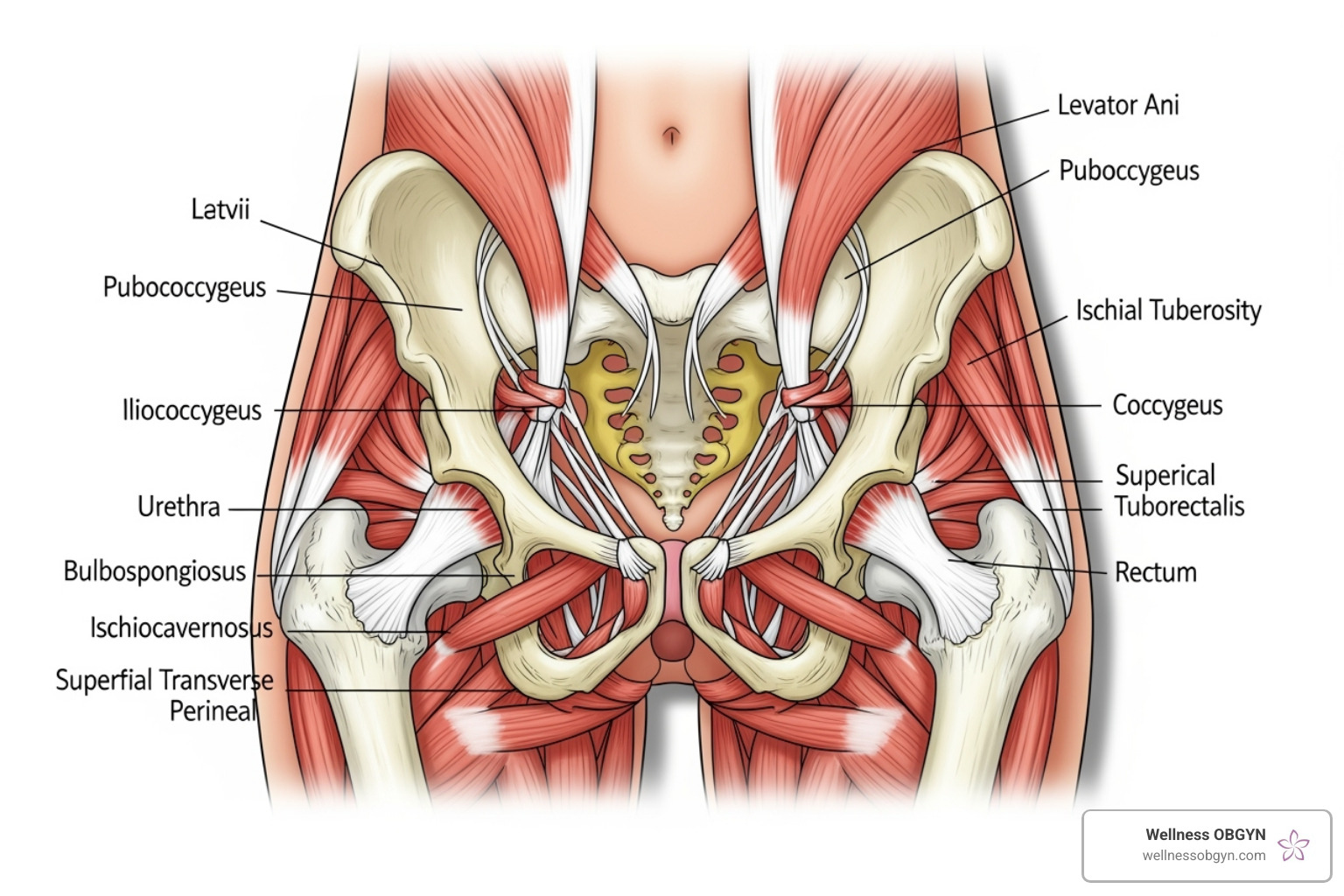
Your pelvic floor muscles are like a hammock supporting your bladder, uterus, and bowel. When these muscles are strong, they provide excellent bladder control. When they’re weak, leakage happens.
Pelvic floor muscle exercises – commonly called Kegel exercises – are the foundation of incontinence treatment women often find most helpful. These exercises involve contracting and relaxing your pelvic floor muscles. When done correctly and consistently, they can dramatically improve bladder control, especially for stress incontinence.
The key is doing them right: at least 8 muscle contractions, 3 times daily, for a minimum of 3 months. It sounds simple, but many women need guidance to identify the correct muscles.
That’s where biofeedback techniques come in handy. Using sensors to monitor your muscle activity, biofeedback provides visual or audio feedback that helps you learn to engage the right muscles effectively. It takes the guesswork out of Kegel exercises.
Vaginal cones offer another approach. These small, weighted devices are inserted into the vagina, and you use your pelvic floor muscles to keep them in place. As your strength improves, you gradually progress to heavier cones.
For comprehensive guidance and support, we offer specialized More info about female pelvic floor therapy at Wellness OBGYN.
Medications and Medical Devices
When lifestyle changes and exercises aren’t quite enough, medications and medical devices can provide the extra help you need.
| Medication Type | Primary Use | How it Works | Potential Side Effects |
|---|---|---|---|
| Anticholinergics | Urge Incontinence | Calm an overactive bladder by blocking nerve signals that cause bladder spasms. | Dry mouth, constipation, blurred vision, dizziness, fatigue, potential cognitive issues in older adults. |
| Mirabegron/Vibegron | Urge Incontinence | Relax the bladder muscle, allowing it to hold more urine. | Constipation, diarrhea, nausea, headache, increased blood pressure (Mirabegron). |
| Duloxetine | Stress Incontinence | Increases the muscle tone of the urethra. (Also an antidepressant). | Nausea, dry mouth, fatigue, constipation, insomnia, dizziness. |
| Topical Estrogen | Stress & Urge Incontinence (post-menopausal) | Refreshes and strengthens tissues in the urethra and vagina. | Vaginal irritation, discharge, breast tenderness (usually mild and localized). |
Topical estrogen deserves special mention for postmenopausal women. Applied directly to the vaginal area, it helps restore the health and thickness of urethral and vaginal tissues without the risks associated with systemic hormone therapy.
Pessaries are flexible silicone devices that provide internal support for your bladder and urethra. They’re particularly helpful for stress incontinence, especially when mild pelvic organ prolapse is involved. Some women use them temporarily during exercise, while others wear them long-term.
Urethral inserts are small, disposable devices that temporarily block urine flow during activities that trigger leakage, like running or playing tennis.
Surgical Options for Incontinence Treatment in Women
When to consider surgery becomes clear when conservative treatments haven’t provided enough relief. We reserve surgical options for cases where less invasive approaches have been thoroughly tried and your quality of life is still affected.
Sling procedures are the most common surgical incontinence treatment women undergo for stress incontinence. During this procedure, we place a supportive sling under your urethra – either made from synthetic mesh or your own tissue – to provide support and prevent leakage during physical activities.
Bladder neck suspension involves repositioning and securing your bladder neck and urethra for better support. This can be done through traditional open surgery or minimally invasive techniques, depending on your specific situation.
Sometimes prolapse surgery is needed when pelvic organ prolapse contributes to incontinence. We may combine prolapse repair with a sling procedure since fixing prolapse alone doesn’t always resolve incontinence symptoms.
Artificial urinary sphincter is less common in women than men, but it’s an option for severe cases. This device includes a cuff around the urethra that inflates to prevent leakage and deflates when you need to urinate.
Before recommending any surgical option, we’ll thoroughly discuss the potential benefits, risks, and recovery process. You’ll have all the information you need to make the best decision for your health and lifestyle.
Managing Daily Life and Preventing Complications
Living with urinary incontinence can be challenging, but there are many ways to manage symptoms and prevent complications while you pursue treatment.
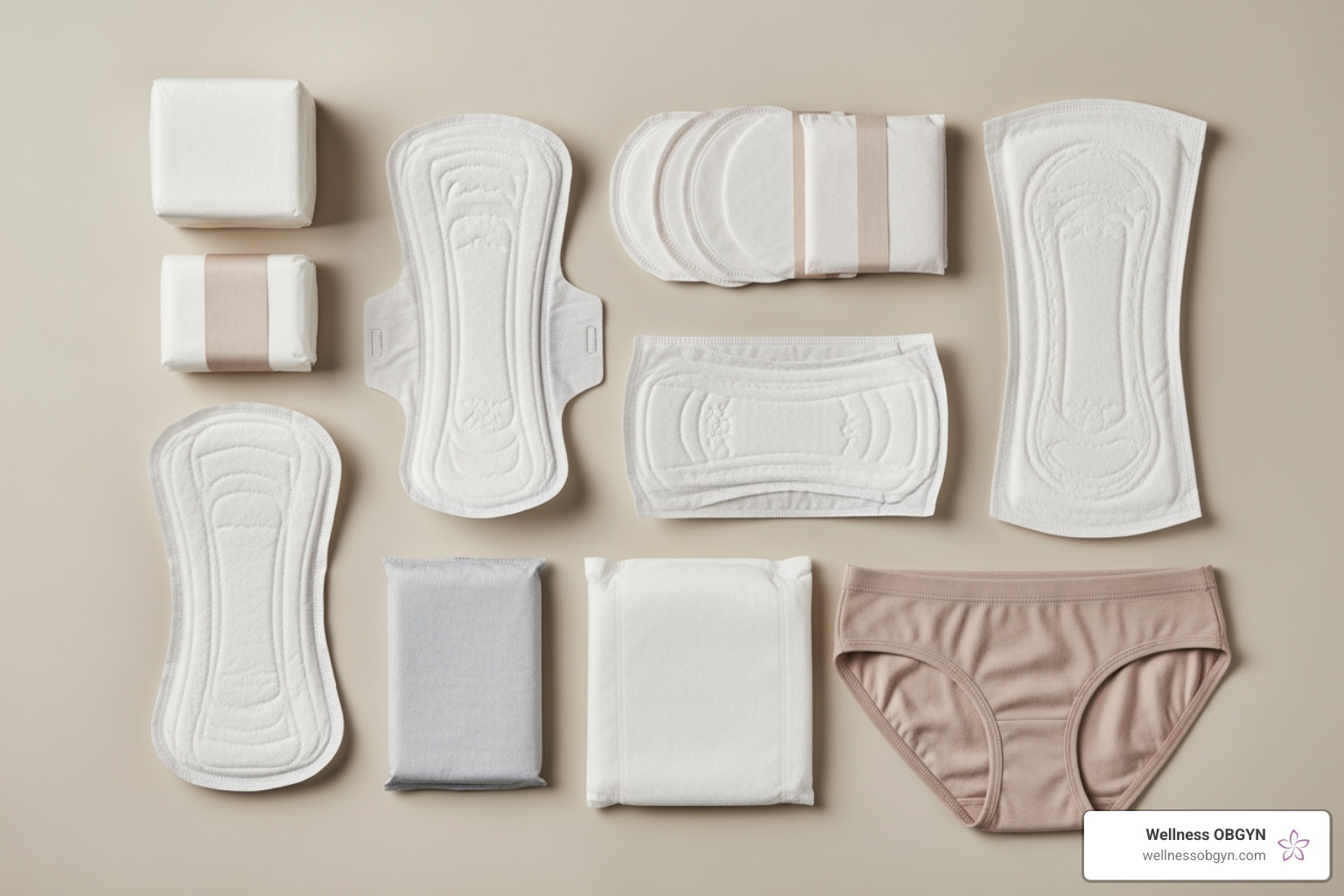
- Absorbent Pads and Underwear: A wide range of products, including discreet pads, protective underwear, and adult diapers, are available to manage leakage and provide confidence. These products are designed to absorb urine, control odor, and keep your skin dry. They can be invaluable for managing the condition while you’re undergoing assessment or treatment.
- Skin Care and Hygiene: Urine leakage can irritate the skin. To prevent rashes, infections, and discomfort:
- Cleanse the area with a washcloth and mild soap or a special urine-removing cleanser.
- Allow your skin to air-dry completely.
- Apply a barrier cream (like petroleum jelly or cocoa butter) to protect the skin from moisture.
- Change absorbent products frequently.
- Catheters: In cases of overflow incontinence or severe bladder emptying issues, intermittent or indwelling catheters may be used. Intermittent catheterization involves inserting a small tube to drain the bladder several times a day, while an indwelling catheter remains in place.
- Building a Support System: You don’t have to face incontinence alone. Talking to trusted friends, family, or joining a support group can provide emotional comfort and practical advice. Many women find relief in realizing how common their experience is.
Frequently Asked Questions about Female Incontinence
When dealing with urinary incontinence, you probably have many questions swirling through your mind. You’re wondering if you could have prevented this, whether those exercises everyone talks about actually work, and how menopause fits into the picture. Let me address the most common concerns I hear from women in my practice.
Can urinary incontinence be prevented?
While you can’t prevent every case of incontinence, you can take steps to lower your risk significantly. Think of it as building a strong foundation for your bladder health.
Maintaining a healthy weight is one of the most impactful things you can do. Every extra pound puts additional pressure on your bladder and pelvic floor muscles. Even losing just 5-10% of your body weight can make a noticeable difference in your symptoms.
Pelvic floor exercises aren’t just for treating incontinence – they’re fantastic for prevention too. These muscles support your bladder, and keeping them strong is like having a reliable safety net. Starting these exercises early in life, especially before and during pregnancy, can pay dividends later.
Avoiding bladder irritants can prevent your bladder from becoming overactive in the first place. This means being mindful of your caffeine intake, limiting alcohol, and watching how acidic foods affect you. You don’t have to give up your morning coffee entirely – just notice how your bladder responds.
A healthy, fiber-rich diet prevents constipation, which might seem unrelated but actually matters a lot. Chronic straining during bowel movements weakens those same pelvic floor muscles that support your bladder.
Finally, not smoking protects you from the chronic cough that can lead to stress incontinence. It’s yet another reason to quit or never start.
How effective are Kegel exercises for women with incontinence?
Kegel exercises are a gold standard for incontinence treatment women can do themselves. I’ve seen remarkable improvements in patients who commit to doing them correctly and consistently.
For stress incontinence, Kegels are particularly powerful. Studies show that up to 38% of women who follow a proper Kegel routine for at least three months experience complete resolution of their symptoms. These exercises strengthen the muscles that clamp down on your urethra when you cough, sneeze, or exercise.
What surprises many women is that Kegels also help with urge incontinence. When you feel that sudden, intense urge to urinate, contracting your pelvic floor muscles can actually help suppress that urge and give you time to reach the bathroom.
The key word here is consistency. I recommend at least 8 muscle contractions, 3 times a day, for a minimum of 3 months before you can expect to see significant results. Many women benefit from biofeedback to ensure they’re engaging the right muscles – it’s more common than you’d think to be doing Kegels incorrectly.
The beauty of Kegel exercises is that they’re free, you can do them anywhere, and they have no side effects. They require patience and proper technique, but the results can be life-changing.
How does menopause impact urinary incontinence?
Menopause and urinary incontinence are closely connected. The dramatic drop in estrogen levels during this life stage affects your entire urinary system, making it a crucial factor in treatment.
Estrogen decline is the main culprit. This hormone helps maintain the health and elasticity of tissues throughout your body, including the delicate lining of your urethra and vagina. When estrogen levels plummet, these tissues become thinner, drier, and less elastic. The natural cushioning and support around your urethra diminishes.
Thinning of urethral and vaginal tissues means less natural support for your bladder. The tissues that once provided a snug seal around your urethra become less effective at preventing leaks.
Loss of muscle tone affects both the pelvic floor muscles and the muscles around your urethra. Without adequate estrogen, these muscles lose strength and coordination, making both stress and urge incontinence more likely.
Many women who never had bladder issues suddenly develop them during perimenopause, while those with mild symptoms may notice they worsen.
The good news is that understanding these changes helps us develop targeted treatments. Topical estrogen therapy can help restore tissue health, while pelvic floor exercises become even more important during this time. Lifestyle modifications can also make a significant difference in managing symptoms.
For comprehensive guidance on navigating all aspects of this transition, including bladder health, visit our page on [More info about menopause lifestyle changes](https://wellnessobgyn.com/menopause-lifestyle-changes/).
Menopause-related incontinence is incredibly common and very treatable. You don’t have to accept it as just another part of aging.
Reclaim Your Confidence and Live Fully
If you’ve read this far, you’ve already taken an important step. Incontinence is treatable – this isn’t just something we say to make you feel better. It’s a medical fact backed by decades of research and thousands of successful treatments.
You don’t have to accept bladder leaks as your “new normal.” You don’t have to plan your day around bathroom locations or avoid activities you love. Most importantly, you don’t have to suffer in silence.
At Wellness OBGYN in Honolulu, we see women every day who thought they’d tried everything. Some have lived with symptoms for years, believing nothing could help. Others are newly experiencing incontinence and feel overwhelmed by their options. What they all find is that a clear path to relief exists – it just takes the right approach and the right care team.
Dr. Cheryl Twu and our entire team understand that incontinence treatment women receive must address more than just the physical symptoms. We know this condition affects your confidence, your relationships, and your sense of freedom. That’s why our approach combines cutting-edge medical treatments with genuine compassion and understanding.
Taking the first step might feel scary, but remember – you’re not asking for help with something unusual or embarrassing. You’re addressing a common medical condition that affects millions of women. The conversation you have with us today could be the turning point that gives you back your confidence and freedom.
Your journey to better bladder health starts with a single appointment. We’re here to listen, understand, and guide you toward the solution that’s right for you. To learn more about how we can support your overall intimate health and well-being, visit our [More info about our Female Sexual Health Clinic](https://wellnessobgyn.com/female-sexual-health-clinic/).
You deserve to live fully, without worry or limitation. Let us help you get there.