
Understanding Erections and Their Importance in a Relationship
Learning how to get hard and maintain strong erections is crucial for sexual health and relationship satisfaction. Here’s what you need to know:
Quick Solutions for Stronger Erections:
- Exercise regularly – Just 30 minutes of walking daily reduces ED risk by 41%
- Eat heart-healthy foods – Mediterranean diet improves blood flow
- Manage stress – High cortisol levels can lower testosterone
- Get quality sleep – Aim for 7-8 hours nightly
- Quit smoking – Smoking clogs blood vessels needed for erections
- Limit alcohol – Excessive drinking impairs sexual performance
- Consider medical treatment – non-surgical solutions
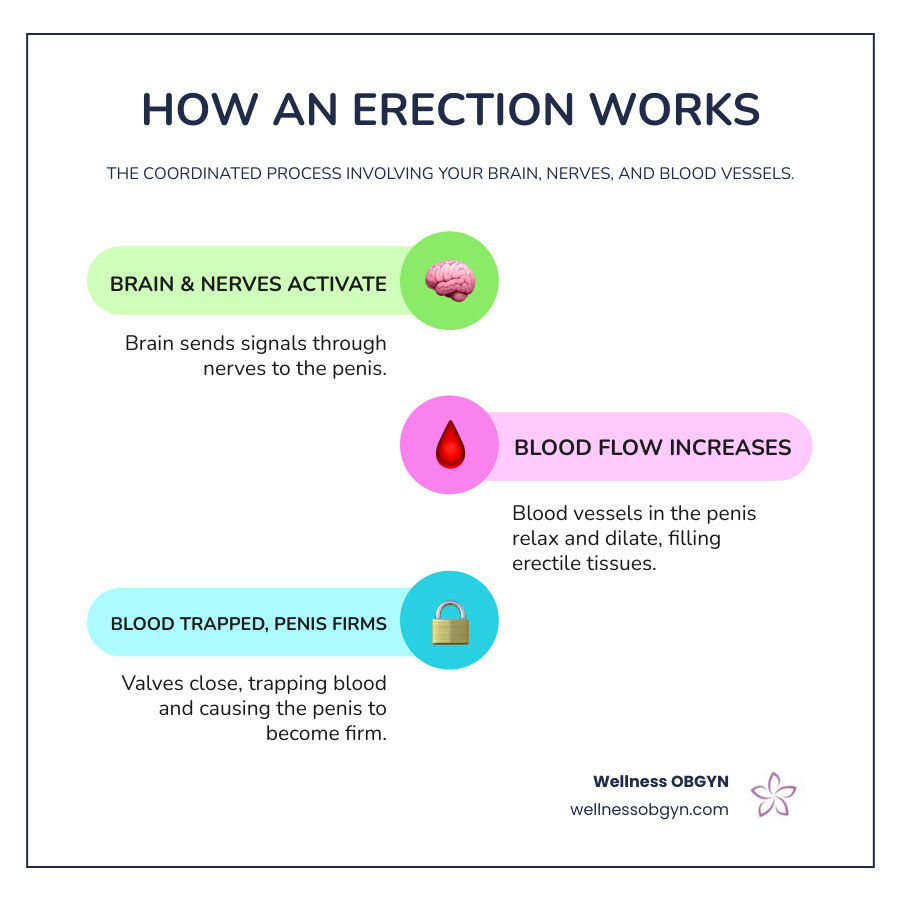
An erection happens when blood flows into the penis and gets trapped, making it firm and enlarged. This process requires coordination between your brain, blood vessels, nerves, and hormones.
Erectile dysfunction (ED) affects over 50% of men between ages 40-70, but it’s not just a “man’s problem.” When someone struggles with getting or keeping an erection, it impacts both partners and the relationship as a whole.
The good news? Most erection problems can be improved with lifestyle changes. Understanding how to get hard naturally—and when to seek professional help—empowers couples to take control of their sexual wellness together.
I’m Dr. Cheryl Twu, a board-certified OBGYN with over a decade of experience helping patients with sexual health concerns.
Similar topics to how to get hard:
What is Erectile Dysfunction and Who Does it Affect?
Erectile dysfunction (ED) is when someone consistently struggles with getting or keeping an erection firm enough for satisfying sexual activity. It’s considered ED when this difficulty occurs more than half the time, not just an occasional “off” night.
ED is incredibly common. Research shows that over 50% of men between ages 40 and 70 experience some degree of erectile dysfunction. While it becomes more frequent with age—affecting about 4% of men in their 50s, 17% in their 60s, and roughly half of men over 75—ED is not a normal part of aging. It’s a medical condition that deserves attention and treatment.
ED is often an early warning sign for other health issues. In up to 30% of men who seek help for ED, it’s the first indication of cardiovascular disease. Similarly, over 50% of men with diabetes experience erectile difficulties, highlighting the strong connection between metabolic health and sexual function.
The Physical Causes of ED
To understand how to get hard, it’s helpful to know the physical processes involved. A healthy erection requires proper blood flow, nerve signals, and balanced hormones. When any of these systems are disrupted, ED can occur. Physical causes account for about 80% of all erectile dysfunction cases.
Vascular disease is a common culprit. This occurs when blood vessels to the penis narrow due to atherosclerosis (plaque buildup), restricting blood flow. High blood pressure, high cholesterol, and diabetes all contribute to this vascular damage.
Obesity also plays a major role. Men with a 42-inch waist are 50% more likely to have ED than those with a 32-inch waist, showing how weight affects circulation.
Hormonal imbalances, particularly low testosterone, can impact erectile function. After age 30, testosterone production naturally declines. Nearly 40% of men over 45 have low testosterone, which doesn’t directly cause ED but can reduce libido and make erections more difficult.
Neurological disorders like multiple sclerosis or Parkinson’s disease can impair nerve signals. Certain medications can also cause ED as a side effect, such as some blood pressure drugs and antidepressants. If you suspect medication is the cause, talk to your provider; never stop taking prescribed drugs on your own.
The Psychological Causes of ED
The mind plays a powerful role in sexual function. Psychological causes are more common in younger men and account for 10-20% of all ED cases. The brain initiates erections by sending arousal signals.

Stress, anxiety, and depression are major psychological contributors. Chronic stress raises cortisol, which can lower testosterone and increase ED risk. Performance anxiety creates a vicious cycle: worry prevents an erection, leading to more anxiety.
Relationship problems and poor communication can impact intimacy and sexual function. At Wellness OBGYN, we know ED affects both partners, so keeping your partner involved in treatment is vital.
Common psychological triggers for ED include:
- Performance anxiety from fear of sexual failure
- Chronic stress from work, finances, or personal life
- General anxiety or social anxiety disorders
- Depression that dampens libido and physical responses
- Guilt or shame related to past experiences or societal expectations
- Low self-esteem impacting confidence in sexual situations
- Relationship issues like unresolved conflicts or communication problems
- Past trauma including sexual abuse or traumatic experiences
How to Get Hard: Natural Lifestyle Changes for Better Erections
When learning how to get hard consistently, the most powerful solutions often start with simple lifestyle changes. I’ve seen many patients improve their sexual health with lifestyle changes that support blood flow and vitality. Each change strengthens your foundation for better erectile function.
The same habits that protect your heart also support strong erections. Let’s explore the most effective natural approaches for your sexual wellness.

Tip 1: Accept a Heart-Healthy Diet
What you eat impacts your bedroom performance. Foods affect your blood vessels, and healthy circulation is essential for erections. A heart-healthy diet is fantastic for your sexual health.
The Mediterranean diet is an excellent blueprint. This diet emphasizes antioxidant-rich fruits and vegetables for flexible blood vessels, whole grains for energy and heart health, and omega-3-rich fish for optimal blood flow.
Limit processed foods, red meat, and saturated fats. These contribute to plaque buildup in arteries, restricting the blood flow needed to get hard. A man with a 42-inch waist increases his ED risk by 50% compared to someone with a 32-inch waist.
Heart-healthy foods help your body produce nitric oxide, a chemical that relaxes penile muscles to increase blood flow, giving your blood vessels a green light for performance.
Tip 2: Get Moving with Regular Exercise
Exercise is like a magic pill for erectile function. Just 30 minutes of walking daily is linked to a 41% drop in ED risk. Regular movement improves blood circulation, which is fundamental for strong erections.
Aerobic exercise (walking, swimming, cycling) strengthens your cardiovascular system and improves blood flow to your penis. Another beneficial exercise is pelvic floor exercises, also known as Kegels.
Your pelvic floor muscles help maintain erections by trapping blood in the penis. Strengthening them can improve rigidity and help you last longer. To do them, contract your pelvic muscles (like stopping urination) for 5 seconds, then relax. Repeat 8-10 times, 3-5 times daily.
Exercise also reduces stress, manages weight, and boosts energy, all contributing to a healthier sex life. For more comprehensive information about men’s health support, visit More info about Men’s Health Honolulu.
Tip 3: Manage Stress and Prioritize Sleep
Your mind and body work together for sexual function. Chronic stress raises cortisol, interfering with testosterone. Managing stress is essential for learning how to get hard.
Stress reduction can be simple. Practices like deep breathing, meditation, or physical activity can lower stress. Find what works and be consistent.
Quality sleep is equally important. Aim for 7-8 hours of sleep nightly. Poor sleep disrupts hormones and increases stress, impacting your ability to get erections.
To improve sleep, keep a consistent schedule, even on weekends. Make your room dark, quiet, and cool. Limit pre-bed screen time, as blue light interferes with sleep signals.
When you prioritize stress management and quality sleep, you create optimal conditions for healthy erectile function.
Tip 4: Re-evaluate Your Habits (Smoking & Alcohol)
Some habits, like smoking and excessive alcohol, can undermine your ability to get hard and are major obstacles to healthy erectile function.
Smoking is particularly damaging. Chemicals in cigarettes clog blood vessels throughout your body, including the small arteries supplying the penis. Smoking also reduces nitric oxide, which is essential for opening blood vessels for an erection.
The research is clear: Clinical studies on smoking and ED consistently show this harmful connection. If you smoke, quitting is one of the most impactful steps for your sexual health.
Alcohol’s effect on performance is real. While a little may reduce inhibitions, excessive drinking impairs your nervous system and blood flow. As Shakespeare wrote, alcohol “provokes the desire, but it takes away the performance.”
If you drink, moderation is key. Limiting intake allows you to enjoy social events without compromising sexual performance.
Advanced Medical Solutions for Erectile Dysfunction
While lifestyle changes help, sometimes they aren’t enough. Underlying medical conditions may require direct intervention, or you might need an extra boost to feel confident.

When to See a Doctor for Erection Problems
Occasional difficulty with erections is normal. But if it happens more than half the time, it’s time to see a healthcare provider.
Discussing sexual health can feel embarrassing, but ED is a common and treatable medical condition. You are not alone, and there is nothing to be ashamed of.
Seeking help is crucial because ED can be an early warning sign of serious issues like cardiovascular disease, diabetes, or neurological problems. Your body may be sending a signal that something else needs attention. A doctor can determine the root cause of your ED—physical, psychological, or both—and run tests for issues like poor blood flow or low testosterone.
Partner communication is vital. We encourage involving your partner, as ED affects both people. Open communication alleviates stress and makes treatment more effective.
Don’t delay seeking help. Addressing ED sooner leads to effective solutions and improves your sexual health and quality of life.
Frequently Asked Questions about Getting and Staying Hard
We know you might have more questions about how to get hard and maintain strong erections. Here are some of the most common ones we hear in our practice:

How long do erections normally last?
Erection duration varies based on health, stimulation, and other factors. There’s no single “perfect” length, but averages offer some insight.
During intercourse, the average duration is about 5.4 to seven minutes before ejaculation. However, the actual range is broad, from 33 seconds to 44 minutes.
Erections also occur during sleep. These nocturnal erections are vital for penile health, ensuring tissue oxygenation, and typically last 25-35 minutes.
Important: An erection lasting over four hours (priapism) is a medical emergency. Seek immediate medical attention.
How many erections per day is normal?
The average man has 11 erections each day, many of which occur without conscious awareness.
Healthy men also have three to five erections nightly. This normal process indicates good blood flow and nerve function. Your body is designed to get hard more often than you might realize.
This frequency is a sign of good sexual health. If you notice a significant decrease, discuss it with your provider, especially if you also have trouble with how to get hard during sex.
Can erectile dysfunction be prevented?
Yes, in many cases, ED can be prevented or reduced through proactive health management, especially when linked to controllable lifestyle factors and health conditions.
Healthy lifestyle choices are key. A heart-healthy diet, regular exercise (a 30-minute daily walk reduces ED risk by 41%!), healthy weight, and stress management are powerful preventative measures that benefit your cardiovascular system.
Managing chronic conditions is also key. If you have diabetes, high blood pressure, or high cholesterol, keeping them controlled protects the blood vessels and nerves essential for erections.
Avoiding harmful habits like smoking and excessive alcohol can dramatically reduce ED risk. Smoking clogs blood vessels, and too much alcohol impairs performance.
Regular check-ups can catch issues early. Timely intervention for conditions like cardiovascular disease or diabetes can prevent them from affecting your sexual health.
By taking a proactive approach to your overall health, you’re investing in your sexual well-being and increasing your chances of maintaining the ability to get hard for years to come.
Conclusion: Taking the Next Step Towards Better Sexual Health
Learning how to get hard is about more than a physical problem; it’s about reclaiming confidence, strengthening relationships, and controlling your well-being. This journey affects both partners, so approaching it as a team is key.
We’ve explored ED’s causes, from vascular issues to stress. The good news is most cases are treatable. Lifestyle changes like a heart-healthy diet, 30 minutes of daily exercise (reducing ED risk by 41%), managing stress with quality sleep, and quitting smoking and excessive drinking can work wonders.
These natural approaches are your first line of defense. But when they aren’t enough, or if underlying health conditions exist, seeking professional help is a smart, proactive choice.
ED can be an early warning sign of cardiovascular disease or diabetes. Addressing it now improves your sex life and helps you catch serious health issues early.
Don’t let ED dim your confidence or impact your relationship. Effective solutions, from lifestyle changes to advanced treatments are available. This step is an investment in your happiness, relationship, and future.