Why Finding the Right Menopause Management Specialist Changes Everything
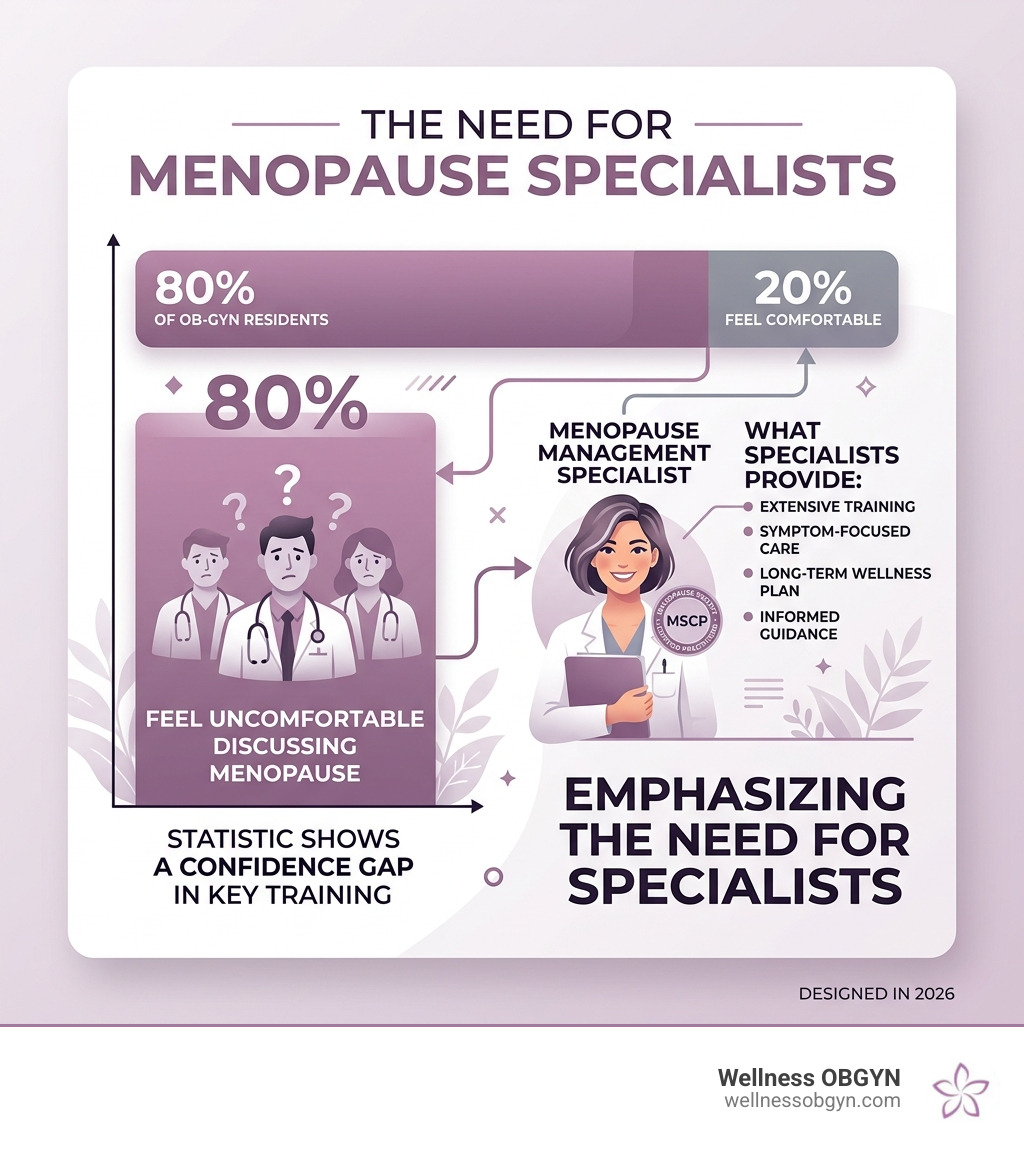
A menopause management specialist is a healthcare provider with advanced, focused training in guiding women through perimenopause, menopause, and postmenopause — going well beyond what a general practitioner or standard OB-GYN typically offers.
Here’s a quick snapshot of what a menopause management specialist does:
- Conducts in-depth symptom assessments and reviews your full medical history
- Creates personalized treatment plans (hormonal and non-hormonal)
- Monitors long-term health risks like bone density, heart health, and sexual wellness
- Stays current on the latest menopause research and evidence-based guidelines
- Provides the dedicated time and counseling most primary care visits don’t allow
Here’s something that surprises a lot of women: 80% of OB-GYN residents report feeling uncomfortable discussing menopause — largely because many medical schools still treat menopause coursework as optional. That means even well-meaning doctors may not have the tools to help you effectively.
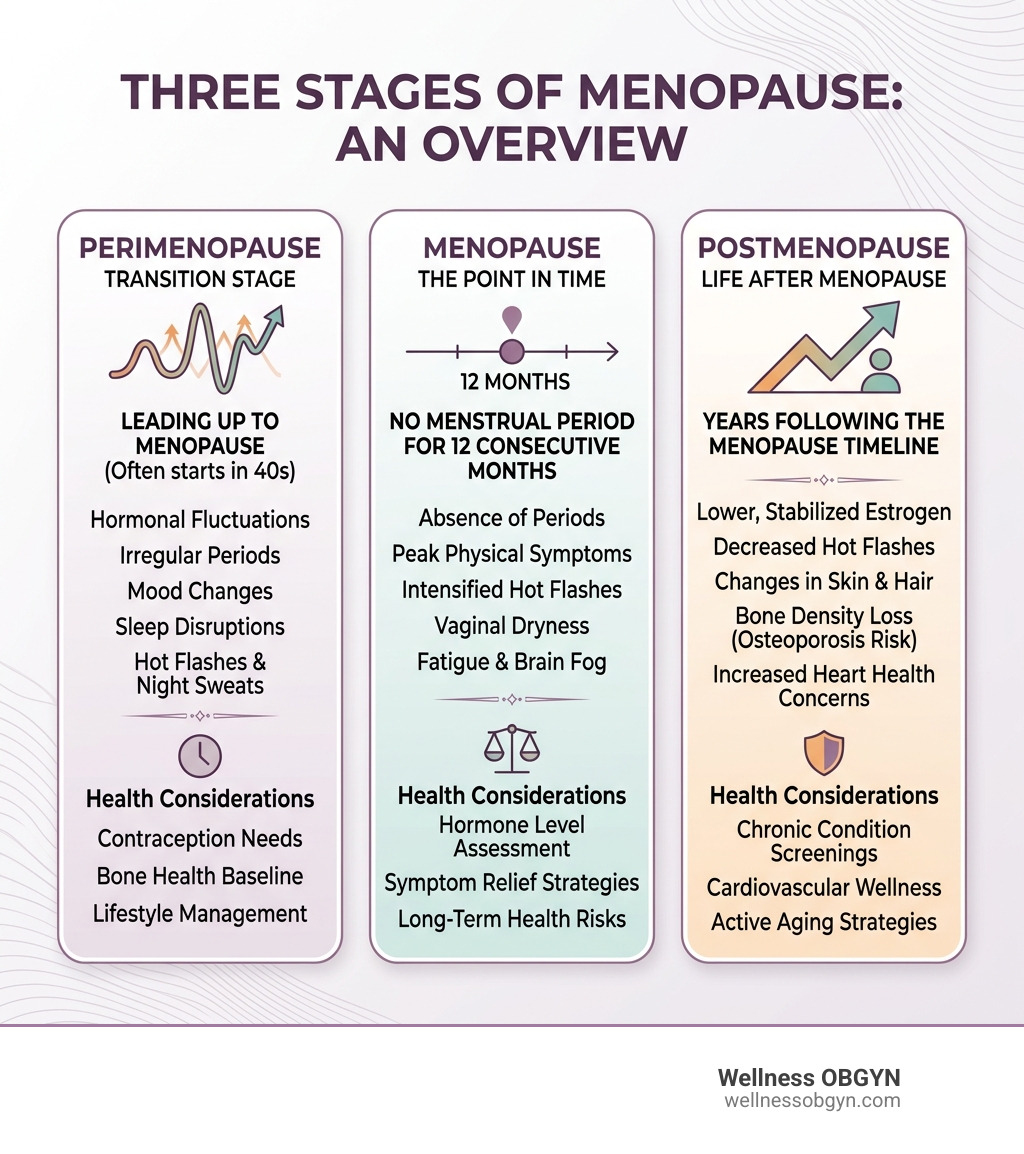
And this matters more than most people realize. The average age of menopause is 51 — which means most women will spend roughly 30 years of their lives in the postmenopause stage. The specialist you choose during this transition can shape your health for decades.
The good news? Certified menopause specialists exist precisely to fill this gap — and knowing how to find one who truly listens makes all the difference.
I’m Dr. Cheryl Twu, a board-certified OB-GYN and founder of Wellness OBGYN in Honolulu, with specialized expertise in hormone optimization and menopause care across more than a decade of women’s health practice — making menopause management specialist care a core part of what I do every day. In this guide, I’ll walk you through exactly what to look for so you can find a provider who meets you where you are.
Terms related to Menopause management specialist:
What is a Menopause Management Specialist and Why Do You Need One?
As we move into April 2026, the landscape of women’s healthcare is shifting. We are no longer settling for being told that hot flashes and mood swings are just “part of getting older.” A menopause management specialist is your partner in navigating this biological transition with science and empathy.
While a general practitioner (GP) is wonderful for your annual flu shot or managing blood pressure, they often lack the granular knowledge required to balance fluctuating hormones or address the nuances of Menopause Treatment Honolulu. Specialized care provides a deeper dive into how estrogen, progesterone, and testosterone affect every system in your body, from your brain to your bones.
The Difference Between a Generalist and a Menopause Management Specialist
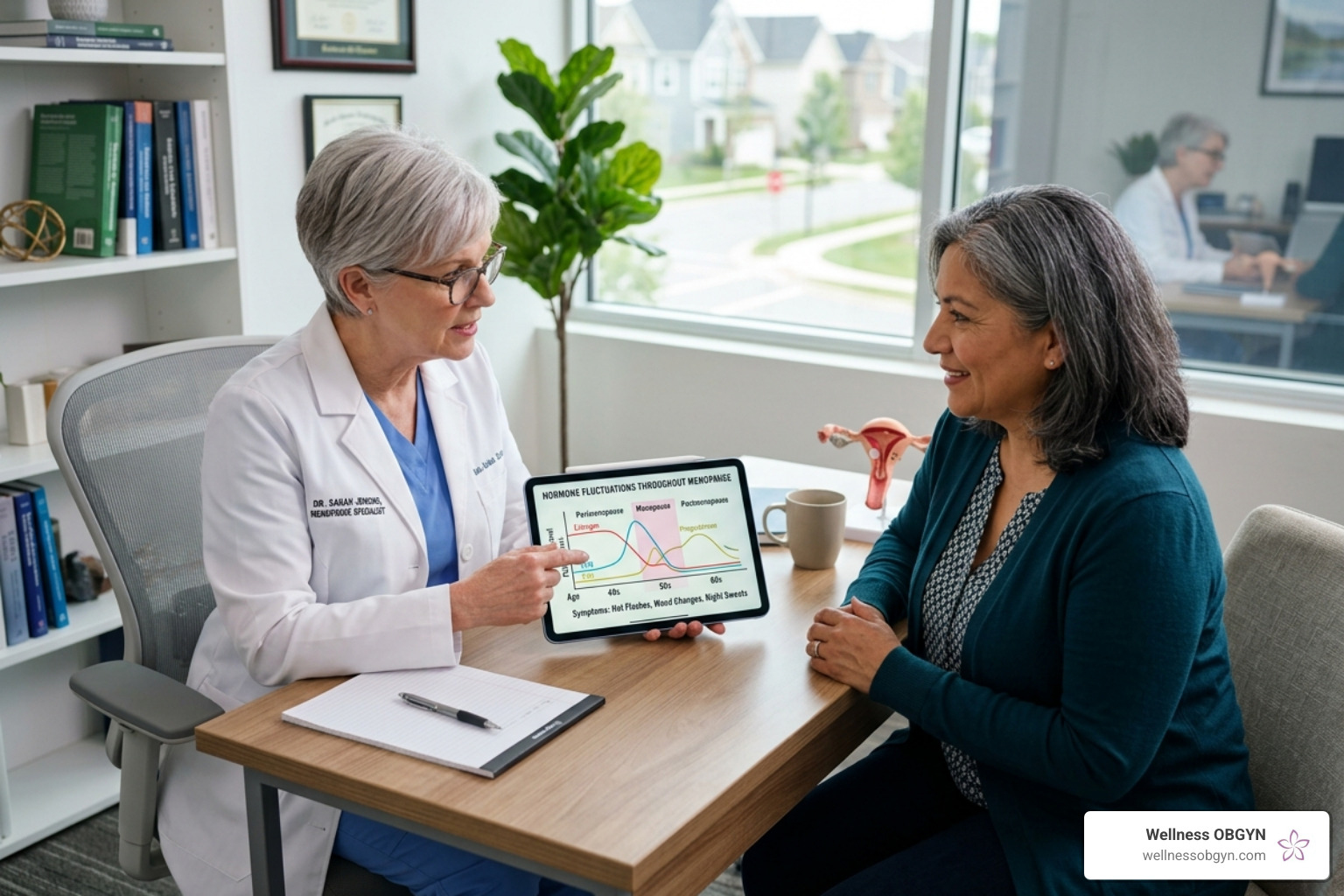
The gap between general care and specialized care often comes down to time and training. A generalist might have fifteen minutes to cover five different health concerns. In contrast, an Obgyn Menopause Specialist dedicates the entire appointment to your midlife transition.
We understand that perimenopause can start in your 40s (or even earlier) and that symptoms like heart palpitations, “brain fog,” and joint pain are just as real as hot flashes. Specialists are also more equipped to handle complex medical histories—such as women who are breast cancer survivors or those with a high risk of blood clots—who might have been told they “can’t” take hormones by a less-specialized doctor.
Why Specialized Care Matters for Long-Term Health
We aren’t just looking at the next six months; we are looking at the next thirty years. Since most women live well into their 80s, the postmenopausal years represent a significant portion of your life.
Experts like JoAnn Pinkerton, MD, have highlighted through extensive research that the decline in estrogen significantly impacts bone density and cardiovascular health. Without a specialist to monitor these markers, you may miss the window of opportunity to prevent osteoporosis or heart disease. Seeing a menopause management specialist ensures you have an advocate who understands that your health in your 50s dictates your mobility and vitality in your 70s.
Key Qualifications: Looking for the MSCP Credential
When you start your search, you might feel overwhelmed by titles. The gold standard to look for is the MSCP (Menopause Society Certified Practitioner) credential. This certification is awarded by The Menopause Society (formerly NAMS) to licensed healthcare professionals who pass a rigorous competency examination.
This isn’t a “one-and-done” certificate. The MSCP must be renewed every three years through continuing education or retesting. This ensures your provider is up-to-date on the latest evidence-based care, such as Early Menopause Support and the evolving safety data on hormone therapy.
How to Find a Certified Menopause Management Specialist Near You
The easiest way to find a qualified provider is to use The Menopause Society’s online directory. This tool allows you to search by zip code or country to find practitioners who have opted-in to the registry. For those of us in the islands, finding Hormone Replacement Therapy Hawaii means looking for providers who understand our local community while maintaining national standards of excellence. Many specialists now also offer telehealth options, which is a game-changer for accessibility.
Evaluating Experience and Research Contributions
Beyond certifications, look at a provider’s “extracurriculars.” Have they participated in clinical trials? Do they have peer-reviewed publications? For example, Dr. JoAnn Pinkerton was recognized by PubMed in 2021 and 2022 as being in the top 3 in the world for menopause publications. While your local doctor doesn’t need to be a world-renowned researcher, a specialist who stays active in the medical community is more likely to offer you the latest, most effective treatments.
Comprehensive Services
A true specialist doesn’t just hand you a prescription for a patch and send you on your way. They offer a menu of Hormone Therapy Options and non-hormonal alternatives tailored to your lifestyle and risk factors.
| Feature | Hormone Therapy (HT) | Non-Hormonal Options |
|---|---|---|
| Primary Goal | Replace declining estrogen/progesterone | Target specific symptoms (e.g., hot flashes) |
| Best For | Severe hot flashes, night sweats, bone health | Women with contraindications to estrogen |
| Common Forms | Patches, gels, pills, sprays | SSRIs, Gabapentin, Veozah |
| Long-term Benefit | Significant bone and heart protection | Symptom relief without systemic hormones |
Whether you choose Hormone Therapy for Menopause or a newer non-hormonal medication like Veozah (fezolinetant), the choice should always be a shared decision between you and your doctor.
Holistic and Lifestyle Management
We believe that pills and procedures are only part of the puzzle. A menopause management specialist should also discuss Menopause and Diet and Menopause Lifestyle Changes.
As your metabolism shifts, your nutritional needs change. We often recommend a Holistic Menopause Treatment approach that includes:
- Stress Reduction: High cortisol can worsen hot flashes and sleep issues.
- Sleep Hygiene: Addressing the root cause of night sweats to ensure restorative rest.
- Weight Management: Focusing on muscle mass preservation through resistance training.
What to Expect and Red Flags to Avoid
Your first appointment with a menopause management specialist should feel significantly different from a standard check-up. Expect to spend a lot of time talking. We will review your symptom tracker, your family history, and your personal goals for treatment.

Warning Signs of a Poor Menopause Management Specialist
Not all “menopause clinics” are created equal. Be wary of these red flags:
- Dismissive Behavior: If a doctor tells you to “just deal with it,” it’s time to find a new one.
- The Hard Sell: Be cautious of clinics that push expensive, unproven supplements or “custom” compounded hormones as the only option. FDA-approved bioidentical hormones are often safer and more regulated.
- Over-reliance on Testing: Routine hormone testing in perimenopause is often unhelpful because levels fluctuate wildly from day to day. A specialist should treat your symptoms, not just a lab number.
- Lack of Certification: If they claim to be a specialist but don’t hold an MSCP or similar credential, ask about their specific training.
Frequently Asked Questions about Menopause Specialists
When should I start seeing a menopause specialist?
The best time is during perimenopause—the “transition” phase. If you notice irregular periods, new-onset anxiety, or sleep disturbances in your 40s, it’s time. You should definitely see a specialist if you experience menopause before age 40 (premature menopause), as this carries higher risks for bone and heart health.
Are non-hormonal options effective for hot flashes?
Absolutely. For women who cannot or choose not to take hormones, there are several FDA-approved options. Low-dose SSRIs or SNRIs can be very effective, as can Gabapentin (which also helps with sleep). The newest medication, Veozah, specifically targets the temperature-regulating center in the brain.
How does a specialist support bone and heart health?
We use tools like DEXA scans to monitor bone density and perform regular cholesterol and blood pressure checks. Estrogen plays a protective role in the cardiovascular system; a specialist will help you weigh the benefits of hormone therapy against your personal risk factors to keep your heart and bones strong.
Conclusion
Choosing a menopause management specialist is an act of self-care that pays dividends for the rest of your life. At Wellness OBGYN in Honolulu, we are committed to a patient-centered approach where your voice is the most important one in the room. We believe in shared decision-making and compassionate care that respects your unique journey through midlife.
You don’t have to navigate this transition alone. Whether you are seeking relief from hot flashes or looking for more info about specialized intimate wellness treatments, our team is here to help you thrive.