
What Every Woman Should Know About Menopause
Menopause patient education is one of the most important tools a woman has for navigating midlife with confidence. Here is a quick overview of what you need to know:
| Topic | Key Facts |
|---|---|
| What is menopause? | Your period stops permanently after 12 months without one |
| Average age | 51 in the US (range: 45-55) |
| Perimenopause | Begins ~4 years before the last period; symptoms can start even earlier |
| Most common symptoms | Hot flashes, night sweats, brain fog, mood swings, vaginal dryness |
| How long do symptoms last? | On average 7-10 years |
| Treatment options | Hormone therapy, non-hormonal medications, lifestyle changes |
| When to see a doctor | Bleeding after menopause, severe symptoms, or periods stopping before age 40 |
Menopause is not a disease. It is a natural part of aging — but that does not mean the symptoms are easy to live with. Hot flashes, restless nights, brain fog, and mood swings can disrupt daily life in real ways. About 80-85% of women experience hot flashes, and symptoms can last nearly a decade on average. Yet around 10-15% of women have little to no symptoms at all. Every woman’s experience is different.
The transition — called perimenopause — often begins in the mid-to-late 40s, years before periods actually stop. Understanding what is happening in your body, and knowing your options, makes a significant difference in how you move through this stage of life.
I’m Dr. Cheryl Twu, a board-certified OB-GYN and founder of Wellness OBGYN in Honolulu, and menopause patient education is central to my practice — drawing on over a decade of clinical experience helping women navigate hormone changes, perimenopause, and long-term wellness. In the sections ahead, we will walk through everything you need to know, from recognizing symptoms to exploring treatment options that fit your life.

Must-know Menopause patient education terms:
Understanding the Stages: Perimenopause to Postmenopause
At Wellness OBGYN, we believe that understanding the biological “why” behind your symptoms is the first step toward relief. The menopausal transition isn’t a single event; it’s a multi-year process driven by the gradual decline in ovarian function.
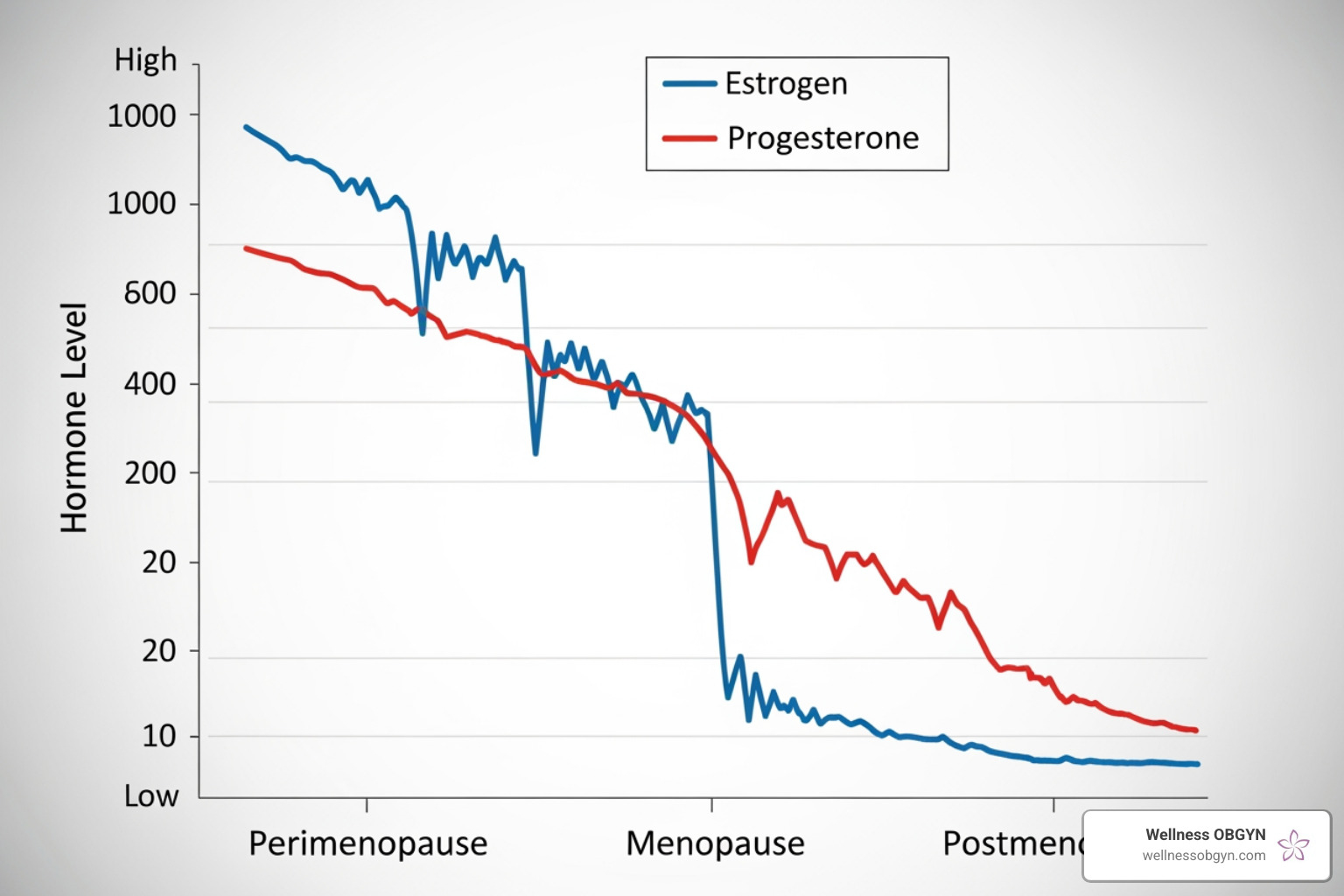
The Biological Shift
Every woman is born with a finite number of eggs. As we age, the ovaries produce less estrogen and progesterone, and ovulation becomes irregular. This hormonal roller coaster is what triggers the symptoms many of us recognize.
- Perimenopause: This is the “menopause transition.” It usually starts about four years before your final period, often between the ages of 40 and 48. However, some women notice changes as early as their mid-30s. During this time, your cycles may get shorter, longer, or heavier.
- Menopause: You have officially reached menopause when you have gone 12 consecutive months without a menstrual period. The average age for this in the United States is 51, though the normal range spans from 45 to 55.
- Postmenopause: This refers to all the years following that 12-month milestone. While many bothersome symptoms like hot flashes eventually fade, this is the stage where we focus heavily on long-term health risks like bone density and heart health.
Unique Transitions
Not every woman reaches menopause naturally. About one in eight women enter menopause because of a medical intervention.
- Surgical Menopause: This occurs if the ovaries are removed (oophorectomy), often due to endometriosis, cancer risk, or other pelvic issues. Because the hormone drop is instant rather than gradual, symptoms are often more severe.
- Early and Premature Menopause: Menopause occurring before age 45 is considered “early,” while menopause before age 40 is called “premature ovarian insufficiency” (POI). If you are experiencing symptoms or your periods have stopped before age 40, it is vital to seek early menopause support to protect your bone and heart health.
For more detailed information on the science of these stages, you can review scientific research on menopause stages provided by the National Institute on Aging.
Common Symptoms and Menopause Patient Education
When we discuss menopause patient education, we often focus on the “big hitters” like hot flashes, but the transition affects almost every system in the body.
Brain Fog and Memory
Many women describe “brain fog”—a feeling of being forgetful, having trouble focusing, or losing their train of thought. Research suggests that cognitive function at midlife is influenced by the menopause stage and is often exacerbated by poor sleep and mood changes.
Mood Swings and Mental Health
The fluctuating hormones of perimenopause can feel like “PMS on steroids.” Anxiety, irritability, and even new-onset depression are common. It is important to know these aren’t “in your head”—they are physiological responses to changing chemistry.
Physical Changes and Long-Term Risks
Beyond the immediate discomfort, the drop in estrogen impacts your long-term health:
- Heart Disease: Estrogen helps keep blood vessels flexible. After menopause, the risk of heart disease and stroke increases.
- Osteoporosis: Women can lose up to 20% of their bone density in the five to seven years following menopause. This is why we prioritize menopause and diet—ensuring adequate calcium and Vitamin D is essential.
- Weight Gain: Many women notice a “menopause middle,” where weight shifts to the abdomen. This is partly due to hormonal changes and a slowing metabolism.
- Urinary Incontinence: About half of postmenopausal women have trouble holding in their urine. Estrogen deficiency thins the lining of the urethra, leading to more frequent UTIs and leakage.
Comparing the Stages
| Symptom | Perimenopause | Menopause/Postmenopause |
|---|---|---|
| Periods | Irregular, heavy, or spotting | None (absent for 12+ months) |
| Hot Flashes | Occasional to frequent | Most intense in first 1-2 years |
| Pregnancy Risk | Possible (must use birth control) | None |
| Vaginal Dryness | Mild | Can become severe/progressive |
For a deeper dive into managing these changes, see the scientific research on symptom management from ACOG.
Managing Hot Flashes, Night Sweats, and Sleep
Vasomotor symptoms—the medical term for hot flashes and night sweats—are the most common complaint, affecting up to 85% of women. A hot flash is a sudden, intense feeling of heat in the upper body, often accompanied by a rapid heartbeat and sweating.
Cool Down Strategies
While some women require medication, many find relief through lifestyle adjustments and holistic menopause treatment:
- Identify Triggers: Common culprits include spicy foods, caffeine, alcohol, hot beverages, and stress. Keeping a symptom diary can help you spot patterns.
- Dress in Layers: Use breathable fabrics like cotton. Carrying a portable fan can be a lifesaver.
- The “Sip and Breathe” Method: When a flash starts, drink cold water and practice slow, deep breathing (aim for six breaths per minute).
- Manage Your Environment: Keep your bedroom cool and use “chill pillows” or moisture-wicking sheets to combat night sweats.
Sleep and Stress
Chronic sleep deprivation from night sweats can lead to irritability and “brain fog.” At Wellness OBGYN, we often recommend Cognitive Behavioral Therapy (CBT) for insomnia, which has been shown to be highly effective for menopausal women. Reducing stress through yoga or mindfulness can also lower the frequency of flashes.
For more evidence-based tips, read the scientific research on hot flash management.
Sexual Health and Wellness
As estrogen levels drop, the tissues of the vagina and urethra become thinner, drier, and less elastic. This is known as Genitourinary Syndrome of Menopause (GSM). Unlike hot flashes, which often go away over time, GSM tends to be progressive and requires proactive management.
Symptoms include:
- Vaginal dryness and itching.
- Pain during intercourse.
- Decreased libido (which may also be linked to low testosterone in women).
- Frequent urge to urinate.
Many women suffer in silence because they feel embarrassed, but these symptoms are highly treatable. You can find more resources on this topic through scientific research on sexual health.
Treatment Options: Hormone Therapy and Beyond
When lifestyle changes aren’t enough, we look at medical interventions. The goal of menopause patient education is to help you weigh the benefits and risks of each option with your doctor.
Hormone Therapy (HT)
Hormone therapy remains the most effective treatment for hot flashes and vaginal dryness.
- Benefits: Significantly reduces hot flashes, prevents bone loss, and improves sleep and mood for many women.
- Safety: For most healthy women under 60 or within 10 years of menopause onset, HT is considered safe and effective.
- Types: If you still have a uterus, you must take progesterone alongside estrogen to prevent uterine cancer. If you’ve had a hysterectomy, estrogen alone is typically used.
- Forms: HT comes in pills, patches, gels, and sprays. Patches are often preferred as they carry a lower risk of blood clots compared to oral forms.
You can learn more about the latest safety guidelines in the scientific research on hormone therapy safety.
Non-Hormonal Options
If you cannot or choose not to take hormones (for example, if you have a history of certain cancers), there are other options:
- Fezolinetant (Veozah): A newer, FDA-approved non-hormonal drug that targets the brain’s “thermostat” to reduce hot flashes.
- Low-dose Antidepressants: Certain SSRIs and SNRIs can significantly reduce the severity of hot flashes.
- Vaginal Moisturizers and Lubricants: Non-hormonal options like hyaluronic acid moisturizers can help with mild dryness.
A Note on “Bioidenticals”
Be cautious of compounded “bioidentical” hormones. While the term sounds natural, these custom-mixed formulas are not FDA-regulated for safety or purity. At Wellness OBGYN, we prefer FDA-approved hormone therapy options that are chemically identical to your body’s hormones but have been rigorously tested for consistency and safety.
Diagnosis and Medical Consultation
How do you know you’re “there”? In most cases, if you are over 45 and have gone 12 months without a period while experiencing typical symptoms, a diagnosis can be made without expensive testing.
When to See a Doctor and Menopause Patient Education
While menopause is natural, certain symptoms require an immediate visit to an OBGYN menopause specialist:
- Postmenopausal Bleeding: Any spotting or bleeding that occurs after you have gone 12 months without a period must be evaluated to rule out uterine issues.
- Abnormal Perimenopausal Bleeding: If your periods are coming more often than every three weeks, are extremely heavy, or last longer than seven days.
- Early Symptoms: If you are under 40 and your periods stop.
In these cases, we may use diagnostic hormone tests, such as checking your FSH (follicle-stimulating hormone) levels. However, because hormones fluctuate wildly during perimenopause, a single blood test isn’t always a perfect “yes or no” answer. Diagnosis is often retrospective—looking back at your patterns over the last year.
Our goal for menopause treatment in Honolulu is shared decision-making. We provide the education, and you provide the context of your lifestyle and goals, allowing us to create a personalized care plan together.
Frequently Asked Questions about Menopause
What is the average age for menopause?
The average age is 51, but it is perfectly normal to reach menopause anywhere between 45 and 55. Factors like genetics, smoking (which can lead to earlier menopause), and overall health can influence the timing.
Should I continue birth control during perimenopause?
Yes! You can still get pregnant during perimenopause because you are still ovulating occasionally. We generally recommend continuing birth control until you have reached the official 12-month mark of menopause. Low-dose birth control pills can also help manage heavy periods and hot flashes during the transition.
Are hormone tests necessary to diagnose menopause?
Usually, no. If you are over 45, we diagnose menopause based on your symptoms and your menstrual history. Testing is typically reserved for younger women or those who have had a hysterectomy (and therefore have no periods to track) to determine if their ovaries have stopped functioning.
Conclusion
Navigating menopause doesn’t have to be a solo journey. Empowerment through menopause patient education allows you to take charge of your health, ensuring that your “golden years” are spent feeling vibrant, comfortable, and confident.
If you’re ready to discuss a personalized plan for your transition, we invite you to learn more info about our services or schedule a consultation today. Your well-being is our priority, and together, we can ensure you move through this transition with the care and expertise you deserve.