
Navigating Your Menopause Journey Naturally
Imagine waking up feeling rested, moving through your day with energy, and handling life’s stresses with grace—even as your hormones fluctuate. This isn’t a fantasy; it’s what holistic menopause treatment can help you achieve.
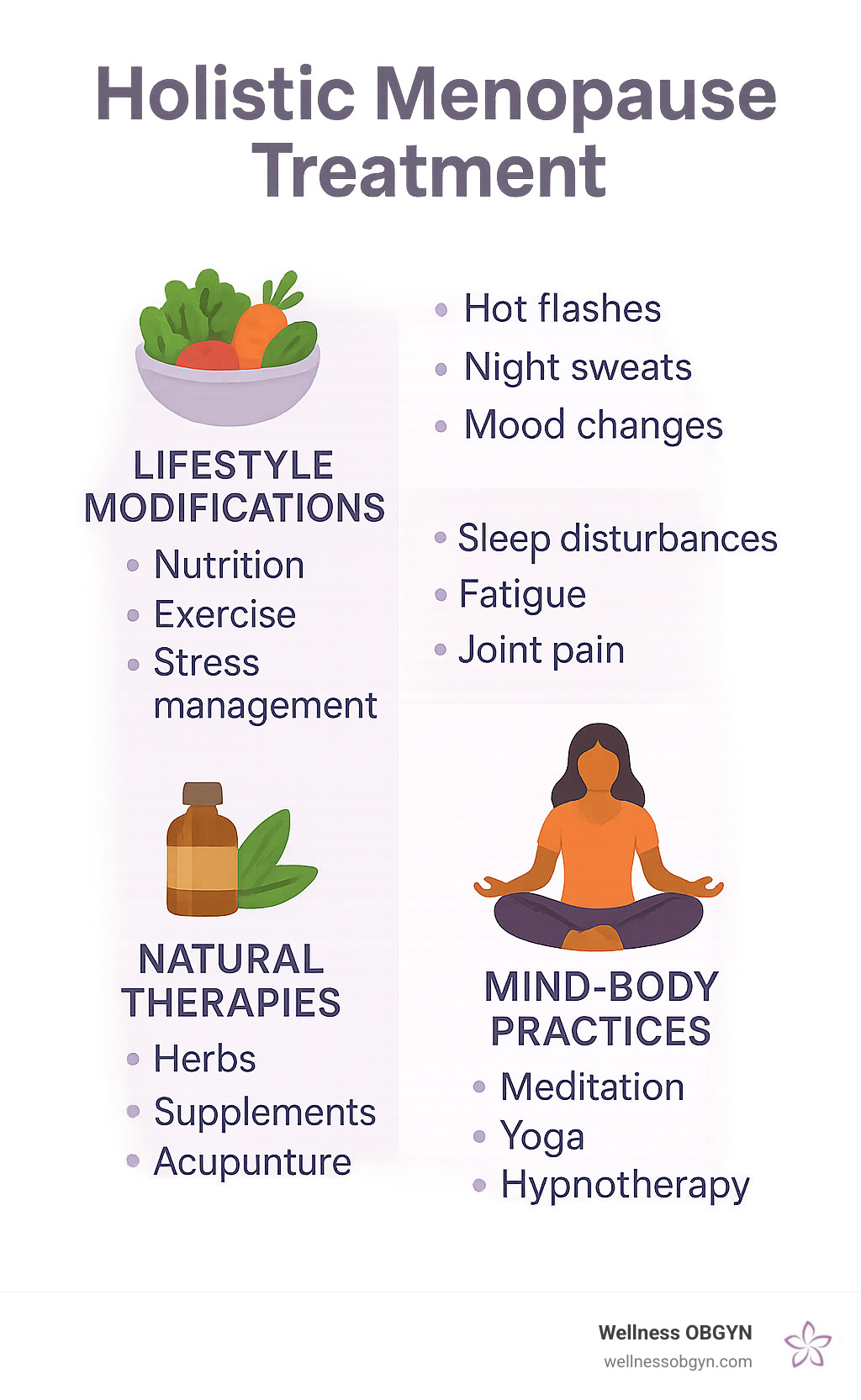
At its heart, holistic care weaves together natural therapies, thoughtful lifestyle changes, and mind-body practices to not just manage those frustrating hot flashes or sleep troubles, but to nurture your overall wellbeing during this significant life transition.
“Every woman deserves to feel vibrant, alive, and great at every age (no matter what their hormones are doing!).” – Dana LaVoie, Herbalist and Menopause Specialist
The beauty of holistic approaches is that they can stand alone for women seeking alternatives to conventional hormone therapy or complement traditional treatments for improved relief. Either way, you’re not just treating symptoms—you’re supporting your whole self.
Most women begin menopause between ages 45-55 (the average is 51), bringing those familiar challenges: hot flashes that seem to come out of nowhere, night sweats that leave you drenched, mood swings that make you wonder who’s taken over your body, and sleep disturbances that leave you exhausted. While these symptoms typically last about four years, some women experience them for up to 12 years—making effective management all the more important.
What sets holistic menopause treatment apart is its comprehensive view. Rather than seeing menopause as simply an estrogen deficiency to be “fixed,” it honors this transition as a natural life stage affecting your physical, emotional, and spiritual wellbeing.
| Approach | Benefits | Implementation |
|---|---|---|
| Nutrition | Reduces hot flashes, supports bone health | Mediterranean diet, phytoestrogen foods, 8-12 glasses of water daily |
| Physical Activity | Improves mood, sleep, bone density | 30 minutes moderate exercise 5x weekly, strength training 2-3x weekly |
| Mind-Body Practices | Decreases hot flashes by up to 80% | Yoga, meditation, hypnotherapy, breathing exercises |
| Herbal Supplements | May provide symptom relief | Black cohosh, red clover, evening primrose oil (consult healthcare provider first) |
| Sleep Optimization | Reduces fatigue, improves resilience | Consistent schedule, cool bedroom, limit caffeine/alcohol |
The science backing these approaches continues to grow stronger. Research shows that simple lifestyle shifts can dramatically reduce symptom severity. Some herbs and mind-body practices offer relief comparable to lower-dose hormone therapies for certain women—often with fewer side effects when implemented with professional guidance.
Why This Guide Matters
I’ve seen it countless times in my practice at Wellness OBGYN in Honolulu—the relief in a woman’s eyes when she realizes she has options beyond just “toughing it out” or taking hormones she’s uncertain about. That’s why we’ve created this comprehensive roadmap to help you steer sometimes choppy menopause waters with confidence and evidence-based strategies.
Our integrative approach combines the best conventional medicine has to offer with holistic practices custom to your unique needs and preferences. As we like to tell our patients, “Suffering is optional.” This guide will empower you with practical knowledge and actionable steps to take control of your menopause journey.
Think of this transition not just as an ending but as a beginning—a time to reconnect with yourself, prioritize your wellbeing, and perhaps find new dimensions of vitality and purpose. With the right support, menopause can be steerd with greater ease and even become a catalyst for personal growth and renewed energy.
Understanding Menopause: Symptoms, Biology, Timeline
Menopause isn’t a single moment that happens overnight—it’s more like a gradual journey your body takes over several years. Think of it as three connected chapters in your life story:
Perimenopause begins the transition, often starting in your 40s and lasting anywhere from 4-10 years. During this time, your periods might become irregular as your hormones begin their dance of change.
Menopause officially arrives when you’ve gone a full 12 months without a menstrual period—typically around age 52 for most women, though it can happen anywhere between 45-55.
Postmenopause encompasses all the years that follow, bringing both challenges and freedoms as your body settles into its new normal.
Behind the scenes, your body is experiencing a fundamental shift in its hormone production. Estrogen levels decline significantly, sometimes in an unpredictable pattern with occasional spikes. Meanwhile, your follicle-stimulating hormone (FSH) levels rise as your body works harder to stimulate your ovaries. These changing hormone levels trigger the constellation of symptoms that make menopause such a unique experience for each woman.
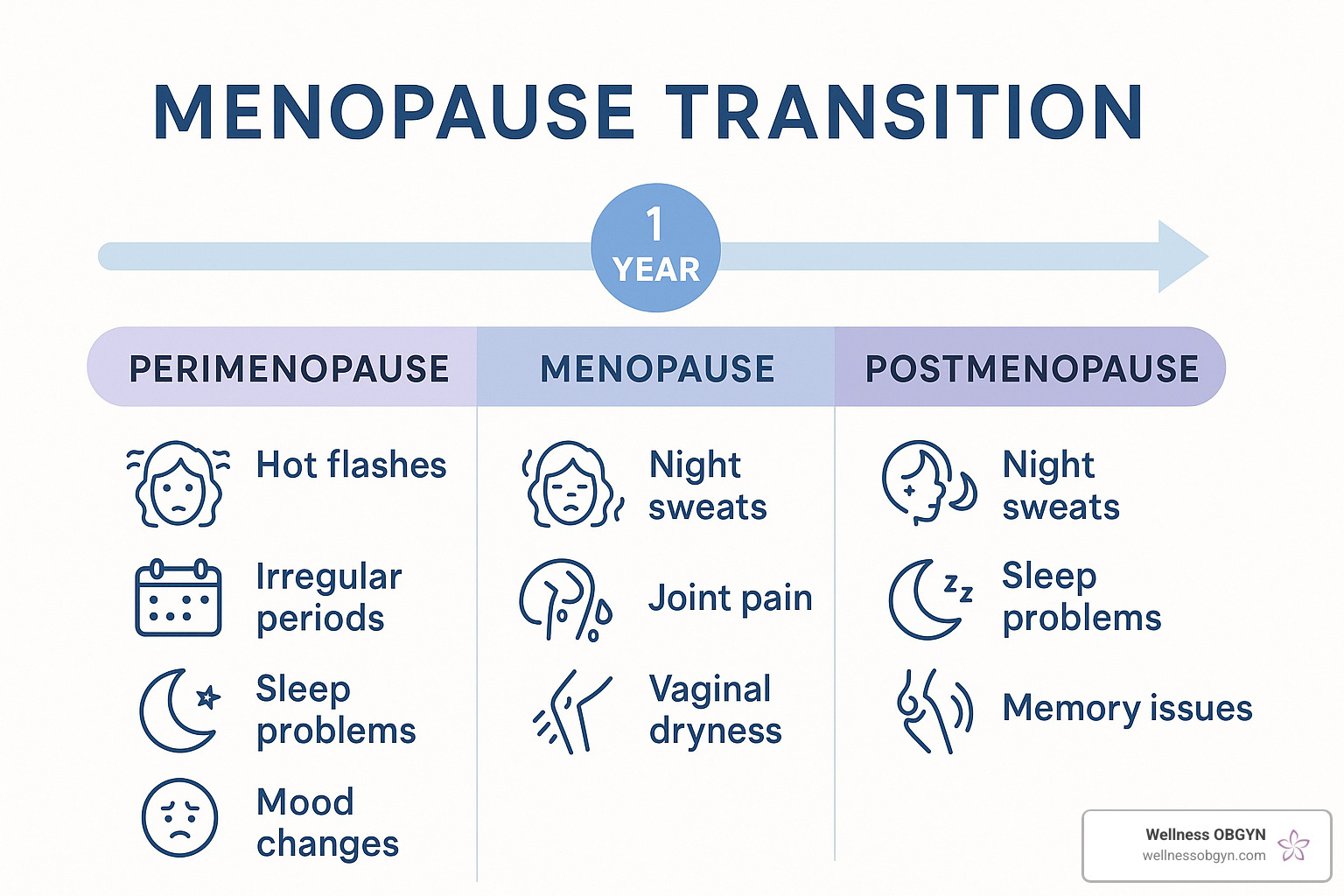
You might experience hot flashes—those sudden waves of heat that can leave you flushed and sweating (affecting up to two-thirds of women). Night sweats might interrupt your sleep, leaving you tired and irritable the next day. Many women notice mood swings that can feel like emotional roller coasters, along with new feelings of anxiety or irritability.
Sleep disturbances often become unwelcome companions, making it harder to fall or stay asleep. Vaginal dryness might make intimacy uncomfortable, while weight changes—particularly around your midsection—can be frustrating even with your usual diet and exercise routine.
Beyond these visible symptoms, important changes are happening beneath the surface too. Your bone density decreases, raising your risk for fractures and osteoporosis. Your cardiovascular risk increases as estrogen’s protective effects diminish. You might notice changes in your skin’s elasticity and your hair’s texture. Some women experience brain fog or memory challenges, heart palpitations, or joint and muscle pain.
While the average age for menopause in the United States is 51, your personal timeline may vary considerably based on genetics, lifestyle factors, and medical history. Some women experience early menopause (before 40) due to family history, certain medical treatments, or surgical removal of the ovaries.
At Wellness OBGYN in Honolulu, we understand that each woman’s menopause journey is as unique as her fingerprint. The symptoms you experience—and their intensity—may be completely different from your sister’s, your friend’s, or your mother’s experience. That’s why holistic menopause treatment approaches need to be custom specifically to you and your body’s needs.
Understanding what’s happening in your body during this transition is the first step toward taking control of your symptoms and embracing this new chapter with confidence and vitality.
Holistic Menopause Treatment: Definition & Evidence
Holistic menopause treatment is like having a complete toolkit rather than just a single hammer. It accepts the whole you—not just your hormones, but your entire wellbeing during this significant life transition.
When we talk about a “whole-person” approach, we mean looking at you as a complete human being with interconnected physical, emotional, and social needs. Your hot flashes aren’t happening in isolation—they’re affecting your sleep, which impacts your mood, which influences your relationships and work performance. Everything connects.
Research published in the Journal of Mid-Life Health confirms what we’ve seen in our practice: women thrive during menopause when supported by a team of professionals offering different perspectives and skills. This patient-centered approach puts you in the driver’s seat, with healthcare providers as your navigators and supporters.
Think of your menopause journey as happening within your personal ecosystem. Your family dynamics, friendships, work environment, and community all play roles in how you experience this transition. A truly holistic menopause treatment considers all these factors when crafting your care plan.
Holistic menopause treatment vs conventional HRT
Comparing holistic approaches to traditional hormone replacement therapy is a bit like comparing a multi-course meal to a single dish. Both have their place, but they offer different experiences:
The holistic path typically begins with lifestyle changes first—adjusting your diet, movement patterns, and stress management before considering medications. It’s about building a strong foundation.
When hormones are needed (and they often are!), a holistic approach might favor body-identical hormones that precisely match what your body naturally produces. We’re looking not just to mask symptoms but to address underlying imbalances while supporting your overall health.
The conventional approach often starts with standardized hormone prescriptions. While effective for many women, it sometimes misses the broader picture of what’s happening in your body and life.
At Wellness OBGYN, we believe most women benefit from a middle path—starting with lifestyle foundations and adding appropriate medical interventions when needed, always weighing individual benefits against potential risks.
As menopause specialist Dana LaVoie wisely notes, “Cookie-cutter remedies don’t work for hormones.” Your menopause experience is uniquely yours, and your treatment should reflect that individuality.
Building your holistic menopause treatment roadmap
Creating your personal menopause roadmap begins with becoming a bit of a detective in your own life. Start by keeping a simple symptom diary for a couple of weeks. Note when hot flashes hit, how your sleep patterns change, and what might trigger your symptoms. Is that glass of wine making your night sweats worse? Does yoga seem to help your mood? This information becomes invaluable.
Next, take time to reflect on what’s bothering you most. Are the night sweats disrupting your sleep? Is brain fog affecting your work? Setting clear priorities helps focus your treatment efforts where they’ll make the biggest difference in your quality of life.
Assembling your healthcare team is where many women find the greatest benefit. At Wellness OBGYN in Honolulu, our physicians are trained in osteopathic medicine, which naturally aligns with holistic principles. Learn more about what a D.O. (Doctor of Osteopathic Medicine) is and why this training improves our approach to women’s health.
Your team might also include a nutritionist who understands hormonal eating patterns, a mental health professional for emotional support, and perhaps practitioners of complementary therapies like acupuncture or massage.
Holistic menopause treatment isn’t about quick fixes—it’s about sustainable changes that support this transition and your health for decades to come. Small, consistent steps often bring the most lasting relief. Think of it as a marathon rather than a sprint, with your healthcare team cheering you on at every mile marker.
Lifestyle Foundations for Symptom Relief
The true foundation of holistic menopause treatment isn’t found in a pill bottle—it’s woven into your daily habits. Time and again, research confirms that what you eat, how you move, and the way you manage stress can dramatically transform your menopause experience.
One eye-opening study followed over 17,000 postmenopausal women and finded something remarkable: those who lost just 10% of their body weight often saw their hot flashes and night sweats significantly reduce or even disappear completely. That’s powerful medicine without the medicine!
Your lifestyle toolkit for menopause relief includes nourishing your body with Mediterranean-style foods, staying hydrated with 8-12 glasses of water daily, and finding sustainable ways to maintain a healthy weight. If you smoke, quitting can make a world of difference—smoking not only triggers earlier menopause but also intensifies symptoms. And while that glass of wine might seem tempting after a long day, limiting alcohol to one drink or less helps prevent sleep disruptions and hot flash triggers.
Regular movement, stress-taming techniques, and smart sleep habits round out your foundation. Let’s explore how to build each of these pillars in your daily life.
Eating for Hormone Harmony
Your dinner plate might be your most powerful ally during menopause. The foods you choose can either calm the hormonal storm or intensify it.
A nutrient-rich, anti-inflammatory eating pattern helps stabilize your energy, mood, and weight while potentially reducing hot flashes. Your bones need extra attention now, so aim for 1,200-1,500 mg of calcium daily through leafy greens, dairy (or fortified plant milks), almonds, and sardines. Pair this with vitamin D (400-800 IU) from fatty fish, egg yolks, and some sunshine to help your body absorb that calcium.
Omega-3 fatty acids deserve a special place on your plate—they support heart and brain health just when you need it most. Look to fatty fish, walnuts, and flaxseeds to get your fill. Speaking of flaxseeds, they’re part of a special food category called phytoestrogens (along with soy foods like tofu and tempeh) that may help gently balance hormones during this transition.
Don’t forget the power of fiber from whole grains, beans, and vegetables—it helps manage weight and improves digestive health, which can become more challenging during menopause.
Just as important as what to eat is what to avoid. Many women find their own personal “trigger foods” that worsen symptoms. Common culprits include caffeine (especially after lunch), alcohol (particularly before bed), spicy foods, added sugars, and highly processed foods. A simple food and symptom diary can help you identify your unique triggers—what bothers your friend might be perfectly fine for you.
Move Your Body, Soothe Your Symptoms
If there were a magic pill that could improve your mood, help you sleep better, maintain your weight, strengthen your bones, and boost your energy—everyone would take it. That “pill” exists, and it’s regular physical activity.

The Osteoporosis Foundation recommends weight-bearing exercise at least three times weekly to maintain bone strength—something that becomes increasingly important as estrogen levels decline. A fascinating study published in BMC Women’s Health found that even moderate physical activity is linked to fewer psychological and physical menopause symptoms.
What does an effective menopause exercise routine look like? It’s more varied than you might think. Weight-bearing activities like walking, dancing, or tennis help maintain bone density, while strength training preserves muscle mass that naturally diminishes with age. Balance exercises like yoga prevent falls (and the fractures that can come with them), while flexibility work keeps joints happy and mobile. Don’t forget aerobic exercise for heart health and those mood-boosting endorphins.
Aim for about 30 minutes of moderate activity five days a week, plus two or three strength sessions. New to exercise? Start gently and consider working with a fitness professional to create a safe program.
As exercise physiologist Dr. Emma Reynolds notes, “After just 12 weeks of a regular walking program, women in our study reported significant improvements in physical symptoms and emotional wellbeing. The key is consistency rather than intensity.” You don’t need to become a marathon runner—just a regular mover.
Mastering Stress & Sleep
For many women, the double challenge of stress and disrupted sleep creates the perfect storm during menopause. Night sweats interrupt precious rest, while hormonal fluctuations can amplify your response to stress and change your natural sleep patterns.
Thankfully, you have powerful tools to restore balance. Deep breathing exercises offer immediate stress relief—just a few minutes of slow, diaphragmatic breathing can shift your nervous system from “fight or flight” to “rest and digest.” Meditation doesn’t require hours of sitting in silence; even 10 minutes daily can lower stress hormones and build resilience. Guided imagery and progressive muscle relaxation provide accessible ways to calm your body and mind.
Cognitive behavioral therapy (CBT) helps you recognize and reframe negative thought patterns that might be intensifying your experience of menopause symptoms. And don’t overlook hypnotherapy—research shows it can reduce hot flashes by up to an impressive 80% for some women.
Creating sleep-friendly habits becomes especially important now. Keep your bedroom cool (around 65°F/18°C) and well-ventilated to minimize night sweat discomfort. Establish a consistent sleep schedule—your body thrives on routine, even on weekends. Craft a relaxing bedtime ritual that might include a warm bath, gentle stretching, or reading (but not on screens, which emit sleep-disrupting blue light).
Moisture-wicking sleepwear and bedding can be game-changers for managing night sweats. Some women find that magnesium supplements (200-400 mg) before bedtime help relax muscles and improve sleep quality. And a practical tip: limiting evening fluids reduces those midnight bathroom trips that fragment your sleep.
“Many of my patients are surprised by how dramatically their sleep improves once they implement these strategies,” says Dr. Sarah Chen of Wellness OBGYN. “Better sleep leads to improved mood, energy, and overall quality of life during menopause.”
These lifestyle foundations aren’t just nice-to-haves—they’re the essential groundwork for your menopause wellness plan. The beautiful thing about starting with these approaches is that they benefit your whole body, not just your menopause symptoms, and they come without the side effects of medications. They’re powerful medicine in the most natural form.
Natural Therapies & Supplements: What Works, What to Avoid
When it comes to holistic menopause treatment, many women are drawn to natural remedies and supplements. While some show real promise, it’s important to approach these options with both an open mind and healthy skepticism.
“Nature provides some wonderful tools for menopause relief, but not everything natural is automatically safe or effective,” explains Dr. Lisa Tanaka of Wellness OBGYN. “The key is knowing which options have science behind them.”
The herbal medicine cabinet for menopause is quite extensive. Black cohosh has shown modest benefits for hot flashes in short-term studies (under 6 months). Red clover, rich in plant estrogens, may help reduce hot flash frequency for some women. A comprehensive 2016 meta-analysis found that soy isoflavones can provide modest relief from hot flashes and vaginal dryness.
Other popular options include ground flaxseed (containing hormone-balancing lignans), maca root (which may boost energy and mood—choose cooked forms), melatonin (3-5 mg can improve sleep patterns), evening primrose oil (potentially easing breast tenderness), and St. John’s wort (which outperformed placebo for overall menopausal symptoms in several studies).
“I’ve had patients who swear by their herbal regimens,” shares Dr. Chen. “But what works beautifully for one woman might do nothing for another. Personalization is essential.”
Supplements aren’t regulated like prescription medications. Quality, purity, and potency vary dramatically between products and brands. Always talk with your healthcare provider before starting any supplement, especially if you take other medications.
Phytoestrogens & Diet-Based Approaches
Phytoestrogens—plant compounds with structures similar to human estrogen—offer a food-based approach to menopause symptom management. The two main types are isoflavones (abundant in soy foods) and lignans (found in flaxseeds and whole grains).
Research shows mixed but promising results. A systematic review of soy isoflavones found they can reduce hot flash frequency and severity, with the sweet spot being about 50-100 mg of isoflavones daily—roughly equivalent to two servings of traditional soy foods like tofu, tempeh, or edamame.
“I find that women who incorporate moderate amounts of traditional soy foods often report fewer hot flashes,” notes Dr. Michelle Kim. “But I generally recommend starting with whole foods rather than jumping straight to supplements.”
If you’re considering the phytoestrogen approach, keep these points in mind:
Whole food sources typically provide these compounds in balanced amounts alongside other beneficial nutrients. Fresh-ground flaxseeds release more beneficial compounds than whole seeds (which pass through undigested). Women with thyroid issues should proceed cautiously, as high-dose phytoestrogens may affect thyroid function. And those with a history of hormone-sensitive cancers should always consult their oncologist before using concentrated phytoestrogen supplements.
“One of my patients with severe hot flashes started eating edamame as a daily snack and drinking a cup of soy milk each morning,” shares nutritionist Maya Johnson. “Within three weeks, her hot flashes had decreased by almost half. Simple food changes can be powerful.”
Evidence Snapshot of Popular Herbs
Not all herbs are created equal when it comes to menopause relief. Here’s what the science currently tells us:
Black cohosh shows moderate evidence for reducing hot flashes and night sweats, but should only be used short-term (6 months or less) due to potential liver concerns. Red clover has low to moderate evidence for hot flashes and may support bone health, though it can interact with blood thinners. Soy isoflavones have moderate evidence backing their use for hot flashes and vaginal dryness, but require caution if you have thyroid issues.
Evening primrose oil has limited evidence for relieving breast tenderness and may interact with blood-thinning medications. St. John’s wort shows moderate evidence for improving mood and sleep but has many drug interactions and should never be combined with antidepressants. Maca has emerging evidence for boosting energy, mood and libido, with cooked, gelatinized forms being preferred. Valerian demonstrates moderate effectiveness for sleep and anxiety but may cause drowsiness and shouldn’t be used with sedatives.
When choosing herbal supplements, look for standardized extracts with specified active compounds, third-party testing certification, clear ingredient lists (beware of proprietary blends), and reputable manufacturers with strong quality control.
“The herbal approach isn’t one-size-fits-all,” emphasizes herbalist Emma Eaton. “While one patient stopped night sweats within days of starting her personalized formula, another might need a completely different approach. Patience and personalization are key.”
Mind-Body & Complementary Therapies
Beyond herbs and supplements, holistic menopause treatment often includes hands-on and mind-body therapies that address the whole person, not just symptoms.
Acupuncture has gained scientific support for menopause relief, with multiple studies showing it can reduce hot flash frequency and improve sleep quality. The tiny needles help balance energy flow and trigger natural pain-relieving compounds in the body.
Massage therapy does more than just feel good—it can actively lower stress hormones and improve overall wellbeing during menopause. Similarly, reflexology focuses on pressure points in the feet that correspond to different body systems, with some studies showing reduced hot flash frequency with regular sessions.
Gentle movement practices like tai chi and qigong combine the benefits of physical activity with mindfulness, creating a powerful combination for menopause symptom management.
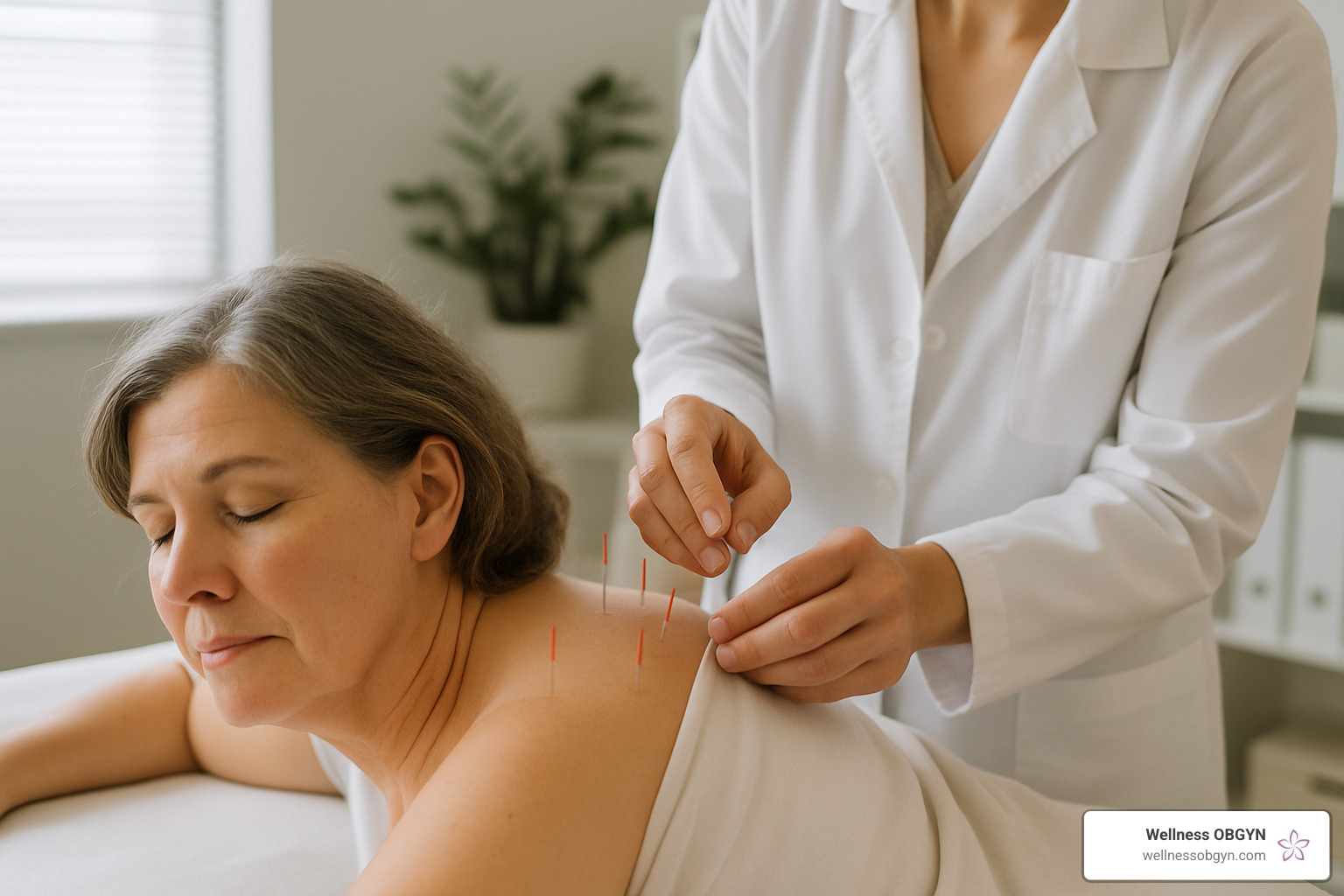
At Wellness OBGYN, we’re proud to offer Osteopathic Manipulative Treatment (OMT) as part of our comprehensive approach. This gentle, hands-on therapy can help relieve the joint pain many women experience during menopause, improve circulation, and improve overall comfort.
“Complementary therapies shine brightest when they’re part of a bigger picture,” explains Dr. Jessica Wong. “They’re rarely magic bullets on their own, but when combined with other holistic strategies, they can dramatically improve quality of life during menopause.”
Red Flags & Side-Effects
While natural approaches are generally safer than many pharmaceuticals, they’re not without risks. Being informed helps you steer these waters safely.
Liver health deserves special attention. Certain preparations of black cohosh have been associated with liver problems in rare cases. If you’re using this herb, pay attention to any unusual fatigue, abdominal pain, or yellowing of the skin or eyes.
Medication interactions can be serious. St. John’s wort is particularly notorious, as it can reduce the effectiveness of many medications including blood thinners, antidepressants, and even birth control. Always tell your healthcare provider about all supplements you’re taking.
Women with hormone-sensitive conditions like breast cancer, endometriosis, or uterine fibroids should approach phytoestrogen supplements with extra caution and medical supervision.
Allergic reactions can occur with any substance, including herbs that are generally considered safe. Start with low doses and pay attention to how your body responds.
Quality concerns are widespread in the supplement industry. Products may contain unlisted ingredients or contaminants, or may not contain the amounts of active ingredients claimed on the label.
Be wary of products making dramatic claims or promises of “miracle” results, testimonials using only initials or first names, “secret formulas” without clear ingredient lists, very high doses without safety evidence, and marketing that targets fears rather than education.
“Trust your intuition,” advises Dr. Tanaka. “If something sounds too good to be true in the supplement world, it usually is. Quality matters tremendously, and more is definitely not always better when it comes to dosage.”
At Wellness OBGYN in Honolulu, we help women steer these choices safely, integrating evidence-based natural approaches with conventional medicine when appropriate for truly holistic menopause treatment that addresses your unique needs.
Personalizing & Combining Care Safely
Your menopause journey is as unique as your fingerprint. At Wellness OBGYN, we believe the most effective holistic menopause treatment is one custom specifically to you—your symptoms, your health history, and your preferences.
Think of your menopause care plan as a custom-built house rather than a pre-fabricated one. The foundation—healthy lifestyle habits—benefits virtually everyone, but the rest of the structure should reflect your personal needs.
“When women participate in designing their treatment plan, they’re not just more satisfied—they actually experience better outcomes,” says Dr. Rachel Martinez. “This isn’t about handing out one-size-fits-all solutions, but finding what works uniquely for you.”
When we create your personalized plan, we consider several important factors: how severely your symptoms affect your daily life, your personal and family health history, your risk factors for conditions like osteoporosis and heart disease, how you’ve responded to treatments in the past, your personal values regarding different approaches, and what resources and support systems you have available.
Many women find that combining approaches works best. You might start with lifestyle changes as your foundation, add targeted supplements for specific symptoms, and incorporate conventional treatments when appropriate. This integrative approach often provides the most comprehensive relief.
If hormone therapy becomes part of your conversation, we can discuss bioidentical or body-identical hormones, which have the same molecular structure as hormones your body produces naturally. At Wellness OBGYN, we generally recommend regulated, body-identical hormones over unregulated bioidentical preparations when hormone therapy is indicated.
For women who can’t use or prefer to avoid hormone therapy, several non-hormonal medications can help with specific symptoms:
- Fezolinetant: A newer medication that helps regulate your body’s thermostat to prevent hot flashes
- Low-dose antidepressants (SSRIs/SNRIs): Can reduce hot flashes while improving mood
- Gabapentin: May help with sleep and nighttime hot flashes
- Clonidine: Can reduce hot flash frequency for some women
Creating a shared holistic menopause treatment plan
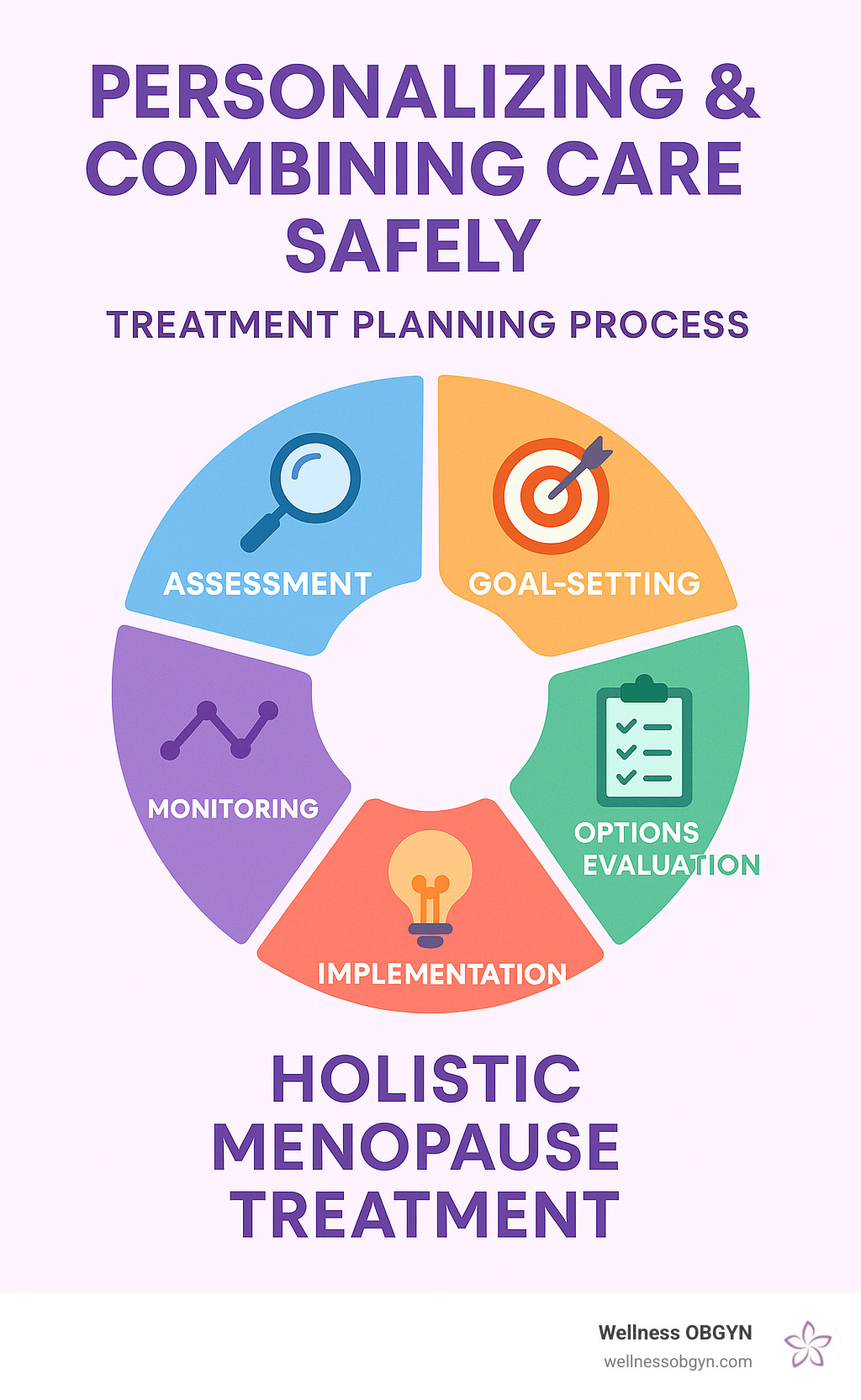
At Wellness OBGYN, we believe you should be in the driver’s seat of your health journey, with our team as your trusted navigators. Here’s how we collaborate with you to create an effective holistic menopause treatment plan:
We start with a comprehensive assessment, discussing your symptoms, health history, lifestyle habits, and personal goals. Together, we identify which symptoms impact you most significantly—because what bothers one woman might be barely noticeable to another.
We’ll educate you about the full spectrum of available approaches, from lifestyle modifications to supplements to medical therapies. Your preferences and values guide our treatment recommendations—because a plan you believe in is one you’re more likely to follow.
Implementation happens in stages. We typically begin with foundational approaches before adding more intensive interventions if needed. Regular monitoring through lab tests and symptom tracking helps us assess your progress, and we adjust the plan based on your response and evolving needs.
“I love watching women transform from feeling overwhelmed by menopause to feeling empowered,” shares Dr. Lisa Tanaka. “When you understand your options and have a personalized roadmap, this transition becomes much more manageable.”
For women experiencing intimate wellness concerns during menopause, our Specialized Intimate Wellness Treatments can address specific issues related to vaginal health and sexual wellbeing.
When to call the doctor
While many menopausal symptoms respond well to holistic approaches, certain situations warrant prompt medical attention. Don’t hesitate to call us if you experience:
Unusual bleeding patterns, including heavy or prolonged bleeding, or bleeding that returns after 12 months without a period. This could signal an underlying condition requiring evaluation.
Severe, unrelenting hot flashes that significantly disrupt your daily activities or sleep. When holistic approaches aren’t providing relief, additional treatment options are available.
Profound mood changes, particularly feelings of hopelessness, persistent sadness, or anxiety that interferes with your functioning. Menopause can affect your emotional health, but severe symptoms deserve attention.
Extreme sleep disruption lasting more than a few weeks can impact your health in numerous ways and may require specific interventions.
Symptoms of infections, such as burning with urination or unusual vaginal discharge, should be evaluated promptly as hormonal changes can increase infection risk.
Any cardiac symptoms like chest pain or pressure, especially with sweating or shortness of breath, require immediate medical attention.
“Menopause is natural, but suffering through severe symptoms isn’t necessary,” emphasizes Dr. Amanda Nguyen. “We’re here to help you steer this transition with as much comfort and grace as possible.”
Your menopause journey is a chapter in your life story—not the entire book. With personalized, holistic support, this transition can even become an opportunity for renewed health and vitality.
Frequently Asked Questions about Holistic Menopause Treatment
Do holistic approaches really reduce hot flashes?
Yes, many women experience significant relief from hot flashes through holistic approaches. The research is quite encouraging on this front. For instance, clinical studies have shown that hypnotherapy can reduce hot flashes by up to 80% in some women – a remarkable finding that surprises many of our patients.
“I was skeptical at first,” shares Maria, one of our patients at Wellness OBGYN. “But after just six hypnotherapy sessions, my hot flashes decreased from 12 per day to just 2 or 3 mild ones.”
Regular physical activity is another powerful tool, with studies showing a 20-50% decrease in hot flash frequency among women who exercise consistently. Many women find that dietary changes – particularly reducing trigger foods like caffeine and alcohol while increasing phytoestrogen-rich foods – make a noticeable difference in their comfort levels.
When a hot flash begins, paced breathing techniques can sometimes abort or reduce the intensity when practiced at the first sign. And certain herbs like black cohosh show modest benefits in clinical trials, though results vary from person to person.
“About 90% of my patients report at least a 50% reduction in hot flash frequency when following a comprehensive holistic menopause treatment program,” notes Dr. Chen from our practice. “The key is consistency and combining multiple approaches rather than relying on just one strategy.”
Are herbal supplements safe with prescription medications?
Not always – and this is an area where we urge caution. Several herbs can interact with prescription medications, sometimes in ways that could affect your health and safety.
St. John’s wort is perhaps the most concerning, as it interacts with many medications including antidepressants, blood thinners, heart medications, and even birth control. If you’re taking any prescribed medications, please speak with us before starting this herb.
Other common interactions to be aware of include:
- Dong quai and ginseng can increase bleeding risk when taken with anticoagulants
- Black cohosh may interact with medications processed by the liver
- Evening primrose oil may lower the seizure threshold when combined with certain medications
At Wellness OBGYN in Honolulu, we take the time to review all your medications and supplements together during your appointment. Many patients don’t realize that “natural” doesn’t automatically mean “safe in all situations.” We’ve had several occasions where we’ve identified potentially harmful interactions that patients weren’t aware of.
“Always tell your healthcare providers about all supplements you’re taking, even if they don’t specifically ask,” advises Dr. Tanaka. “It’s better to have too much information than too little when it comes to your health.”
How long until I feel better using holistic menopause treatment?
This is one of the most common questions we hear at our practice, and the answer varies depending on your symptoms and the approaches you’re using. While we wish we could promise immediate relief, holistic menopause treatment typically works gradually rather than overnight.
For lifestyle changes like diet and exercise modifications, most women notice benefits within 4-12 weeks of consistent practice. Your body needs time to adjust to new routines and for the beneficial effects to build.
Mind-body practices like meditation, yoga, and breathing exercises often provide immediate stress relief (which can be wonderful during an acute hot flash!), but their full benefits on hormone balance and symptom reduction may take 8-12 weeks of regular practice.
If you’re trying herbal supplements, patience is particularly important. Most herbs require 4-8 weeks of consistent use before results become noticeable. This is because they work more gently than pharmaceutical options, gradually helping your body find better balance.
Acupuncture often falls somewhere in the middle, with many women reporting relief after just a few sessions, while experiencing cumulative benefits over a longer course of treatment.
“Patience and consistency are key,” advises Dr. Wong from our team. “I encourage my patients to commit to their holistic program for at least three months before evaluating results, though many notice improvements much sooner.”
One of our patients, Vonda, shared her experience: “After following my personalized herbal plan from Wellness OBGYN, I stopped waking up sweaty and clammy. The change happened within just a few days, and I couldn’t believe the difference. But my mood and energy took about a month to really improve.”
Your menopause journey is unique. What works quickly for one woman might take longer for another. At Wellness OBGYN, we’ll work with you to adjust your holistic menopause treatment plan as needed, celebrating small victories along the way to better health and comfort.
Conclusion
Menopause is not just a medical event—it’s a significant life transition that deserves thoughtful attention and care. Throughout this guide, we’ve explored how holistic menopause treatment offers a comprehensive framework for navigating this journey with greater ease and vitality.
The beauty of a holistic approach lies in its personalized nature. By building upon foundations of nourishing nutrition, regular movement, effective stress management, and restorative sleep—while selectively incorporating evidence-based natural therapies—many women find substantial relief without relying solely on hormone therapy.
Your menopause journey is uniquely yours. What works wonderfully for your sister or friend might not be the right fit for you. At Wellness OBGYN in Honolulu, we understand this deeply. That’s why we’re committed to partnering with you to create a personalized roadmap that honors your individual needs, preferences, and health goals.
The most successful approach is often step-wise and patient. We typically recommend starting with those lifestyle foundations we’ve discussed, then gradually adding targeted natural therapies for specific symptoms that trouble you most. When appropriate and necessary, we can incorporate conventional treatments to complete your care plan. This balanced strategy honors both traditional wisdom and modern medical advances—giving you the best of both worlds.
While menopause can certainly bring challenges, it also offers remarkable opportunities for growth, self-findy, and renewed energy. Many women find that post-menopausal years bring an unexpected sense of freedom, deeper wisdom, and genuine empowerment. With the right support and strategies, this transition can become a gateway to one of life’s most fulfilling chapters.
The journey to menopause wellness begins with a single step—and we’re here to walk alongside you every step of the way. Our team at Wellness OBGYN brings not just expertise but genuine compassion to your care. We listen carefully, explain thoroughly, and partner respectfully with every woman who trusts us with her health.
To learn more about our comprehensive women’s health services, including our holistic approach to menopause care, visit our services page or call us to schedule a consultation. We look forward to supporting you through this important transition with the personal attention you deserve.