
Uterine Fibroids Don’t Have to Mean a Hysterectomy
Minimally invasive myomectomy is a surgical procedure that removes uterine fibroids while keeping your uterus intact — and it’s one of the most important options to know about if you’ve been diagnosed with fibroids.
Here’s a quick overview of what it involves:
| Type | Approach | Recovery Time |
|---|---|---|
| Laparoscopic myomectomy | Small abdominal incisions | 2-3 weeks |
| Robotic-assisted myomectomy | Small incisions, robotic precision | 2-3 weeks |
| Hysteroscopic myomectomy | Through the vagina, no incisions | 48 hours |
Key facts at a glance:
- Preserves your uterus and fertility — unlike a hysterectomy
- Most patients return to normal activities within 2 weeks
- Uterine rupture risk in future pregnancy is less than 1%
- Up to 80% of women will develop fibroids by age 50
Fibroids are the leading reason nearly 500,000 hysterectomies are performed in the U.S. every year — but for many women, removing fibroids without removing the uterus is not only possible, it’s the better choice.
Whether you’re hoping to get pregnant, simply want to keep your uterus, or are struggling with heavy bleeding and pelvic pain, minimally invasive options have made fibroid treatment faster, safer, and easier to recover from than ever before.
I’m Dr. Cheryl Twu, founder of Wellness OBGYN in Honolulu, Hawaiʻi, with specialized expertise in da Vinci® robotic gynecologic surgery and minimally invasive myomectomy developed over more than a decade in high-volume women’s health settings. In this guide, I’ll walk you through everything you need to know to explore your options and find the right approach for your body and goals.
Minimally invasive myomectomy basics:
Understanding Minimally Invasive Myomectomy for Fibroid Removal
When we talk about uterine fibroids—also known as leiomyomas—the conversation often jumps straight to hysterectomy. However, for many of our patients in Honolulu, keeping the uterus is a top priority. Minimally invasive myomectomy (MIM) is the gold standard for uterine-sparing surgery. Unlike a traditional “open” abdominal myomectomy (laparotomy), which requires a large horizontal or vertical incision similar to a C-section, MIM uses advanced technology to achieve the same goals through tiny openings or even no incisions at all.
The primary difference lies in how we access the fibroids. In a traditional laparotomy, the surgeon relies on manual palpation (feeling the uterus with hands) to find fibroids. In a minimally invasive myomectomy, we use high-definition cameras and specialized instruments. Recent scientific research on techniques and fertility outcomes confirms that these modern approaches are not just “cosmetic” improvements; they offer significant clinical advantages in how the body heals.
Benefits of Minimally Invasive Myomectomy Over Traditional Surgery
We often see patients who are worried about the “downtime” of surgery. One of the greatest gifts of minimally invasive myomectomy is the speed of recovery. Because the incisions are usually less than half an inch (5–12 mm), there is significantly less trauma to the abdominal wall.
The benefits include:
- Reduced Blood Loss: We use precision tools and sometimes temporary “tourniquets” or medications like vasopressin to minimize bleeding during the procedure.
- Shorter Hospital Stays: Many of our laparoscopic and robotic cases are performed as outpatient procedures, meaning you can sleep in your own bed the same night.
- Lower Morbidity: There is a decreased risk of wound infections and post-operative adhesions (scar tissue), which is vital for maintaining pelvic health.
- Minimal Scarring: Instead of a 4-to-6-inch scar, you are left with tiny marks that often fade significantly over time.
Impact of Minimally Invasive Myomectomy on Future Pregnancy Outcomes
For women desiring a family, the integrity of the uterine wall is everything. We generally recommend a 3-month wait period after a minimally invasive myomectomy before attempting to conceive. This allows the uterine muscle (myometrium) to reach its maximum tensile strength.
Does this surgery mean you must have a C-section? Not necessarily. While many doctors recommend a scheduled C-section to prevent the rare risk of uterine rupture during labor (which is less than 1% according to most studies), a Vaginal Birth After Myomectomy (VBAM) may be possible depending on how deep the fibroids were and how many layers of suturing were required. Research shows excellent live birth rates post-MIM, with some studies highlighting pregnancy rates as high as 75% in certain patient groups.
How to Determine if You Are a Candidate for Advanced Fibroid Care
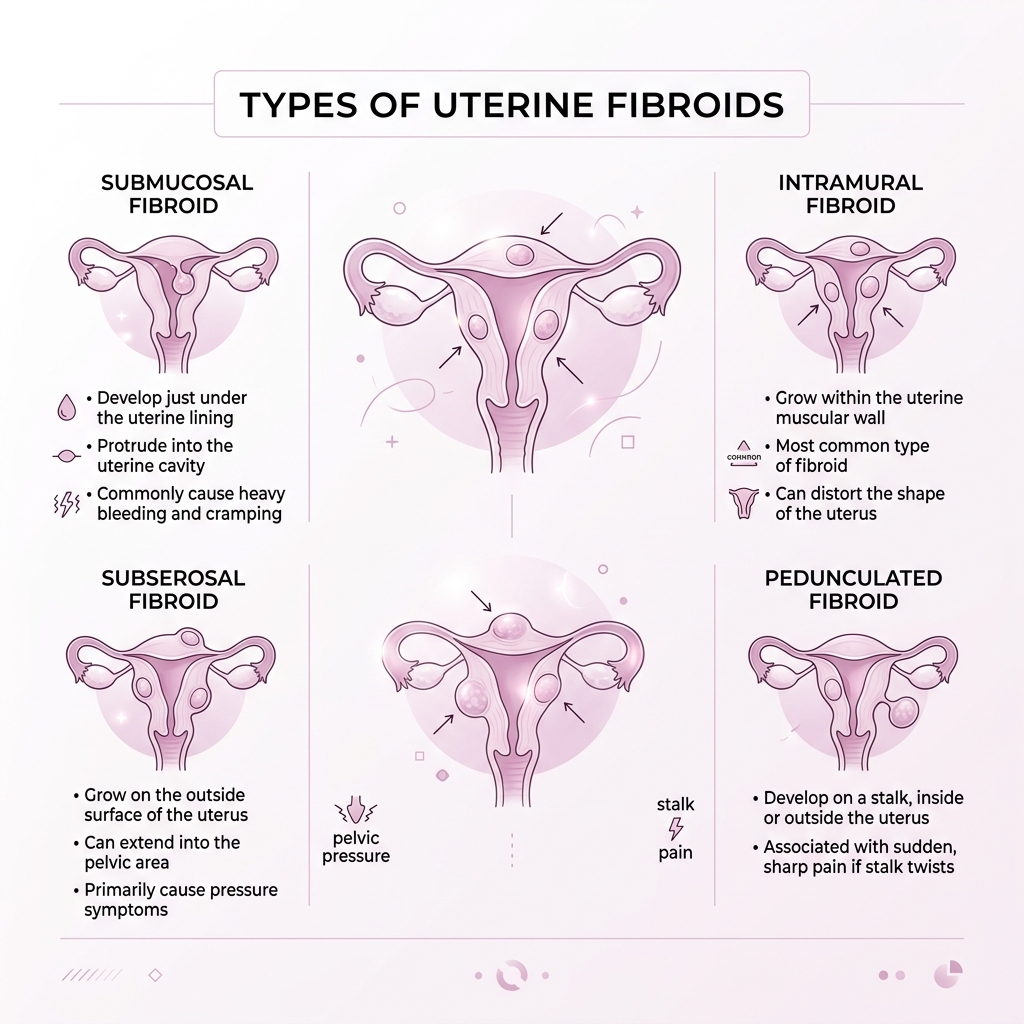
Not every fibroid requires the same tool. To determine if you are a candidate for a minimally invasive myomectomy, we look at the “mapping” of your uterus. We use the FIGO classification system to categorize your fibroids:
- Submucosal (Types 0-2): These bulge into the uterine cavity and are often the culprits behind heavy bleeding and miscarriage. These are prime candidates for hysteroscopic removal.
- Intramural (Types 3-5): These grow within the muscular wall.
- Subserosal (Types 6-7): These grow on the outside of the uterus.
| Fibroid Characteristic | Recommended Approach | Key Consideration |
|---|---|---|
| Single Submucosal (<3cm) | Hysteroscopic | No incisions; 48-hour recovery |
| Multiple Intramural | Robotic-Assisted | Superior suturing for wall integrity |
| Large Subserosal (>10cm) | Laparoscopic or Robotic | May require “in-bag” morcellation |
| Very Numerous (>10-15) | May require Traditional Open | Ability to feel small, deep fibroids |
Factors Influencing the Choice of Minimally Invasive Myomectomy
At Wellness OBGYN, we don’t believe in a one-size-fits-all approach. Your age, overall health, and specific fertility goals play a huge role. We often utilize MRI diagnostics or advanced 3D ultrasound to create a “pelvic map” before surgery. This ensures we don’t miss “occult” or hidden fibroids that might otherwise be left behind because we cannot “feel” them through a camera. The expertise of the surgeon is perhaps the most critical factor—complex cases involving large or awkwardly placed fibroids require a specialist comfortable with advanced suturing techniques.
Choosing Between Laparoscopic, Robotic, and Hysteroscopic Techniques
Choosing a technique is like picking the right tool for a delicate renovation.
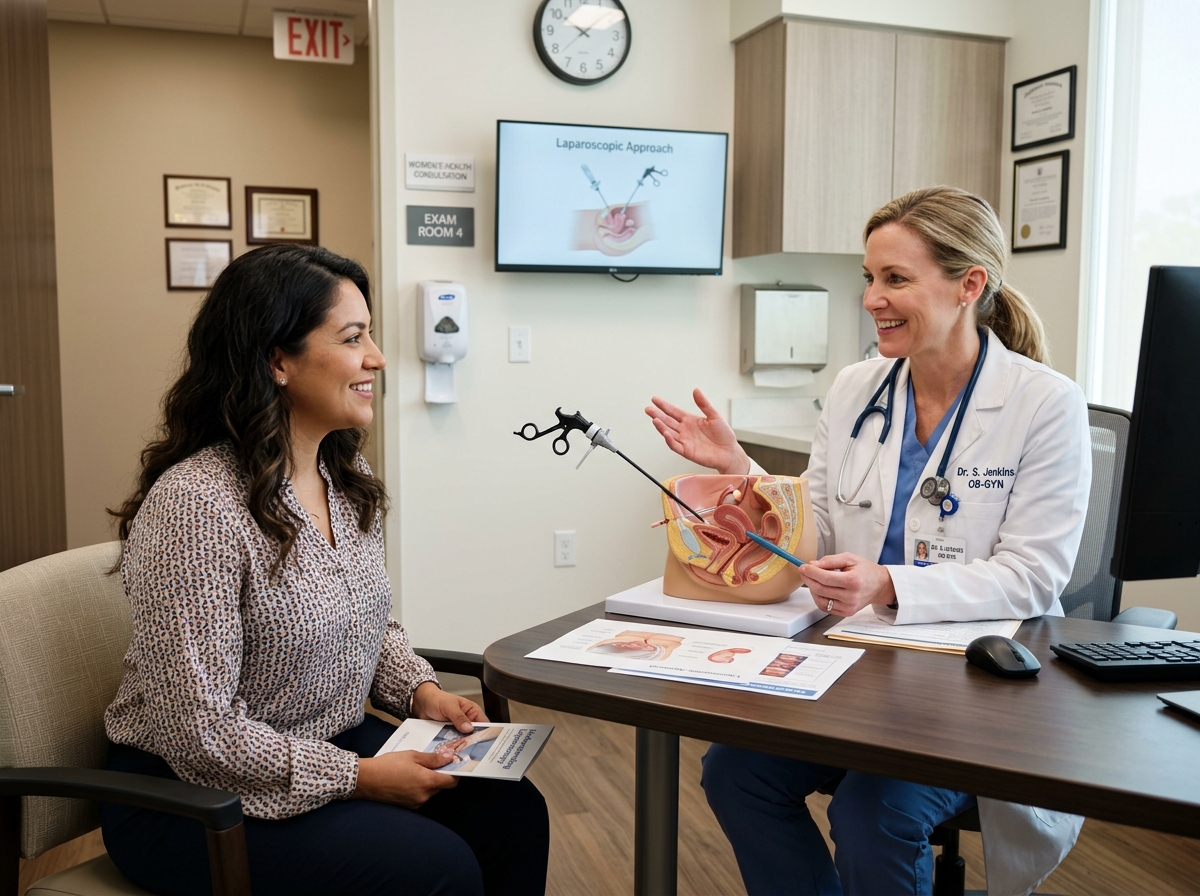
Laparoscopic Myomectomy (LM): This is the traditional “keyhole” surgery. We use a thin tube with a camera (laparoscope) and several small incisions. It is highly effective but can be challenging for surgeons when fibroids are very deep or numerous because the instruments don’t “bend” like a human wrist.
Robot-Assisted Laparoscopic Myomectomy (RALM): Using the da Vinci® system, we sit at a console and control robotic arms. This is often our preferred method for complex minimally invasive myomectomy cases.
Advantages of Robotic-Assisted Minimally Invasive Myomectomy
Robotic surgery has revolutionized how we handle fibroids in Honolulu. It offers:
- Stereoscopic 3D Vision: We see the anatomy in high definition with depth perception that a standard 2D screen can’t match.
- Wristed Instruments: The robotic tools have a greater range of motion than the human hand, allowing us to suture the uterus in multiple, strong layers with extreme precision.
- Fine Dissection: It is much easier to separate the fibroid from the healthy surrounding tissue, which is the cornerstone of preserving fertility.
Hysteroscopic Excision for Submucosal Fibroids
If your fibroids are entirely inside the uterine cavity (submucosal), we can often perform a hysteroscopic myomectomy. This is truly the “no-incision” option. We pass a small camera through the vagina and cervix. Using a specialized wire loop or a morcellator, we “shave” the fibroid away. Most women are back to their normal routine within 48 hours, making this an incredible option for busy women who need to resolve heavy periods quickly.
Navigating Recovery and Planning for Future Pregnancy
Recovery from a minimally invasive myomectomy is generally very manageable. Most patients experience mild-to-moderate pain for the first 48 to 72 hours, which we typically manage with oral medications rather than heavy narcotics.
Typical Recovery Timeline and Pain Management
- First 24-48 Hours: Focus on rest, but we want you walking! Walking is essential for deep vein thrombosis (blood clot) prevention and helps “wake up” the bowels after anesthesia.
- Week 1: You’ll likely feel tired and have some soreness at the incision sites. You should avoid heavy lifting (anything heavier than a gallon of milk).
- Week 2: Most women feel ready to return to desk work or light activities.
- Week 6: Full clearance for exercise and heavy lifting.
Data from the latest research on pregnancy rates post-myomectomy shows that the “quality of life” scores for women improve dramatically within the first few months after surgery as heavy bleeding and pelvic pressure disappear. For more details on the surgical process, you can explore more info about minimally invasive surgery obgyn.
Delivery Options: Vaginal Birth vs. C-Section
This is a conversation we have early and often. The decision usually depends on the “embedding depth” of the fibroid. If the surgeon had to enter the deep muscular layer or the uterine cavity to remove the fibroid, a C-section is usually recommended to avoid the risk of the scar opening during the intense pressure of labor. However, for superficial subserosal fibroids, a vaginal delivery may still be on the table. We work closely with your obstetrician to review the surgical report and make the safest plan for you and your baby.
Exploring Non-Surgical Alternatives and Enhancing Sexual Wellness
While minimally invasive myomectomy is a fantastic tool, we also explore non-surgical paths when appropriate. This might include hormone therapy to shrink fibroids or lifestyle interventions. We also recognize that uterine health is deeply tied to sexual wellness.
Frequently Asked Questions about Minimally Invasive Myomectomy
What should I expect before, during, and after the procedure?
Before surgery, you’ll need to fast (usually from midnight the night before) and may need to build up your iron levels if you’ve been anemic. During the procedure, you’ll be under general anesthesia. We meticulously remove the fibroids and repair the uterus with layered sutures. Afterward, you’ll spend a few hours in recovery. Most of our minimally invasive myomectomy patients go home the same day or after one night of monitoring.
How experienced does the surgeon need to be for robotic myomectomy?
Experience is paramount. Robotic surgery requires specialized fellowship training and simulation testing. Surgeons in high-volume centers, like ours in Honolulu, develop a mastery of the intuitive movements and stereoscopic vision required to handle complex cases safely. Don’t be afraid to ask your surgeon how many robotic myomectomies they perform annually!
Can fibroids regrow after a minimally invasive myomectomy?
While we remove the existing fibroids, your body can still develop new ones. This is known as the recurrence risk. This is more common in younger patients or those who had many fibroids to begin with. However, the goal is to provide significant symptom relief and a “window of opportunity” for pregnancy or to reach menopause (when fibroids naturally shrink).
Conclusion
At Wellness OBGYN, we believe that every woman in Honolulu deserves a personalized treatment plan that respects her body and her future goals. A diagnosis of fibroids does not have to be the end of your fertility journey or a mandate for major surgery. Through minimally invasive myomectomy, we offer expert surgical care with a compassionate, patient-centered touch.
If you’re ready to find relief from fibroid symptoms and want to explore the latest in uterine-sparing technology, we are here to help. Schedule a consultation for advanced fibroid care today and let’s discuss a path forward that is tailored specifically to you.