
Understanding Female Reproductive Health Across the Lifespan
Female reproductive health issues are common concerns that affect millions of women worldwide. These conditions can impact quality of life, fertility, and overall wellbeing throughout different life stages.
Common Female Reproductive Health Issues:
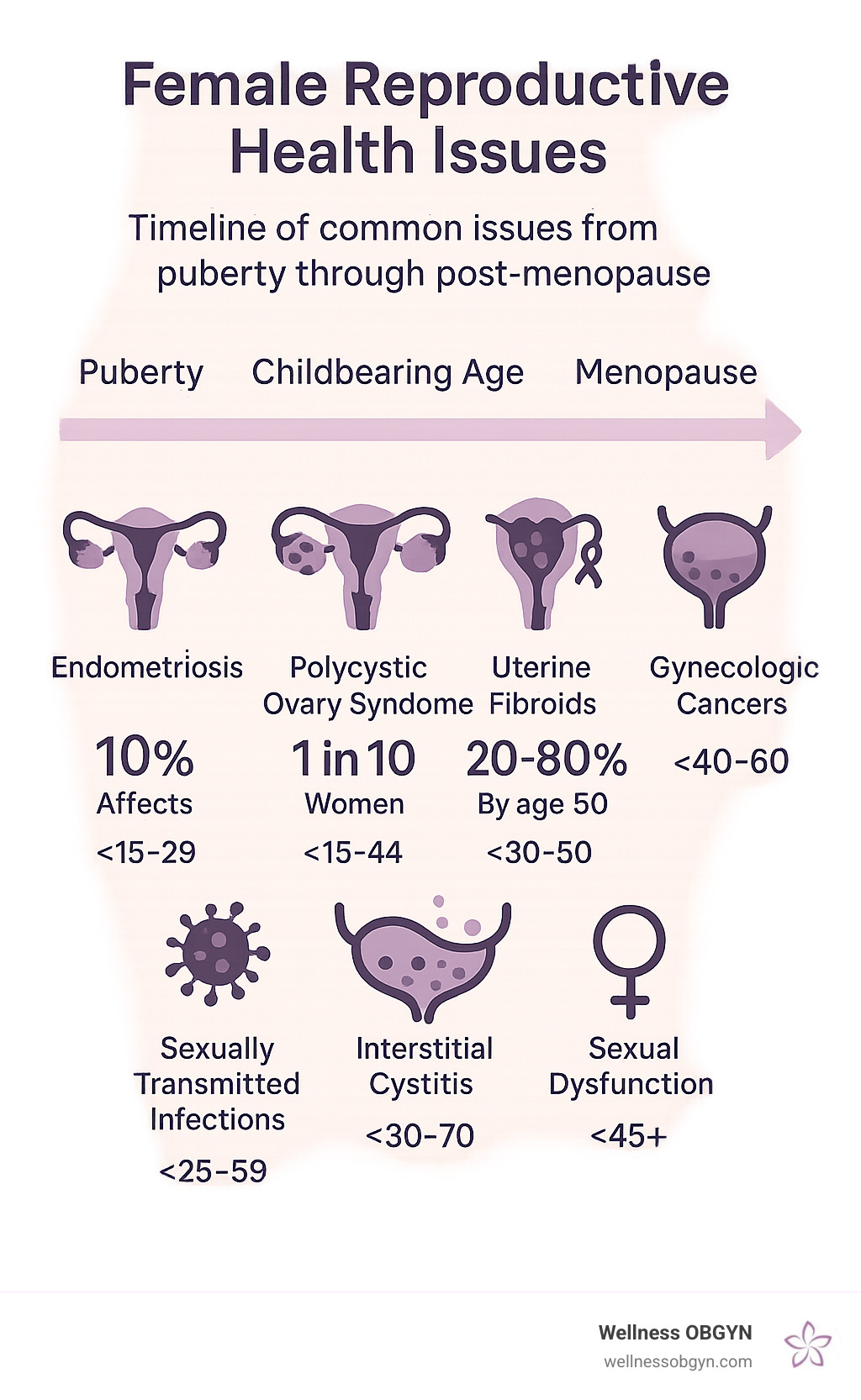
1. Endometriosis – Affects approximately 10% of reproductive-aged women
2. Polycystic Ovary Syndrome (PCOS) – Impacts 1 in 10 women of childbearing age
3. Uterine Fibroids – Develop in 20-80% of women by age 50
4. Gynecologic Cancers – Including cervical, ovarian, uterine, vaginal, and vulvar
5. Sexually Transmitted Infections – Can cause more severe health problems for women
6. Interstitial Cystitis – More common in women, affecting urinary function
7. Sexual Dysfunction – Can affect fertility and quality of life
Despite their prevalence, many reproductive health conditions face significant delays in diagnosis. For example, endometriosis typically takes 7-10 years to diagnose, leaving many women struggling with unexplained symptoms for far too long.
Research funding for reproductive health lags behind other medical fields, with studies showing that non-reproductive organs receive about 4.5 times more research attention than reproductive organs. This gap contributes to slower progress in treatment development and understanding of these conditions.
The good news is that awareness is growing, and with proper education and care, most reproductive health issues can be effectively managed or treated.
I’m Dr. Cheryl Twu, a board-certified OB-GYN with over a decade of experience diagnosing and treating female reproductive health issues using both advanced surgical techniques and holistic approaches at Wellness OBGYN in Honolulu.
Explore more about Female reproductive health issues:
– Female pelvic floor therapy
– Female sexual health clinic
Female Reproductive Health Issues: Why They Matter
Let’s talk about something that affects so many of us, yet we don’t discuss nearly enough. Female reproductive health issues touch the lives of approximately 1 in 3 women during their lifetime. Despite this staggering prevalence, these conditions remain in the shadows – underdiagnosed, undertreated, and underfunded.
The numbers tell a troubling story. Endometriosis affects 10% of women worldwide – that’s about 190 million women silently suffering. Yet from the first twinge of pain to an actual diagnosis, women wait an average of 7-10 years. During this time, the condition often progresses, pain intensifies, and fertility may be compromised.
The impact on daily life can be devastating. Chronic pelvic pain, heavy bleeding that keeps you tethered to the bathroom, and bone-deep fatigue don’t just cause physical discomfort – they reshape lives. Research published in the Journal of Women’s Health found that women with endometriosis lose approximately 10 hours of productivity each week. Think about what that means: missed workdays, canceled social plans, and relationships strained by an invisible illness.
| Condition | Prevalence | Average Years to Diagnosis |
|---|---|---|
| Endometriosis | 10% of reproductive-age women | 7-10 years |
| PCOS | 1 in 10 women | 2-3 years |
| Uterine Fibroids | 20-80% of women by age 50 | 3-5 years |
| Interstitial Cystitis | 3-6% of women | 4-7 years |
Why do these delays happen? The answer involves a complex mix of stigma, normalization of pain, and gaps in medical education. Many of us grew up hearing that period pain is just part of being a woman – something to endure silently. This cultural messaging makes it harder to recognize when pain crosses from normal to problematic. As reproductive endocrinologist Dr. Linda Giudice wisely noted, “Pain with periods is common, but it’s not normal.”
At Wellness OBGYN, we believe that addressing these issues promptly and compassionately isn’t just good medicine – it’s essential for women’s overall wellbeing and quality of life.
Understanding Female Reproductive Health Issues
Female reproductive health issues manifest through three primary mechanisms, creating a constellation of symptoms that can be confusing and overwhelming.
Pain is often the most immediate and distressing symptom. It might feel like intense cramping, a persistent ache, or sharp, knife-like sensations. This pain can arrive with your period, during sex, when you’re ovulating, or it might become an unwelcome daily companion. For many women, this pain isn’t just uncomfortable – it’s debilitating.
Heavy bleeding transforms menstruation from a manageable monthly event into a life-altering challenge. When you’re changing sanitary products hourly, experiencing “flooding” that leaves you afraid to leave home, or watching your period drag on for days longer than it should, your body is sending signals that something isn’t right. This excessive bleeding often leads to anemia, leaving you exhausted and depleted.
Hormonal imbalance affects virtually every system in your body. Your menstrual cycle might become unpredictable, your emotions may feel like they’re on a roller coaster, and physical changes like unexpected weight gain, acne, or hair growth can affect your self-image and confidence. These hormonal disruptions can also silently impact fertility, sometimes becoming apparent only when pregnancy doesn’t happen as expected.
As one of our patients at Wellness OBGYN shared, “I thought severe pain during my period was just my normal. It wasn’t until I couldn’t get pregnant that I learned I had endometriosis. I wish I’d known sooner that what I was experiencing wasn’t just ‘being a woman’—it was a treatable condition.”
Her story echoes the experience of so many women who normalize their symptoms until they become unbearable or affect other aspects of health.
Key Signs of Female Reproductive Health Issues
Learning to recognize the warning signs of reproductive health problems empowers you to seek help sooner rather than later. Here are the key indicators that should prompt a conversation with your healthcare provider:
When it comes to cycle changes, pay attention if your periods become irregular (varying by more than 7 days), disappear entirely (amenorrhea), or shift to a notably shorter cycle (less than 21 days) or longer cycle (more than 35 days). These variations often reflect underlying hormonal imbalances that deserve attention.
Pelvic pain that interferes with your daily activities isn’t something to push through. This includes menstrual cramps severe enough to keep you home from work or school, pain during intercourse that makes intimacy something to dread rather than enjoy, chronic pelvic discomfort unrelated to your period, or sharp pain during ovulation.
Abnormal bleeding sends particularly important signals. If you’re changing pads or tampons hourly, spotting between periods, experiencing bleeding after menopause, or enduring periods that drag on for more than a week, your body is telling you something important.
Other significant signs include unexplained fertility challenges, painful urination, recurrent urinary tract infections, and unusual vaginal discharge. Each of these symptoms may point to specific conditions that respond best to early intervention.
At Wellness OBGYN in Honolulu, we encourage our patients to track their symptoms using period-tracking apps or simple journal notes. These patterns provide valuable diagnostic information that can help pinpoint specific conditions. Remember this truth: pain and excessive bleeding are not normal aspects of womanhood—they’re signs that something may be wrong, and you deserve relief.
Endometriosis: The Silent Inflammation
Imagine tissue similar to your uterine lining deciding to grow where it doesn’t belong – on your ovaries, fallopian tubes, and throughout your pelvic tissues. That’s endometriosis in a nutshell. This misplaced tissue still follows your monthly hormonal cues, breaking down and bleeding with each period. The problem? Unlike your uterine lining, this tissue has nowhere to go, leading to inflammation, scarring, and often intense pain.
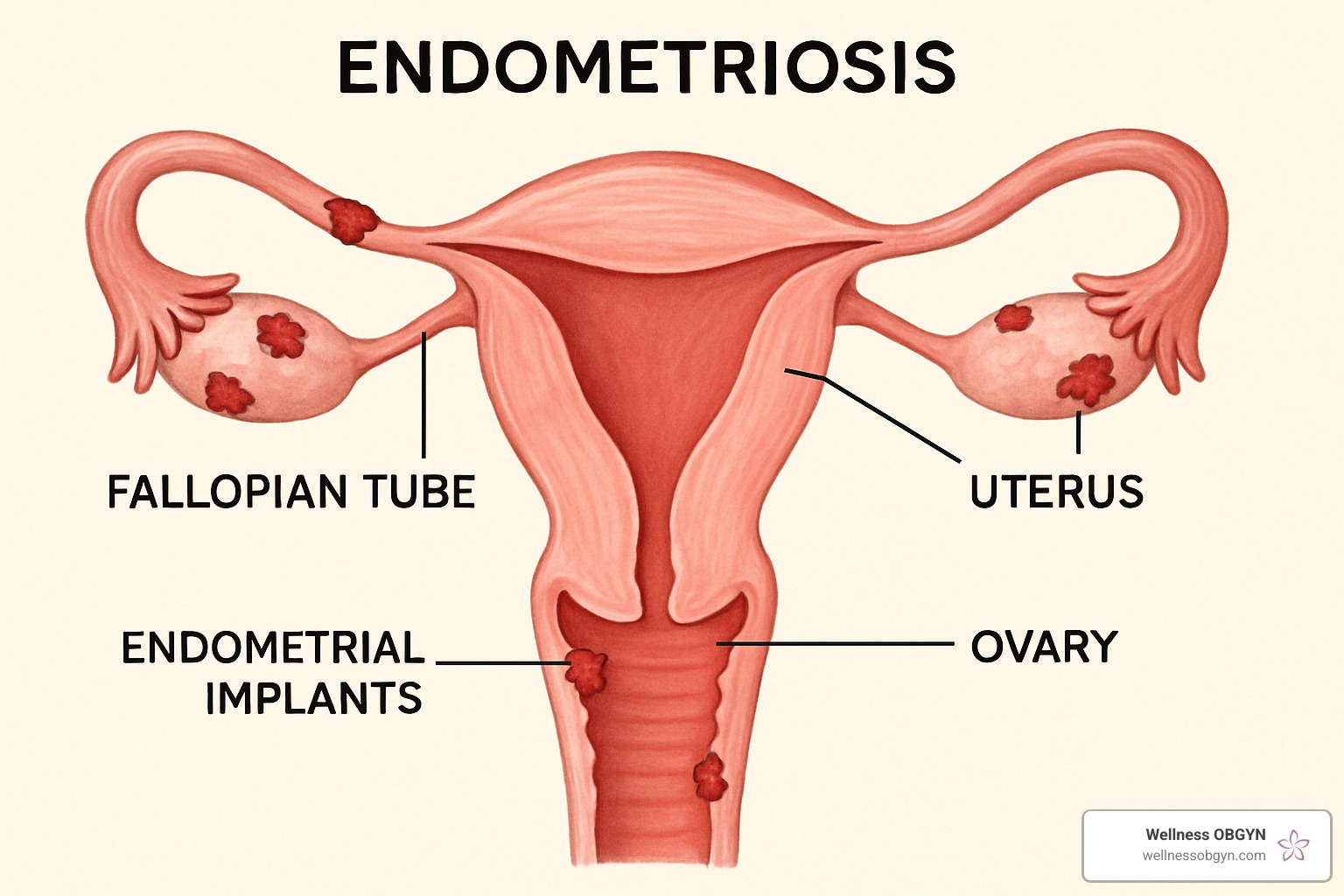
This silent inflammation affects roughly 10% of women during their reproductive years—that’s approximately 190 million women worldwide. Yet despite its prevalence, endometriosis remains severely underdiagnosed. Most women wait 7-10 agonizing years between their first symptoms and an official diagnosis. During this time, the condition often progresses, sometimes causing permanent damage.
“It felt like someone was taking a hot knife and twisting it in my abdomen,” shared one of our patients. “I missed work, canceled plans, and spent days in bed. When my doctor finally diagnosed endometriosis after laparoscopic surgery, I cried from relief that there was actually something wrong—I wasn’t imagining it.”
The hallmark symptoms of endometriosis include severe menstrual cramps that go far beyond normal discomfort, chronic pelvic pain that can persist throughout the month, and pain during intercourse that might linger for hours or days afterward. Many women also experience pain with bowel movements or urination (especially during periods), excessive bleeding, fatigue, and digestive issues like bloating, diarrhea, or constipation when menstruating.
Perhaps most heartbreaking is the impact on fertility—30-50% of women with endometriosis struggle to conceive. The inflammation can damage egg quality, block fallopian tubes, and create an inhospitable environment for implantation.
Diagnosing endometriosis typically requires laparoscopic surgery—a minimally invasive procedure where we insert a thin viewing instrument to examine the pelvic organs. At Wellness OBGYN, we specialize in minimally invasive surgery techniques that can both diagnose and treat endometriosis in the same procedure whenever possible.
Treatment options are varied and personalized. Hormonal therapies like birth control pills or GnRH agonists can help suppress menstruation and slow disease progression. Pain medications provide relief during flare-ups. Laparoscopic surgery can remove endometrial implants and scar tissue, often providing significant symptom improvement. In severe cases that haven’t responded to other treatments, a hysterectomy might be considered, though we view this as a last resort.
Increasingly, research supports the role of an anti-inflammatory diet in managing symptoms. According to studies published in the Journal of Endometriosis and Pelvic Pain Disorders, increasing omega-3 fatty acids, reducing red meat consumption, and emphasizing fruits, vegetables, and whole grains may help reduce inflammation and pain.
Female Reproductive Health Issues and Endometriosis
Among female reproductive health issues, endometriosis stands out for its systemic impact. Recent research has uncovered connections between endometriosis and other conditions, including certain autoimmune diseases, migraines, and even cardiovascular risks.
While blood tests measuring CA-125 levels may be liftd in some women with endometriosis, these aren’t specific enough for a definitive diagnosis. At Wellness OBGYN, we take a comprehensive approach—evaluating your symptoms, conducting a thorough physical examination, ordering appropriate imaging studies, and sometimes performing diagnostic surgery to get the full picture.
The emotional toll of endometriosis is profound and often overlooked. Living with chronic pain, navigating fertility concerns, and enduring years of having symptoms dismissed takes a serious mental health toll. Studies confirm higher rates of depression and anxiety among women with endometriosis. We believe treating the whole person means addressing both physical symptoms and emotional wellbeing.
Regular exercise, though sometimes challenging during pain flares, has shown promise in managing endometriosis symptoms. Low-impact activities like swimming, walking, and yoga can help reduce inflammation without exacerbating pain. Many of our patients find that gentle movement, when possible, helps improve their overall quality of life.
At Wellness OBGYN in Honolulu, we understand that living with endometriosis can feel isolating and overwhelming. Our approach combines medical expertise with genuine compassion, helping you steer this complex condition and reclaim your life from pain.
Polycystic Ovary Syndrome (PCOS): Hormones Out of Sync
Polycystic Ovary Syndrome affects approximately 1 in 10 women of childbearing age, making it one of the most common female reproductive health issues. Yet despite how frequently it occurs, many women spend years without a diagnosis. Studies suggest that up to 70% of women with PCOS don’t even know they have the condition.

At its core, PCOS is a hormonal symphony that’s fallen out of tune. The condition creates a cascade of effects throughout a woman’s body, including:
Irregular or missing periods due to anovulation (when eggs aren’t released during the menstrual cycle), which can make tracking fertility challenging or impossible. Some women might have only four periods a year—or none at all.
Ovarian cysts that appear as a string of pearl-like formations on ultrasound (though interestingly, not all women with PCOS have visible cysts, despite the name).
Excess androgens (male hormones) that can lead to frustrating symptoms like stubborn acne and unwanted hair growth on the face, chest, or back.
Insulin resistance that affects how your body processes sugar, often leading to weight gain around the middle that seems impossible to shed despite diet and exercise efforts.
Fertility challenges that can be heartbreaking for women hoping to conceive, as irregular ovulation makes timing conception difficult.
A patient at Wellness OBGYN shared her story: “I went from having regular periods to maybe having four a year. I gained weight despite no changes in diet or exercise, grew facial hair, and developed acne at age 30. It wasn’t until I tried to get pregnant and couldn’t that I was diagnosed with PCOS.”
Diagnosing PCOS typically involves several steps: reviewing your medical history and symptoms, a physical examination, blood tests to check hormone levels, and often a pelvic ultrasound to look for those characteristic ovarian cysts.
What many women don’t realize is that PCOS is more than just a reproductive disorder—it’s a whole-body metabolic condition with potential long-term health implications. Women with PCOS face higher risks of developing:
Type 2 diabetes (more than half will develop prediabetes or diabetes before age 40)
Heart disease and high blood pressure
Endometrial cancer (due to irregular periods and buildup of uterine lining)
Sleep apnea
Depression and anxiety
Fascinating new research suggests environmental factors may play a role in PCOS development. Endocrine disruptors—chemicals that interfere with normal hormone function—may contribute to the condition. These include everyday exposures to substances like bisphenol A (BPA) in plastics, phthalates in personal care products, and certain pesticides.
When it comes to treating PCOS, we take a multi-faceted approach:
Lifestyle modifications form the foundation of treatment, with diet, exercise, and stress management playing crucial roles. Even modest improvements can make a dramatic difference in symptoms.
Medication options include metformin to improve insulin sensitivity, birth control pills to regulate periods and reduce androgen levels, and anti-androgen medications for managing hirsutism and acne.
Fertility treatments when pregnancy is desired, which might include ovulation-inducing medications like Clomid.
Regular screenings for associated health conditions to catch and address any complications early.
For our younger patients, early diagnosis and treatment are especially important. Our adolescent gynecology services specifically address conditions like PCOS that can begin during the teenage years, when proper management can prevent years of unnecessary suffering and potentially reduce long-term health risks.
Managing Female Reproductive Health Issues like PCOS
Among female reproductive health issues, PCOS stands out as particularly responsive to lifestyle changes. The research is clear: even a modest weight loss of 5-10% can work wonders, often restoring ovulation, regulating periods, and reducing insulin resistance.
The food on your plate matters tremendously. A Mediterranean-style diet rich in colorful vegetables, fruits, whole grains, lean proteins, and healthy fats like olive oil and avocados has shown remarkable benefits for women with PCOS. Equally important is limiting processed foods and added sugars, which can worsen insulin resistance.
Movement is medicine for PCOS. Women who combine cardio with strength training see the best results—one study found significant improvements in insulin sensitivity and menstrual regularity in PCOS patients who exercised regularly compared to those who didn’t. Even walking for 30 minutes daily can make a meaningful difference.
The mind-body connection can’t be overlooked. Women with PCOS experience higher rates of depression and anxiety, creating a challenging cycle where hormonal imbalances affect mood, and stress worsens hormonal symptoms. At Wellness OBGYN, we recognize this important connection and offer resources for psychological support alongside medical treatment.
For some women, targeted supplements provide additional benefits. Inositol (a vitamin-like compound), N-acetylcysteine, omega-3 fatty acids, and vitamin D have shown promise in research studies. However, we always recommend discussing supplements with your healthcare provider before starting them, as quality varies widely and interactions with medications are possible.
The journey with PCOS may be lifelong, but with the right support and strategies, most women can manage their symptoms effectively and reduce their risk of complications. At Wellness OBGYN, we partner with you to develop a personalized approach that fits your unique needs and lifestyle, helping you not just cope with PCOS, but thrive despite it.
To learn more about PCOS and other hormonal conditions, visit the Scientific research on PCOS page from MedlinePlus.
Uterine Fibroids: Benign but Burdensome
Uterine fibroids (also known as leiomyomas) might be non-cancerous, but don’t let that fool you – these common growths can turn everyday life upside down for many women. Affecting anywhere from 20-80% of women by age 50, with a notably higher prevalence among women of African descent, fibroids are one of the most widespread female reproductive health issues we see at Wellness OBGYN.
“My periods became so heavy I couldn’t leave the house on the first two days,” shared one of our patients. “I was changing super-plus tampons every hour and still leaking. I became severely anemic and was constantly exhausted. After my fibroid treatment, it was like getting my life back.”
This experience isn’t unusual. Depending on their size, number, and location, fibroids can cause a variety of troublesome symptoms. Heavy, prolonged menstrual bleeding often leads to anemia, while pelvic pressure or pain can become constant companions. Some women experience frequent urination when fibroids press on the bladder, or constipation when they affect the rectum. Back or leg pain can occur if fibroids press on nerves, and pain during intercourse is another common complaint. Perhaps most distressing for many women are the reproductive problems including infertility and miscarriage that can sometimes result from these growths.
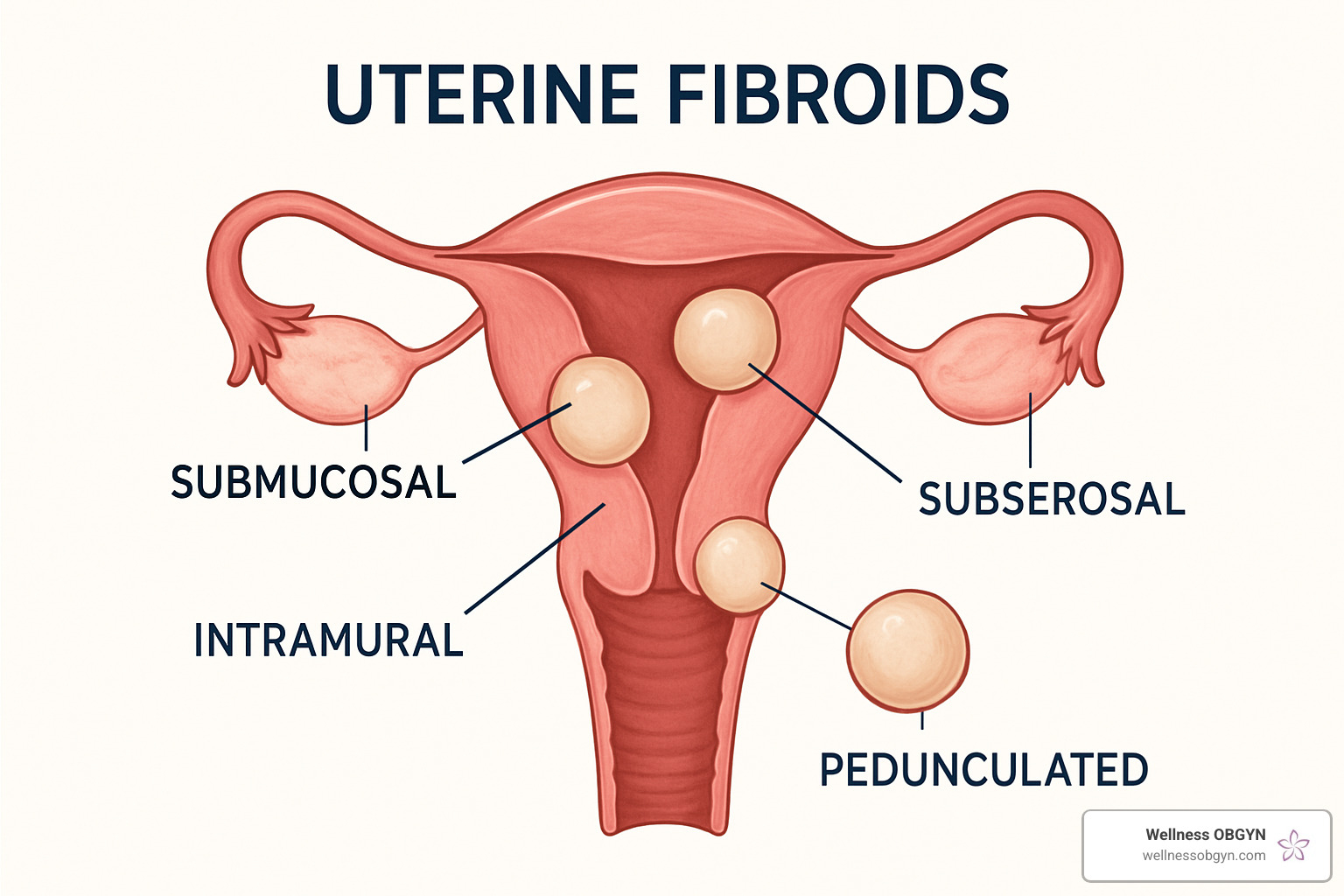
Not all fibroids are created equal. Their classification depends on where they’ve made themselves at home:
Submucosal fibroids nestle within the uterine cavity and often cause the heaviest bleeding. Intramural fibroids grow within the uterine wall and can cause the uterus to feel enlarged. Subserosal fibroids develop on the outside of the uterus and may cause less bleeding but more pressure symptoms. Pedunculated fibroids hang from the uterus by a stalk, sometimes causing sharp pain if they twist.
Several risk factors increase your chances of developing these troublesome growths. Age plays a role, with fibroids most common during reproductive years. Family history and African ancestry significantly increase risk, as do obesity and high blood pressure. Interestingly, vitamin D deficiency has been linked to fibroid development, as has a diet high in red meat and low in green vegetables.
Diagnosing fibroids typically involves a combination of approaches. A thorough pelvic examination can detect larger fibroids, while ultrasound provides a clearer picture of their size and location. For more detailed mapping before certain procedures, we might recommend an MRI. For submucosal fibroids specifically, hysteroscopy or sonohysterography offers the best visualization.
The good news? You have options – lots of them. Treatment approaches range from watchful waiting to various interventions:
Medications can help control symptoms, including NSAIDs for pain, tranexamic acid for heavy bleeding, and hormonal treatments to regulate periods. For women who want to preserve their uterus, myomectomy surgically removes fibroids while keeping the uterus intact. Hysterectomy (removal of the uterus) provides a definitive solution but is usually reserved for severe cases when childbearing is complete.
Less invasive options include uterine artery embolization, which blocks blood supply to fibroids, causing them to shrink. MRI-guided focused ultrasound offers a non-invasive treatment using sound waves to target fibroids. For submucosal fibroids causing heavy bleeding, endometrial ablation can provide relief.
Exciting research is emerging too – studies suggest that green tea extract may help reduce fibroid size and symptoms. A small pilot randomized controlled trial showed promising results, though we’re waiting for larger studies to confirm these findings.
At Wellness OBGYN, we don’t believe in one-size-fits-all approaches to female reproductive health issues like fibroids. Our holistic approach considers your unique symptoms, fertility desires, and overall health to create a personalized treatment plan. We understand that while fibroids may be benign in a medical sense, their impact on your quality of life can be anything but small – and we’re here to help you find relief.
For scientifically-backed information about fibroids, the Mayo Clinic’s research on uterine fibroids provides excellent additional reading.
Gynecologic Cancers: Early Detection Saves Lives
When we talk about female reproductive health issues, gynecologic cancers deserve special attention. These cancers—developing in the cervix, ovaries, uterus, vagina, and vulva—may be less common than other conditions we’ve discussed, but their impact can be profound. The silver lining? When caught early, many gynecologic cancers have excellent survival rates.
Cervical cancer primarily stems from persistent HPV (human papillomavirus) infections. With nearly 14,000 new cases diagnosed annually in the U.S., it’s concerning—yet also highly preventable. Through regular screening and HPV vaccination, we’ve seen tremendous progress in reducing its incidence. Early warning signs often include abnormal vaginal bleeding, pain during intercourse, and unusual discharge.
“Many of my patients don’t realize that cervical cancer is one of the most preventable cancers,” says Dr. Twu. “The HPV vaccine is truly a game-changer in cancer prevention.”
Ovarian cancer has earned its unfortunate nickname as the “silent killer” because its symptoms—bloating, pelvic pain, feeling full quickly, and frequent urination—can easily be attributed to other conditions. Women with BRCA gene mutations or strong family histories face higher risks. Unfortunately, we still lack effective screening tests for the general population, making awareness of subtle body changes critically important.
Uterine (endometrial) cancer is actually the most common gynecologic cancer in the United States. The good news? Abnormal vaginal bleeding, especially after menopause, serves as a clear warning sign that prompts many women to seek care early. Risk factors include obesity, diabetes, late menopause, and having never given birth.
Vaginal and vulvar cancers, while less common, shouldn’t be overlooked. Persistent itching, pain, bleeding, or skin color changes warrant prompt medical attention. Like cervical cancer, HPV infection increases risk for both.
The power of early detection cannot be overstated. Here’s when to get screened:
- Cervical cancer: Pap test every 3 years for women 21-29; Pap test plus HPV test every 5 years for women 30-65
- Endometrial cancer: No routine screening, but report any postmenopausal bleeding immediately
- Ovarian cancer: No routine screening for average-risk women; genetic testing recommended for high-risk individuals
- Vaginal/vulvar cancer: Regular gynecologic exams and self-awareness
HPV vaccination represents one of our most powerful tools against certain gynecologic cancers. The CDC recommends vaccination for all preteens aged 11-12, though it can be given as early as age 9 and up to age 26. This simple series of shots significantly reduces the risk of cervical, vaginal, and vulvar cancers.
For younger women diagnosed with gynecologic cancer who wish to preserve their fertility, we now have several options. Fertility-sparing surgery, egg or embryo freezing before treatment, ovarian tissue preservation, and gestational surrogacy can all help maintain the possibility of future pregnancy.
“One of the most rewarding aspects of my practice is helping women steer the challenging terrain of cancer diagnosis while preserving their reproductive options,” notes Dr. Twu. “Modern medicine has given us remarkable tools to fight cancer while protecting future fertility.”
Survivorship care is another crucial aspect of cancer treatment that addresses the physical, emotional, and practical needs after diagnosis. At Wellness OBGYN, we partner with oncology specialists to provide comprehensive women’s health care throughout and after cancer treatment.
Remember—your best defense is knowing your body and speaking up when something doesn’t feel right. Regular check-ups, prompt attention to unusual symptoms, and age-appropriate screening create your strongest protection against gynecologic cancers.
STIs & Pelvic Inflammatory Disease: Invisible Threats
When it comes to female reproductive health issues, sexually transmitted infections (STIs) often work like silent saboteurs – causing damage long before they’re detected. Women face unique challenges with these infections, as they can quietly ascend into the upper reproductive tract, causing pelvic inflammatory disease (PID) and potentially life-altering consequences.

“I had no symptoms at all,” shares Maria, a patient at Wellness OBGYN. “My annual exam revealed chlamydia that could have gone undetected for years. I’m so grateful we caught it before it caused serious damage.”
Chlamydia lurks silently in 70-80% of infected women, making it particularly dangerous. This most commonly reported bacterial STI in America often causes no symptoms until it’s advanced enough to trigger abnormal discharge, painful urination, or lower abdominal pain. Left untreated, it’s a direct pathway to PID and potential infertility.
Gonorrhea rates have surged by 63% since 2014, creating growing concern about antibiotic resistance. Like its bacterial cousin chlamydia, gonorrhea may cause no symptoms or might announce itself through increased vaginal discharge, painful urination, or unexpected bleeding between periods.
Human Papillomavirus (HPV) holds the unfortunate title of most common STI in America. While most infections resolve on their own, persistent HPV can lead to cervical cancer – a serious outcome that’s largely preventable through vaccination against the most dangerous strains.
For women, HIV represents a significant though less common concern, accounting for about 19% of new diagnoses in the U.S. Early symptoms may mimic a flu-like illness before entering a lengthy asymptomatic period. The good news? Modern treatments allow people with HIV to lead long, healthy lives when diagnosed early.
Pelvic Inflammatory Disease develops when bacteria – typically from untreated STIs – migrate upward from the vagina to the uterus, fallopian tubes, or ovaries. This serious condition affects approximately 2.5 million American women, potentially causing permanent reproductive damage, chronic pelvic pain, increased ectopic pregnancy risk, and preventable infertility.
One patient courageously shared her experience: “I had no idea I had chlamydia until I developed severe pain and fever. By then, I had PID and needed hospitalization. The scarring in my fallopian tubes has made it difficult for me to conceive naturally.”
Protecting Your Reproductive Future
Prevention and early detection remain your strongest allies against these invisible threats:
Practice safer sex by using condoms consistently and correctly. While not 100% effective, condoms significantly reduce transmission risk for most STIs when used properly.
Regular testing is essential if you’re sexually active with new or multiple partners. Many infections can be detected through simple urine tests or vaginal swabs – quick, minimally invasive procedures that can save your reproductive health.
Consider PrEP (pre-exposure prophylaxis) if you’re at high risk for HIV. This daily medication dramatically reduces infection risk when taken as prescribed.
Partner treatment is crucial if you’re diagnosed with an STI. Ensuring all partners are tested and treated prevents reinfection and protects community health.
Complete all medication as prescribed. Even if symptoms disappear, stopping antibiotics early can allow infections to persist and develop resistance.
The Health Resources and Services Administration (HRSA) supports clinics nationwide offering confidential, affordable STI testing and treatment, often regardless of insurance status. According to the Women’s Health government portal, these services represent a critical safety net for reproductive health.
At Wellness OBGYN, we provide comprehensive STI testing and treatment in a judgment-free environment. We understand these conversations can feel uncomfortable, but our compassionate team prioritizes your health and confidentiality above all else. Our family planning services include education about STI prevention as part of overall reproductive wellness.
Knowledge and prevention are powerful medicine when it comes to protecting your reproductive health from these invisible threats.
Interstitial Cystitis & Sexual Dysfunction: Quality-of-Life Disruptors
Interstitial cystitis (IC) and sexual dysfunction represent female reproductive health issues that significantly impact quality of life yet remain under-discussed and often misdiagnosed.

Interstitial Cystitis (IC)
Also known as painful bladder syndrome, IC is a chronic condition causing bladder pressure, bladder pain, and sometimes pelvic pain. It affects between 3-6% of women and is characterized by:
- Urgent and frequent urination (some patients urinate up to 60 times in 24 hours)
- Pain that worsens as the bladder fills and improves temporarily after emptying
- Pain during intercourse
- Chronic pelvic pain
- Flare-ups triggered by certain foods, stress, or menstrual cycles
One patient described her experience: “Before diagnosis, I was planning my entire life around bathroom access. I couldn’t sit through a movie, enjoy dinner out, or sleep through the night. The constant pain and urgency were debilitating.”
Diagnosis typically involves ruling out other conditions like UTIs, bladder cancer, or kidney stones. Treatment approaches include:
- Dietary modifications (avoiding trigger foods like caffeine, alcohol, spicy foods)
- Physical therapy focusing on pelvic floor muscles
- Oral medications like pentosan polysulfate sodium (Elmiron)
- Bladder instillations
- Neuromodulation techniques
- Stress management and pain coping strategies
Female Sexual Dysfunction
Sexual health is an integral part of overall wellbeing, yet dysfunction affects approximately 40% of women at some point in their lives. Types include:
- Low desire or interest
- Difficulty becoming aroused
- Inability to reach orgasm
- Pain during intercourse (dyspareunia)
Sexual dysfunction can result from physical conditions (hormonal changes, pelvic floor disorders, medication side effects), psychological factors (stress, anxiety, depression), or relationship issues. Many women suffer silently due to embarrassment or cultural taboos.
Frequently Asked Questions about Female Reproductive Health Issues
What lifestyle changes can improve female reproductive health issues?
When it comes to managing female reproductive health issues, small lifestyle changes can make a big difference in how you feel day to day. I’ve seen these changes transform patients’ lives at Wellness OBGYN.
Your diet plays a crucial role in managing reproductive health. Foods with anti-inflammatory properties—think colorful fruits and vegetables, fatty fish like salmon, olive oil, and nuts—can help reduce the inflammation associated with endometriosis and PCOS. Many of my patients notice significant improvement when they reduce processed foods and added sugars while staying well-hydrated throughout the day.
For women with PCOS specifically, focusing on low-glycemic foods helps manage insulin resistance, which is often at the root of many symptoms. As one patient shared with me, “Making dietary changes was challenging at first, but after three months of following an anti-inflammatory diet, my endometriosis pain decreased significantly. Combined with regular yoga, I’ve reduced my pain medication by half.”
Moving your body regularly makes a tremendous difference too. Aim for about 30 minutes of moderate exercise five times weekly to support hormonal balance. Yoga and gentle stretching can be particularly helpful for reducing pelvic pain, while strength training helps maintain bone density. Just be mindful that excessive high-intensity exercise might actually worsen conditions like hypothalamic amenorrhea.
Don’t underestimate the impact of stress on your reproductive health. Chronic stress affects both hormone production and immune function, potentially worsening symptoms. Finding what works for you—whether it’s meditation, deep breathing exercises, or mindfulness practices—can make a real difference in pain management. And never forget the healing power of adequate sleep (7-9 hours nightly) for supporting your hormonal balance.
Finally, consider your environment. Reducing exposure to endocrine-disrupting chemicals found in plastics, personal care products, and household cleaners may help. When possible, choose organic foods to limit pesticide exposure, avoid tobacco, and moderate alcohol consumption.
When should I seek fertility evaluation?
If you’re concerned about how female reproductive health issues might be affecting your ability to conceive, knowing when to seek help can save you precious time and unnecessary worry.
For women under 35, the general guideline is to seek evaluation after trying to conceive for 12 months through regular, unprotected intercourse. However, if you’re between 35 and 40, that timeline shortens to 6 months. And if you’re over 40, consider getting evaluated after just 3 months of trying—or even before you start actively trying to conceive.
Your personal health history matters too. Consider seeking fertility evaluation earlier if you have:
- Irregular or absent periods, which might indicate ovulation problems
- Known conditions like endometriosis or PCOS
- History of pelvic inflammatory disease or STIs
- Previous pelvic or abdominal surgery
- Recurrent miscarriages (two or more)
- A male partner with known fertility issues
A thorough fertility evaluation typically includes a detailed medical history, hormonal testing to assess ovulation, tests to evaluate your ovarian reserve, checks for fallopian tube patency, assessment of your uterine cavity, and a semen analysis for your partner.
You’re not alone in this journey. Infertility affects about 15% of couples, and approximately 85% of these cases can be addressed with conventional treatments like medication, surgery, or assisted reproductive technologies. At Wellness OBGYN, we provide comprehensive fertility evaluations and work closely with reproductive endocrinologists when more specialized care is needed.
How often should I get screened for gynecologic cancers and STIs?
Regular screening is your best defense against female reproductive health issues like gynecologic cancers and STIs, as early detection often leads to better outcomes and simpler treatments.
For gynecologic cancer screening, the recommendations vary by cancer type and your age:
For cervical cancer, women between 21 and 29 should have a Pap test every 3 years. From age 30 to 65, the recommendation shifts to a Pap test plus HPV testing (co-testing) every 5 years, or a Pap test alone every 3 years if HPV testing isn’t available.
When it comes to endometrial cancer, there’s no routine screening for women at average risk. However, any postmenopausal bleeding should prompt an immediate evaluation—this is a warning sign that shouldn’t be ignored.
For ovarian cancer, unfortunately, we don’t yet have an effective screening test for the general population. If you have a family history of ovarian, breast, or colorectal cancer, consider genetic testing to assess your risk.
Vulvar and vaginal cancers are typically detected through visual examination during your regular gynecologic visits, which is one more reason not to skip those annual check-ups.
STI screening is equally important, especially since many infections have no symptoms in women. The recommendations include:
Annual screening for chlamydia and gonorrhea for all sexually active women under 25, and for women 25 and older who have new or multiple partners. Everyone should have HIV testing at least once, with annual testing if you’re at higher risk. Pregnant women and those with risk factors should be screened for syphilis, hepatitis B, and hepatitis C.
If you have multiple partners or other risk factors, more frequent testing (every 3-6 months) may be appropriate. As one of our healthcare providers often says, “I’ve seen too many cases of preventable infertility from undiagnosed STIs. Regular screening is one of the most important things women can do to protect their reproductive health.”
At Wellness OBGYN, we understand that testing can sometimes feel uncomfortable or awkward. That’s why we work hard to make screening as comfortable and convenient as possible, with options for self-collected samples for certain tests and clear explanations of all results and recommendations.
Conclusion
Female reproductive health issues touch the lives of millions of women worldwide, yet they remain shrouded in silence and misconceptions. Throughout this article, we’ve journeyed through conditions that profoundly impact women’s lives—from the silent inflammation of endometriosis to the hormonal imbalances of PCOS, from the burden of uterine fibroids to the critical importance of early cancer detection.
What becomes abundantly clear is that women’s reproductive health deserves far more attention than it currently receives. The 7-10 year delay in diagnosing endometriosis isn’t just a statistic—it represents years of unnecessary suffering, dismissed pain, and lost opportunities. The research funding gap, with non-reproductive organs receiving 4.5 times more attention than reproductive ones, reflects a broader societal failure to prioritize women’s health concerns.
But knowledge is power, and understanding these conditions is the first step toward advocating for better care.
At Wellness OBGYN in Honolulu, we believe in a fundamentally different approach to women’s reproductive health—one built on empowerment through education and truly personalized care. Our philosophy centers around:
Early detection that catches conditions before they progress to more serious stages. Those “just normal period cramps” might not be normal at all, and recognizing this can lead to earlier intervention and better outcomes.
Shared decision-making that honors your values, preferences, and goals. Your reproductive health journey is uniquely yours, and treatment decisions should reflect what matters most to you.
Minimally invasive approaches that preserve function and reduce recovery time whenever possible. Modern techniques allow us to effectively treat many conditions without major surgery.
Holistic care that recognizes the interconnection between your reproductive health and overall wellbeing. Diet, exercise, stress management, and environmental factors all play crucial roles in reproductive health.
Compassionate support throughout every stage of your journey. From adolescence through menopause, having healthcare providers who truly listen can make all the difference.
Severe pain, heavy bleeding, and irregular cycles aren’t simply burdens to bear—they’re often signals that something needs attention. You deserve care that takes these symptoms seriously.
I encourage you to become an active participant in your reproductive health by tracking your symptoms, speaking openly with your healthcare provider, seeking second opinions when needed, and connecting with others who share similar experiences. Sometimes the most powerful medicine is knowing you’re not alone.
Your reproductive health isn’t separate from your overall health—it’s an integral part of your wellbeing that deserves thoughtful, expert care. At Wellness OBGYN, we’re committed to providing that care in an environment where your concerns are heard, your questions are answered, and your health goals are prioritized.
For more information about our specialized intimate wellness treatments or to schedule a consultation at our Honolulu office, please reach out today. Your reproductive health journey matters, and we’re here to walk alongside you every step of the way.