
Why So Many People Are Searching for an “Osteopath Close to Me”
If you’re looking for an osteopath close to me, here’s what you need to know right away:
Quick Answer: What Does an Osteopath Do?
| Question | Answer |
|---|---|
| What is osteopathy? | A hands-on, whole-body approach to treating pain and improving how your body moves and heals |
| What does it treat? | Back pain, neck pain, headaches, sciatica, pelvic pain, pregnancy discomfort, sports injuries, and more |
| Who can it help? | Infants, pregnant women, adults, seniors, and athletes |
| Do you need a referral? | Usually no — you can book directly |
| Is it covered by insurance? | Most major extended health plans cover osteopathic treatment |
| How many sessions? | Many patients see results within 3–5 sessions |
Pain is exhausting — physically and emotionally. Whether you’re dealing with chronic lower back pain, pregnancy-related discomfort, or tension headaches that won’t quit, osteopathic medicine offers a path to real relief by treating the root cause, not just the symptoms.
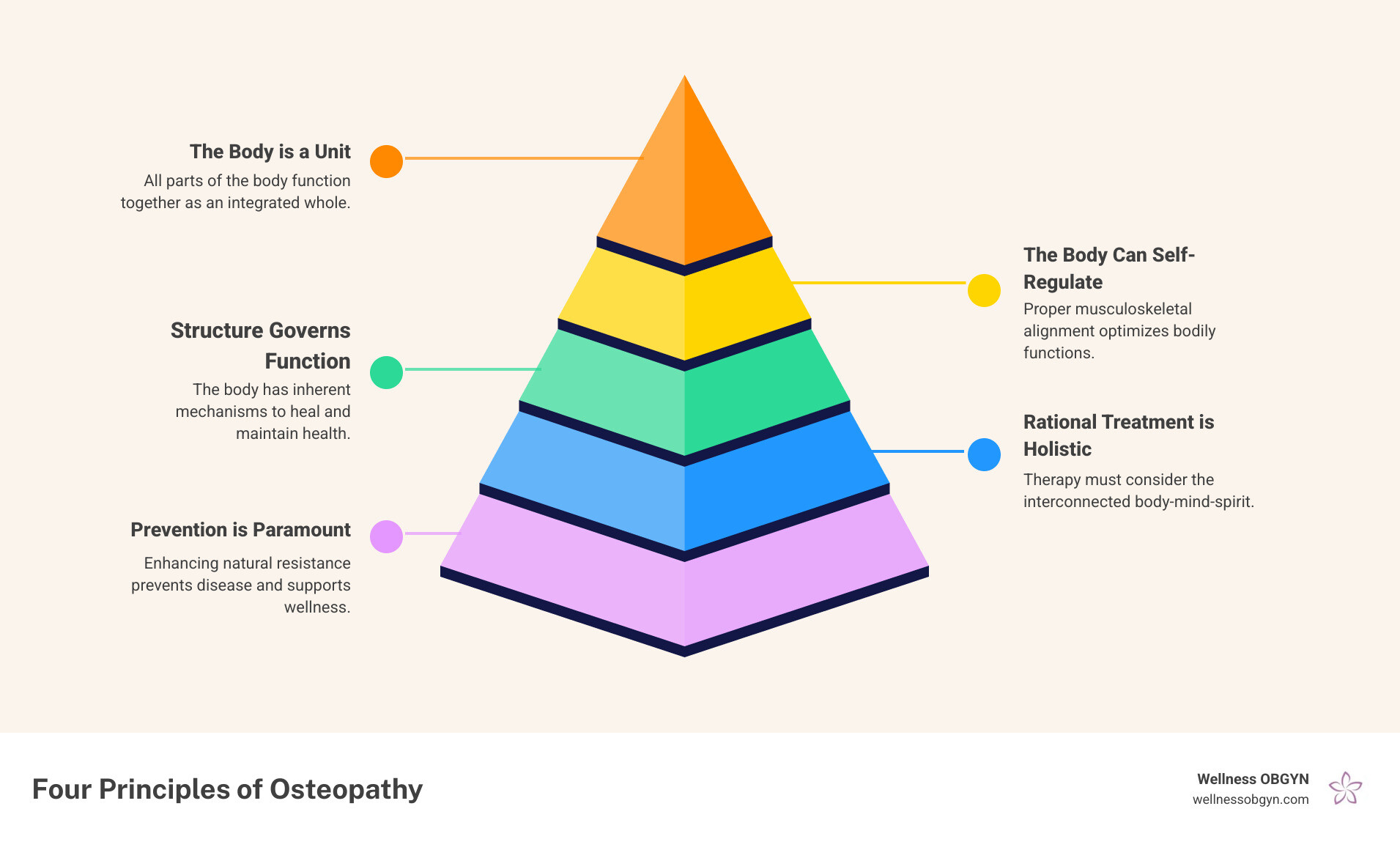
Osteopathy is built on a simple but powerful idea: your body has the ability to heal itself — and with the right hands-on support, that process can be restored and accelerated. It’s a complete system of care that looks at how your muscles, joints, nerves, and organs all work together.
As Dr. Cheryl Twu — founder of Wellness OBGYN in Honolulu and a Doctor of Osteopathic Medicine trained at Touro University — I bring osteopathic principles into my women’s health practice every day, because I’ve seen how this approach transforms lives, especially for women navigating pregnancy, pelvic health, and hormonal changes. If you’ve been searching for an osteopath close to me and aren’t sure where to start, this guide will walk you through everything clearly and simply.
Important osteopath close to me terms:
What is Osteopathy and How Does it Differ from Other Care?
When you begin looking for an osteopath close to me, you might wonder how this field differs from visiting a physical therapist or a chiropractor. While all three focus on the musculoskeletal system, the philosophy behind What is a D.O. Doctor of Osteopathic Medicine? is uniquely holistic.
Osteopathy is a whole-person approach to healthcare. It is based on the principle that a person’s health is determined by their environment, lifestyle, and the interrelationship between the body’s structure and its function. We don’t just look at the part that hurts; we look at the entire “machinery” of the body to see why that part is under stress.
The “Big Three”: Comparing Your Options
| Feature | Osteopathy (D.O.) | Chiropractic | Physiotherapy |
|---|---|---|---|
| Primary Focus | Whole-body integration; structure governs function | Spinal alignment and nervous system | Rehabilitation and movement restoration |
| Techniques | Soft tissue, stretching, gentle mobilization, and manipulation | High-velocity spinal adjustments | Exercise programs and manual therapy |
| Philosophy | The body is a unit; self-healing mechanisms | Joint “subluxations” affect nerve flow | Recovery from injury or surgery |
| Scope | Includes preventive, circulatory, and visceral health | Primarily musculoskeletal and nervous system | Primarily physical rehabilitation |
At Wellness OBGYN in Honolulu, we emphasize that motion is central to life. When motion is restricted — whether in a joint, a muscle, or even around an organ — it leads to dysfunction and pain. Our goal is to restore that motion to improve your overall wellness, circulatory health, and nervous system regulation.
Finding a Qualified Osteopath Close to Me
Finding the right practitioner is about more than just proximity. When you search for an osteopath close to me, you want to ensure the clinic meets high standards of care. In the United States, a Doctor of Osteopathic Medicine (D.O.) is a fully licensed physician who has completed four years of medical school followed by residency, just like an M.D., but with additional training in the musculoskeletal system.
Why Credentials Matter When Searching for an Osteopath Close to Me
Credentials are a shorthand for your safety and the quality of care you will receive. A board-certified D.O. has undergone rigorous specialized training and clinical experience. This expertise allows for multidisciplinary collaboration, ensuring that your osteopathic care integrates seamlessly with your other medical needs.
When evaluating a clinic, look for:
- Board Certification: Ensures the physician has met national standards.
- Patient Reviews: Real patient testimonials and results can provide insight into the practitioner’s bedside manner and effectiveness. For example, many of our patients value a 4.8/5 rating because it reflects consistent, compassionate care.
- Accessibility: Does the clinic offer multiple location options or convenient scheduling? In a busy place like Honolulu, finding a provider who respects your time is essential.
You can find more info about OMT services on our dedicated service page to see how these professional standards translate into better patient outcomes.
Conditions Treated and Techniques Used in Osteopathic Medicine
Osteopathy is incredibly versatile. Because it treats the body as a whole, it is effective for a wide range of issues. But Does Osteopathic Manipulative Treatment Work? The answer lies in the diversity of techniques used to address specific disruptions in the body.
Common conditions we treat include:
- Musculoskeletal Pain: Chronic back pain, neck pain, and sciatica.
- Headaches: Tension headaches and migraines caused by structural imbalances.
- Sports Injuries: Strains, sprains, and repetitive motion injuries.
- Systemic Issues: Digestive disorders, circulatory problems, and chronic fatigue.
Techniques in the Osteopathic Toolbox
- Myofascial Release: Gentle pressure applied to the connective tissue (fascia) to eliminate pain and restore motion.
- Cranial Osteopathy: A very subtle technique that focuses on the bones of the skull and the flow of cerebrospinal fluid.
- Visceral Manipulation: Gentle manual therapy that encourages the normal mobility and tone of the internal organs.
- Joint Articulation: Moving joints through their natural range of motion to improve flexibility.
Specialized Care for Women and Sexual Wellness
For women, osteopathy is a game-changer. We use these techniques to address pregnancy aches, help with postpartum recovery, and support pelvic floor health. However, we also recognize that structural health i
What to Expect During Your First Appointment
If you have never visited an osteopath close to me, the first visit might feel a bit different than a standard doctor’s appointment. We take our time to understand your story.
Your first visit, which typically lasts about 75 minutes, focuses on a “root cause analysis.” We don’t just want to know where it hurts; we want to know why it started. This involves:
- Intake: A deep dive into your medical history and lifestyle.
- Physical Assessment: We use our eyes and hands (palpation) to observe your posture, movement, and any areas of tension or misalignment.
- Personalized Treatment Plan: Based on the assessment, we create a roadmap for your recovery.
Preparing for Your Visit to an Osteopath Close to Me
To get the most out of your session, come prepared. Here is a quick checklist of what to bring:
- Comfortable Clothing: Wear loose-fitting clothes (like gym wear) that allow you to move freely.
- Medical Records: Any recent X-rays, MRI reports, or lists of medications.
- Insurance Documentation: While many patients use direct billing, it’s good to have your details ready.
- A List of Questions: Don’t be shy! We want you to be an active participant in your care.
Our goal for most acute issues is to see significant improvement within five sessions. We also provide lifestyle coaching and rehabilitation exercises to ensure your results last. You can find more info about what to expect on our website.
Frequently Asked Questions about Osteopathy
Is osteopathy safe for everyone, including infants and seniors?
Yes! Because osteopathy uses gentle, non-invasive techniques, it is safe for all ages. In infants, we often use cranial osteopathy to help with colic, latching issues, or “flat head” syndrome (plagiocephaly). For seniors, we focus on improving mobility and balance, helping to manage arthritic pain without relying solely on medications.
How many sessions are typically needed for effective results?
This depends on whether you are seeking acute care or chronic management. While many people feel relief after just one or two visits, a typical course of treatment is 3 to 5 sessions. For long-term wellness, some patients choose a “maintenance” visit every few months to keep their body in balance—what some call a maintenance General Osteopathic Treatment (GOT).
Is osteopathic treatment covered by insurance?
In many cases, yes. Most extended health benefits cover osteopathic treatment. While a doctor’s referral is often not required to start treatment, some insurance providers may request one for reimbursement. We recommend checking with your specific provider regarding HSA/FSA eligibility.
Conclusion
At Wellness OBGYN in Honolulu, we believe that you shouldn’t have to live with pain. Our approach to women’s healthcare is rooted in the belief that every patient deserves personalized, compassionate care that looks at the whole person. By combining expert medical knowledge with the holistic principles of osteopathic medicine, we empower you to make shared decisions about your health.
Whether you are navigating the challenges of pregnancy, recovering from an injury, or looking for more info about Osteopathic Manipulative Treatment (OMT) to improve your daily life, we are here to help. Your journey to wellness starts with a single step—finding an osteopath close to me who truly listens. Aloha, and we look forward to supporting your health.