
Why Finding the Right ED Treatment Matters More Than Ever
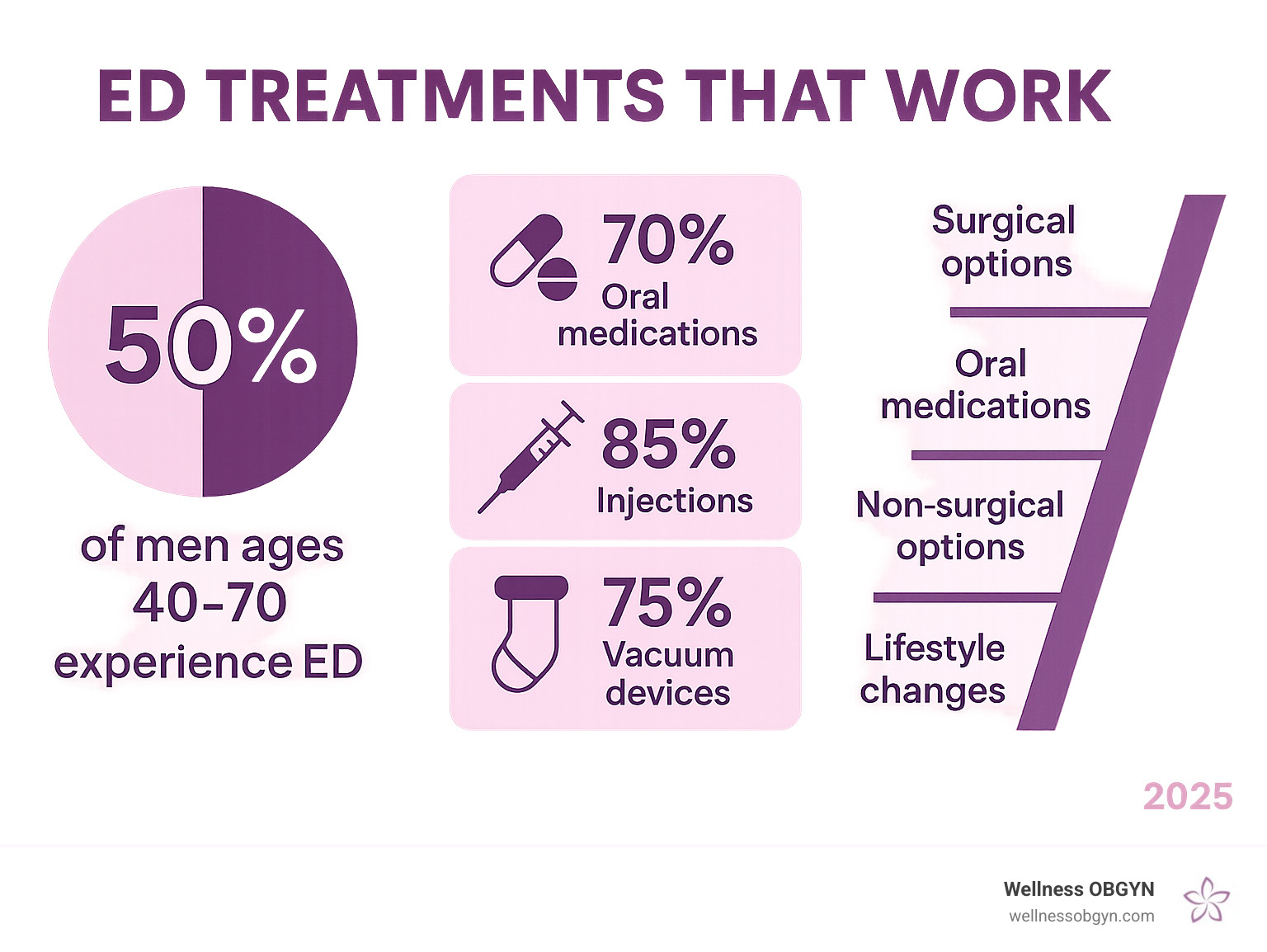
Ed treatments that work are no longer a mystery—we now have solid evidence showing which options deliver real results for the millions of men facing erectile dysfunction. About 50% of men between ages 40-70 experience some degree of ED, but effective treatments produce successful results in approximately 70% of otherwise healthy men.
Here are the proven ED treatments that actually work:
- Lifestyle modifications – Exercise, weight control, and smoking cessation improve blood flow
- Oral medications – PDE5 inhibitors like Viagra, Cialis work in ~70% of men
- Injection therapy – Up to 85% success rate with penile injections
- Vacuum devices – FDA-approved pumps work for about 75% of patients
- Penile implants – Highest satisfaction rates (>90%) for severe cases
The stakes are higher than just bedroom performance. ED often serves as an early warning sign for cardiovascular disease, since the smaller blood vessels in the penis show damage before larger heart arteries. This means addressing ED isn’t just about sexual health—it’s about your overall well-being and longevity.
What makes the difference between treatments that work and those that don’t? Personalized care and proper medical guidance. Too many men waste time and money on unproven supplements or delay seeking help due to embarrassment, when effective, evidence-based solutions are readily available.
Easy ed treatments that work word list:
Understanding Erectile Dysfunction: What’s Really Going On
Erectile dysfunction isn’t just “part of getting older”—it’s a real medical condition with identifiable causes, and ed treatments that work are available for most underlying issues.
The Massachusetts Male Aging Study found that 52% of men aged 40-70 experience some degree of ED, but only 1 in 10 report complete inability to have erections. This means most men are dealing with mild to moderate issues that respond well to the right treatment approach.
Vascular causes top the list of culprits. Heart disease, atherosclerosis, high blood pressure, and high cholesterol all affect blood flow to the penis. Diabetes deserves special mention—between 35-75% of diabetic men experience ED because high blood sugar damages blood vessels over time.
Neurological factors disrupt nerve signals that trigger erections. Conditions like stroke, spinal cord injuries, multiple sclerosis, and Parkinson’s disease can interfere with this communication system.
Hormonal imbalances, particularly low testosterone, become increasingly common with age.
Psychological factors including performance anxiety, depression, and relationship stress can create a cycle where worry about ED actually makes it worse.
Lifestyle factors that damage blood vessels include smoking, excessive alcohol consumption, obesity, and sedentary lifestyle. These are actually some of the most treatable causes.
According to scientific research on ED prevalence, the condition affects over 150 million men worldwide, with projections suggesting this number could reach 322 million by 2026.
What Your Doctor Looks For
A thorough ED evaluation helps find the root cause and select the most effective treatment path.
Your medical and sexual history helps paint the complete picture. Your doctor will ask when symptoms started, how they’ve progressed, and about current medications, since many can cause ED as a side effect.
The physical examination focuses on areas that directly impact erectile function, including checking blood pressure, examining the penis and testicles, and looking for signs of Peyronie’s disease.
Laboratory tests provide crucial information including complete blood count, lipid profile, blood glucose levels, and thyroid function tests. Testosterone levels are especially important since low testosterone affects many men with ED and responds well to hormone optimization.
Why Early Action Matters
ED is often your body’s early warning system for cardiovascular disease. The penis has smaller blood vessels than the heart, so erectile problems can appear 2-3 years before heart symptoms develop.
The relationship impact is equally important. ED affects both partners and can create a destructive cycle of anxiety, avoidance, and relationship strain. When couples address this together early on, they prevent this downward spiral and maintain intimacy.
ED Treatments That Work: Lifestyle & Foundational Fixes
When it comes to ed treatments that work, lifestyle changes aren’t just helpful additions to medical treatments; they’re often the foundation that makes everything else work better.
Exercise might be the closest thing we have to a magic pill for erectile dysfunction. Just 30 minutes of walking daily reduces ED risk by 18% compared to sitting on the couch all day. Regular physical activity gets your blood pumping everywhere it needs to go and naturally boosts testosterone.
Weight control matters more than many men realize. Extra pounds reduce testosterone production and increase inflammation throughout your body. Even losing 10-15 pounds can make a noticeable difference in erectile function within a few months.
The Mediterranean diet isn’t just trendy—it’s proven to support better erections. Think colorful vegetables, healthy fats from olive oil and nuts, fish rich in omega-3s, and moderate amounts of red wine. These foods protect your blood vessels and boost nitric oxide production.
Smoking cessation offers some of the fastest improvements you’ll see. Smoking damages blood vessels directly and reduces the nitric oxide your body needs for erections. Many men notice improvements within just weeks of quitting.
Alcohol limits are important because while a glass of wine might help you relax, too much alcohol depresses your nervous system and interferes with testosterone production. Moderation is key—no more than two drinks per day for most men.
Stress reduction through meditation, yoga, or regular walks can break the cycle of performance anxiety that makes ED worse. Chronic stress floods your body with cortisol, which constricts blood vessels and interferes with sexual arousal.
Pelvic floor training strengthens the muscles that help maintain erections and improve blood flow to the pelvic region. Kegel exercises can be done anywhere, anytime.
Small Changes, Big Gains
Lifestyle changes work together like a symphony. Blood flow improves with exercise and better nutrition. Hormone balance naturally optimizes when you maintain a healthy weight and manage stress. Your self-esteem gets a boost when you feel strong, healthy, and in control.
Most men start seeing improvements within 6-12 weeks of making consistent changes. These aren’t just improvements in erectile function—you’ll likely notice better energy, mood, and overall confidence too.
Partner Up for Success—Communication Tips
ED affects both partners. The couples who tackle this challenge together often come out stronger on the other side. Couples counseling can provide a safe space to discuss feelings, fears, and expectations without judgment.
Start with honest conversations about what you’re both experiencing. Set shared goals like cooking healthier meals together, taking evening walks, or finding new ways to be intimate that don’t focus solely on erections.
When both partners understand that ED is a medical condition—not a reflection of attraction or love—it becomes much easier to work together toward solutions that benefit everyone involved.

Pill Power: Comparing Oral Medications That Deliver
When it comes to ed treatments that work, oral medications have revolutionized how we approach erectile dysfunction. These pills help about 70% of men achieve erections strong enough for satisfying intercourse.
The four main players each have their own personality. Sildenafil (Viagra) takes about 30-60 minutes to kick in and lasts 4-5 hours. It works best on an empty stomach.
Tadalafil (Cialis) earned the nickname “the weekend pill” for good reason. This overachiever lasts 24-36 hours and doesn’t care if you’ve just finished a meal. It’s perfect for men who want spontaneity back in their lives. Plus, it can help with urinary symptoms from an enlarged prostate.
Vardenafil (Levitra) works similarly to Viagra but may be more effective for men with diabetes. It also prefers an empty stomach and lasts about 4-5 hours.
Avanafil (Stendra) is the speed demon of the group, working in just 15-30 minutes and lasting 6-12 hours. You can take it with food, making it incredibly convenient.
These medications work by enhancing your body’s natural response to arousal—they’re not magic pills that create desire, but they help your body respond when desire is already there.
ED medications can be expensive, especially since insurance coverage varies. Generic sildenafil has made treatment more affordable for many men. Other cost-saving strategies include manufacturer discount programs and shopping around at different pharmacies.
Safety is crucial with these medications. They can cause dangerous drops in blood pressure if combined with nitrate medications. Common side effects are usually mild—headaches, facial flushing, stuffy nose, or upset stomach.
| Medication | Onset Time | Duration | Food Effect | Best For |
|---|---|---|---|---|
| Sildenafil (Viagra) | 30-60 minutes | 4-5 hours | Take on empty stomach | Predictable timing |
| Tadalafil (Cialis) | 30-45 minutes | 24-36 hours | Can take with food | Spontaneity, prostate symptoms |
| Vardenafil (Levitra) | 30-60 minutes | 4-5 hours | Take on empty stomach | Men with diabetes |
| Avanafil (Stendra) | 15-30 minutes | 6-12 hours | Can take with food | Quick onset needed |
Ed treatments that work—Fast-Acting Pills
Stendra deserves recognition for being the fastest option. With its 15-minute onset time, it’s perfect for men who find that planning ahead kills the mood. This quick action can be especially helpful for men dealing with performance anxiety.
Ed treatments that work—Weekend Pills
Tadalafil’s long-lasting effects have been a game-changer for many couples. The daily low-dose option (2.5-5mg) provides continuous coverage, so there’s no need to time anything.
For men over 50 dealing with both ED and frequent nighttime bathroom trips, daily tadalafil can address both issues simultaneously. Your prostate symptoms may improve while your sexual function gets back on track.
The key to success with any oral medication is patience and communication with your healthcare provider. Sometimes it takes trying different options or adjusting doses to find what works best for your body and lifestyle.
Tried-and-True Mechanical Aids
Penis pumps have come a long way from the awkward devices of decades past. Modern vacuum erection devices achieve a 75% success rate and offer several advantages for men who can’t or don’t want to use medications.
Today’s devices are battery-powered for consistent suction, come in various cylinder sizes for proper fit, and include comfortable tension rings with detailed safety instructions. Side effects are minimal, typically just mild temporary bruising.
Injectable & Insertable Options
Penile injections achieve up to 85% success rates—higher than any oral medication. Alprostadil injected directly into the corpus cavernosum creates an automatic erection within 8-10 minutes that lasts 30-60 minutes, regardless of nerve function or blood flow issues.
Testosterone therapy deserves special consideration when low testosterone contributes to ED. Benefits extend beyond sexual function to include improved energy, better response to other ED treatments, and improved mood.
Penile implants represent the most definitive solution for severe ED, with satisfaction rates exceeding 90%. While implant surgery is more involved than other treatments, the results are permanent and highly satisfying for both partners.
Cutting-Edge & Future Options: Shockwave, PRP, Stem Cells & More
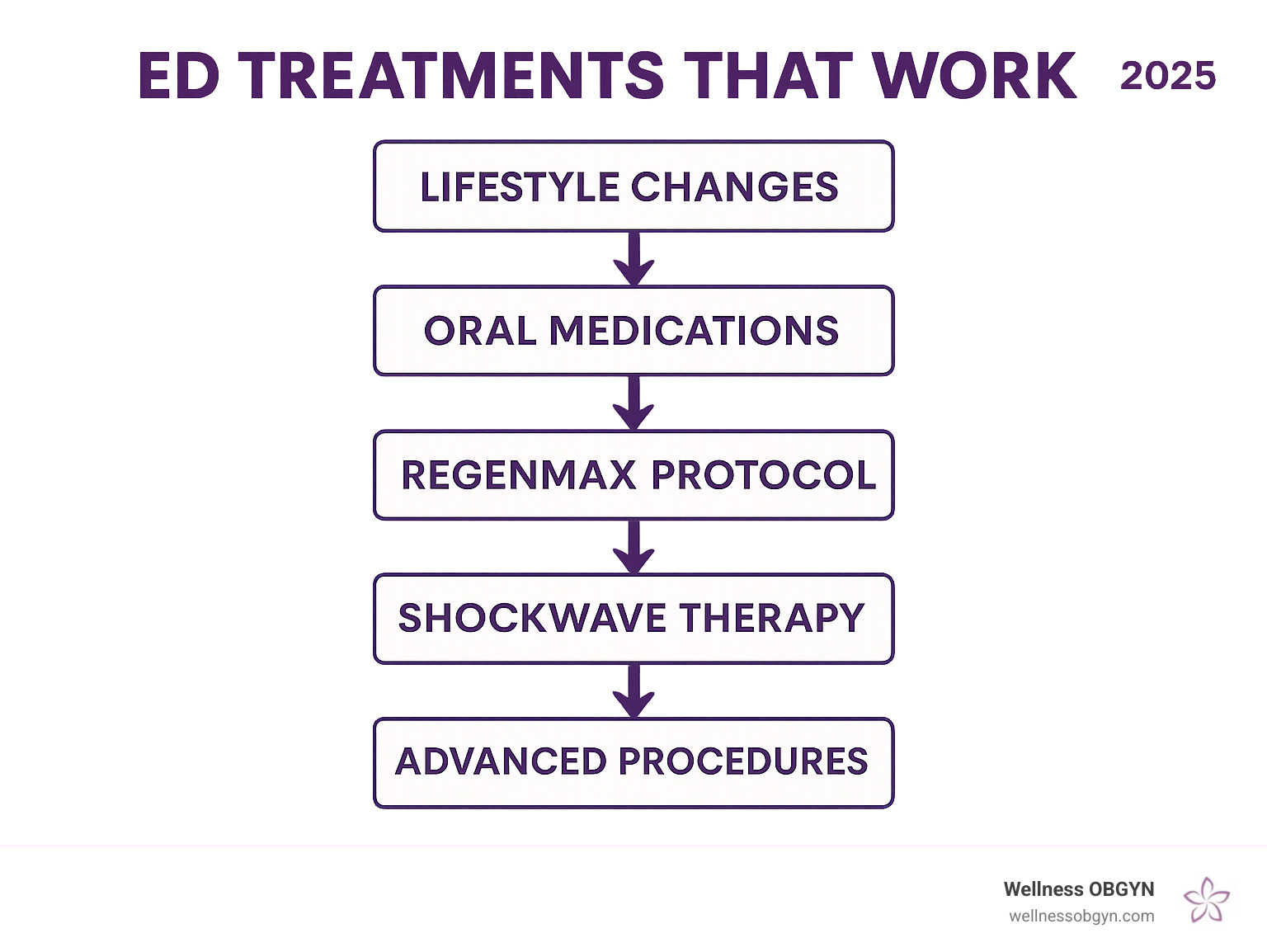
The world of ed treatments that work is expanding rapidly, with breakthrough therapies emerging from research labs and clinical trials worldwide.
This gentle therapy works by stimulating your body’s natural healing processes. The focused acoustic waves break up tiny blockages in penile blood vessels while encouraging new vessel formation. Each session takes just 15-20 minutes, requires no anesthesia, and lets you return to normal activities immediately.
Results are encouraging: studies show 60-70% of men report meaningful improvement in erectile function. The benefits often last 1-2 years, and many men find their oral medications work better after shockwave therapy.
Is Shockwave Right for You?
Shockwave therapy works best for men with mild to moderate ED caused by blood vessel problems. You might be an ideal candidate if oral medications haven’t worked well for you, if you prefer drug-free treatments, or if you’re looking to boost the effectiveness of pills you’re already taking.
The main consideration is cost—a complete course typically ranges from $3,000-$6,000 and isn’t covered by most insurance plans. However, when compared to years of medication costs, many men find it worthwhile.
Regenerative Medicine Frontier
Platelet-rich plasma (PRP) therapy represents an exciting frontier in ED treatment. This approach uses your own concentrated platelets, which are packed with growth factors that promote healing and tissue regeneration.
Stem cell therapy is generating significant research interest for its potential to actually regenerate damaged erectile tissue. Early studies suggest these powerful cells might restore nerve function and improve blood vessel formation.
New drug classes are also in development. Melanocortin activators work through the central nervous system rather than blood vessels, potentially helping men who don’t respond to traditional medications.
Topical treatments offer another avenue of hope. Researchers are developing creams and gels that could provide the benefits of current treatments without the need for pills or injections.

Questions About ED Treatments That Work—Answered
We hear these questions all the time in our practice, and they’re exactly the kind of thoughtful concerns that show you’re taking charge of your health.
How long should I try a treatment before switching?
The answer depends on which ed treatments that work you’re trying. Some treatments show results quickly, while others need time to build momentum.
Oral medications like Viagra or Cialis deserve a fair shot. We recommend at least 6-8 attempts with proper dosing and timing before deciding they’re not working for you.
Lifestyle changes require the most patience but often provide the most lasting benefits. Give yourself a solid 3-6 months to see the full impact of exercise, diet changes, and smoking cessation.
Injection therapy usually shows results within the first few attempts. If properly administered injections aren’t working by the third or fourth try, it’s time to reassess the approach or dosage.
The key is working closely with your healthcare provider to optimize each treatment before moving to alternatives.
When is surgery the best option?
Surgery, specifically penile implants, becomes the right choice when other ed treatments that work haven’t provided the results you need. It offers the highest satisfaction rates—over 90% of men report being happy with their decision.
Severe ED that significantly impacts quality of life is another important factor. When erectile dysfunction prevents you from having the intimate relationship you want despite trying various treatments, surgery can be life-changing.
What’s encouraging is that ed treatments that work have expanded so much that most men find effective solutions before needing surgery. But when implants are the right choice, they provide a permanent solution that can restore confidence and intimacy for years to come.
Conclusion
The path forward starts with understanding your options. Whether you’re dealing with mild performance anxiety or more complex vascular issues, there’s likely a treatment that can help restore your confidence and intimacy.
Lifestyle changes often surprise men with their effectiveness. Something as simple as a 30-minute daily walk, cutting back on alcohol, or managing stress better can make a real difference. These foundational fixes don’t just improve erectile function—they boost your overall health and energy too.
Oral medications remain the gold standard for good reason. With a 70% success rate and decades of safety data, pills like Viagra and Cialis have helped millions of men reclaim their sex lives.
Don’t overlook proven alternatives. Vacuum devices, injections, and other non-pill options work well for many men, especially those who can’t take oral medications due to heart conditions or other health issues.
Time matters more than you might think. ED often serves as an early warning sign for heart disease, so addressing it isn’t just about bedroom performance—it’s about your long-term health. The sooner you seek help, the more treatment options you’ll have.
Your partner matters too. Sexual health affects relationships, but working together on solutions often strengthens couples’ bonds. Open communication and realistic expectations during treatment make a huge difference in long-term success.
Ready to take control of your sexual health? The hardest part is often just starting the conversation. You’re not alone in this, and effective solutions are closer than you think. Every man deserves to feel confident and satisfied in his intimate relationships.