
Why Early Menopause Support Can Transform Your Health Journey
Early menopause support is vital for the 5% of women experiencing menopause before age 45, as it significantly impacts physical and emotional wellbeing. Comprehensive support includes:
Key Components of Early Menopause Support:
- Medical management – Hormone replacement therapy and symptom relief treatments
- Emotional support – Counseling, support groups, and mental health resources
- Long-term health protection – Bone density monitoring and cardiovascular screening
- Lifestyle guidance – Diet, exercise, and stress management strategies
- Fertility counseling – Family planning options and reproductive choices
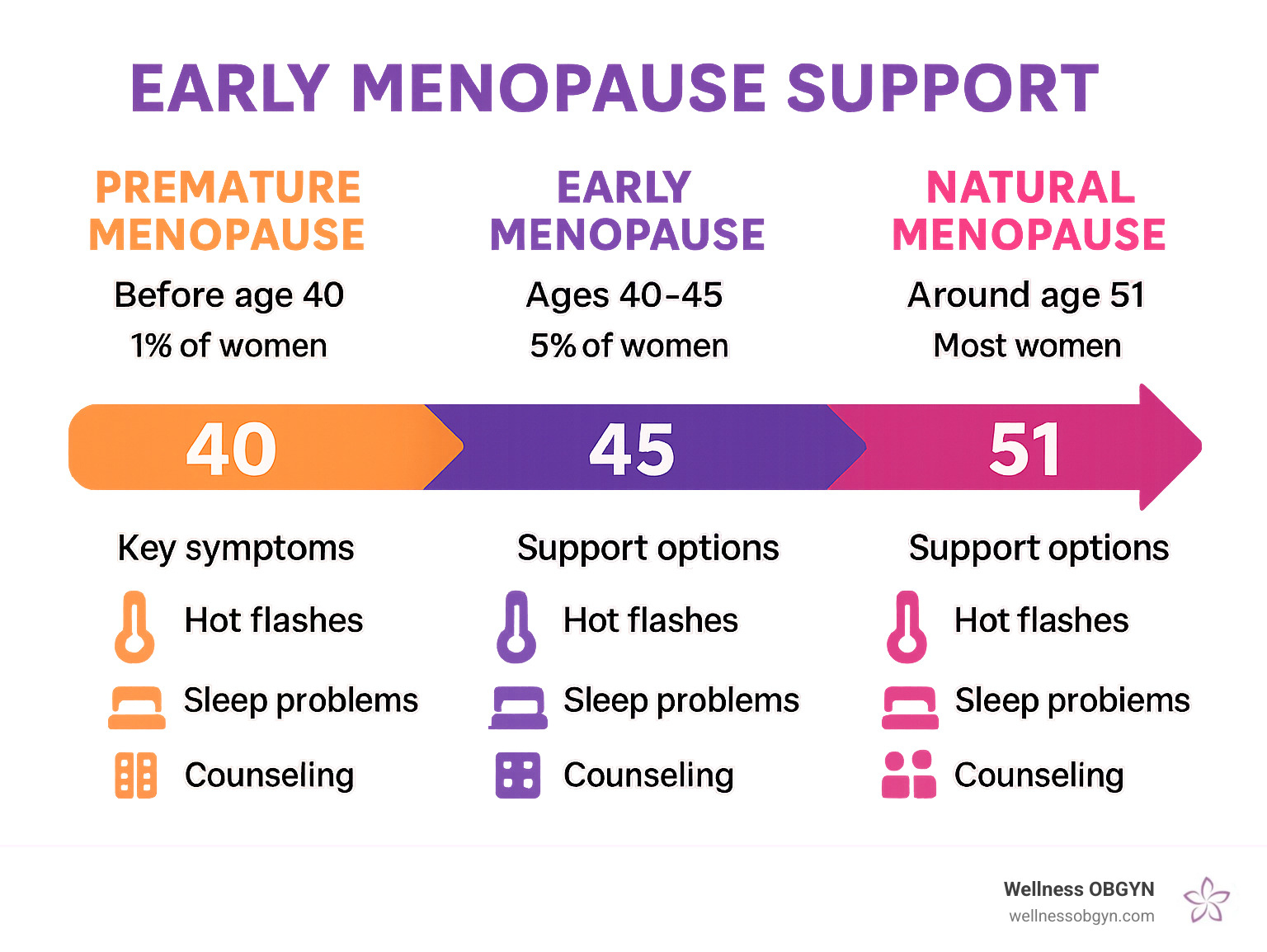
Menopause before 45 is early menopause; before 40, it’s premature menopause or Premature Ovarian Insufficiency (POI). Statistics show 1 in 100 women experience menopause before 40, and 1 in 1,000 before 30.
The impact extends beyond hot flashes, increasing risks for osteoporosis, heart disease, and cognitive changes. It can also lead to isolation, as peers may not be at the same life stage.
“In a survey from the Menopause Foundation of Canada in 2022, one in two women felt unprepared for menopause and 4 in 10 women felt alone during this time.”
With proper support, women with early menopause can maintain an excellent quality of life and protect their long-term health.
I’m Dr. Cheryl Twu, a board-certified OB-GYN in Honolulu. With over a decade of experience in hormonal and reproductive health, I use an integrative approach combining Western medicine with holistic wellness. I’ve seen how comprehensive early menopause support transforms a woman’s health journey from overwhelming to empowering.
Decoding Early Menopause: Definitions, Causes, and Symptoms
When menopause arrives unexpectedly, it’s normal to feel confused or isolated. Understanding what’s happening in your body is the first step toward managing this transition. At Wellness OBGYN in Honolulu, we provide clear answers and compassionate early menopause support because knowledge is power.
What is Early vs. Premature Menopause?
Understanding the difference between these terms is important for your care.
Menopause is diagnosed after 12 months without a period, typically around age 51. When it begins much sooner, it’s considered early or premature.
Early menopause occurs before age 45, affecting about 5% of women as their ovaries stop functioning sooner than average.
Premature menopause, or Premature Ovarian Insufficiency (POI), happens before age 40 and is rarer, affecting about 1% of women. POI is unique because ovarian function can be intermittent. The ovaries might occasionally “wake up,” leading to an unexpected period or, rarely, a natural pregnancy. This differs from the permanent cessation of ovarian activity in menopause.
Both conditions involve significant drops in estrogen and require careful management.
| Feature | Early Menopause | Premature Menopause/POI |
|---|---|---|
| Age of Onset | Before 45 years | Before 40 years |
| Prevalence | ~5% of women | ~1% of women (1 in 100) |
| Ovarian Function | Cessation of function | May have intermittent function |
| Potential for Pregnancy | Extremely low | Low, but possible (5-10%) |
Common Causes and Risk Factors
While early menopause can happen spontaneously, specific factors often play a role:
- Genetics and family history: A family history of early menopause increases your risk. Over 100 genes have been linked to POI.
- Autoimmune disorders: Conditions like thyroid disease or lupus can cause the immune system to attack the ovaries.
- Cancer treatments: Chemotherapy and pelvic radiation can damage ovarian function.
- Surgical removal of both ovaries (bilateral oophorectomy) causes immediate surgical menopause.
- Lifestyle factors: Smoking is a known risk factor, as is being significantly underweight.
- Chromosomal conditions: Conditions like Turner Syndrome can lead to POI.
Recognizing the Physical and Emotional Signs
Recognizing symptoms early is crucial for getting the early menopause support you need.
- Hot flashes and night sweats: These classic vasomotor symptoms affect up to 80% of menopausal women. They involve a sudden, intense wave of heat, often with sweating and a racing heart.
- Sleep disturbances: Affecting 40-60% of women, these are often caused by night sweats and hormonal shifts that disrupt sleep cycles.
- Mood changes: Hormonal shifts can cause increased anxiety, irritability, and a significantly higher risk of major depression. These are real biochemical changes.
- Cognitive issues (“brain fog”): Affecting 40-60% of women, this can cause difficulties with memory and concentration but often stabilizes after menopause.
- Genitourinary Syndrome of Menopause (GSM): Affecting nearly 80% of menopausal women, this includes vaginal dryness, painful intercourse, and urinary symptoms like frequency or urgency. It tends to be chronic and progressive without treatment.
- Low libido: A common complaint related to hormonal changes.
- Joint and muscle aches: Over 70% of women are affected, with some experiencing severe effects.
Other symptoms can include fatigue and changes to hair and skin. Each woman’s experience is unique, highlighting the need for personalized care.
For more comprehensive information about related conditions, explore our resources on female reproductive health issues.
Your Guide to Comprehensive Early Menopause Support and Management
Navigating early menopause can feel daunting, but you have more control than you think. At Wellness OBGYN in Honolulu, we help women transform their experience through personalized medical support and lifestyle strategies. Our holistic approach to women’s health treats not just your symptoms, but your whole self.

Medical Treatments for Symptom Relief
Medical treatments can provide significant relief and protect your long-term health.
Hormone Replacement Therapy (HRT) is the most effective treatment for symptoms like hot flashes, night sweats, and mood changes. Beyond symptom relief, HRT helps reduce the risk of cardiovascular disease, osteoporosis, type 2 diabetes, and dementia. For most women under 60 with early menopause, the benefits significantly outweigh the risks. We often recommend body-identical hormones and can discuss various forms like pills, patches, or gels. For more details, see our guide on Hormone Replacement Therapy Hawaii.
Non-hormonal prescription medications like certain antidepressants or fezolinetant are also effective for hot flashes if HRT isn’t suitable for you.
Testosterone therapy may be considered if you experience low libido, fatigue, or mood issues despite estrogen therapy, as testosterone levels also drop significantly with POI. Learn more about low testosterone in women.
Enhancing Sexual Wellbeing and Intimacy
Sexual health is deeply connected to overall well-being. While early menopause can challenge intimacy, effective solutions are available.
Genitourinary Syndrome of Menopause (GSM), affecting up to 80% of menopausal women, causes vaginal dryness, painful intercourse, and urinary issues. These symptoms are highly treatable.
- Vaginal estrogen is highly effective for local symptoms with minimal systemic absorption.
- Lubricants and moisturizers offer immediate relief for intimacy and daily comfort.
Lifestyle Modifications for a Healthier Transition
Lifestyle changes are powerful tools that complement medical treatments and allow you to take charge of your daily well-being.
- Nutrition: Focus on a balanced diet with calcium and vitamin D-rich foods (dairy, leafy greens) to protect your bones from osteoporosis. For more guidance, see our insights on menopause and diet.
- Regular exercise: Aim for at least 30 minutes of moderate activity five times a week, including weight-bearing exercises like walking or strength training to support bone density and boost mood.
- Stress management: Techniques like yoga, meditation, and deep breathing are essential. Cognitive Behavioral Therapy (CBT) can also help manage anxiety and sleep issues.
- Avoid triggers: Identify and avoid personal triggers for hot flashes, such as caffeine, alcohol, or spicy foods.
- Quit smoking: This is one of the most impactful changes you can make for your health.
- Cooling strategies: Dress in layers, keep your bedroom cool, and use a fan to manage hot flashes.
For more tips, explore our guide to menopause lifestyle changes.
Protecting Your Future: Long-Term Health and Fertility
While immediate symptoms like hot flashes are a focus, early menopause support is also about proactive planning to protect your long-term health. With the right strategy, you can maintain a vibrant, active life for decades. Because your body experiences estrogen deficiency longer, we must be strategic about managing long-term risks. At Wellness OBGYN, we partner with you to create a plan that keeps you strong and confident.

Managing Long-Term Health Risks
Knowing what to watch for allows us to take powerful protective steps.
- Osteoporosis: This is a major concern, as women can lose significant bone density quickly after menopause due to estrogen loss. Regular bone density scans (DEXA) are essential for monitoring. A bone-protection plan includes calcium, vitamin D, weight-bearing exercise, and often hormone therapy. You can find more in this bone health fact sheet for women.
- Cardiovascular disease: The loss of estrogen’s protective effects increases heart disease risk. We monitor blood pressure and cholesterol and help you create a heart-healthy lifestyle plan.
- Cognitive health: Extended estrogen deficiency may increase the risk of cognitive issues later in life, another reason why hormone therapy is often recommended.
Continuing hormone therapy until at least the average age of natural menopause (around 51) is essential health protection for your bones, heart, and brain.
Navigating Fertility Challenges and Family Planning
For those who haven’t completed their family, an early menopause diagnosis can be devastating. At Wellness OBGYN, we approach these sensitive fertility conversations with deep compassion, focusing on your future dreams.
- Natural conception: While unlikely, women with POI have a 5-10% chance of spontaneous pregnancy due to intermittent ovarian function.
- Fertility preservation: For women at risk of early menopause from cancer treatments, egg freezing can be a vital option.
- IVF with donor eggs: This is a highly successful option for women whose ovaries no longer produce viable eggs, with encouraging success rates.
- Adoption and surrogacy: These are other beautiful paths to building a family.
The emotional impact of these challenges is significant. Counseling and support groups can be incredibly healing as you process this life change and explore the many paths to motherhood. For more information, explore information on fertility treatment options.
With proper support, you can steer these challenges and continue to live a full, vibrant life.
Building Your Support System and Finding Expert Care
Early menopause can feel isolating, but you don’t have to go through it alone. Building a strong emotional and medical support network is key to feeling empowered instead of overwhelmed. At Wellness OBGYN in Honolulu, we believe in the power of community and connection.
How to find the right emotional and psychological early menopause support
The emotional impact of early menopause can be surprising, bringing a range of feelings from grief and anger to confusion.
- Coping with grief and loss: It’s valid to mourn the loss of reproductive years or future family plans. Acknowledging these feelings is an important part of the process.
- Cognitive Behavioral Therapy (CBT): This therapy is highly effective for managing the anxiety, depression, and sleep issues of early menopause by helping you reframe negative thought patterns.
- Finding a therapist: A therapist experienced in women’s health, grief counseling, or life transitions can provide a safe space and practical coping strategies.
- Online communities and support networks: Connecting with women who share your experience can provide validation and practical advice. Organizations like The Daisy Network offer a community specifically for women with POI, reminding you that you’re not alone.
Partnering with your OBGYN for personalized early menopause support
Your relationship with your healthcare provider is the foundation of good early menopause support. We act as your partner, guide, and advocate.
- Finding a menopause specialist: Early menopause requires specialized knowledge. You need a provider who is current on the latest research and treatments. As your trusted OBGYN menopause specialist, we combine experience with compassion.
- Preparing for appointments: Before your visit, jot down your symptoms, questions, and health goals. This helps you make the most of your time with us.
- Asking the right questions: We encourage you to be an active participant in your care. Ask about diagnostic tests, treatment options, long-term risks, and fertility concerns. No question is too small.
- Latest research and advancements: We stay current on developments like the 2026 Guideline on premature ovarian insufficiency and new treatments like fezolinetant for hot flashes, and we’ll discuss how they might benefit you.
Our goal is to provide expert, compassionate care that’s customized to your unique needs here in Honolulu, empowering you with the knowledge to thrive.
Frequently Asked Questions about Early Menopause
Receiving an early menopause diagnosis can be overwhelming. At Wellness OBGYN, we believe in empowering you with clear, honest answers to the questions we hear most often from women seeking early menopause support.
Is early menopause the same as Premature Ovarian Insufficiency (POI)?
Though related, they are different. Premature Ovarian Insufficiency (POI) is menopause before age 40, where ovarian function can sometimes fluctuate, occasionally producing hormones or releasing an egg. Early menopause occurs between ages 40 and 45 and usually involves a more complete cessation of ovarian function. Both conditions involve a significant decline in estrogen and require medical guidance to manage symptoms and protect long-term health.
Do I have to take Hormone Replacement Therapy (HRT)?
Hormone Replacement Therapy (HRT) is the most effective treatment for menopausal symptoms. For most women with early or premature menopause, we strongly recommend it not just for symptom relief, but to protect long-term health. When menopause happens early, the prolonged lack of estrogen increases the risk of osteoporosis and cardiovascular disease. HRT helps protect your bones and heart, and it’s typically recommended until you reach the average age of natural menopause (around 51). The decision is personal, and we will discuss the benefits and risks based on your health history.
Can I still get pregnant if I have early menopause?
While natural pregnancy is very unlikely with early menopause, it’s not impossible for everyone. Women with Premature Ovarian Insufficiency (POI) have a small (5-10%) chance of spontaneous pregnancy because their ovaries may function intermittently. For those who wish to build a family, we don’t recommend waiting for this to happen. Instead, options like In Vitro Fertilization (IVF) with donor eggs offer a highly successful path to pregnancy, with success rates often exceeding 50-60% per transfer. Other beautiful paths to parenthood include adoption and surrogacy. We are here to provide compassionate guidance as you explore what feels right for you.
Take Control of Your Health and Wellbeing
Your journey through early menopause doesn’t have to be overwhelming. We’ve covered the essentials: understanding your diagnosis, recognizing symptoms, exploring treatments, and planning for long-term health.
The key takeaway is that early menopause is manageable with proper support and medical care. You don’t have to “tough out” symptoms like hot flashes or mood changes. Effective treatments, lifestyle strategies, and compassionate healthcare providers are ready to help you thrive.
Seeking early menopause support is about protecting your future. Taking action now—whether it’s starting hormone therapy to protect your bones and heart or finding a supportive community—sets you up for decades of vibrant health.
At Wellness OBGYN in Honolulu, we’ve seen countless women steer their menopause experience with confidence. Our approach combines cutting-edge medical treatments with the warmth and understanding you deserve.
Your health and wellbeing matter. This new chapter can be filled with strength and vitality. Take the first step today.
Schedule a consultation with an OBGYN in Honolulu, Hawaii today and let us help you accept this transition with the expert care and compassionate support you deserve.