
You Don’t Have to Live With Pelvic Pain — Here’s What to Do
A pelvic pain specialist is a medical professional trained to diagnose and treat chronic pain in the lower pelvis — pain that lasts six months or longer and may be constant or come and go.
If you’re looking for quick guidance, here’s what matters most:
- Chronic pelvic pain is not something you should accept as normal
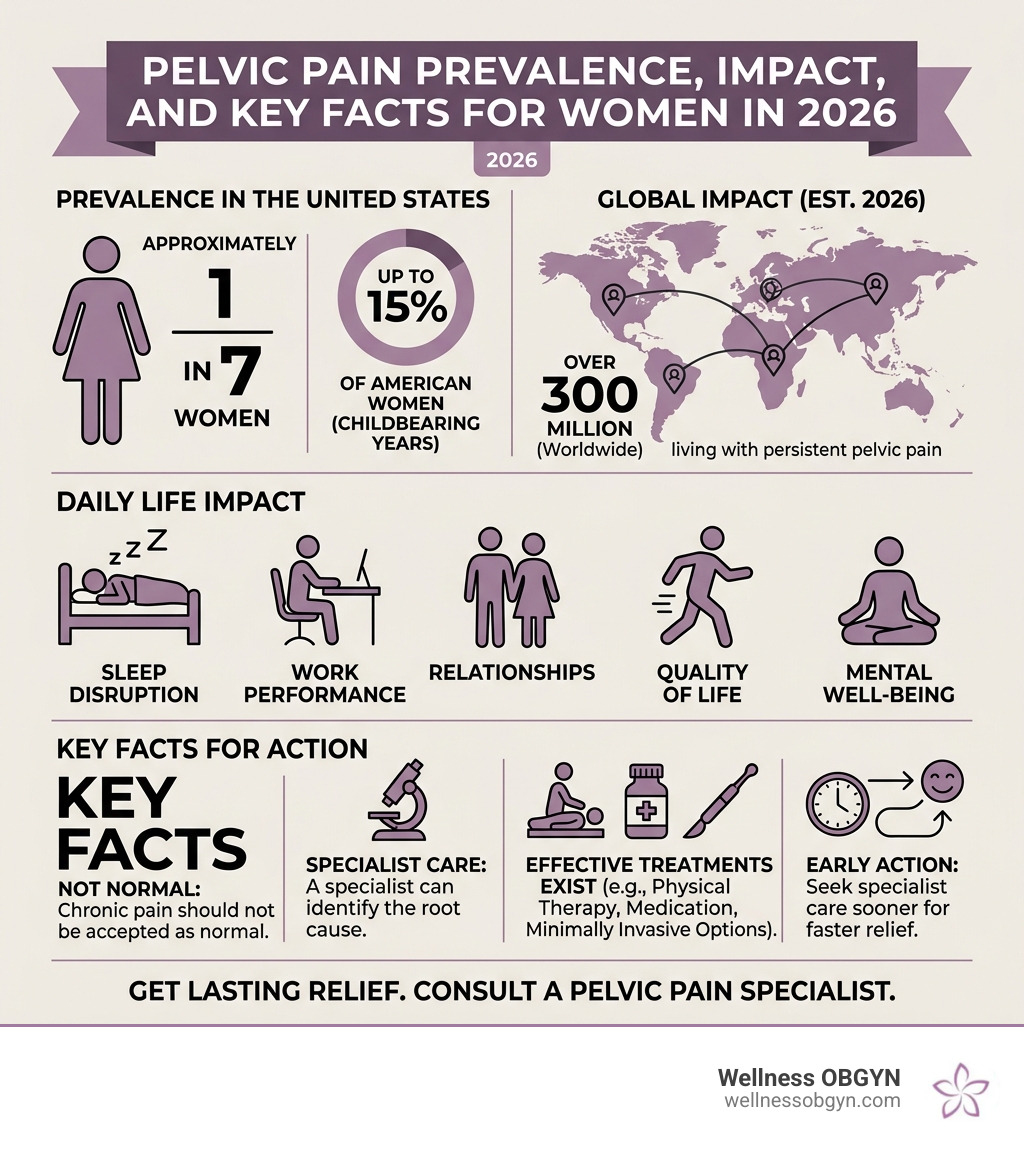
- It affects roughly 1 in 7 women in the United States, according to the National Institutes of Health
- A specialist can identify the root cause — even when other doctors couldn’t
- Effective treatments exist, from physical therapy and medication to minimally invasive surgery
- The sooner you seek specialist care, the sooner you can get real relief
Pelvic pain is more common than most people realize. Up to 15% of American women in their childbearing years experience it — and worldwide, more than 300 million adults live with persistent pelvic pain. Yet many suffer in silence for years, told their pain is “just part of being a woman.”
It isn’t. And you deserve better than that.
Whether your pain flares during your period, during sex, or is simply always there — a quiet, draining presence in your daily life — this guide will walk you through exactly how to find answers and get lasting relief.
I’m Dr. Cheryl Twu, a board-certified OB-GYN and founder of Wellness OBGYN in Honolulu, Hawaiʻi, with over a decade of experience helping women identify and treat the complex conditions behind chronic pelvic pain. As your pelvic pain specialist, my goal is to pair advanced diagnostic tools and minimally invasive surgical techniques — including da Vinci® robotic surgery — with a whole-person approach that addresses the root cause, not just the symptoms.
Pelvic pain specialist terms made easy:
Identifying the Root Cause: Why You Need a Pelvic Pain Specialist
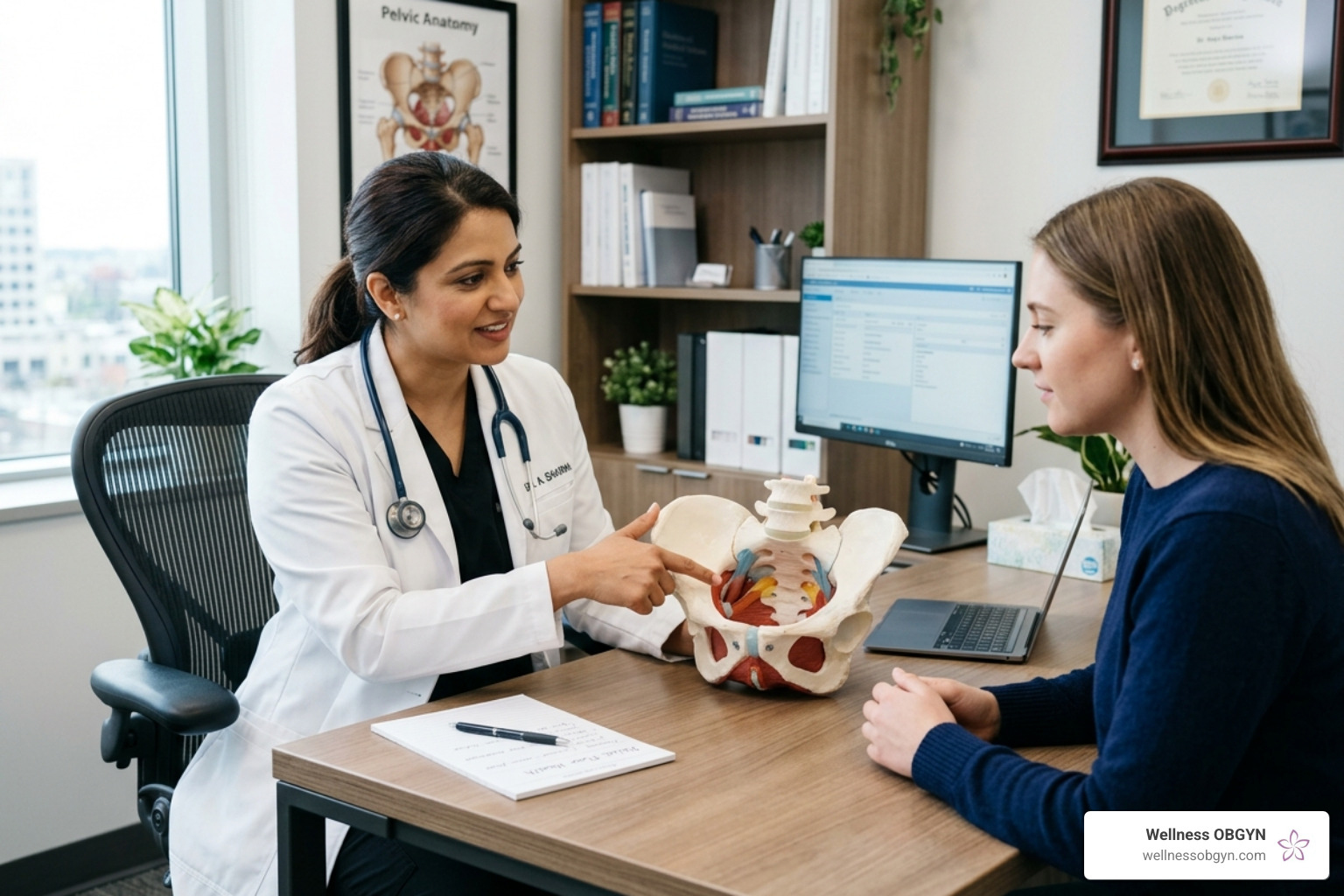
One of the most frustrating aspects of pelvic pain is the journey to a diagnosis. Statistics show that a staggering 70% of pelvic pain patients are misdiagnosed initially. On average, patients see up to 12 different doctors before they are finally referred to a specialist who can help. This “doctor-hopping” occurs because pelvic pain is rarely caused by just one thing; it often involves a complex interplay between the reproductive, urinary, gastrointestinal, and musculoskeletal systems.
When you see a pelvic pain specialist, we don’t just look at one organ. We look at the whole picture. Common conditions that we identify and treat include:
- Endometriosis: A condition where tissue similar to the uterine lining grows outside the uterus, affecting 1 in 9 women. Detailed information on this condition is available via the Mayo Clinic.
- Adenomyosis: Affecting 20-35% of women, this occurs when the uterine lining grows into the muscular wall of the uterus, often causing heavy bleeding and severe cramps.
- Interstitial Cystitis: Also known as painful bladder syndrome, which causes pressure and pain in the bladder area.
- Pelvic Floor Dysfunction: When the muscles of the pelvic floor are too tight (hypertonic) or weak, leading to chronic spasms and pain.
- Pudendal Neuralgia: Chronic pain resulting from inflammation or compression of the pudendal nerve, which provides sensation to the external genitals and perineum.
If you have been told your tests are “normal” but you are still in pain, it is time to Connect with Our Pelvic Pain Specialists for a deeper look. You can also find More info about Female Reproductive Health Issues on our site to help identify your symptoms.
Common Symptoms to Track
To help us solve the puzzle, we recommend keeping a pain diary. Note the intensity, duration, and what triggers the discomfort. Common symptoms include:
- Dull aching or a constant feeling of heaviness in the pelvis.
- Sharp cramps that occur during or outside of your period.
- Dyspareunia (pain during or after intercourse), which is a significant red flag that requires medical attention.
- Urinary urgency or frequency, often accompanied by discomfort.
- Bowel discomfort, including bloating, constipation, or pain during bowel movements.
Tracking these details is especially helpful before your Women’s Health Annual Exam, where we can discuss your findings in detail.
Diverse Causes of Pelvic Discomfort
Because the pelvis is home to so many vital structures, the source of pain can be diverse. It might be:
- Gynecological: Such as fibroids, ovarian cysts, or pelvic inflammatory disease (PID).
- Urinary Tract: Chronic UTIs or bladder inflammation.
- Musculoskeletal: Pelvic floor muscle spasms or hip/lower back issues that refer pain to the pelvis.
- Bowel Disorders: Conditions like Irritable Bowel Syndrome (IBS) often overlap with pelvic pain.
Understanding these connections is a core part of how we provide Clinic Women’s Health services in Honolulu.
Advanced Diagnostic Tools Used by a Pelvic Pain Specialist
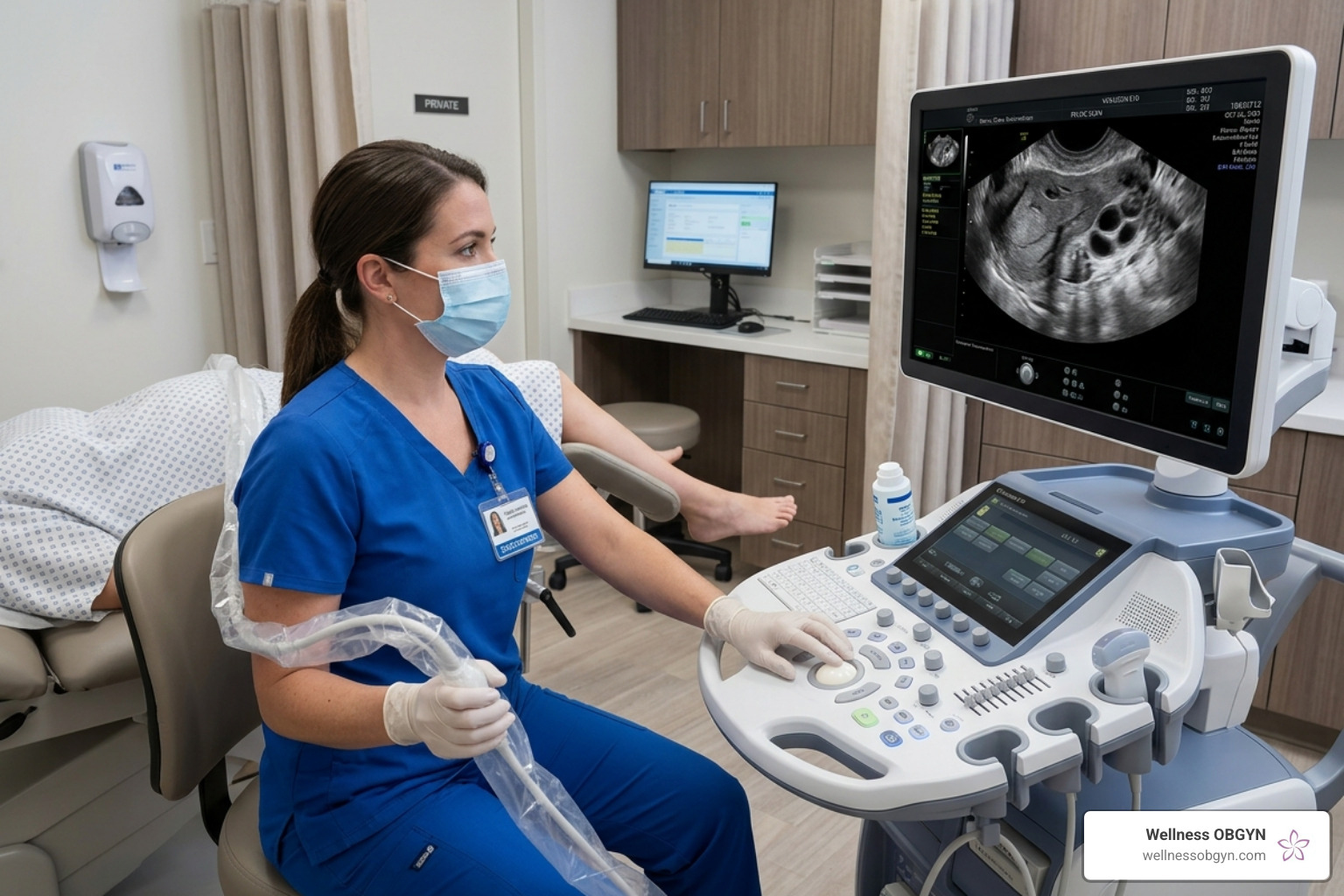
Accurate diagnosis is the cornerstone of effective treatment. At Wellness OBGYN, we use a combination of advanced technology and clinical expertise. Your journey begins with a comprehensive medical history review and a gentle pelvic exam designed to identify specific trigger points of pain.
Common diagnostic tests include:
- Transvaginal Ultrasound: To visualize the uterus and ovaries for cysts, fibroids, or signs of adenomyosis.
- Pelvic MRI: To get a high-resolution view of deep pelvic structures and nerves.
- Cystoscopy: A procedure to look inside the bladder if urinary symptoms are prominent.
Our goal is to provide Personalized Women’s Healthcare that avoids unnecessary testing while ensuring we leave no stone unturned.
The Role of Diagnostic Laparoscopy
Sometimes, imaging isn’t enough. Conditions like endometriosis can be “invisible” on standard ultrasounds. In these cases, a pelvic pain specialist may recommend a diagnostic laparoscopy. This is a minimally invasive surgery where a small camera is inserted through a tiny incision in the navel. This allows us to:
- Directly visualize and stage endometriosis.
- Identify and remove pelvic adhesions (scar tissue).
- Perform biopsies to confirm a diagnosis.
Specialized Testing for Nerve and Muscle Pain
If the pain is musculoskeletal or neurological, we utilize specialized evaluations. This includes a manual trigger point evaluation of the pelvic floor muscles. In some cases, we may refer patients for nerve conduction studies if we suspect conditions like pudendal neuralgia. Our focus on Female Pelvic Floor Therapy ensures that muscle-based pain is addressed with the same rigor as surgical issues.
Comprehensive Treatment Options for Lasting Relief
We believe in a multidisciplinary approach. This means we don’t just offer one solution; we create a toolkit for you. Your plan may include lifestyle modifications (like anti-inflammatory diets or stress reduction), pelvic floor physical therapy, and medications such as NSAIDs or hormone therapy.
If you are ready to stop “gritting and bearing it,” you can Find Your Pelvic Pain Specialist in Honolulu at our practice. We pride ourselves on a Holistic Approach to Women’s Health that considers your physical, emotional, and sexual well-being.
Surgical Interventions by a Pelvic Pain Specialist
When conservative treatments aren’t enough, surgery may be the best path forward. We specialize in OBGYN Surgical Procedures that prioritize quick recovery and minimal scarring. Using the da Vinci® robotic system, we can perform complex procedures with incredible precision. This includes:
- Laparoscopic Excision of Endometriosis: Removing the disease rather than just “burning” the surface.
- Myomectomy: Removing uterine fibroids while preserving the uterus.
- Hysterectomy: If necessary, performed through tiny incisions to minimize downtime.
Navigating Your Journey with a Pelvic Pain Specialist
Seeking help is the first step toward reclaiming your life. At Wellness OBGYN, we emphasize patient-centered care and shared decision-making. We want you to feel heard, validated, and empowered.
During your consultation at our Women’s Wellness Clinic, we will review your pain logs and discuss how your symptoms affect your daily activities. We don’t just want to reduce your pain score; we want to get you back to the activities you love.
Benefits of a Multidisciplinary Team
Treating chronic pain often requires a village. A comprehensive Center for Women’s Wellness collaborates with various experts, including:
- Urogynecologists for bladder and prolapse issues.
- Gastroenterologists for overlapping bowel symptoms.
- Physical Therapists specializing in the pelvic floor.
- Behavioral Health Specialists to help manage the mental toll of living with chronic pain.
When to Seek Immediate Consultation
While some pelvic pain is chronic, certain signs indicate you should see a pelvic pain specialist sooner rather than later:
- Pain that is worsening or becoming constant.
- Abnormal vaginal bleeding or discharge.
- Pain accompanied by fever, nausea, or vomiting.
- Pain that causes you to miss work, school, or social events.
If you are experiencing any of these, please Contact Us immediately to schedule an evaluation.
Frequently Asked Questions about Pelvic Pain
How is chronic pelvic pain defined?
Medical professionals define chronic pelvic pain as pain located in the area below the umbilicus (belly button) and between the hips that lasts for six months or longer. It can be constant or sporadic, and it may be associated with specific activities like exercise or intercourse. If you are struggling with this, our Female Sexual Health Clinic can provide specialized support.
Why are so many pelvic pain patients misdiagnosed?
Many symptoms of pelvic pain overlap. For example, the pain from endometriosis can feel very similar to IBS or interstitial cystitis. Additionally, there has historically been a normalization of “bad periods” in medicine, leading many providers to overlook serious underlying conditions. Seeking care at a dedicated OBGYN Clinic ensures you are seen by experts who know what to look for.
What is the PRM Protocol™?
The PRM Protocol™ is a specialized, office-based treatment approach used by some specialists to target the root causes of pelvic pain—specifically inflamed pelvic nerves and spastic pelvic muscles. It focuses on calming the nervous system and relaxing the pelvic floor to provide sustainable, non-surgical relief. We incorporate similar principles into our Medical Wellness Services to ensure our Honolulu patients have access to the latest in pain management.
Conclusion
At Wellness OBGYN in Honolulu, we believe that no woman should have to “just live with” pelvic pain. Our team is dedicated to providing personalized care that addresses the mind, body, and spirit. From innovative non-surgical solutions to advanced robotic surgery, we have the tools to help you find relief.
| Treatment Type | Best For… | Key Benefit |
|---|---|---|
| Conservative (PT/Meds) | Muscle tension, mild inflammation | Non-invasive, low risk |
| Minimally Invasive Surgery | Endometriosis, fibroids, adhesions | Corrects structural issues, precise |
Don’t wait another six months to feel better. Let us help you start your journey toward a pain-free life. Contact our Honolulu team today to schedule your consultation.