
Does Osteopathic Manipulative Treatment Actually Work?
Does osteopathic manipulative treatment work for pain and other conditions? Here’s what the research shows:
| Condition | Effectiveness | Evidence Quality |
|---|---|---|
| Chronic low back pain | Moderate effect (pain reduction of −1.02 on 0–10 scale) | Moderate |
| Chronic neck pain | Moderate effect with improved sleep and reduced fatigue | Moderate |
| Pregnancy-related back pain | Significant pain relief (MD -23.01) | Low to Moderate |
| Headaches/Migraines | Some positive effects | Limited |
| Systemic conditions (asthma, IBS) | Mixed results | Limited |
Osteopathic Manipulative Treatment (OMT) is a hands-on approach used by Doctors of Osteopathic Medicine (DOs) to diagnose, treat, and prevent illness or injury. Unlike medication or surgery, OMT uses manual techniques to address structural imbalances, improve circulation, and improve the body’s natural ability to heal itself.
Research shows that OMT is most effective for musculoskeletal conditions, particularly back and neck pain, where multiple clinical trials demonstrate meaningful improvements in both pain and function. For other conditions, the evidence is still developing, though many patients report benefits beyond what can be measured in studies.
The best part? OMT is remarkably safe. Clinical trials report no serious adverse events, with only about 12% of patients experiencing mild, temporary soreness following treatment.
As a Doctor of Osteopathic Medicine and board-certified OB-GYN, I’ve integrated osteopathic manipulative treatment into my practice at Wellness OBGYN for patients experiencing pregnancy-related discomfort, chronic pelvic pain, and other conditions where traditional approaches alone may fall short.

What Is Osteopathic Manipulative Treatment (OMT)?
Imagine healthcare that treats your body as more than just a collection of separate parts. That’s the essence of Osteopathic Manipulative Treatment (OMT) – a hands-on approach that recognizes your body works as an interconnected whole.
Developed by Dr. Andrew Taylor Still in 1874, OMT emerged from his belief that proper alignment of the body’s structure promotes its natural ability to heal. Dr. Still was for his time, founding osteopathic medicine on four fundamental principles that still guide the practice today:
- Your body functions as a unified whole – including your physical body, mind, and spirit
- Your body has an amazing capacity for self-healing and maintaining health
- Your physical structure and how your body functions are deeply connected
- Effective treatment respects and works with these natural principles
Does osteopathic manipulative treatment work by treating something different than other approaches? Yes! OMT specifically addresses what osteopathic physicians identify as “somatic dysfunction” – areas where your body’s structure isn’t working quite right. These dysfunctions might show up as tissue that feels abnormal, asymmetry in your body, restricted movement, or tender spots (known as “TART” findings).
What sets Doctors of Osteopathic Medicine (DOs) apart is their extensive training in these techniques – typically over 200 hours dedicated to understanding the musculoskeletal system and mastering manual medicine during their medical education. This training allows them to literally feel what’s happening beneath the surface and address problems at their source.
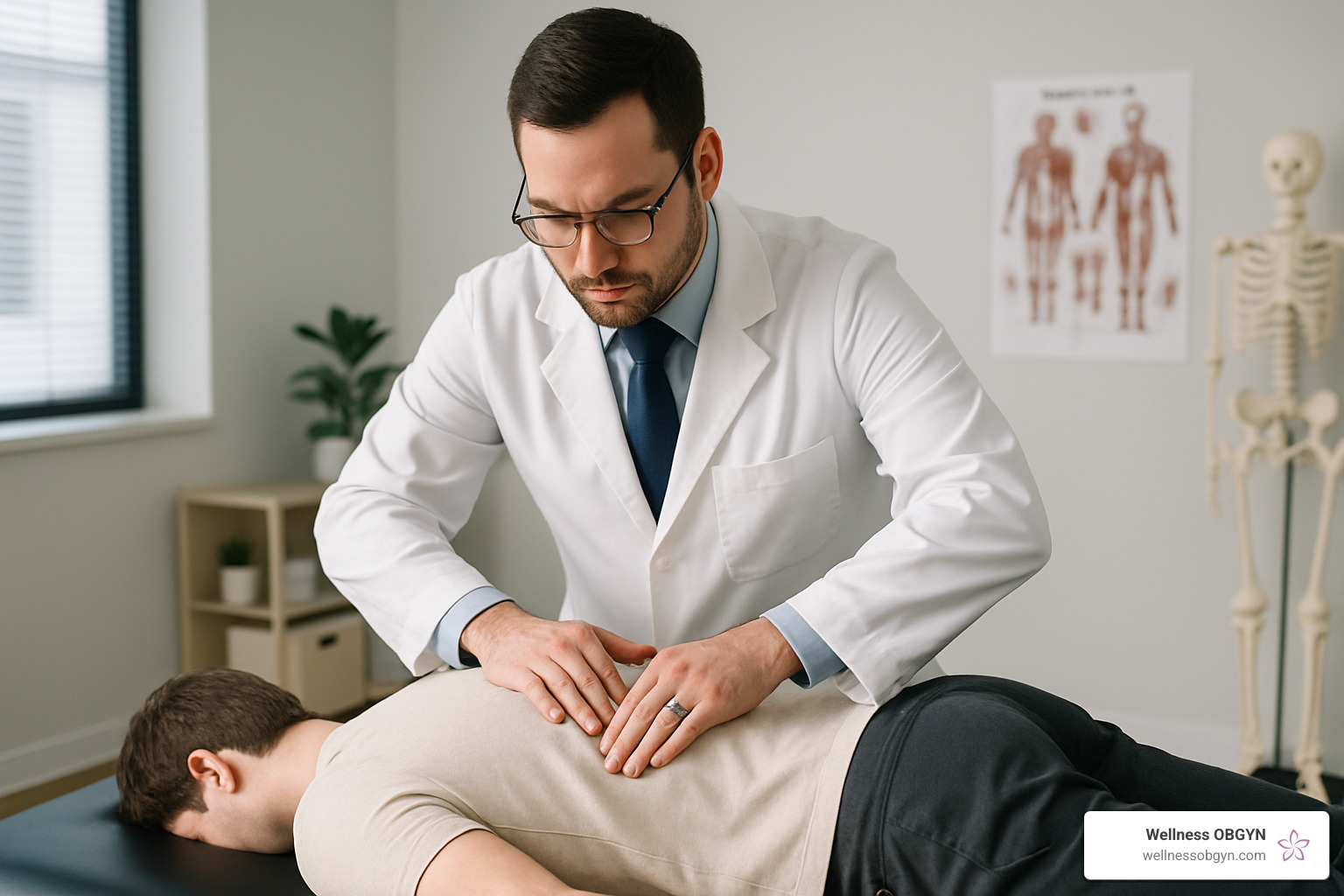
Core Techniques Used in OMT
When you visit a DO for treatment, they might use several different hands-on approaches, each chosen specifically for your needs. Here are the most common techniques you might experience:
High-Velocity, Low-Amplitude (HVLA) techniques are what many people think of when they imagine spinal adjustments. Your DO applies a quick, precise thrust to help restore movement to a restricted joint. That familiar “pop” you might hear? It’s just gas being released from the joint space – similar to cracking your knuckles. This technique works wonders for stubborn joint restrictions in your spine and limbs.
Muscle Energy techniques require your active participation. Your DO positions you carefully, then asks you to push gently against their resistance in specific directions. It’s like a choreographed dance between you and your physician that helps stretch tight muscles and free up restricted joints. Many patients appreciate this technique because it gives them an active role in their healing.
Myofascial Release offers gentle, sustained pressure to free up restrictions in your fascia – the connective tissue web that surrounds your muscles, bones, and organs. Your DO will feel for areas of tightness and apply gentle pressure until the tissue softens and releases. This technique can bring profound relief, especially for chronic tension patterns.
As Dr. Lauren Noto-Bell, DO, beautifully explains: “In the throes of an anxiety attack, for example, patients may have medication to stabilize their mood… but there are also manual OMT techniques that can help to calm down the nervous system.”
Counterstrain is exceptionally gentle and often brings immediate comfort. Your DO finds tender points in your body, then positions you in a way that feels comfortable, holding this position for about 90 seconds before slowly returning to neutral. Many patients are surprised by how such a subtle technique can bring such significant relief.
Lymphatic Pump techniques improve the circulation of lymph fluid throughout your body. Through rhythmic pressure applied to your chest, abdomen, or limbs, these techniques improve immune function and reduce swelling. Many patients report feeling lighter and less congested after lymphatic treatments.
At Wellness OBGYN, we understand that women’s bodies face unique challenges throughout life. Whether you’re experiencing pregnancy-related discomfort, pelvic pain, or other conditions, OMT offers a gentle, effective approach that works with your body’s natural healing abilities.
How Does OMT Work? Mechanisms & Principles
Does osteopathic manipulative treatment work at a fundamental level? When patients ask me this question at Wellness OBGYN, I explain that OMT isn’t just about making joints “pop” – it works through several fascinating pathways in your body simultaneously.
Think of your body as an incredibly complex symphony where everything is connected. When one instrument is out of tune (or one part of your body isn’t functioning properly), the entire performance suffers. OMT helps restore harmony through multiple mechanisms:
Your nervous system responds immediately to OMT. When skilled hands apply the right pressure and movement, specialized nerve receptors in your muscles, joints, and fascia wake up and get to work. This stimulation can actually close the “pain gates” in your spinal cord, reducing how much pain you feel. It’s like turning down the volume on a too-loud speaker.
“Many patients are surprised when their pain levels drop significantly after even one session,” I often tell my patients. “That’s your nervous system responding to treatment in real time.”
OMT also helps balance your autonomic nervous system – calming the fight-or-flight response that often goes into overdrive with chronic pain or stress, while enhancing the rest-and-digest functions that promote healing.

The biomechanical benefits are perhaps the most obvious. When your joints, muscles and fascia move properly, everything works better. As Dr. Jennifer Wilson, DO, puts it: “When everything is organized, it works better – just like a house.” By restoring normal movement patterns, OMT reduces unnecessary strain on your tissues, which often translates to less pain and better function.
Circulation improves remarkably with OMT techniques. Better blood flow means more oxygen and nutrients reach troubled tissues, while waste products and inflammatory substances get cleared away more efficiently. For my pregnant patients with swelling in their legs, lymphatic techniques can provide welcome relief by helping move excess fluid.
There’s also the powerful biopsychosocial effect. The therapeutic touch involved in OMT triggers release of your body’s natural “feel-good” chemicals like endorphins. Plus, there’s something deeply reassuring about having a physician take the time to listen, touch, and treat with their hands – addressing not just physical symptoms but the whole person.
Inflammation reduction is another key benefit. Research indicates OMT can lower inflammatory markers in the body, which may explain why it helps with both musculoskeletal and some systemic conditions.
Does Osteopathic Manipulative Treatment Work at the Physiological Level?
If we zoom in even closer to the cellular level, the evidence for OMT’s effects becomes even more compelling.
Your body is filled with specialized sensors called mechanoreceptors that respond to touch, pressure, and movement. Different types – Golgi tendon organs, muscle spindles, and various skin receptors – all send information to your brain about what’s happening in your tissues. OMT strategically activates these receptors, essentially “resetting” dysfunctional patterns.
Brain imaging studies reveal something fascinating: osteopathic manipulative treatment works by changing activity in your brain, particularly in areas that process pain and body awareness. This means OMT isn’t just working on the area being treated – it’s influencing how your central nervous system interprets signals from your body.
“I like to tell my patients that OMT isn’t just working on your back or neck – it’s actually changing how your brain perceives what’s happening in your body,” I explain during initial consultations at Wellness OBGYN.
Even your endocrine and immune systems respond to OMT. Some studies show changes in cortisol levels (your primary stress hormone) after treatment. Other research indicates OMT can boost white blood cell production, potentially enhancing immune function.
As one researcher eloquently noted, “In the correct clinical context, the techniques of OMT treat the existing somatic dysfunction which may assist the effectiveness of any appropriate medication, surgery, lifestyle changes or exercise.”
This multi-system approach helps explain why OMT can be effective for a range of conditions, and why its benefits often extend beyond simply addressing physical pain. At Wellness OBGYN, we see these principles in action every day, particularly for women experiencing pregnancy-related discomfort, chronic pelvic pain, and other conditions where a whole-person approach makes all the difference.
Does Osteopathic Manipulative Treatment Work? Current Evidence Snapshot
When patients ask me, “does osteopathic manipulative treatment work?” I always turn to the research. After all, good medicine should be backed by solid evidence, not just anecdotes.
The best evidence comes from studies where patients are randomly assigned to different treatments and the results are carefully measured. A comprehensive review published in 2021 looked at nine systematic reviews covering 57 clinical trials with 3,740 participants. That’s a substantial body of research!

For chronic low back pain, the research shows a medium-sized benefit. In plain English, that means patients typically experience meaningful pain reduction—not just a tiny improvement that could be explained by placebo effects.
A particularly impressive study from 2021 found that after just 3-4 OMT sessions over 4-6 weeks, patients with chronic neck pain reported significant improvements. Their pain dropped by about 1 point on a 10-point scale, and their disability decreased by about 5%. Those might sound like small numbers, but they represent real relief for people suffering daily.
What’s even more interesting is what else improved. Patients also reported:
– Better sleep
– Less fatigue
– Fewer symptoms of depression
This suggests OMT isn’t just working on the physical pain—it seems to help with the whole experience of living with chronic pain, which often includes sleep problems and mood changes.
When researchers grade the overall evidence (using a system called GRADE), here’s how OMT stacks up:
– Moderate quality evidence for chronic low back pain
– Moderate quality evidence for chronic neck pain
– Low to moderate quality evidence for pregnancy-related back pain
– Limited evidence for headaches and systemic conditions
In research-speak, “moderate quality” is actually pretty good—it means we can have reasonable confidence in the results, though more research would always be welcome.
Does Osteopathic Manipulative Treatment Work for Neck & Back Pain?
The strongest evidence for OMT is definitely in the area of neck and back pain—conditions that affect millions and can be notoriously difficult to treat effectively.
For neck pain, that study I mentioned earlier showed what statisticians call a “moderate to large” effect size. In real-world terms, patients got significant relief with just a handful of treatments. As a physician, I find this efficiency particularly valuable—patients don’t need to commit to endless appointments to see results.
When it comes to low back pain, a detailed analysis found that osteopathic manipulative treatment works to reduce pain with effects lasting at least three months after treatment ends. This staying power is important—we want treatments that provide lasting relief, not just temporary fixes.
Pregnant women with back pain seem to benefit particularly well from OMT. The research shows significant improvements in both pain and function. Similarly, women who’ve recently given birth show remarkable benefits. As an OB-GYN, I’ve seen how debilitating back pain can be during and after pregnancy, so having effective, medication-free options is invaluable.
Dr. John Licciardone, one of the leading researchers in this field, found that patients receiving OMT were 2.36 times more likely to recover from chronic low back pain compared to control groups. That’s a substantial difference!
These impressive results have led several clinical guidelines to recommend considering OMT as part of comprehensive back pain management, especially when standard treatments haven’t provided enough relief.
For those interested in diving deeper into the scientific research on OMT effectiveness, I recommend reviewing this comprehensive analysis published in the National Library of Medicine which examines multiple high-quality studies on the subject.
Does Osteopathic Manipulative Treatment Work for Headaches & Systemic Conditions?
Beyond the spine, the evidence for OMT becomes more limited—but there are still some promising findings worth noting.
For headaches and migraines, systematic reviews suggest that OMT may help reduce both frequency and intensity. The benefit likely comes from addressing muscle tension, improving blood flow, and reducing stress—all factors that can trigger or worsen headaches.
There’s also early evidence that OMT might help with respiratory conditions like asthma and COPD. By improving rib cage mobility and breathing mechanics, OMT may complement standard treatments. One interesting study found that pneumonia patients who received OMT along with standard care had shorter hospital stays and needed less respiratory support.
“OMT to the diaphragm and rib cage can improve breathing mechanics, which is particularly helpful for patients with respiratory conditions,” explains Dr. Jennifer Wilson, DO. These gentle techniques can make a real difference in how comfortably patients breathe.
Some small studies suggest OMT may help with irritable bowel syndrome by improving gut motility and reducing sensitivity. For pediatric conditions like infantile colic and recurrent ear infections, gentle osteopathic techniques might provide relief, though more research is needed.
I want to emphasize that for these non-musculoskeletal conditions, OMT works best as a complement to conventional medical care, not a replacement. It’s about addressing the body’s structural issues to help other treatments work better.
At Wellness OBGYN in Honolulu, we’ve seen encouraging results using OMT as part of comprehensive care for conditions like chronic pelvic pain, endometriosis discomfort, and pregnancy-related issues. While research specifically on these women’s health applications is still developing, our clinical experience suggests that osteopathic manipulative treatment works as a valuable addition to personalized care plans.
Benefits, Risks, and Suitable Populations
When considering whether osteopathic manipulative treatment works for you, it’s important to understand both what you might gain and any potential concerns, especially for your specific situation.
The benefits of OMT extend far beyond simple pain relief. Clinical trials consistently show that these gentle hands-on techniques effectively reduce pain, particularly for back and neck problems. But what many patients find most valuable is the improvement in how they can move and function in daily life. Many people report being able to return to activities they love after OMT treatment.
One of the most compelling advantages I’ve seen in my practice is how OMT can reduce reliance on pain medications. In a time when concerns about medication side effects and dependency are growing, this non-invasive approach offers a refreshing alternative. Research using the PROMIS-29 measurement tool confirms what we see clinically – patients often experience better sleep, less fatigue, and improved mood following treatment.
“I was taking ibuprofen daily for my back pain,” shares one Wellness OBGYN patient. “After just three OMT sessions, I’ve cut my use in half and feel better overall.”
The safety profile of OMT is remarkably reassuring when performed by properly trained practitioners. Clinical studies report no serious adverse events, with only about 12% of sessions resulting in mild, temporary side effects – typically just a bit of soreness lasting 1-2 days, similar to what you might feel after a good workout. It’s worth noting that severe pain during treatment isn’t normal and should be reported immediately to your provider.
While generally safe, OMT isn’t right for everyone. We carefully screen for contraindications like fractures, severe osteoporosis, bone or joint infections, malignancy in the treatment area, certain vascular conditions, and severe rheumatoid arthritis during flares. Your safety always comes first, which is why we conduct thorough evaluations before recommending OMT.

What makes OMT particularly valuable is how it can be adapted for different populations. For children, gentle techniques can address issues like torticollis, ear infections, and colic. The Cleveland Clinic confirms that OMT is safe for infants and children when performed by trained osteopathic physicians.
Pregnant women often find particular relief with OMT. Research specifically supports its use for pregnancy-related back and pelvic pain. We modify techniques to accommodate the pregnant body, offering a medication-free option during this critical time when many women prefer to avoid pharmaceuticals.
For elderly patients, we use gentler techniques, particularly for those with osteoporosis or other age-related conditions. OMT can help address pain and mobility issues while minimizing medication use, which is especially important for older adults who may already be taking multiple medications.
As Dr. Benjamin Moyer, DO, puts it, “OMT has virtually no side effects, making it a good first option or adjunct to medication for many patients, including pregnant women.”
At Wellness OBGYN in Honolulu, we take a thoughtful, individualized approach to recommending OMT. We carefully assess each patient’s condition and medical history, ensuring this approach is both safe and appropriate for their specific needs.
What to Expect During an OMT Session
Walking into your first OMT appointment can feel a bit mysterious if you don’t know what to expect. Let me walk you through the experience so you’ll feel more at ease.
Your visit begins with a conversation. We’ll discuss your medical history and current symptoms in detail. But we’ll also talk about your daily life – your work, sleep patterns, physical activities, and diet. This comprehensive picture helps us understand not just your symptoms, but you as a whole person.
The physical examination includes standard medical assessments plus specialized osteopathic evaluation. Using gentle touch (what we call palpation), the DO will identify areas of tissue texture changes, asymmetry, restriction of motion, and tenderness – what we call the TART findings. This detective work helps pinpoint the underlying causes of your discomfort.
During the actual treatment, you might sit, stand, or lie down, depending on what’s being treated. The techniques vary widely – some involve gentle stretching or pressure, while others include more direct manipulation. You might be asked to breathe in specific ways or to use your muscles against resistance. Most patients are surprised by how gentle and comfortable the treatment feels.
“I expected it to hurt or be forceful,” one patient shared, “but it felt more like a conversation between the doctor’s hands and my body.”
A typical session lasts between 15-45 minutes. How many treatments you’ll need depends entirely on your condition and how you respond. Acute problems might resolve in just 1-3 sessions, while chronic conditions may benefit from ongoing treatment, though usually with decreasing frequency over time.
After treatment, we recommend staying well-hydrated and taking a short walk to help your body adjust to alignment changes. It’s best to avoid strenuous activity for about 24 hours. Some patients experience mild soreness for 1-2 days afterward – similar to how you might feel after exercise.
As one Wellness OBGYN patient described, “I was surprised by how gentle most of the techniques were. I expected more of a ‘cracking’ approach like I’d experienced with chiropractic care, but OMT felt much more comprehensive and integrated. By the time I left the office, I already felt a noticeable improvement in my pregnancy-related back pain.”
How OMT Complements Other Approaches to Care
When it comes to healthcare, we often think of treatments as either/or choices. But one of the beautiful things about osteopathic manipulative treatment is how wonderfully it works alongside other therapies. Rather than competing with conventional medicine, OMT improves overall care by addressing the structural and functional elements that might otherwise be missed.
Think of it as teamwork for your body. While medication might target the chemical aspects of pain or disease, OMT addresses the physical framework that could be contributing to your symptoms or slowing your recovery.
| Treatment Approach | How OMT Complements It | Combined Benefits |
|---|---|---|
| Medication | May reduce dosage requirements; addresses underlying structural causes | More comprehensive pain management with fewer side effects |
| Physical Therapy | Improves joint mobility before exercises; improves tissue response to PT | Faster functional improvement; better long-term outcomes |
| Surgery | Pre-surgical preparation; post-surgical recovery support | Potentially better surgical outcomes; faster rehabilitation |
| Stress Management | Reduces physical manifestations of stress; improves body awareness | Improved mind-body connection; better stress resilience |
| Exercise Programs | Optimizes biomechanics; reduces compensation patterns | More effective exercise; reduced risk of injury |
As Dr. Lauren Noto-Bell, DO, beautifully explains: “In the correct clinical context, the techniques of OMT treat the existing somatic dysfunction which may assist the effectiveness of any appropriate medication, surgery, lifestyle changes or exercise.”
There’s also good news for your wallet. Studies using the Medical Expenditure Panel Survey data suggest that bringing OMT into primary care may actually lower overall healthcare costs. How? By reducing the need for specialist referrals, cutting down on imaging studies, decreasing medication usage (especially opioids), and potentially preventing more expensive interventions down the road.
At Wellness OBGYN, we’ve seen how integrating OMT into our women’s health practice creates a more holistic approach to care. For example, women with endometriosis often struggle not just with the primary pain from the condition itself, but also with secondary musculoskeletal pain from how their bodies have adapted to that discomfort. By addressing both aspects together, we can offer more complete relief.
Does osteopathic manipulative treatment work on its own? Sometimes, absolutely. But we’ve found it works even better as part of an integrated approach that sees you as a whole person – not just a collection of symptoms or body parts. This whole-person philosophy aligns perfectly with our practice’s commitment to care that puts you, the patient, at the center of everything we do.
Integrating OMT Into Preventive & Long-Term Care
OMT isn’t just for when things go wrong – it can play a valuable role in keeping you well and thriving for the long haul. This preventive approach honors one of the core osteopathic principles: your body has an amazing capacity for self-healing when structural barriers are removed.
Here’s how OMT can help you stay well before problems develop:
Postural Optimization: In our modern world of desk jobs and device-gazing, our posture takes a beating. Regular OMT can address early signs of postural issues before they transform into pain or injury. Think of it as maintenance for your body’s framework.
Athletic Performance: Many athletes, from weekend warriors to professionals, incorporate regular OMT into their training. At Wellness OBGYN, we work with female athletes to address their unique biomechanical challenges, helping them perform at their best while reducing injury risk.
Stress Management: We all know stress isn’t just “in your head” – it lives in your body too, showing up as muscle tension, shallow breathing, and other physical problems. Regular OMT can help break this cycle, potentially preventing stress-related health issues before they take hold.
Pregnancy Care: A woman’s body undergoes amazing changes during pregnancy, and proactive OMT can help maintain comfort and function throughout this journey. From addressing round ligament pain in early pregnancy to optimizing pelvic biomechanics before delivery, OMT offers gentle, medication-free support during this transformative time.
As Dr. Jennifer Wilson, DO, notes, “OMT is used pre-game for professional athletes to boost performance without medications.” This highlights how OMT isn’t just about fixing problems – it’s about optimizing how your body works.
For long-term wellness, we typically create a care plan that evolves with you:
As you improve, we’ll usually decrease treatment frequency, with sessions spaced further apart. The goal is to maximize your independence and self-management, not to create dependency.
We’ll often recommend specific home exercises or self-care techniques that complement and extend the benefits you get from in-office OMT sessions.
And because we believe in comprehensive care, we frequently collaborate with other healthcare providers like physical therapists, nutritionists, and mental health specialists to create a well-rounded approach to your health.
At Wellness OBGYN in Honolulu, we believe this preventive, long-term approach to OMT represents the true spirit of osteopathic medicine’s founding principles – not just treating disease, but nurturing health and helping you thrive.
Frequently Asked Questions about Osteopathic Manipulative Treatment
What training qualifies a clinician to perform OMT?
If you’re considering OMT, you might wonder who’s actually qualified to perform these specialized techniques. In the United States, only Doctors of Osteopathic Medicine (DOs) receive the comprehensive training needed to perform true Osteopathic Manipulative Treatment.
DOs complete the same rigorous medical education as MDs—four years of medical school followed by residency training—but with an important addition: they receive over 200 hours of specialized training in the musculoskeletal system and hands-on OMT techniques. This training isn’t just a one-time course; it’s woven throughout their entire medical education, with ongoing practice during clinical rotations.
Many DOs further refine their skills during residency, and some become true specialists by completing additional fellowship training in Neuromusculoskeletal Medicine/Osteopathic Manipulative Medicine.
While you might encounter other practitioners who use manual techniques that look similar, authentic OMT incorporates the distinct philosophy and approach that makes osteopathic medicine unique—particularly the integration of hands-on treatment with conventional medical care.
Is OMT safe during pregnancy or for seniors?
For Pregnant Women: Good news for expectant mothers! OMT is generally very safe during pregnancy when performed by a properly trained osteopathic physician. In fact, research specifically supports using these gentle techniques for pregnancy-related back and pelvic pain.
At Wellness OBGYN, we regularly use OMT to help our pregnant patients manage discomfort throughout their pregnancy journey. The techniques are thoughtfully modified to accommodate your changing body, providing a medication-free option for pain relief when you might be most concerned about taking medications.
The research backs this up too—a systematic review found that OMT provided significant pain relief and functional improvement for pregnant women with back pain. Many of our patients also find that OMT helps optimize their pelvic biomechanics in preparation for delivery.
For Seniors: As we age, our bodies need even more gentle, thoughtful care—and OMT can be beautifully adapted for older adults. If you’re a senior considering this treatment, you’ll find that your osteopathic physician will use gentler techniques appropriate for your body, carefully considering any conditions like osteoporosis or other age-related concerns.
One of the biggest benefits for older adults is that OMT may help address pain and mobility issues while reducing reliance on medications. This is particularly valuable since seniors often face increased risks from medication side effects and drug interactions.
How many sessions are usually needed before results are felt?
When patients come to Wellness OBGYN for OMT, one of their first questions is often “How long until I feel better?” The honest answer is that it varies considerably depending on several factors:
- Whether your condition is new (acute) or long-standing (chronic)
- Your age, overall health, and how your tissues respond to treatment
- The specific techniques your doctor uses
- How well you follow any recommended home care suggestions
The good news? Many patients report feeling some improvement right after their very first treatment. You might notice better movement, reduced pain, or simply feel more “balanced” walking out of the office.
Research supports these quick results too. In a study on chronic neck pain, patients experienced significant improvements after just 3-4 OMT sessions spread over 4-6 weeks.
For acute problems that just popped up, 1-3 sessions might be all you need. For chronic conditions you’ve had for years, we typically recommend starting with 4-6 weekly treatments, followed by a check-in to see where things stand.
At our practice, we usually suggest an initial trial of 2-3 OMT sessions for most conditions. This gives us a chance to see how your body responds and fine-tune our approach specifically for you. Does osteopathic manipulative treatment work the same for everyone? Not exactly—which is why we develop individualized plans that might include ongoing treatment at decreasing intervals, along with self-care techniques you can use at home.
OMT isn’t just about quick symptom relief—it’s about addressing the underlying causes of your discomfort for longer-lasting results. Some conditions naturally require more extensive treatment, but we’ll always be upfront about what you can expect.
Conclusion
When you’re struggling with pain or discomfort, you want to know one thing: will this treatment actually help me? After reviewing extensive research and clinical evidence, I can confidently say that osteopathic manipulative treatment works – particularly for musculoskeletal conditions like back and neck pain, where multiple high-quality studies show real improvements in both pain levels and daily function.
The evidence speaks most clearly for three conditions. For chronic low back pain, research shows moderate effects with quality evidence backing it up. For chronic neck pain, studies demonstrate not just pain relief but also better sleep and less fatigue – benefits that extend beyond the neck itself. And for pregnancy-related back pain, the research shows significant pain reduction and improved function, offering relief during a time when medication options are limited.
For other conditions like headaches, breathing problems, and digestive issues, OMT shows promise, though we need more research to draw definitive conclusions. What’s particularly reassuring is OMT’s excellent safety profile – clinical trials report no serious adverse events, with only about 12% of patients experiencing mild, temporary soreness afterward. This makes it an attractive option if you’re hoping to avoid medications or more invasive procedures.
At Wellness OBGYN in Honolulu, we’ve integrated OMT into our practice because we’ve witnessed how it improves outcomes and improves quality of life for our patients. Women with pregnancy discomfort, chronic pelvic pain, and other conditions often find relief through this hands-on approach when other treatments have fallen short.
Deciding whether to try OMT should be a conversation between you and your healthcare provider. Together, you can consider your specific condition, preferences, and goals to determine if this approach makes sense for you. We welcome these discussions during your visits to our practice.
Our philosophy accepts the core osteopathic principle: treating you as a whole person – body, mind, and spirit – not just addressing isolated symptoms. By combining conventional medicine with the unique benefits of osteopathic manipulative treatment, we provide truly comprehensive care that supports your body’s natural healing abilities.
If you’re curious about how integrative approaches like OMT might fit into your healthcare plan, I encourage you to explore our integrative women’s health services. Your journey to wellness deserves every effective tool we can offer – and for many women, OMT proves to be a valuable part of that toolkit.