
Your Guide to Understanding and Treating Bacterial Vaginosis
Bacterial vaginosis treatment involves antibiotics to clear the infection, but preventing its return is the main challenge. Standard treatments like Metronidazole and Clindamycin offer a 70-80% short-term cure rate, but recurrence within a year is high. Prevention focuses on avoiding douching, using probiotics, and practicing good hygiene.
If you’re one of the 35% of women who will experience bacterial vaginosis (BV), you’re not alone. This common vaginal infection is most prevalent in women aged 15-44.
BV occurs when the vagina’s delicate bacterial balance is disrupted, allowing harmful bacteria to overgrow healthy lactobacilli. This can cause a fishy odor, unusual discharge, and discomfort. While BV is treatable, its high recurrence rate makes a comprehensive treatment plan essential.
I’m Dr. Cheryl Twu, a board-certified OB-GYN with over a decade of experience. At my practice, Wellness OBGYN in Honolulu, I help women break the cycle of recurrent BV using evidence-based treatments and holistic wellness approaches.
Identifying BV: Symptoms, Diagnosis, and What It’s Not
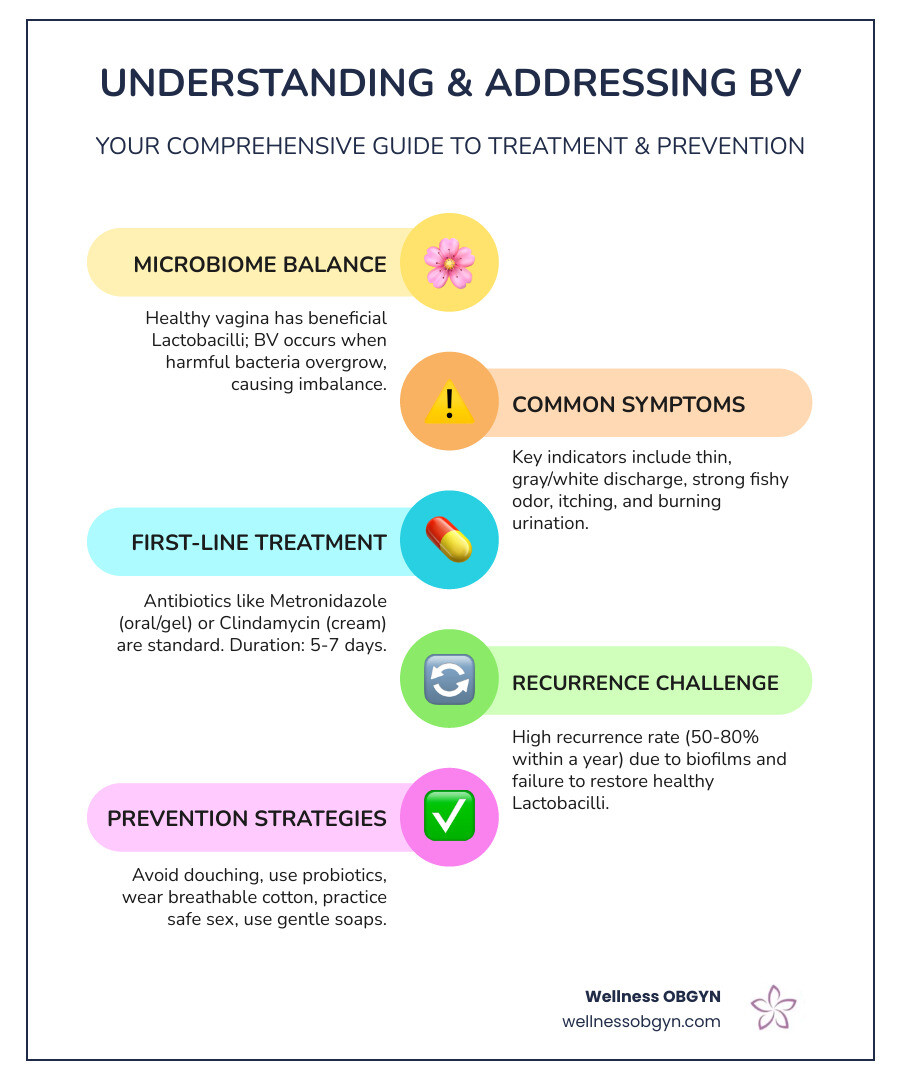
Effective bacterial vaginosis treatment starts with a correct diagnosis. BV is the most common vaginal issue for women aged 15 to 44, but it’s often misunderstood. It occurs when beneficial Lactobacillus bacteria are outnumbered by harmful bacteria like Gardnerella vaginalis, disrupting the vagina’s healthy, acidic pH.
Key Symptoms of Bacterial Vaginosis
Up to 84% of people with BV have no symptoms. When symptoms do appear, they are hard to ignore:
- Thin, gray or white discharge: This watery discharge is a primary sign, unlike the thick discharge of a yeast infection.
- Strong, fishy odor: This distinct smell is a hallmark of BV and often worsens after sex or during menstruation.
- Vaginal itching or irritation: Some women experience mild to moderate itching.
- Burning during urination: This can sometimes be confused with a urinary tract infection.
Bacterial Vaginosis vs. Yeast Infection: Know the Difference
| Feature | Bacterial Vaginosis (BV) | Yeast Infection (Candidiasis) |
|---|---|---|
| Discharge | Thin, watery, gray-white, or greenish | Thick, white, cottage cheese-like |
| Odor | Strong, fishy smell (especially after sex) | Typically odorless, or a slight yeasty smell |
| Itching/Irritation | Mild to moderate, sometimes present | Intense, significant itching and irritation |
| pH Level | Liftd (above 4.5) | Normal (usually below 4.5) |
This distinction is crucial, as using over-the-counter yeast infection treatments for BV can worsen the condition. Self-diagnosis often leads to prolonged suffering.
How Healthcare Providers Diagnose BV
At Wellness OBGYN, we use a thorough diagnostic process for an effective bacterial vaginosis treatment plan.
- Medical History and Symptom Review: We discuss your symptoms, health history, and lifestyle factors that can influence vaginal health.
- Physical and Pelvic Exam: We check for visible signs of infection or irritation.
- Diagnostic Tests: We collect a small sample of vaginal discharge for analysis:
- Microscope Exam: We look for “clue cells”—vaginal cells coated in bacteria, a telltale sign of BV.
- Vaginal pH Test: A pH of 4.5 or higher indicates a bacterial imbalance.
- Whiff Test: Adding potassium hydroxide to the sample may release a fishy odor, confirming BV.
- Molecular Tests (NAATs): For complex cases, these highly sensitive tests detect BV-associated bacteria.

These steps provide a complete picture, ensuring we create the most appropriate and effective treatment plan for you.
Standard Bacterial Vaginosis Treatment Options
Once diagnosed, the goal of bacterial vaginosis treatment is to relieve symptoms and restore vaginal balance. Antibiotics are the recommended first-line approach.
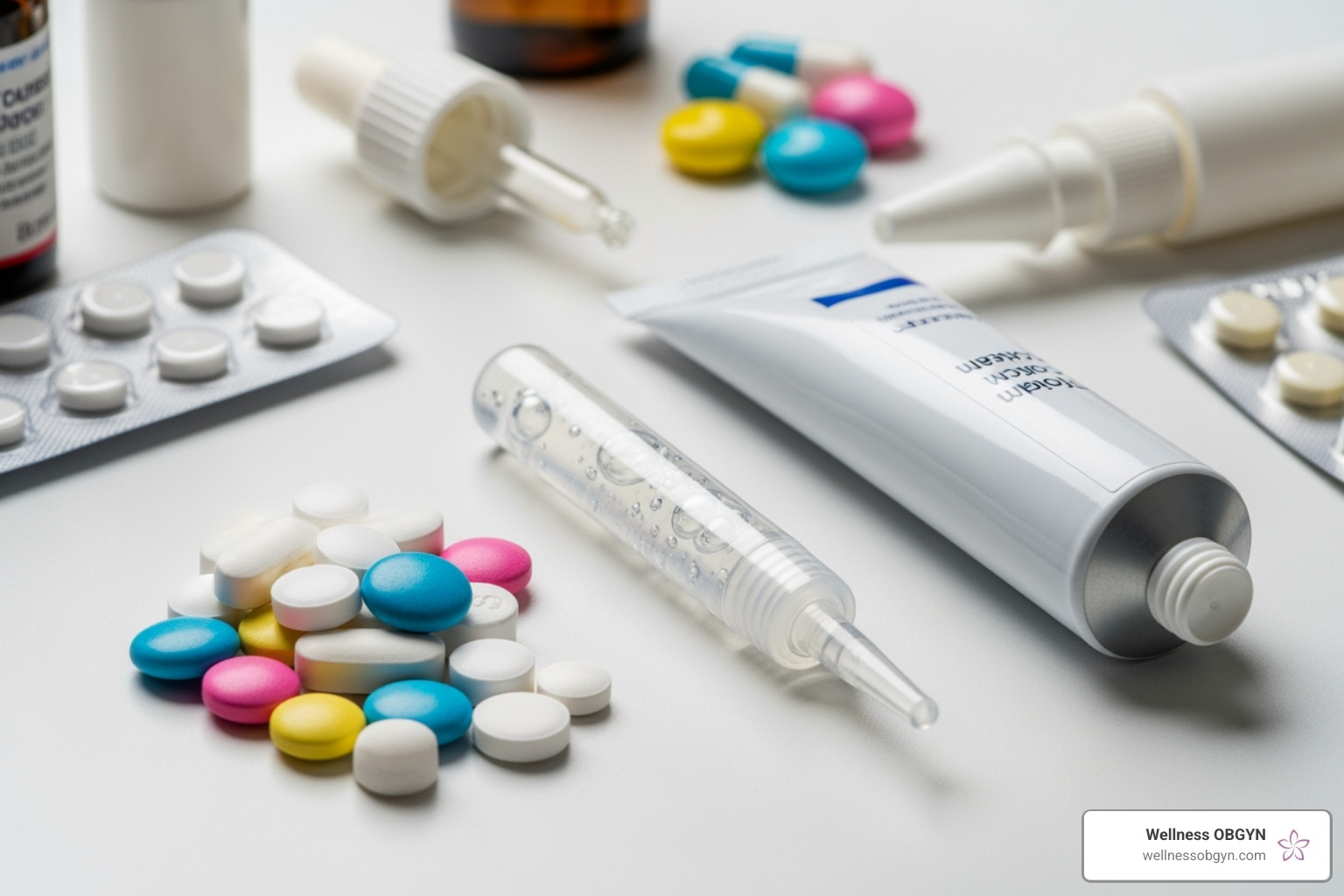
First-Line Antibiotic Bacterial Vaginosis Treatment
Standard treatments target the anaerobic bacteria causing the imbalance and are highly effective for short-term relief. Common options include:
- Metronidazole: A widely used antibiotic for BV.
- Oral: 500 mg twice daily for 7 days.
- Vaginal Gel 0.75%: One applicator (5g) daily for 5 days.
- Clindamycin: An alternative for those who can’t tolerate metronidazole.
- Vaginal Cream 2%: One applicator (5g) at bedtime for 7 days.
- Oral: 300 mg twice daily for 7 days.
- Vaginal Ovules: 100 mg at bedtime for 3 days.
Other options like oral secnidazole or tinidazole offer convenience but may have different efficacy rates. While antibiotics provide a short-term cure, they often fail to prevent recurrence.
Managing Side Effects of Bacterial Vaginosis Treatment
Being aware of potential side effects helps ensure a comfortable bacterial vaginosis treatment experience.
- Nausea and Metallic Taste: Common with oral metronidazole. Taking it with food can help, and the taste is temporary.
- Alcohol Interaction: Crucially, avoid alcohol during and for at least 72 hours after taking metronidazole or tinidazole to prevent a severe reaction (nausea, vomiting, flushing).
- Secondary Yeast Infection: Antibiotics can disrupt good bacteria, leading to yeast overgrowth. Contact us if you notice intense itching and thick, white discharge.
- Latex Condom/Diaphragm Weakening: Clindamycin cream can weaken latex. Use alternative contraception during treatment and for at least three days after.
Communicate any side effects with us. For more detailed information, you can refer to Scientific research on BV treatment guidelines.
The Challenge of Recurrence and How to Prevent It
Completing bacterial vaginosis treatment only to have symptoms return is a common frustration. 50% to 80% of women experience a recurrence within a year of antibiotic treatment. This isn’t a personal failure but the nature of the condition itself. Understanding why BV comes back is the first step to breaking the cycle.
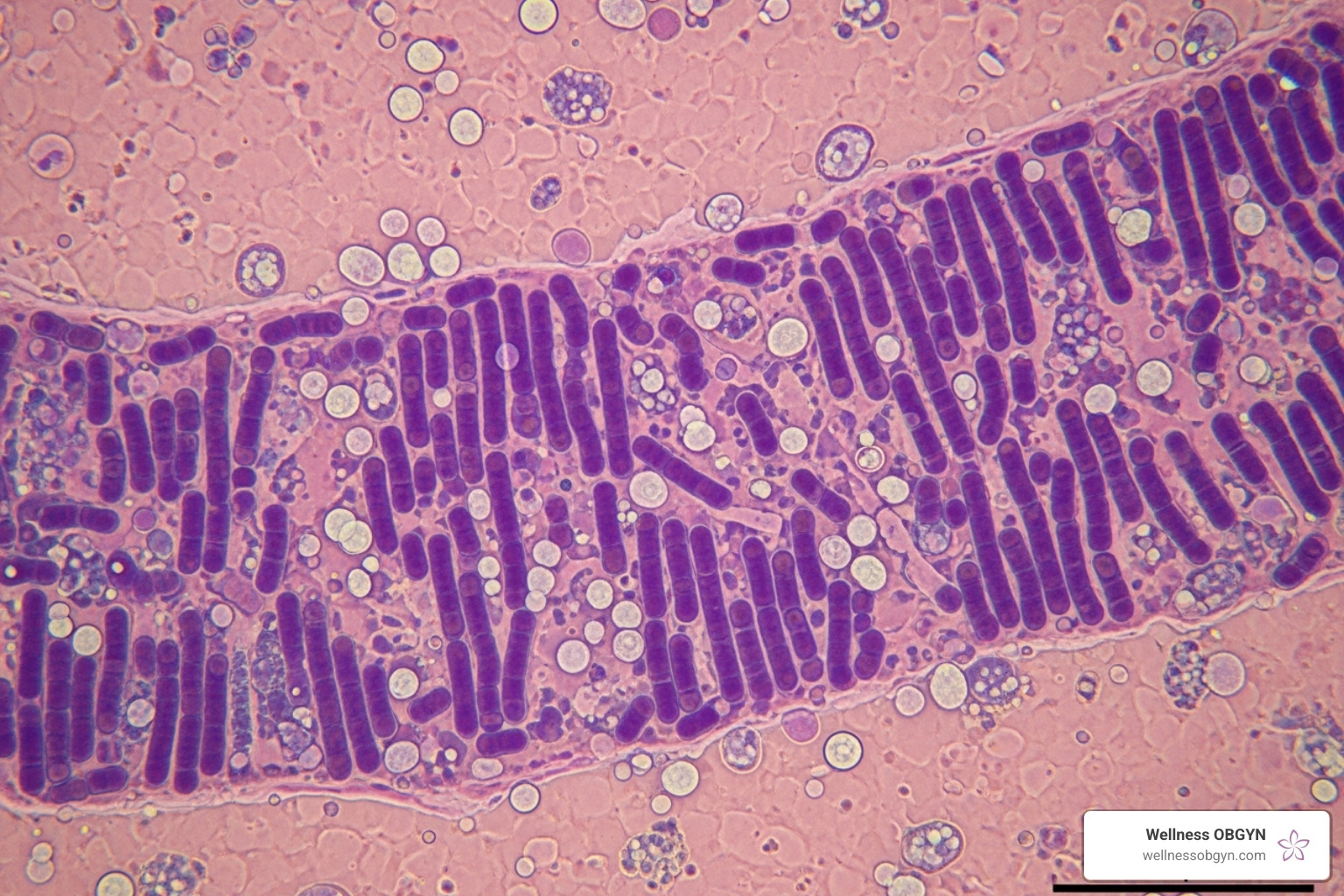
Why BV Comes Back
High recurrence rates are often due to biological factors, not poor hygiene. Completing your full antibiotic course is crucial, but other factors are at play:
- Antibiotics treat symptoms, not the root cause: They kill harmful bacteria but don’t fix the underlying imbalance that allowed the overgrowth.
- Beneficial bacteria are also affected: Antibiotics can reduce good Lactobacillus bacteria, making it difficult to restore a healthy vaginal environment post-treatment.
- Biofilms create a protective shield: BV-associated bacteria like Gardnerella vaginalis form biofilms on the vaginal lining. This “armor” protects them from antibiotics, allowing the infection to re-establish quickly after treatment.
- Sexual activity can play a role: While not an STI, BV can be passed between female partners. For women with male partners, changes in the vaginal environment after sex can contribute to recurrence.
Lifestyle Changes to Reduce Your Risk
While not a guarantee, certain lifestyle changes can help create a healthier vaginal environment where beneficial bacteria thrive.
- Avoid douching: Douching disrupts your natural bacterial balance and washes away protective bacteria. Your vagina is self-cleaning.
- Use gentle, unscented products: Harsh soaps and scented products can irritate vaginal tissues and alter pH. Use mild, unscented cleansers on the external vulva only.
- Wear breathable cotton underwear: Cotton reduces moisture and warmth, which can encourage bacterial overgrowth.
- Practice safe sex: Using condoms and limiting partners can reduce the introduction of new bacteria that disrupt vaginal health.
- Incorporate probiotic-rich foods: Yogurt, kefir, and fermented foods can support your overall microbiome, though their role as a standalone bacterial vaginosis treatment is still being studied.
At Wellness OBGYN, we help you identify personal risk factors and develop a prevention strategy. Learn more about our comprehensive approach through our women’s wellness services.
Emerging and Alternative Therapies for BV
Due to high recurrence rates, researchers are exploring new approaches beyond standard bacterial vaginosis treatment. These therapies focus on restoring the vaginal microbiome and addressing the root causes of BV, offering hope for those in a cycle of recurrence.
Restoring Balance with Probiotics and Other Aids
The goal is to reinforce the beneficial bacteria in the vagina. Several options can help:
- Lactobacillus Probiotics: Specific strains like Lactobacillus crispatus have shown promise in studies. Taken orally or used vaginally, they can be helpful alongside antibiotics or for prevention, though evidence as a standalone treatment is still developing.
- Boric Acid Suppositories: This compound’s antiseptic properties help restore the vagina’s healthy acidic pH. It is often used for stubborn BV but requires medical supervision, as it’s toxic if swallowed and unsafe during pregnancy.
- Lactic Acid Gels: These gels mimic the natural acidity produced by healthy bacteria, helping to restore pH balance after antibiotic treatment.
- Vaginal Vitamin C Tablets: Research suggests intravaginal vitamin C can help decrease BV recurrence rates by supporting the vagina’s acidic environment.
Special Considerations for BV
In certain situations, bacterial vaginosis treatment requires extra attention. Understanding these circumstances is key if you are pregnant, sexually active with women, or concerned about long-term health.
BV and Pregnancy
Bacterial vaginosis treatment is both safe and important during pregnancy. Untreated BV is linked to serious complications, including:
- Increased risk of preterm birth (before 37 weeks)
- Premature rupture of membranes
- Low birth weight
- Postpartum endometritis (infection of the uterine lining)
- Intra-amniotic infection (chorioamnionitis)
Safe treatment options like oral metronidazole and clindamycin are available and recommended for pregnant women with symptoms. The benefits of treatment far outweigh the risks. We do not routinely screen asymptomatic pregnant women, but we always treat symptomatic cases.
Partners, Transmission, and Long-Term Risks
Understanding transmission and long-term risks can reduce anxiety and ensure proper care.
- Male Partners: BV is not a traditional STI, but an imbalance of vaginal bacteria. Male partners do not need treatment, as it does not prevent recurrence in women.
- Female Partners: BV can be passed between female partners. Open communication is important, and your partner may need testing and treatment if she has symptoms.
- Increased STI Risk: Having BV alters the vaginal environment, making you more susceptible to acquiring STIs like HIV, gonorrhea, chlamydia, and trichomoniasis.
- Pelvic Inflammatory Disease (PID): Untreated BV can sometimes travel to the uterus, fallopian tubes, and ovaries, causing PID. This serious condition can lead to chronic pelvic pain, ectopic pregnancy, and infertility.
These potential complications highlight the importance of timely diagnosis and effective treatment. Addressing BV promptly protects your long-term reproductive health. At Wellness OBGYN, we discuss your specific situation to create a plan that ensures your overall health and peace of mind.
Frequently Asked Questions about BV Treatment
Here are straight answers to the most common questions about BV.
Can BV go away on its own?
Mild, asymptomatic BV can sometimes resolve on its own if the cause of the imbalance was temporary. However, if you have symptoms like a fishy odor or unusual discharge, it’s best to seek proper bacterial vaginosis treatment. Waiting it out can lead to worsening symptoms and complications, such as an increased risk of other infections or problems during pregnancy. It’s always safest to get checked out.
How quickly does bacterial vaginosis treatment work?
Most women feel better within 2-3 days of starting bacterial vaginosis treatment, with the odor and discharge improving first. It is crucial to finish your entire course of antibiotics, even after you feel better. Stopping early is a primary reason for recurrence, as it allows remaining bacteria to multiply again. If your symptoms don’t improve after finishing your medication, please call us.
Can I have sex while being treated for BV?
It’s best to wait until you’ve completed treatment and are symptom-free. There are several reasons for this:
- Medication Interference: Clindamycin cream can weaken latex condoms and diaphragms, reducing their effectiveness.
- Irritation: Sexual activity can further irritate inflamed vaginal tissues and slow healing.
- Reduced Efficacy: Sex might interfere with how well vaginal medications work.
Waiting a few days gives your body the best chance to heal fully and reduces the risk of the infection returning.
Take Control of Your Vaginal Health
Living with bacterial vaginosis doesn’t have to be a source of constant worry. With the right knowledge, you can manage it effectively. True success with bacterial vaginosis treatment goes beyond antibiotics; it involves a comprehensive approach to prevent recurrence.
Prevention is your best defense. Simple lifestyle changes—like avoiding douching and using gentle products—can make a significant difference. Supportive therapies like probiotics and boric acid can also help maintain a healthy vaginal balance.
You are not alone. At Wellness OBGYN in Honolulu, we provide compassionate, personalized care for BV. Professional diagnosis is crucial, as self-treating can be ineffective or worsen the problem. We are committed to empowering you with expert medical support to achieve lasting health and peace of mind.
Don’t let BV impact your quality of life. Schedule a consultation with our experts today to create a personalized plan and reclaim control over your vaginal health.