
You Just Had a Baby — Now What About You?
Postpartum self care is the practice of actively supporting your body, mind, and emotions during the weeks after giving birth — and it matters just as much as caring for your newborn.
Here’s a quick overview of what postpartum self care includes:
- Physical recovery — perineal care, managing bleeding, rest, and nutrition
- Emotional health — recognizing baby blues vs. postpartum depression, managing mood swings
- Sleep and rest — napping strategically, accepting help, lowering the bar on chores
- Nutrition and hydration — eating nutrient-dense foods, drinking enough water (especially if breastfeeding)
- Mental wellness — journaling, setting boundaries, joining support groups
- Medical follow-ups — attending your 6-week checkup, pelvic floor therapy, and screenings
The postpartum period — sometimes called the fourth trimester — officially spans the first 12 weeks after birth. But the truth is, your body and emotions can keep shifting for months beyond that. Nearly 80% of new mothers experience the baby blues. About 1 in 7 will develop postpartum depression. And virtually every new mom will face some degree of physical discomfort, sleep deprivation, and emotional overwhelm.
This isn’t a luxury wellness topic. It’s recovery medicine.
The transition to motherhood is one of the most intense life changes a person can go through — physically, hormonally, and emotionally — all at once, while running on almost no sleep. The good news: with the right knowledge and support, you can move through this period with more ease and far less suffering.
I’m Dr. Cheryl Twu, a board-certified OB-GYN and founder of Wellness OBGYN in Honolulu, and after more than a decade supporting women through pregnancy and recovery at high-volume women’s health centers including Kapiolani Women’s Center, postpartum self care is one of the areas I’m most passionate about. In this guide, I’ll walk you through everything you actually need — from healing supplies to mental health strategies — so you can recover well and feel like yourself again.
Learn more about postpartum self care:
Understanding the Fourth Trimester and Postpartum Recovery Timeline
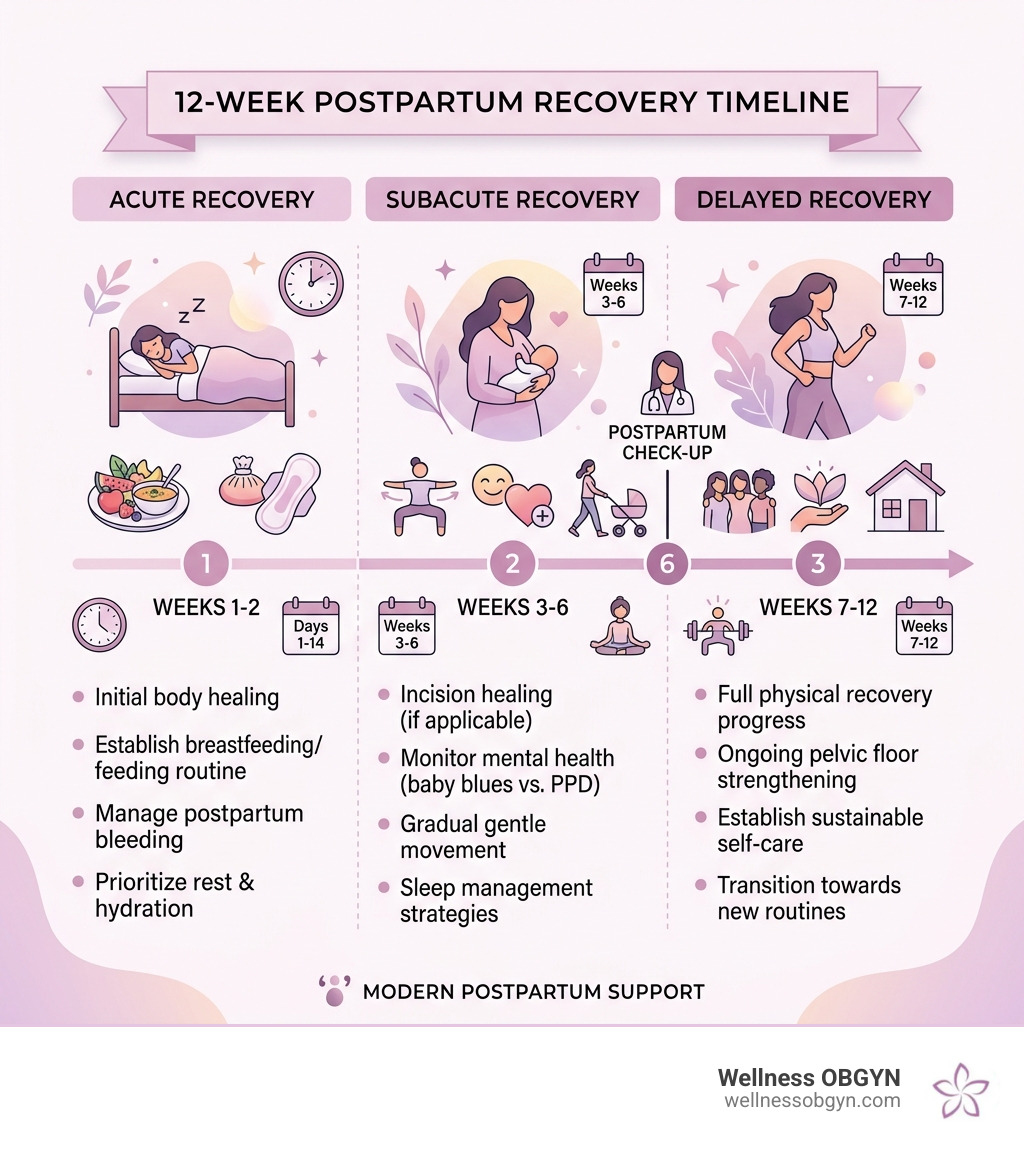
When we talk about postpartum self care, it helps to understand that recovery isn’t a single event—it’s a series of phases. In April 2026, the medical community increasingly recognizes the “Fourth Trimester” as a critical 12-week window where the mother requires just as much monitoring as the infant.
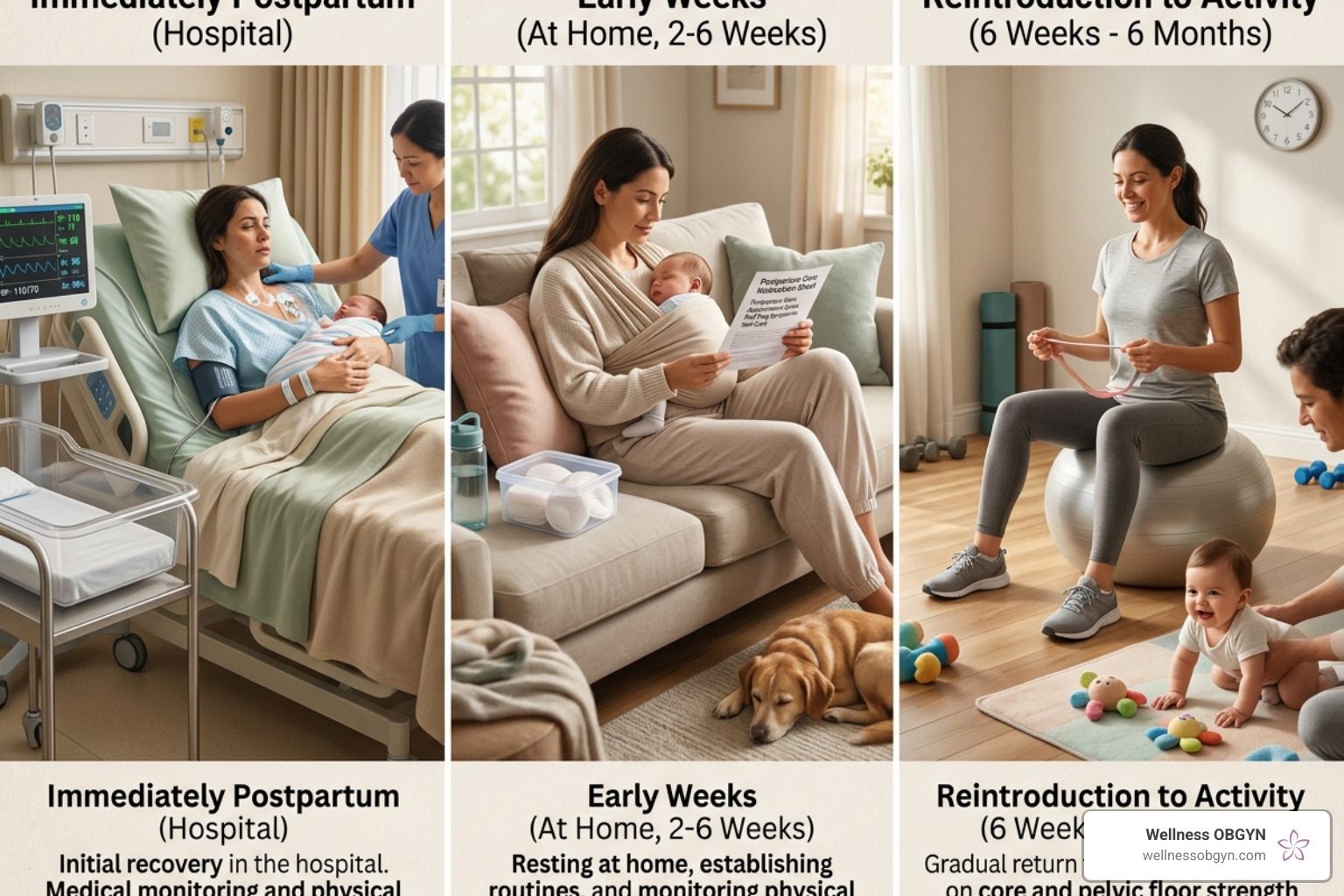
According to the Cleveland Clinic, the postpartum period can be broken down into three distinct stages:
- The Acute Phase (First 6–24 hours): This is the immediate time after delivery. Whether you are at a hospital in Honolulu or a birthing center, our focus here is on monitoring for heavy bleeding (hemorrhage) and ensuring your vitals are stable.
- The Subacute Phase (2–6 weeks): This is when the “real work” of home recovery happens. Your body is undergoing major changes: the uterus is shrinking (involution), and lochia (vaginal discharge) is transitioning from red to pink to white.
- The Delayed Phase (6 weeks to 6 months): This phase often extends beyond the traditional six-week checkup. It involves muscle restoration, hormonal stabilization, and potentially addressing long-term issues like pelvic floor dysfunction.
Recovery timelines differ based on your birth experience. For a vaginal birth, the initial healing of the perineum usually takes a few weeks, while a C-section involves major abdominal surgery. A C-section incision may appear healed on the surface within 10 days, but internal tissues can take months to fully recover. At Wellness OBGYN, we emphasize Prenatal Care Honolulu to prepare you for these stages before the baby even arrives.
Physical Postpartum Self Care: Healing Your Body After Birth
Your body has just performed a marathon. Whether you had a three-hour labor or a thirty-hour one, you are physically depleted. Postpartum self care starts with managing the immediate physical aftermath.
Perineal Care and Lochia Management
If you had a vaginal delivery, you likely have some degree of tearing—statistics show up to 70% of women do. Keeping this area clean is vital to prevent infection. You will also experience lochia, which is the shedding of the uterine lining. This bleeding can last up to six weeks. Pro tip: Use pads only; tampons and menstrual cups are off-limits until your provider gives the all-clear at your Personalized Womens Healthcare visit to avoid the risk of infection.
Uterine Involution and Afterpains
You might be surprised to feel “mini-contractions” after the baby is born, especially while breastfeeding. This is your uterus working to return to its pre-pregnancy size. These afterpains are normal but can be uncomfortable. Applying a heating pad to your lower abdomen can offer significant relief.
Essential Supplies for Hygiene and Comfort
To make your recovery smoother, we recommend building a “recovery station” in your bathroom. According to Baby Chick, these items are non-negotiable for comfort:
- Peri rinse bottle: Use warm water to cleanse after using the bathroom instead of wiping.
- Sitz bath: A small basin that fits over your toilet for soaking the perineum.
- Witch hazel pads and Numbing spray: To soothe swelling and hemorrhoids.
- High-waisted supportive underwear: Especially helpful for C-section moms to keep pressure off the incision.
- Disposable briefs: These are often more comfortable than mesh hospital underwear for the first week of heavy bleeding.
- Ice packs: Essential for reducing perineal swelling in the first 24–48 hours.
Pelvic Floor Health and Postpartum Self Care
Pregnancy and birth put immense strain on the pelvic floor. Many women experience urinary incontinence—that “oops” moment when you sneeze or laugh. While common, it is not something you have to live with forever.
Nourishing the New Mother: Nutrition, Hydration, and Rest
In the early weeks, it’s easy to forget to eat while you’re busy feeding a newborn. However, nutrition is a cornerstone of postpartum self care. Your body needs extra calories—especially if breastfeeding—to repair tissue and produce milk.
Postpartum Nutrition Guidelines
We recommend following the MyPlate guidelines: fill half your plate with fruits and vegetables, and the rest with lean proteins, whole grains, and healthy fats.
- Iron-rich foods: You lost blood during delivery. Replenish with spinach, lean red meats, or lentils.
- Fiber: Constipation is common after birth. Increase your intake of beans and whole grains to keep things moving.
- Hydration: Aim for 8–10 glasses of water daily. A good rule of thumb for breastfeeding moms is to drink a glass of water every time the baby latches.
The Myth of “Sleeping When the Baby Sleeps”
While well-intentioned, this advice can be frustrating when you have a mountain of laundry. However, newborns wake every 3 hours, making a solid 8-hour stretch impossible. At our Womens Wellness Clinic, we suggest “strategic napping.” If the baby is asleep and you have help, prioritize a 90-minute nap over cleaning the kitchen. Rest is what allows your tissues to knit back together.
Breastfeeding Support and Nutritional Essentials
Breastfeeding is a learned skill for both you and the baby. According to Hawaii Pacific Health, having the right supplies can prevent early burnout:
- Lanolin nipple cream: Safe for baby and essential for preventing cracked skin.
- Nursing pillows: To take the strain off your back and shoulders.
- Breast pumps: Useful for relieving engorgement or allowing a partner to take over a night feeding.
- Postpartum vitamins: Continue your prenatal vitamins to ensure you aren’t becoming nutrient-deficient.
Important Note: Avoid extreme dieting. Your body has built up nutrient stores during pregnancy specifically for this recovery period. Focus on “additive” nutrition—adding good things in—rather than restriction.
Emotional Wellness: Navigating Baby Blues and Mental Health
The “hormonal crash” that happens after the placenta is delivered is one of the most abrupt shifts the human body can experience. It is completely normal to feel “weepy” or irritable in the first two weeks.
Baby Blues vs. Postpartum Depression
It’s vital to know the difference:
- Baby Blues: Affects up to 80% of new moms. It usually starts a few days after birth and resolves on its own within two weeks.
- Postpartum Depression (PPD): Affects about 1 in 7 women. Symptoms are more intense and last longer than two weeks. These can include difficulty bonding with the baby, overwhelming fatigue, or thoughts of harming yourself or the infant.
- Postpartum Anxiety (PPA): Characterized by racing thoughts and constant “what if” scenarios that interfere with sleep or daily function.
If you feel “off” for more than two weeks, please reach out to our Center For Womens Wellness. There is no shame in needing support; PPD is a medical complication of childbirth, just like gestational diabetes.
Emotional Postpartum Self Care Strategies
- Journaling: Even five minutes of writing can help you process the “identity shift” of becoming a mother.
- Gratitude Practice: Note one small win each day—even if it’s just “I took a hot shower.”
- Mindfulness: Practice deep breathing during feeds. It calms your nervous system and can even help with milk let-down.
- Support Groups: Connecting with other moms in Honolulu can remind you that you aren’t alone in your struggles.
Building Your Village: Asking for Help and Setting Boundaries
In many cultures, the “village” is built-in. In our modern society, we often have to “teach” our village how to help us. Postpartum self care involves delegating the things that aren’t the baby.
Helpful vs. Draining Visitors
Not all help is created equal. Use this guide to manage your social energy:
| Helpful Visitor | Draining Visitor |
|---|---|
| Brings a hot meal or groceries | Asks “What’s for lunch?” |
| Folds a load of laundry without being asked | Expects to be hosted and served coffee |
| Offers to hold the baby so you can nap/shower | Passes the baby back as soon as they cry |
| Stays for 30 minutes and leaves | Stays for 3 hours and talks about themselves |
| Texts before coming over | Shows up unannounced |
How to Ask for Help
Be specific. Instead of saying “I need help,” try:
- “Could you pick up some milk and eggs on your way over?”
- “Would you mind watching the baby for an hour so I can sleep upstairs?”
- “We aren’t taking visitors today, but we’d love a porch drop-off of that lasagna!”
Setting boundaries is a form of Holistic Approach To Womens Health. Saying “no” to a social obligation isn’t being rude; it’s protecting your limited energy for your recovery and your child.
Frequently Asked Questions about Postpartum Recovery
How long does the postpartum period actually last?
While the insurance companies often focus on the first 6 weeks, the “fourth trimester” is 12 weeks. Many experts and our team at Wellness OBGYN believe true physiological and emotional recovery can take up to a full year. Be patient with yourself.
What are the warning signs that I should call my doctor immediately?
If you are searching for an Obstetrician Gynecologist Near Me because of a concern, call us immediately if you experience:
- Fever over 101°F (can indicate infection or mastitis).
- Heavy bleeding (soaking through a pad in an hour).
- Severe headache that doesn’t go away with Tylenol (can be a sign of postpartum preeclampsia).
- Pain, swelling, or redness in one leg (could be a blood clot).
- Thoughts of harming yourself or the baby.
When is it safe to start gentle exercise after birth?
In the first two weeks, your only “exercise” should be walking to the kitchen or bathroom. Once the bleeding slows, you can add short, gentle walks. Most women are cleared for moderate exercise at their 6-week checkup, but always listen to your body. If your bleeding increases after activity, you’ve done too much.
Conclusion
At Wellness OBGYN, we believe that postpartum self care is the foundation of a healthy family. You cannot pour from an empty cup, and your recovery is just as important as your baby’s milestones.
Our Honolulu practice specializes in patient-centered care that honors your individual journey. Whether you need breastfeeding support, mental health screening, or help navigating the physical changes of the fourth trimester, our doors are open.
Ready to prioritize your recovery? Visit our Center For Womens Health to schedule your postpartum follow-up and start your journey back to feeling like yourself again.